





Commercial Indoor Playsets in Bulgaria: Market Insights and Recommendations
Bulgaria is becoming a more interesting market for indoor leisure concepts because consumer spending tied to recreation, culture, and education has continued to rise, while the wider retail environment remains active and expansion-oriented. Bulgaria’s National Statistical Institute reported that 2025 household expenditure on recreation, culture, and education rose 5.1% year over year, and Colliers’ latest Bulgaria overview points to ongoing development and repositioning across the country’s retail market. That combination matters for indoor playground investors: families are still spending in experience-adjacent categories, and retail destinations are still competing to improve dwell time and tenant mix.
As MaxPlay Playground Equipment, we provide professional solutions for indoor playgrounds and soft play areas. We design, manufacture, install, and assemble indoor playground equipment and soft play systems for commercial spaces. Contact us for turnkey indoor playground projects.
| Landline: | 0216 377 10 88 |
| Mobile / WhatsApp: | 0532 069 53 17 |
| E-Mail: | info@maxplay.com.tr |
| Address: | Google Maps |
You can contact us for all your projects across Türkiye and international markets.
Our Services:
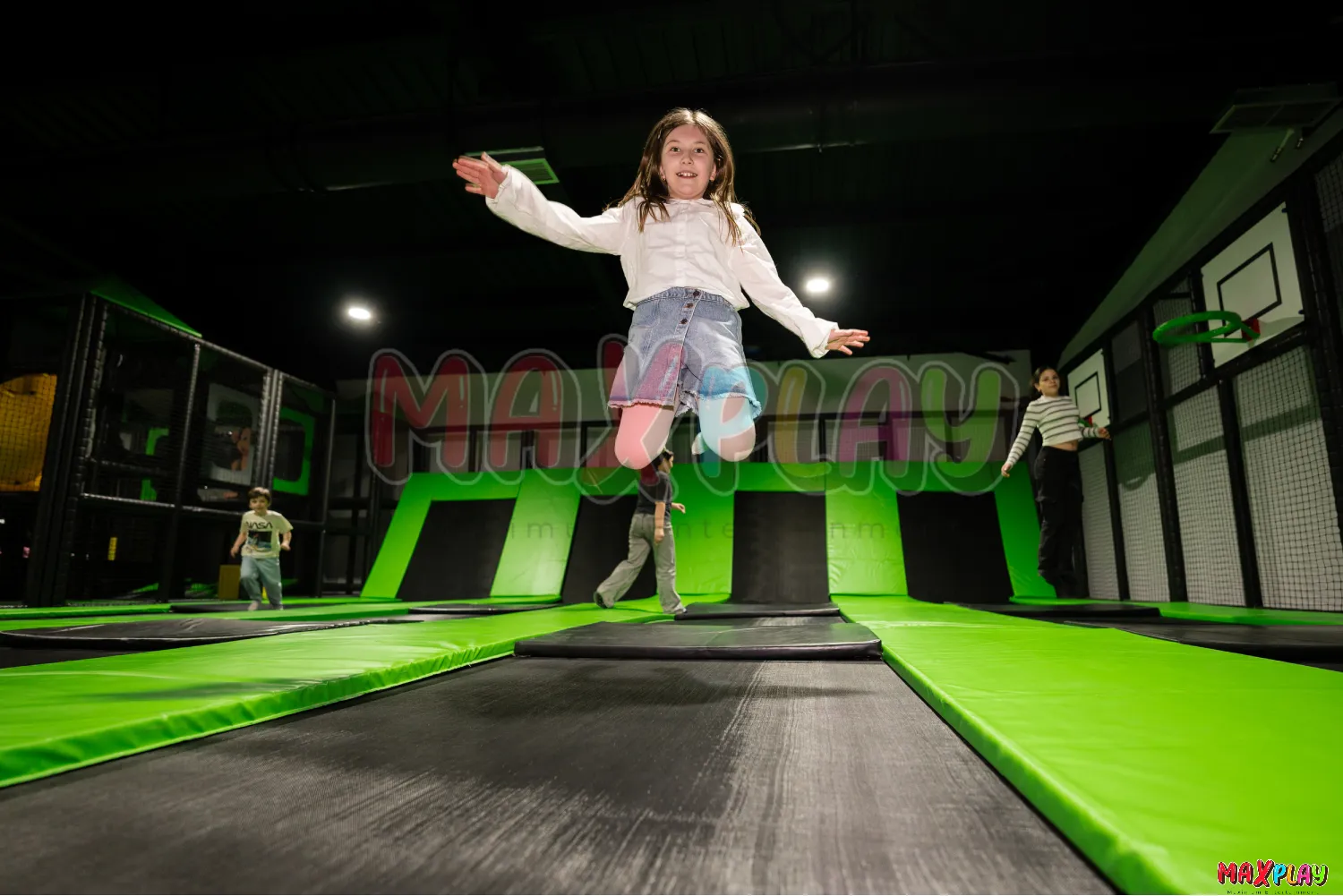
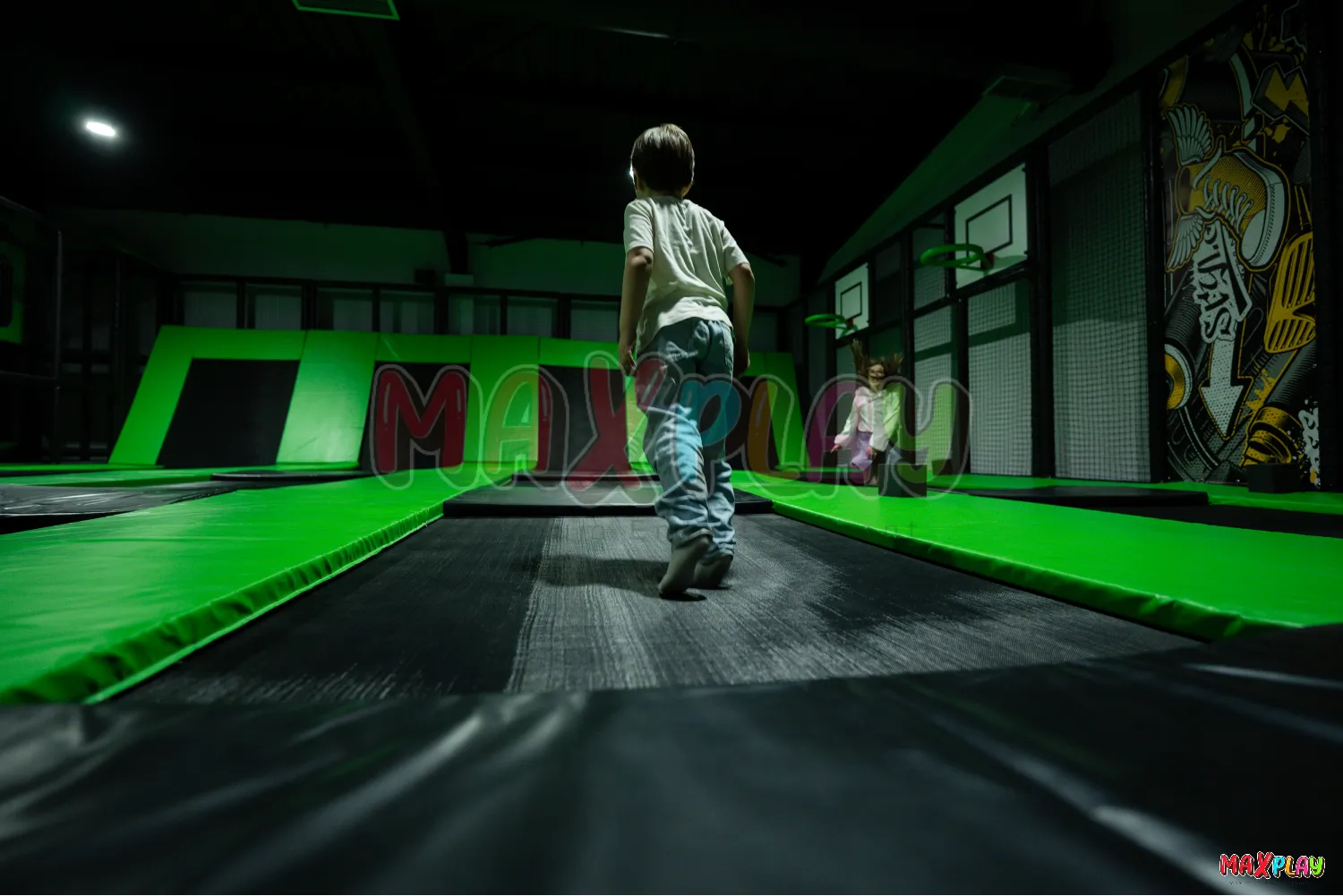
- Trampoline Manufacturing – Trampoline Park Installation
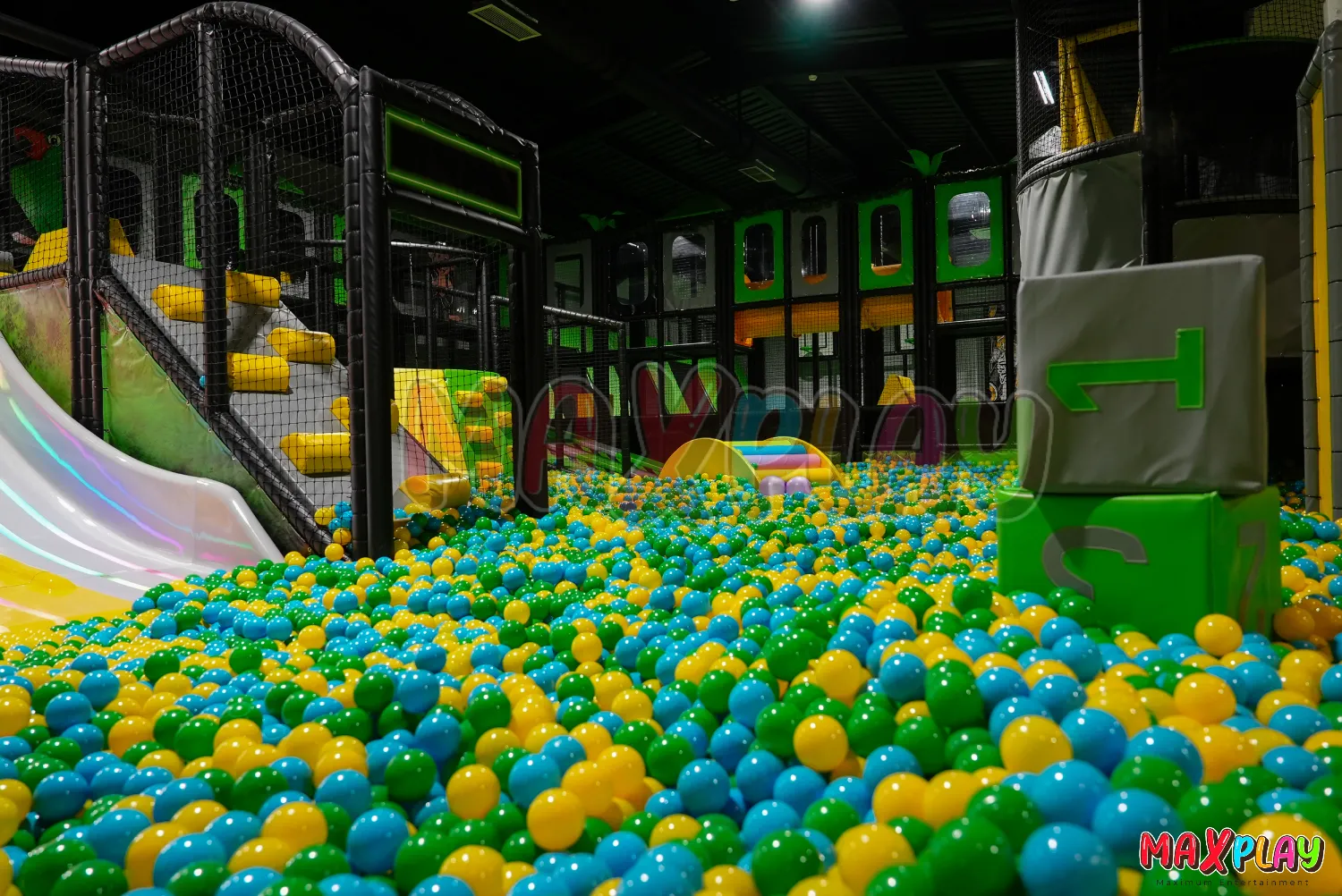
- Ball Pit Manufacturing – Ball Pit Playground Installations (with slides, etc.)
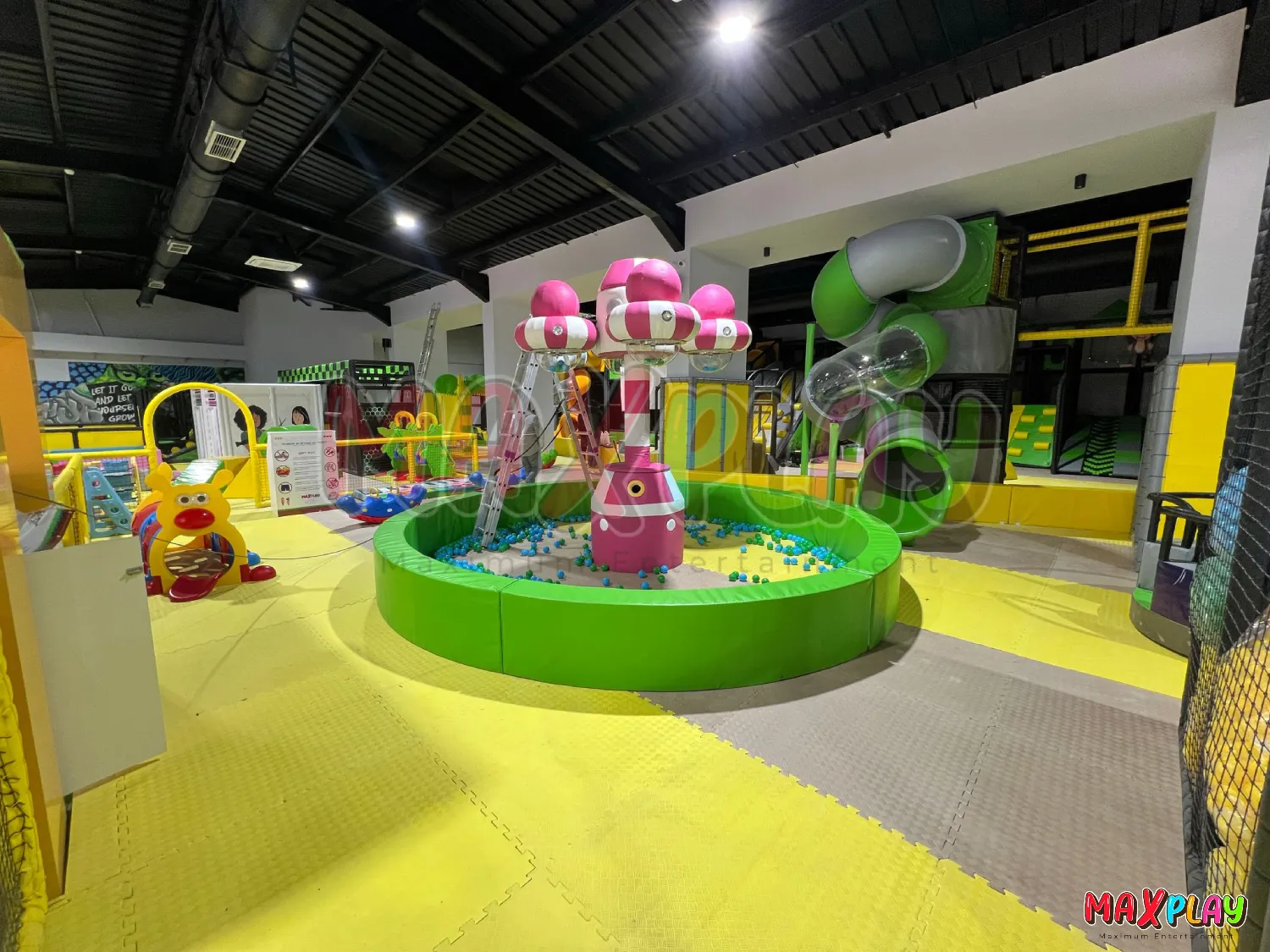
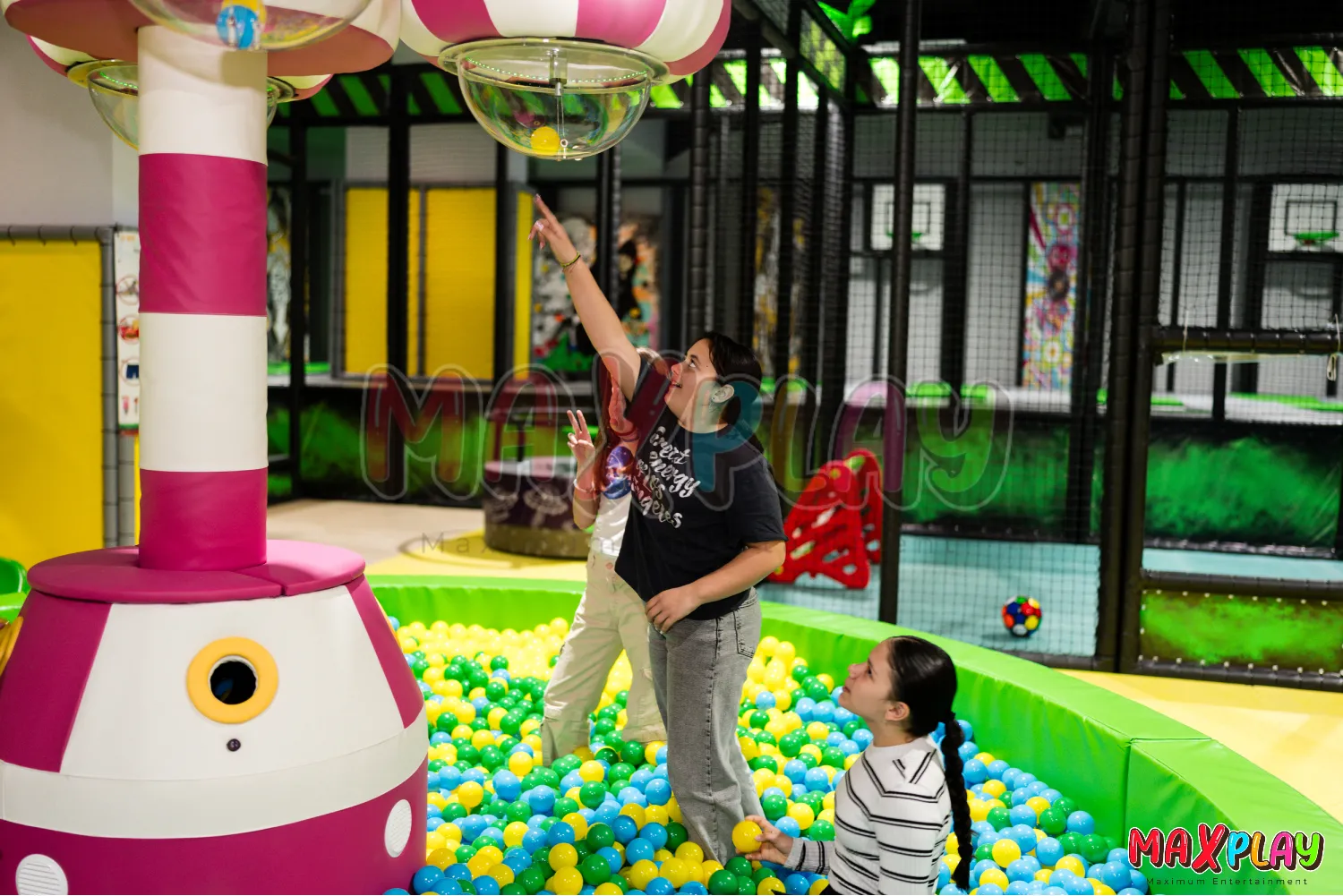
- Interactive Play Systems (Moving Soft Play Toys & Equipment)
- Sand Pit – Sand Play Areas
- Playgrounds and Role-Play Houses for Kindergartens & Nurseries
- Indoor playgrounds for businesses such as shopping malls, cafés, restaurants, etc.
- And all customized playground projects tailored to your specific needs.
For that reason, Commercial Indoor Playsets in Bulgaria should not be approached as generic children’s equipment. In practical terms, they function as a business tool: they can increase footfall in mixed-use environments, support longer family visits, and make smaller retail or hospitality concepts more competitive. In a market where shopping centers and retail parks are under pressure to remain relevant, family-oriented play infrastructure can become a differentiator rather than just an amenity. Regional retail reports also show Bulgaria as an active part of the CEE retail pipeline, which reinforces the case for experience-led formats.
That is why the most effective Commercial Indoor Playsets in Bulgaria projects are the ones that match the business model behind the venue. A compact café corner, a mall-based paid play zone, and a family entertainment center should not buy the same product mix or follow the same layout logic. Investors who work with experienced suppliers, especially manufacturers in Turkey, usually gain a stronger position because they can combine custom production, European-standard compliance, and more efficient cost control in one supply chain. For brands such as MaxPlay, professionalism is not just about manufacturing; it is about guiding the operator from concept logic to installation quality.
Why Bulgaria Favors Measured, ROI-Oriented Playground Investments?
Bulgaria is not a market where exaggerated capex automatically wins. The more realistic path is usually controlled investment with a clear link between layout, family traffic, and revenue generation. This makes indoor playsets attractive for operators who want to strengthen an existing business rather than build a very large destination venue from day one. In such markets, the smarter strategy is not “the biggest playground possible” but “the most commercially efficient play environment possible.”
This is also why scalable concepts work well. A venue can begin with a core play frame, age-zoned elements, and a modest interaction layer, then expand once demand becomes clearer. That staged model is often more suitable for Bulgaria than overbuilding early and carrying unnecessary maintenance or staffing costs. Investors benefit most when they treat play equipment as a structured operating asset rather than a decorative addition.
Turkish production becomes especially relevant here. Compared with many Western sourcing options, Turkey often gives buyers more room to customize without losing budget discipline. For Bulgarian operators, that means they can source a cleaner, more market-fit concept while keeping investment rational. MaxPlay’s value in this type of project would be its ability to combine supplier discipline with project thinking, which is exactly what ROI-sensitive markets usually require.
Why Import Commercial Indoor Playsets from Turkey to Bulgaria? Cost and Quality Advantages
Importing commercial soft play equipment from Turkey has become a strategic choice for Bulgarian investors seeking high-quality solutions at competitive prices. Turkish soft play manufacturers are known for their strong production infrastructure, advanced technology, and adherence to international standards. Compared to local production in Bulgaria, sourcing from Turkey allows businesses to access a broader range of designs, materials, and customization options without compromising on quality.
In addition to affordability, Turkish suppliers offer exceptional durability and safety in their soft playground equipment, thanks to the use of certified, non-toxic materials and precision engineering. When compared to imports from China or other distant markets, Turkish indoor playground supplier companies provide faster delivery times, better communication, and more reliable after-sales support. This combination of cost efficiency and superior quality makes Turkey a preferred partner for Bulgarian businesses aiming to invest in long-lasting and profitable indoor playground solutions.
MaxPlay Playground Equipment Overview
| Equipment Name | Description | Key Benefits |
| Ball Pool | Colorful pit filled with balls for safe sensory play. | Safe fun for toddlers, easy to clean, encourages motor skills. |
| Trampoline | High-quality indoor trampolines. | Builds balance and strength, child-safe design, durable materials. |
| Interactive Game Sets | Digital and physical interactive play stations. | Boosts learning, cognitive skills, and engagement. |
| Profession Houses | Role-play houses designed for kids. | Encourages creativity, social interaction, and imagination. |
| Trampoline Park | Large-scale trampoline structures. | Suitable for older kids, high durability, safe design. |
| Roller Slide | Conveyor-style (roller) slides for continuous fun. | Efficient design, fun motion play, safe structure. |
| Tower Slide | Tower slides designed for adventure play. | Exciting design, strong safety standards, eye-catching feature. |
| Climbing Wall | Indoor climbing walls. | Builds strength and coordination, safe grips, customizable difficulty levels. |
| Volcano Slide | Volcano-shaped slides with climbing and sliding features. | Combines climbing and sliding, unique design, fun for multiple age groups. |
Compliance with EU Safety Standards: Are Turkish Indoor Playgrounds Suitable for Bulgaria?
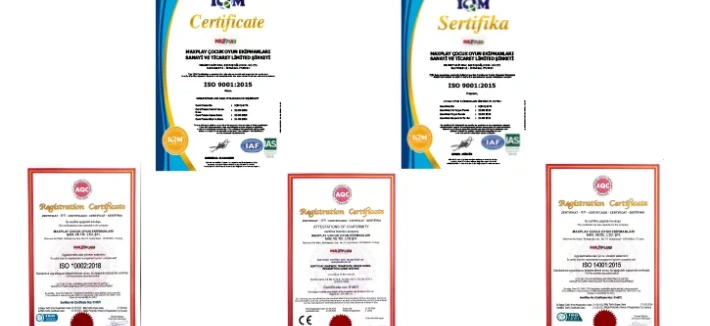
One of the most important considerations for Bulgarian investors is compliance with European safety standards. Turkish indoor playground equipment manufacturers produce equipment that meets strict EU regulations, including EN safety standards for playgrounds. This ensures that all commercial soft play equipment is safe for children, structurally reliable, and manufactured using certified, non-toxic materials suitable for long-term use.
Additionally, reputable Turkish soft play manufacturers conduct rigorous quality control processes at every stage of production. From design and material selection to final assembly, each component of the indoor soft playground equipment is tested to guarantee durability and safety. This commitment to certified production not only ensures compliance but also enhances the reputation of Bulgarian businesses that invest in these high-quality play systems.
The Strongest Demand Does Not Come From One Venue Type Alone
One reason Bulgaria is promising is that demand for indoor play is not limited to one channel. Shopping centers, retail parks, F&B venues, family-focused commercial units, hotels, and private entertainment concepts can all use indoor playsets differently. This widens the commercial relevance of the category and reduces reliance on a single business format.
Retail market evidence supports that broader view. Across Central and Eastern Europe, retail parks continue to expand, and Bulgaria has been one of the more active countries in the development pipeline. At the same time, Colliers notes that Bulgaria’s retail market includes both development and repositioning activity, which means landlords and operators are actively looking for ways to improve destination quality and shopper retention. Family-oriented uses fit naturally into that logic.
For suppliers and brands, this means the sales argument should not be narrow. The right recommendation is not just “buy a playground,” but “choose the configuration that matches your facility’s traffic pattern, revenue model, and supervision capacity.” That is a more professional framing, and it creates a much stronger commercial case.
What Bulgarian Operators Actually Need From a Playset Supplier?
In Bulgaria, the supplier decision should be based on more than catalog variety. Operators need four things at once: design fit, certification confidence, installation accuracy, and dependable pricing. A supplier that cannot support all four will usually create friction later, even if the initial quote looks attractive.
Design fit matters because Bulgarian facilities vary widely in scale and purpose. Some need a compact unit integrated into an existing hospitality layout; others need a more visible centerpiece that can support ticketed usage. Certification matters because all serious operators must think in terms of European safety expectations, especially EN 1176-related compliance for children’s public play environments. Reliable third-party explanations of EN 1176 consistently emphasize safety, structural integrity, and testing as core considerations.
This is where Turkish manufacturers often outperform less flexible competitors. They are used to producing for export markets, adapting dimensions, and building custom solutions without treating every change request as a pricing crisis. For a Bulgarian buyer, that flexibility can make the difference between buying something usable and buying something commercially right.
A Better Layout Strategy: Start With User Flow, Not Just Features
Many weak indoor playground projects make the same mistake: they begin by listing desired features instead of mapping movement. In practice, profitable layouts are usually built around how children circulate, how parents observe, and how staff maintain control. Only after those fundamentals are solved should the equipment mix be finalized.
That principle is especially important in Bulgaria because many operators work within adapted commercial spaces rather than purpose-built playground buildings. Ceiling height, sightlines, entrance positioning, seating adjacency, and fire-route logic all influence the right design. A beautiful unit that damages supervision quality or creates bottlenecks near entry points will underperform no matter how attractive it looks.
Professional suppliers understand this. MaxPlay, for example, should be positioned not simply as a manufacturer but as a partner that can translate business needs into a workable layout. That is a stronger EEAT signal than generic statements about product quality alone because it shows design judgment, not just production capacity.
Why Accessories and Modular Expansion Matter More Than People Think?
In Bulgaria, not every operator wants or needs a full-scale installation from the first phase. This makes modular thinking especially valuable. A good project can begin with a core structure, then later expand through themed add-ons, sensory panels, role-play elements, updated padding systems, or toddler-oriented attachments.
This approach is commercially useful because it spreads capex across stages while keeping the venue fresh. It also helps with retention. Returning customers notice upgrades, even when those upgrades are smaller than a full rebuild. In practical terms, that means operators can maintain interest and perceived novelty without constant major reinvestment.
Turkish manufacturers are usually well suited to this type of staged growth because they are accustomed to producing modular systems and matching future additions to an existing concept. That gives operators in Bulgaria more flexibility and reduces the risk of being locked into a rigid first decision.
Compliance, Safety, and Durability Are Part of the Sales Story
For serious commercial buyers, safety is not a technical footnote; it is part of the brand promise. Bulgarian operators who want repeat family traffic need environments that look trustworthy and perform consistently. That means certified materials, impact-conscious construction, stable connection systems, and installation that reflects European expectations.
The broader retail and leisure market also rewards this. As spending on recreation-related categories grows, customer expectations rise with it. Parents do not evaluate indoor play areas only by color and excitement; they also evaluate perceived cleanliness, safety, supervision, and build quality.
This is another reason Turkey remains strategically important. The strongest Turkish suppliers do not compete only on price; they compete on the ability to offer commercially viable builds that still meet the standard expected in EU-facing markets. That is the type of positioning a company like MaxPlay should emphasize in Bulgaria.
Turkey’s Advantage Is Not “Cheap Production” — It Is Smarter Production
A weak sales message would reduce Turkey to a low-cost alternative. A stronger and more credible message is that Turkey offers an unusually effective balance of customization, manufacturing responsiveness, and budget control. That framing is more professional and more believable to serious buyers.
For Bulgarian businesses, that matters because investment decisions are rarely made on price alone. Operators are comparing lead times, redesign flexibility, packaging, shipping practicality, after-sales responsiveness, and whether the supplier can adapt to non-standard spaces. Turkish partners often score well across that full matrix, which is why they remain attractive even when buyers are not looking for the cheapest option.
MaxPlay should therefore be presented as a professional Turkish partner that combines design discipline with execution reliability. That is a much better market narrative than repeating generic statements about affordability.
Recommendations for Bulgarian Buyers Before They Place an Order
The first recommendation is to define the real business objective. Is the playset meant to increase dwell time, generate ticket income, improve family appeal, support F&B revenue, or strengthen a mall leasing proposition? The answer changes what should be purchased.
The second recommendation is to buy according to lifecycle, not just quotation. Lower initial pricing can become more expensive if the materials degrade quickly, if the layout causes staffing inefficiency, or if the equipment cannot be expanded later. Buyers should ask whether the concept can grow, whether certification is clearly documented, and whether installation support is structured.
The third recommendation is to choose a supplier that can speak both commercially and technically. That is where a professional company like MaxPlay can stand out: not by pushing a standard product, but by showing that it understands how Bulgarian operators actually make money and how indoor playsets should be adapted to that reality.
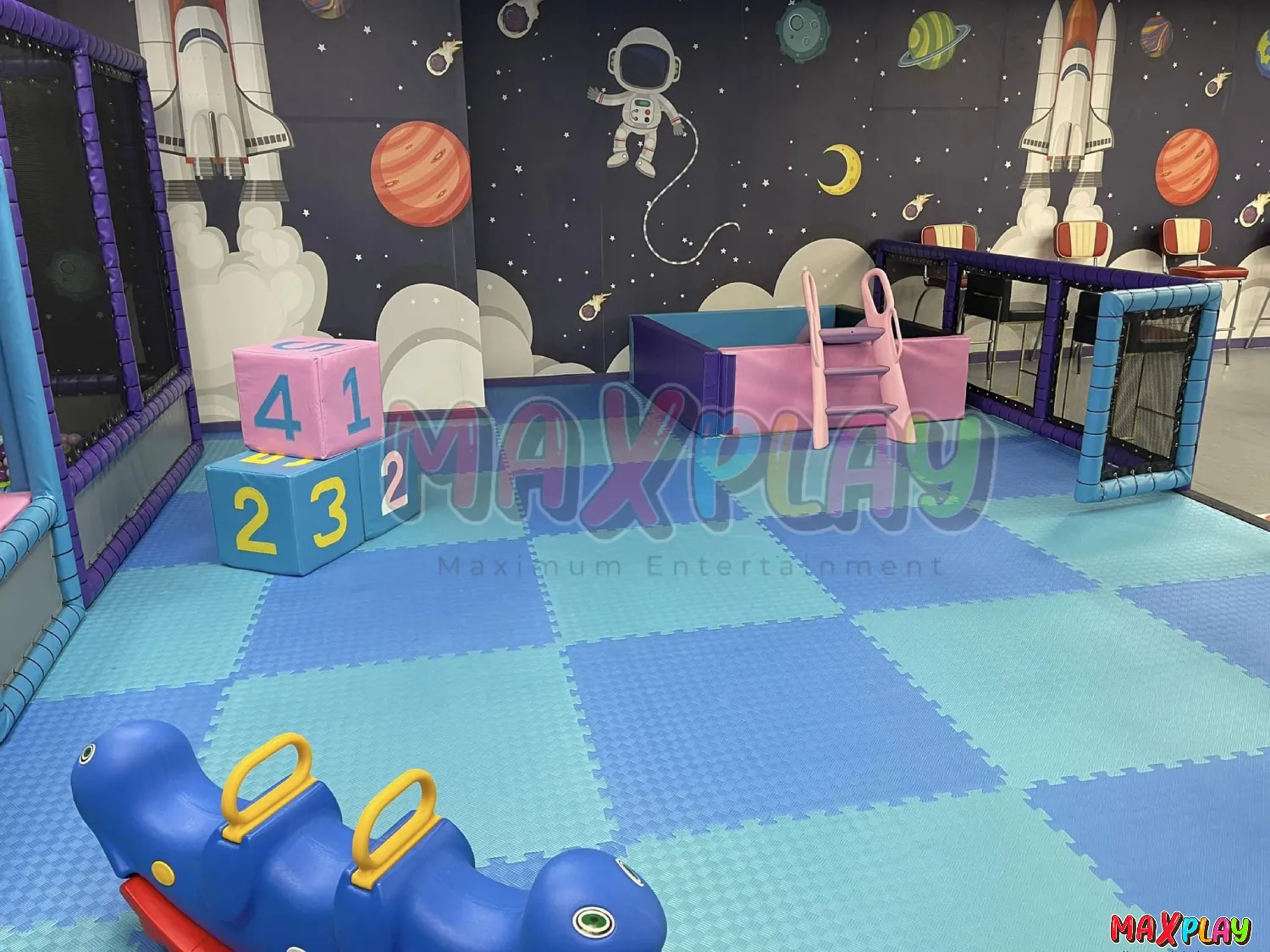
A More Strategic Role for MaxPlay in the Bulgarian Market
For Bulgaria, MaxPlay should be positioned as more than a manufacturer or exporter. The stronger positioning is as a project partner for commercial indoor play environments. That means concept guidance, sensible product selection, installation coordination, and scalable planning.
This matters because the Bulgarian market is not best served by generic catalog selling. It is better served by suppliers who understand mixed-use retail, family traffic, staged investment, and the operational difference between a hospitality play corner and a paid leisure unit. A professional supplier earns trust by reducing uncertainty, not by offering the longest product list.
In that sense, Commercial Indoor Playsets in Bulgaria are not simply a product category. They are part of a wider business development strategy for venues that want stronger family appeal, better retention, and more resilient revenue. With the right structure, Turkey’s production advantages and MaxPlay’s project professionalism can become a highly competitive combination in this market.