





Indoor Playground Factories in Sweden: Production Standards and Capacity
The demand for indoor recreational facilities continues to expand across Sweden as families increasingly seek year-round entertainment options that are not dependent on weather conditions. Within the Scandinavian leisure market, indoor playgrounds have become a key component of family entertainment centres, shopping centres, hotels, and mixed-use leisure developments. As operators search for reliable suppliers, understanding how production standards, manufacturing capacity, safety compliance, and project management influence long-term success has become more important than ever.
As MaxPlay Playground Equipment, we provide professional solutions for indoor playgrounds and soft play areas. We design, manufacture, install, and assemble indoor playground equipment and soft play systems for commercial spaces. Contact us for turnkey indoor playground projects.
| Landline: | 0216 377 10 88 |
| Mobile / WhatsApp: | 0532 069 53 17 |
| E-Mail: | info@maxplay.com.tr |
| Address: | Google Maps |
You can contact us for all your projects across Türkiye and international markets.
Our Services:
- Trampoline Manufacturing – Trampoline Park Installation
- Ball Pit Manufacturing – Ball Pit Playground Installations (with slides, etc.)
- Interactive Play Systems (Moving Soft Play Toys & Equipment)
- Sand Pit – Sand Play Areas
- Playgrounds and Role-Play Houses for Kindergartens & Nurseries
- Indoor playgrounds for businesses such as shopping malls, cafés, restaurants, etc.
- And all customized playground projects tailored to your specific needs.
When evaluating Indoor Playground Factories in Sweden, investors often focus on visible attractions and design concepts. However, the most successful projects are typically built on less visible foundations such as engineering quality, material durability, safety certifications, and efficient production planning. These factors directly impact operating costs, visitor satisfaction, maintenance requirements, and the overall lifespan of the facility.
In practical applications, one of the most common challenges operators encounter is selecting equipment based solely on initial pricing rather than total project value. A professionally engineered playground system may require a higher initial investment, but it often provides significantly lower maintenance costs, greater operational reliability, and stronger customer retention over time.
What Should Businesses Know Before Starting an Indoor Playground Project in Europe?
Launching an indoor playground project requires more than purchasing play equipment. Operators must first understand local demographics, visitor expectations, available floor space, target age groups, and long-term business objectives. In Sweden, where weather conditions encourage indoor leisure activities throughout much of the year, projects often benefit from a diverse attraction mix designed to serve multiple age categories simultaneously.
Real-world project experience shows that successful facilities begin with detailed feasibility studies and traffic-flow planning. The most effective venues are designed to encourage longer visitor stays while maintaining clear supervision lines for parents and staff. Family entertainment centres that carefully balance active play, social areas, and food service zones generally achieve stronger customer engagement.
A common mistake is underestimating future expansion needs. Businesses should consider how their facility can evolve over time, allowing additional attractions or upgraded activity zones to be integrated without requiring extensive structural modifications.
How Much Space Is Needed for a Commercial Indoor Playground?
The ideal space requirement varies according to business goals, target audience, and attraction selection. Smaller commercial play environments may operate successfully within 300–500 square metres, while larger family entertainment centres frequently exceed several thousand square metres. The available footprint influences attraction diversity, visitor capacity, and revenue opportunities.
Facilities incorporating a modern indoor play set often benefit from vertical space utilisation through multi-level structures. By expanding upward rather than outward, operators can maximize play value while maintaining efficient use of floor space. This approach is particularly effective in urban locations where rental costs are high and available square footage may be limited.
In actual operations, visitor circulation patterns are just as important as total floor area. Poorly planned layouts can create congestion around popular attractions, reduce user satisfaction, and limit revenue generation opportunities. Effective zoning strategies help distribute visitor traffic evenly throughout the facility.
Which Turkish Soft Play Equipment Is Most Popular in Europe?
European buyers increasingly seek attraction combinations that provide broad age appeal and high visitor engagement. Multi-level soft play systems, climbing structures, obstacle courses, role-play zones, sensory activities, and interactive experiences remain among the most requested solutions.
Among leading soft play manufacturers, the most successful product ranges are those that combine entertainment value with operational efficiency. Modular systems allow operators to adapt layouts to changing visitor preferences while simplifying future upgrades and maintenance procedures.
From a practical perspective, facilities that integrate multiple play styles often outperform venues that rely on a single attraction type. Parents increasingly value destinations that can entertain children of different ages within one cohesive environment, making diversified play offerings a strategic investment.
MaxPlay Playground Equipment Overview
| Equipment Name | Description | Key Benefits |
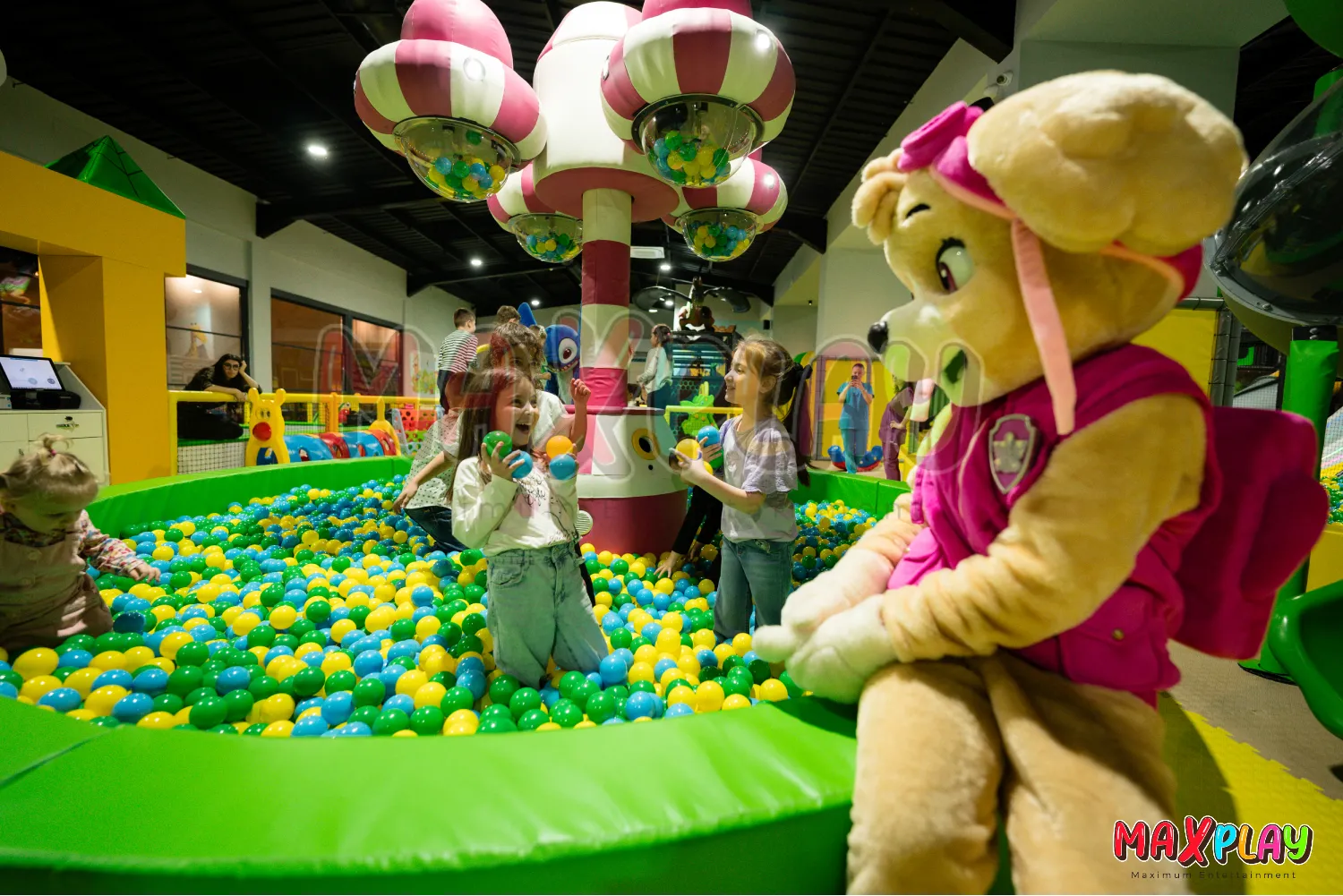
| Ball Pool | Colorful pit filled with balls for safe sensory play. | Safe fun for toddlers, easy to clean, encourages motor skills. |
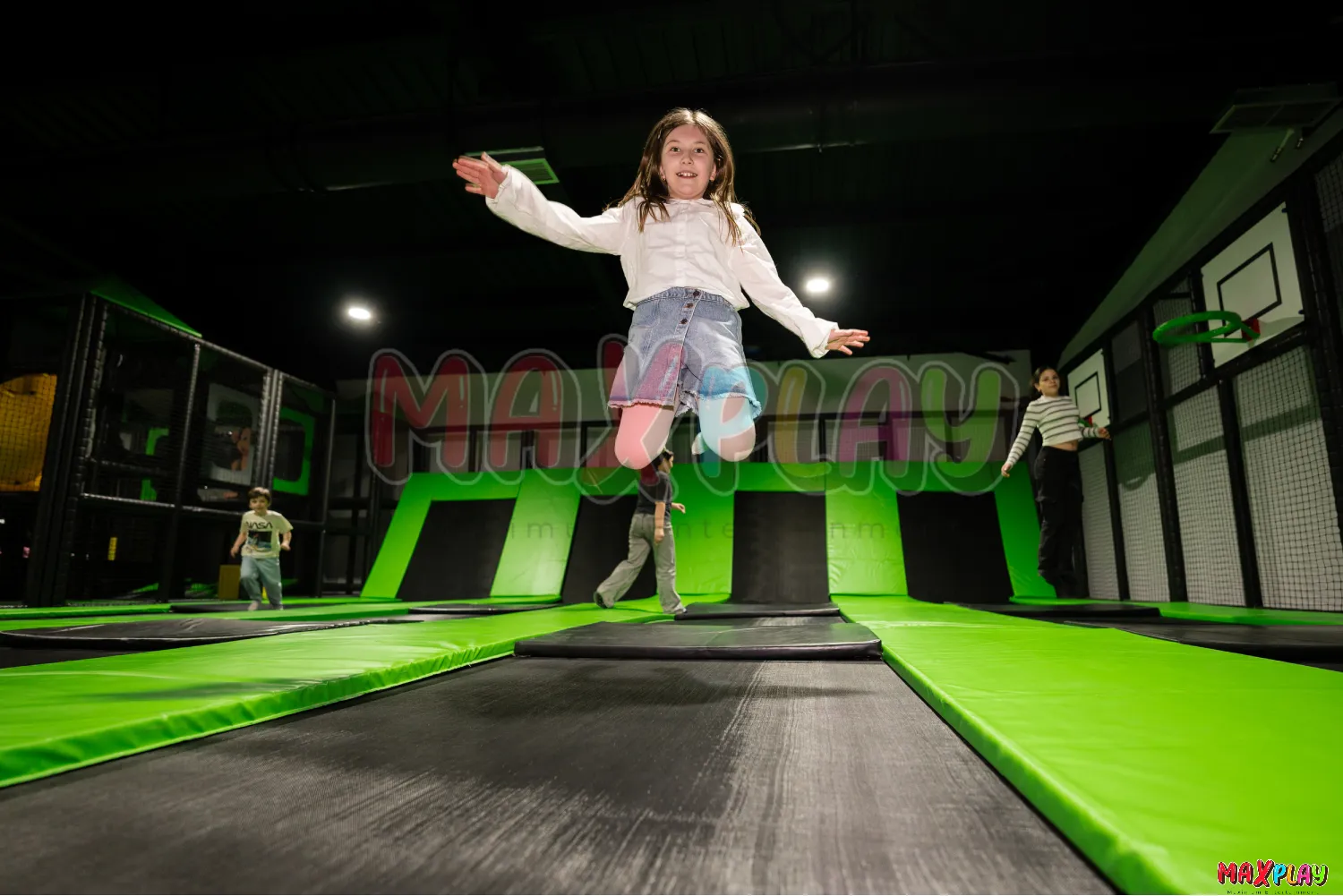
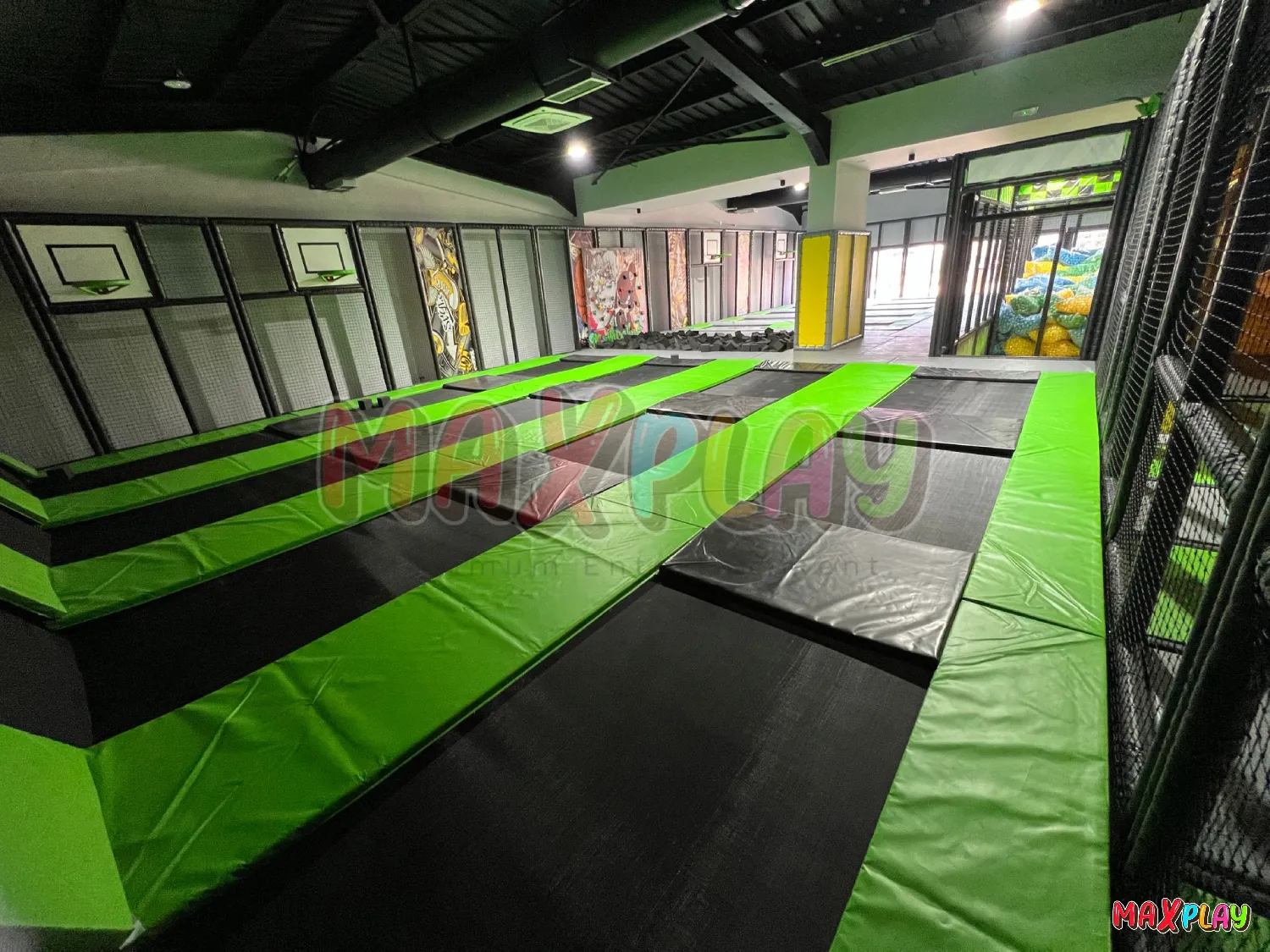
| Trampoline | High-quality indoor trampolines. | Builds balance and strength, child-safe design, durable materials. |
| Interactive Game Sets | Digital and physical interactive play stations. | Boosts learning, cognitive skills, and engagement. |
| Profession Houses | Role-play houses designed for kids. | Encourages creativity, social interaction, and imagination. |
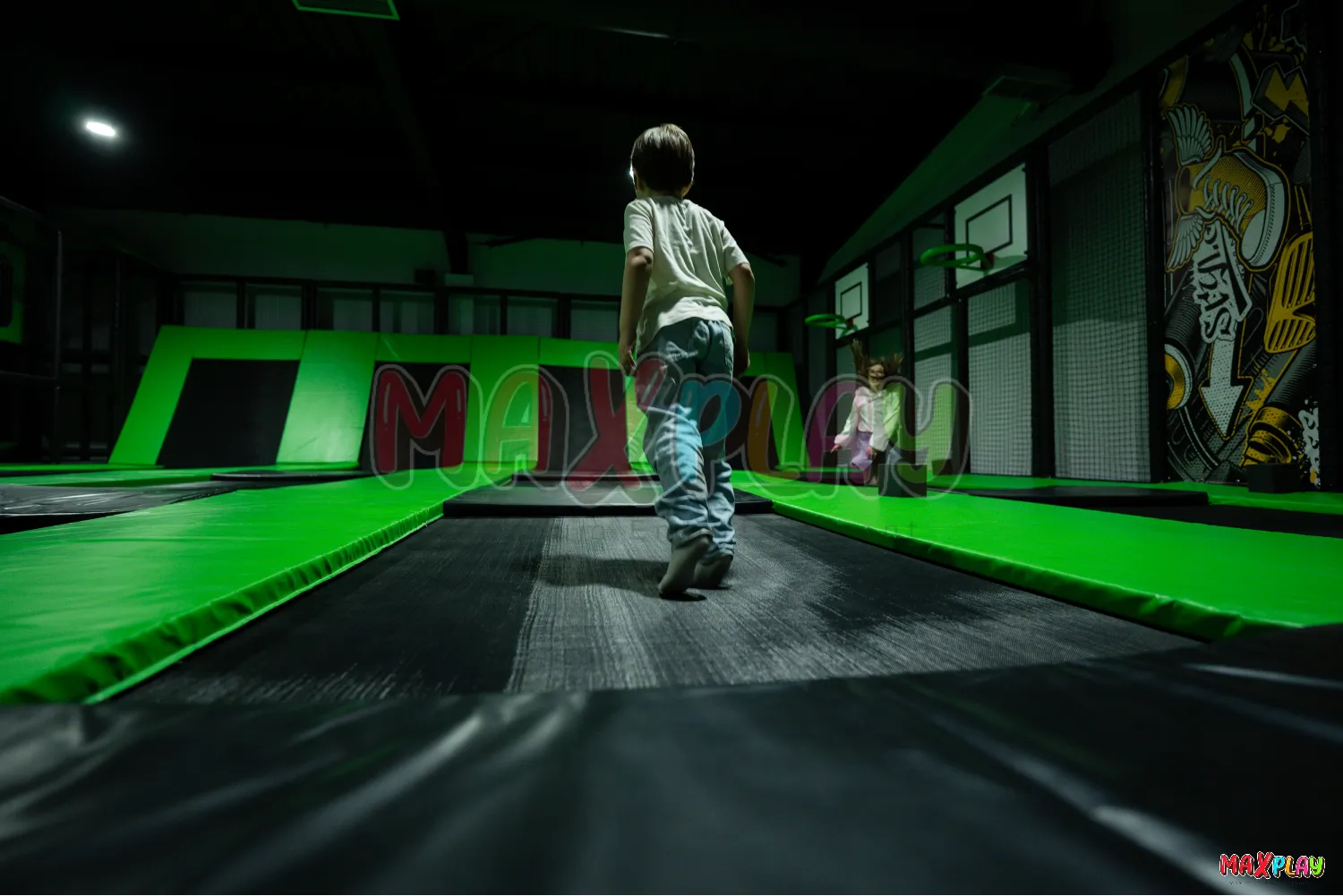
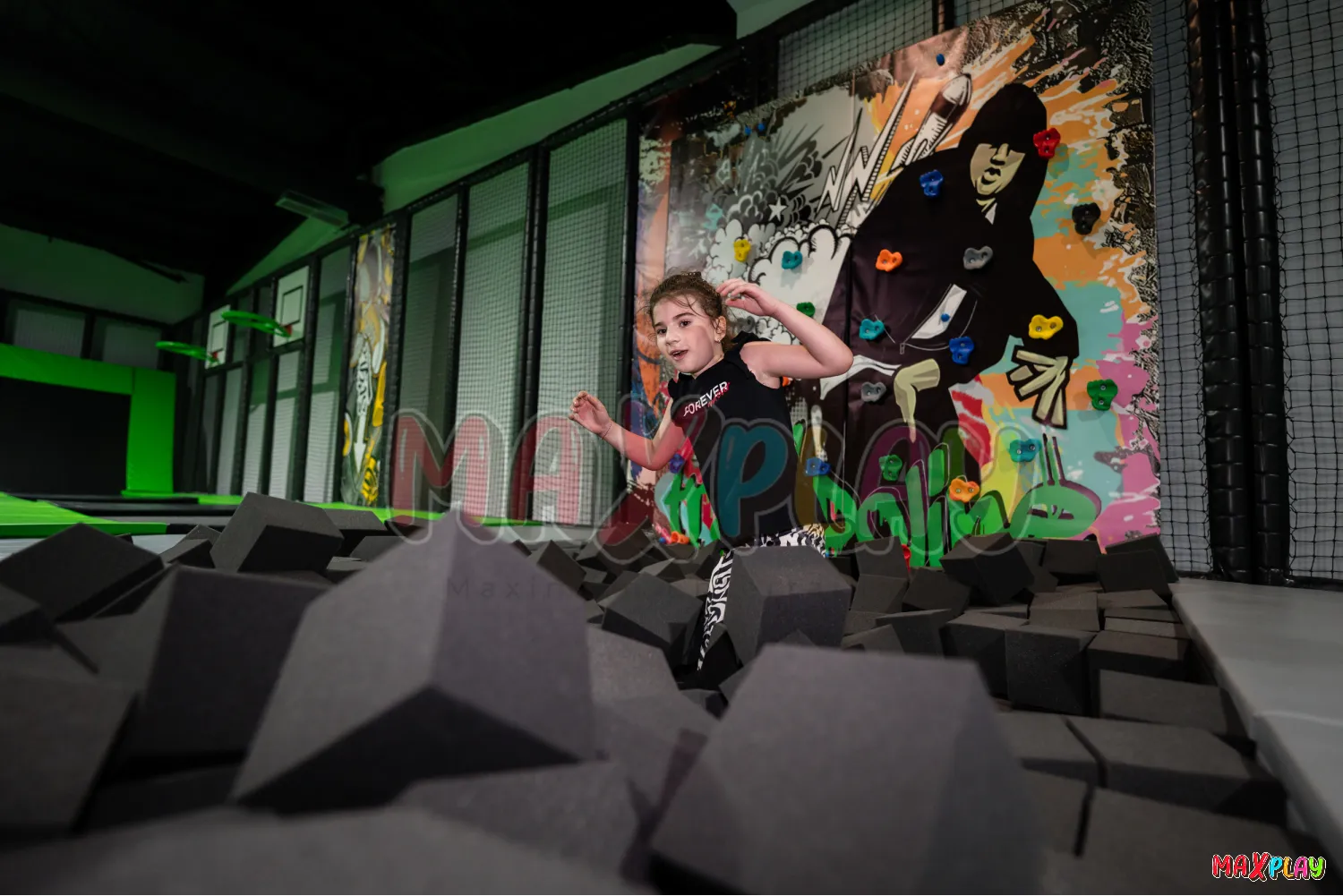
| Trampoline Park | Large-scale trampoline structures. | Suitable for older kids, high durability, safe design. |
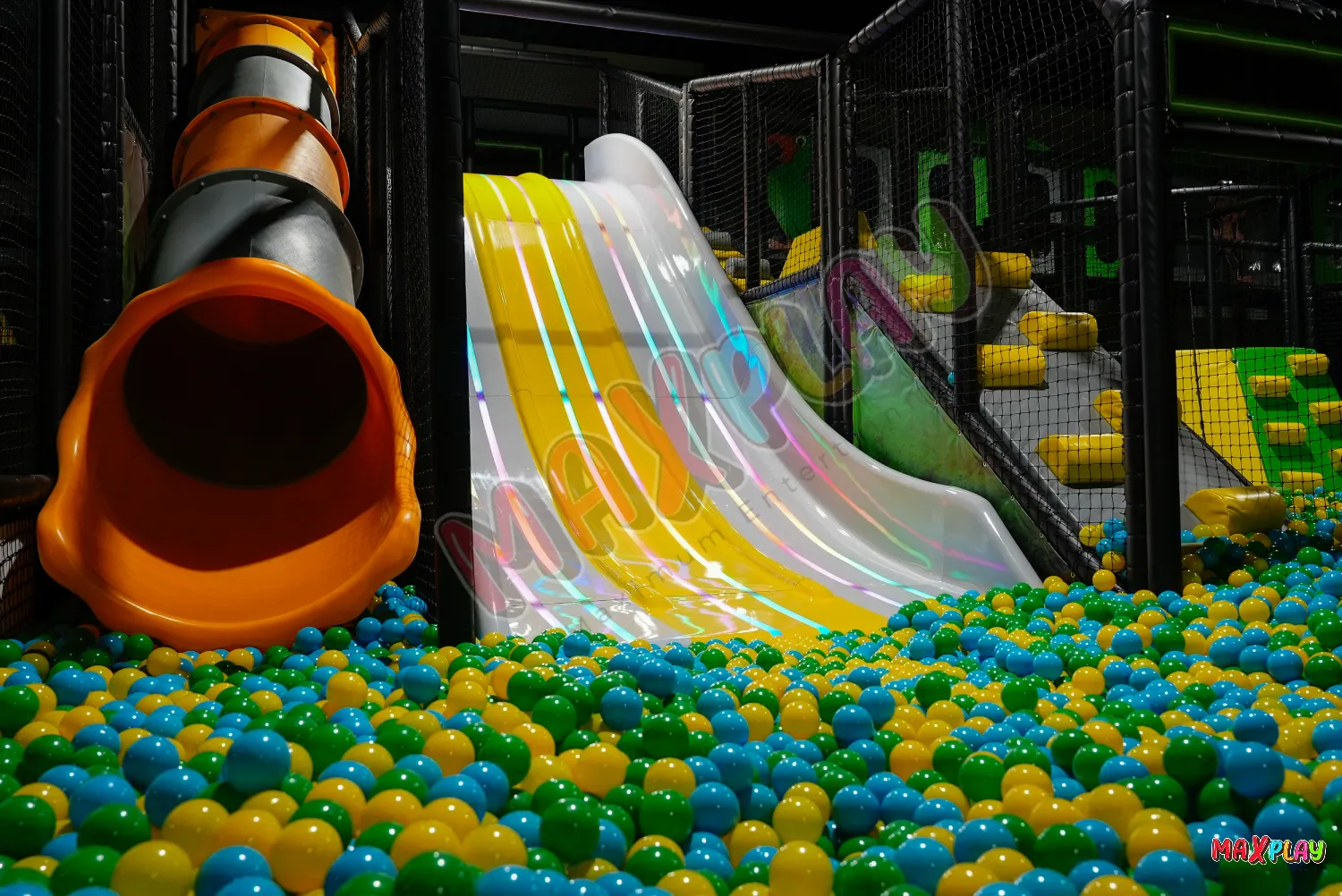
| Roller Slide | Conveyor-style (roller) slides for continuous fun. | Efficient design, fun motion play, safe structure. |
| Tower Slide | Tower slides designed for adventure play. | Exciting design, strong safety standards, eye-catching feature. |
| Climbing Wall | Indoor climbing walls. | Builds strength and coordination, safe grips, customizable difficulty levels. |
| Volcano Slide | Volcano-shaped slides with climbing and sliding features. | Combines climbing and sliding, unique design, fun for multiple age groups. |
Understanding the Growing Demand for Indoor Playgrounds in Sweden
The Swedish indoor recreation industry has experienced consistent growth due to changing consumer behaviour, urban development trends, and increasing interest in active family entertainment. Families seek safe, weather-independent leisure options that encourage physical activity while providing social experiences.
Children’s activity facilities are no longer viewed solely as playgrounds. They increasingly function as community gathering spaces, birthday destinations, educational environments, and family-focused leisure venues. This evolution has created new opportunities for operators capable of delivering high-quality visitor experiences.
One frequently observed trend is the rising demand for immersive themed environments. Rather than generic play structures, visitors are increasingly attracted to storytelling concepts, adventure themes, and interactive elements that create memorable experiences and encourage repeat visits.
What Production Standards Matter Most When Purchasing Indoor Play Equipment?
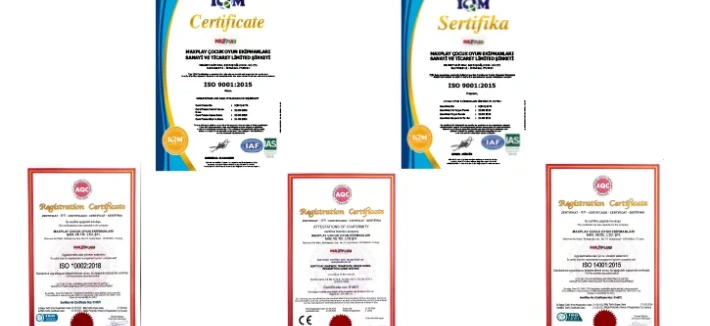
Safety remains the foundation of every successful indoor playground project. European buyers place significant emphasis on EN 1176 compliance, certified manufacturing systems, child safety engineering, and rigorous quality assurance processes. These standards help ensure that equipment performs consistently under heavy daily usage.
Leading indoor playground equipment manufacturers implement comprehensive testing procedures throughout production. Structural components, connection systems, protective padding, netting materials, and impact-absorbing surfaces are evaluated to meet strict performance requirements before installation begins.
In real-world operations, equipment durability often becomes as important as safety certification itself. Facilities experiencing high visitor volumes require products capable of maintaining structural integrity and visual appeal even after years of intensive use.
How Modern Playground Manufacturers Scale Capacity for Large Commercial Projects?
Large-scale commercial projects require manufacturing systems capable of handling substantial production volumes without compromising quality. High-volume production facilities typically employ advanced engineering workflows, digital project management systems, and specialized fabrication processes to maintain consistency.
An experienced soft play equipment wholesale supplier understands that scaling production involves more than increasing output. Efficient lead time management, coordinated logistics planning, and project-based manufacturing methodologies are equally important for maintaining delivery reliability.
One practical lesson from international projects is that manufacturing capacity should always be evaluated alongside project management capability. Production delays often originate from communication breakdowns rather than fabrication limitations, making supplier coordination a critical factor.
Why Many Swedish Investors Source Indoor Playgrounds from Turkey?
Turkey has become a major production hub for commercial playground equipment due to its combination of engineering expertise, competitive manufacturing costs, and strategic geographic location. Export-focused factories routinely serve European clients while maintaining compliance with international standards.
Modern indoor soft playground equipment produced in Turkey frequently competes successfully with alternatives from China and other global manufacturing regions. Buyers often benefit from stronger communication, shorter transportation routes, and more flexible customization options.
One significant advantage is logistics efficiency. Turkish manufacturers can often deliver projects to Sweden and other European destinations considerably faster than many Asian suppliers. This reduced lead time can accelerate project openings and improve investment returns.
Popular Indoor Playground Concepts for Shopping Centres, Hotels and Family Entertainment Venues
Modern indoor playgrounds increasingly blend physical activity with immersive experiences. Soft play structures, adventure playground concepts, climbing attractions, themed environments, and multi-activity play zones all contribute to stronger visitor engagement.
The integration of interactive playground equipment has become particularly important in attracting digitally engaged generations. Motion-based games, projection systems, interactive walls, and technology-enhanced play experiences provide additional entertainment layers while encouraging active participation.
From an operational standpoint, attraction diversity is one of the strongest predictors of repeat visitation. Facilities that regularly provide new challenges and varied experiences often achieve stronger customer loyalty than venues with more limited activity offerings.
Custom Design Opportunities for Indoor Play Projects in Sweden
Custom design allows operators to differentiate themselves within competitive entertainment markets. Bespoke playground engineering can align attraction layouts with brand identity, architectural constraints, and specific business objectives.
An experienced indoor playground supplier typically begins with detailed site analysis and visitor-flow assessments before developing customized concepts. This process helps ensure that every square metre contributes to operational efficiency and user engagement.
One of the most common mistakes in custom projects is prioritizing aesthetics over functionality. The most successful designs achieve a balance between visual impact, safety, maintenance efficiency, and long-term commercial performance.
Material Selection and Durability Requirements for Nordic Indoor Play Facilities
Nordic facilities often experience significant seasonal visitor fluctuations, requiring equipment capable of handling periods of intensive use. Material selection therefore plays a critical role in long-term operational success.
Premium steel structures, reinforced connectors, commercial-grade PVC coverings, high-density foam protection systems, and wear-resistant components contribute to reliable performance. High-traffic play equipment must be designed to maintain structural integrity while remaining visually appealing over extended periods.
Projects incorporating ball pool attractions require particular attention to hygiene, maintenance accessibility, and material durability. Proper engineering helps simplify cleaning procedures while maintaining a safe and enjoyable user experience.
Turnkey Playground Development from Design to Installation
Many investors prefer turnkey project delivery because it simplifies coordination and reduces implementation risks. Turnkey indoor playground solutions typically include concept development, engineering, manufacturing, logistics, installation, and after-sales support.
For facilities incorporating trampoline park equipment, early-stage planning is especially important. Structural requirements, safety zones, operational workflows, and maintenance considerations must all be integrated into the design process from the beginning.
In practice, turnkey delivery often provides greater cost predictability and shorter implementation timelines. Centralized project management reduces communication gaps and allows operators to focus on business development rather than supplier coordination.
Evaluating Factory Capacity Before Selecting an Indoor Playground Supplier
Assessing manufacturing capability involves more than reviewing a supplier’s catalogue. Buyers should examine engineering resources, export experience, production lead times, quality control systems, and project management structures.
A reputable trampoline park manufacturer will typically provide evidence of previous commercial installations, engineering documentation, production procedures, and compliance certifications. These factors offer valuable insight into long-term reliability and supplier competence.
When evaluating factories, it is also important to assess after-sales support capabilities. Fast spare-part availability, technical assistance, and ongoing maintenance guidance often become critical factors once operations begin.
Revenue-Oriented Play Area Planning for Swedish Entertainment Businesses
Successful playground projects are ultimately business investments. Revenue generation depends on creating environments that encourage repeat visits, longer dwell times, and positive customer experiences.
Facilities designed around a comprehensive indoor playground business model often integrate multiple revenue streams including admissions, memberships, birthday parties, food services, educational programs, and special events. This diversification helps improve profitability while reducing dependence on a single income source.
Real-world operational experience consistently demonstrates that customer retention features frequently deliver stronger returns than constant customer acquisition efforts. Well-designed environments encourage families to return repeatedly, creating sustainable long-term growth.
Export Experience and International Project Management in the Playground Industry
International playground projects require expertise extending beyond manufacturing. Successful suppliers must coordinate logistics, customs procedures, installation planning, and cross-border communication while maintaining project timelines.
European playground projects often involve multiple stakeholders including architects, developers, contractors, operators, and regulatory authorities. Effective project management ensures these parties remain aligned throughout the development process.
One of the most overlooked aspects of international delivery is installation coordination. Even high-quality equipment can encounter operational challenges if assembly procedures, training, and commissioning processes are not managed correctly.
Why MaxPlay Is a Preferred Manufacturing Partner for Indoor Playground Projects?
MaxPlay combines design expertise, engineering capability, manufacturing experience, and international project management under one integrated structure. The company develops commercial indoor playground systems for shopping centres, family entertainment centres, hotels, restaurants, childcare facilities, and large-scale leisure developments throughout international markets.
As one of the experienced indoor playground equipment manufacturers serving Europe, MaxPlay provides customized soft play structures, climbing attractions, trampoline areas, themed environments, interactive play concepts, ball pits, and complete family entertainment solutions. Every project is supported through planning, engineering, production, logistics, installation, and after-sales service to ensure long-term operational success.
For investors seeking certified production, premium-quality materials, health-safe manufacturing processes, competitive pricing, and rapid European delivery, MaxPlay offers a compelling alternative to suppliers from China and other global markets. Free project planning is available for qualified commercial developments. Contact the MaxPlay team today to discuss your concept, request a customized proposal, and begin building a high-performance entertainment destination designed for long-term profitability.