





Setting Up a Soft Play Centre in Belgium: Compliance and Safety Tips
Setting Up a Soft Play Centre in Belgium requires more than selecting attractive equipment and finding a suitable building. A commercially successful venue must combine safe engineering, realistic capacity planning, efficient supervision, reliable operating procedures and a play concept that encourages families to return. The earliest decisions—ceiling height, emergency access, structural loading, age segmentation and circulation—often determine whether the finished facility operates smoothly or becomes expensive to modify.
As MaxPlay Playground Equipment, we provide professional solutions for indoor playgrounds and soft play areas. We design, manufacture, install, and assemble indoor playground equipment and soft play systems for commercial spaces. Contact us for turnkey indoor playground projects.
| Landline: | 0216 377 10 88 |
| Mobile / WhatsApp: | 0532 069 53 17 |
| E-Mail: | info@maxplay.com.tr |
| Address: | Google Maps |
You can contact us for all your projects across Türkiye and international markets.
Our Services:
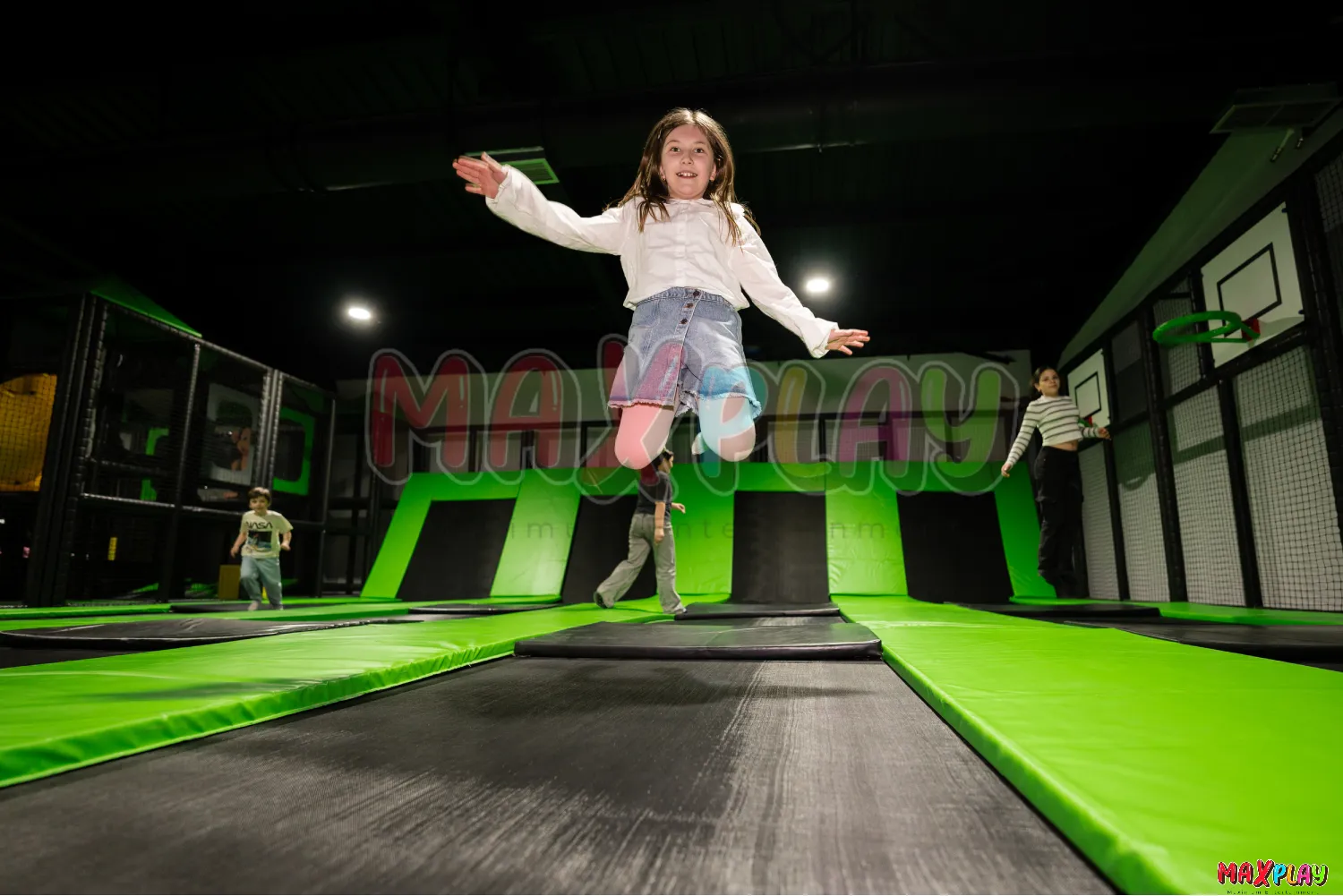
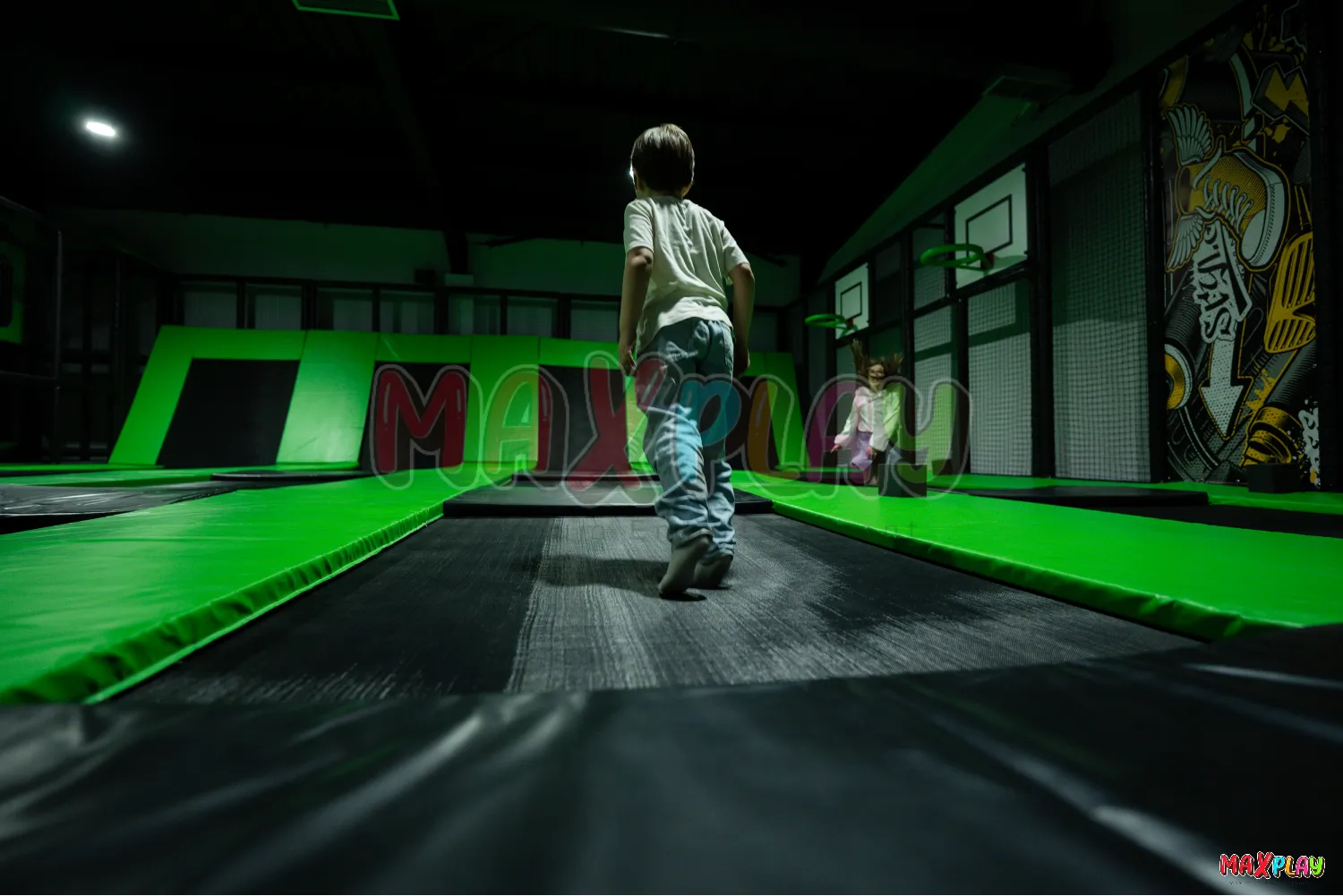
- Trampoline Manufacturing – Trampoline Park Installation
- Ball Pit Manufacturing – Ball Pit Playground Installations (with slides, etc.)
- Interactive Play Systems (Moving Soft Play Toys & Equipment)
- Sand Pit – Sand Play Areas
- Playgrounds and Role-Play Houses for Kindergartens & Nurseries
- Indoor playgrounds for businesses such as shopping malls, cafés, restaurants, etc.
- And all customized playground projects tailored to your specific needs.
In practice, the most successful projects begin with a measured site plan rather than a catalogue-based equipment selection. Every column, ventilation duct, fire exit, window, utility connection and restricted zone should be mapped before the first indoor play set is designed. This allows the playground manufacturer, local consultants and venue operator to coordinate the project around the actual building instead of forcing a standard structure into an unsuitable space.
A Belgian investor should also distinguish equipment compliance from complete venue compliance. Certified play structures are essential, but the business must also address building use, fire safety, accessibility, insurance, hygiene, food-service obligations where applicable and municipal operating conditions. These requirements can vary according to the region, municipality, building and commercial model, so local authorities and qualified specialists should be consulted before production begins.
Understanding Belgian Safety Regulations for Indoor Play Facilities
A professional review of Belgium indoor playground regulations should begin at the property-selection stage. A building that appears spacious may still be unsuitable because of limited emergency access, inadequate sanitary facilities, insufficient ventilation or restrictions on its authorised commercial use. Before signing a long-term lease, investors should verify planning permission, fire-safety expectations, accessibility requirements, occupancy limits and any regional or municipal conditions affecting the proposed activity.
The practical foundation of children’s play facility compliance is a documented risk-management process. This should cover foreseeable misuse, fall zones, entrapment risks, access control, supervision, evacuation, cleaning, maintenance and incident reporting. The applicable amusement safety requirements and public indoor recreation standards should not be treated as paperwork completed after installation. They should influence platform heights, slide exits, netting, padding, visibility and the separation of incompatible activities from the design stage onward.
One of the situations most frequently encountered in practice is an investor focusing on the equipment certificate while overlooking the operating environment. Commercial play venue licensing may involve several authorities or technical assessments depending on the project. For that reason, drawings, material information, equipment specifications, inspection records and installation documentation should be organised in a project file. Local requirements must be confirmed for each site rather than assumed from another Belgian facility.
Designing a Family Entertainment Space That Meets European Expectations
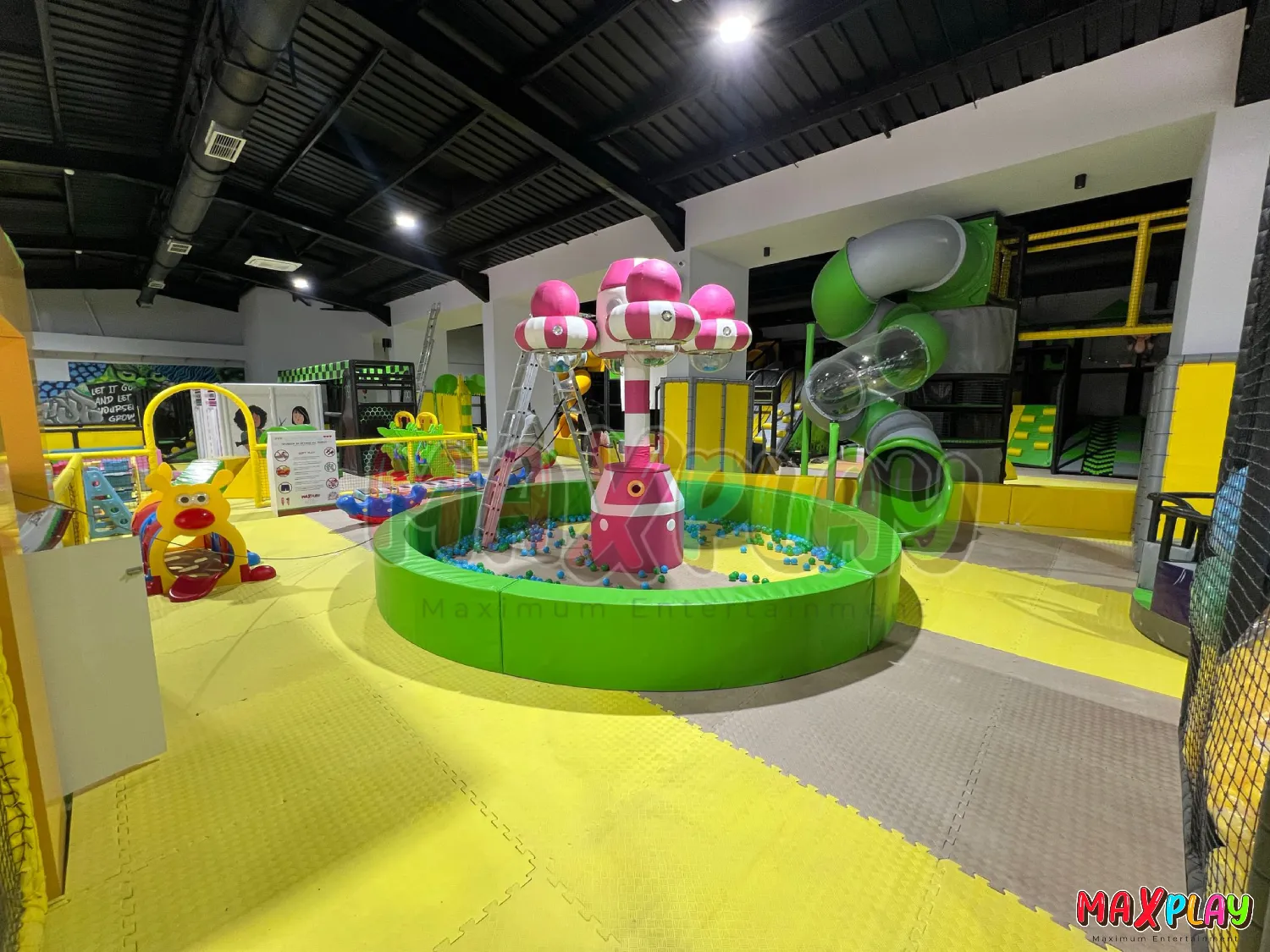
Effective family entertainment centre design balances children’s movement with adult comfort and operational control. The play structure may be the visual centrepiece, but reception, footwear storage, buggy parking, café seating, party rooms, toilets and staff circulation determine how convenient the venue feels. Parents should be able to supervise without repeatedly standing up, while employees need clear routes for cleaning, assistance and emergency response.
Professional indoor recreation planning starts by mapping the customer journey from entrance to exit. Registration should not block the doorway, shoe-changing areas should not interfere with café traffic, and birthday groups should be guided to dedicated rooms without crossing active play exits. Good visitor flow optimisation reduces congestion, shortens waiting times and makes supervision easier during peak periods. It also helps the operator use the same floor area more efficiently.
In real operation, one of the most important considerations is the relationship between children’s activity zones and parent-friendly layouts. A toddler should not need to cross a fast-moving older-child zone to reach age-appropriate equipment. Likewise, parents should have sightlines toward entrances, toddler areas and major play exits. This zoning approach is especially valuable for urban Belgian venues where floor area is limited and every square metre must support safety, comfort or revenue.
Choosing EN1176-Certified Soft Play Equipment for Long-Term Operation
The current Belgian adoption of EN 1176-1 specifies general safety requirements for permanently installed public playground equipment and surfacing, while other parts address particular equipment categories. The standard is intended to protect children from hazards they may not reasonably foresee while preserving the developmental value of play. Selecting EN1176 certified equipment therefore supports a more structured approach to design, manufacturing and risk evaluation.
However, European playground standards should be interpreted in relation to the complete project. Platform access, fall protection, openings, protrusions, head and neck entrapment, slide geometry, impact areas and maintenance access must work together. High-quality commercial soft play systems combine engineered steel frames, safety netting, impact-reducing foam, securely fixed coverings and carefully planned transitions between activities.
In practical use, buyers should ask what the certification or conformity documentation covers. A generic component certificate is not the same as project-specific engineering and correct installation. Professional certified playground manufacturing should be supported by technical drawings, material specifications and an installation process that respects the approved design. The use of impact-absorbing materials is important, but foam thickness alone does not guarantee safety; density, placement, attachment and long-term resistance to compression also matter.
Which Indoor Play Structures Are Most Popular in Belgium?
Belgian family venues generally benefit from combining active, imaginative and age-specific experiences. Multi-level play structures use vertical space efficiently and can include crawl tunnels, obstacles, viewing platforms and varied routes. For younger users, separated toddler play areas should offer lower heights, softer forms and activities that match early motor development. Separation also protects small children from older users moving at greater speed.
For school-age children, climbing challenges, interactive play features and ninja courses provide stronger repeat-visit value than a structure based only on tunnels and slides. Children return when they can improve a skill, try a different route or compete informally with friends. Interactive targets, ball games and motion-based activities can also distribute users across the venue instead of concentrating everyone around one attraction.
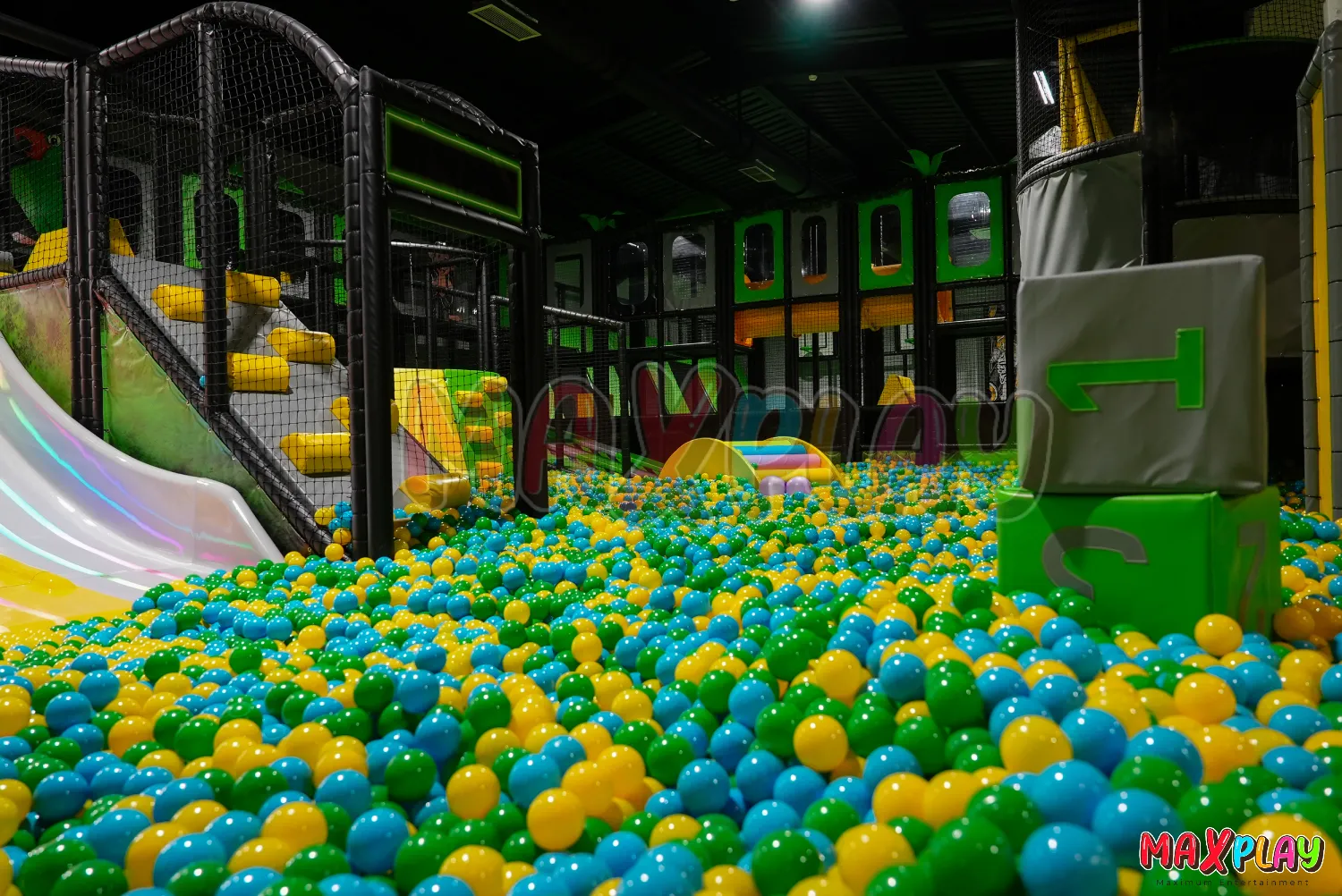
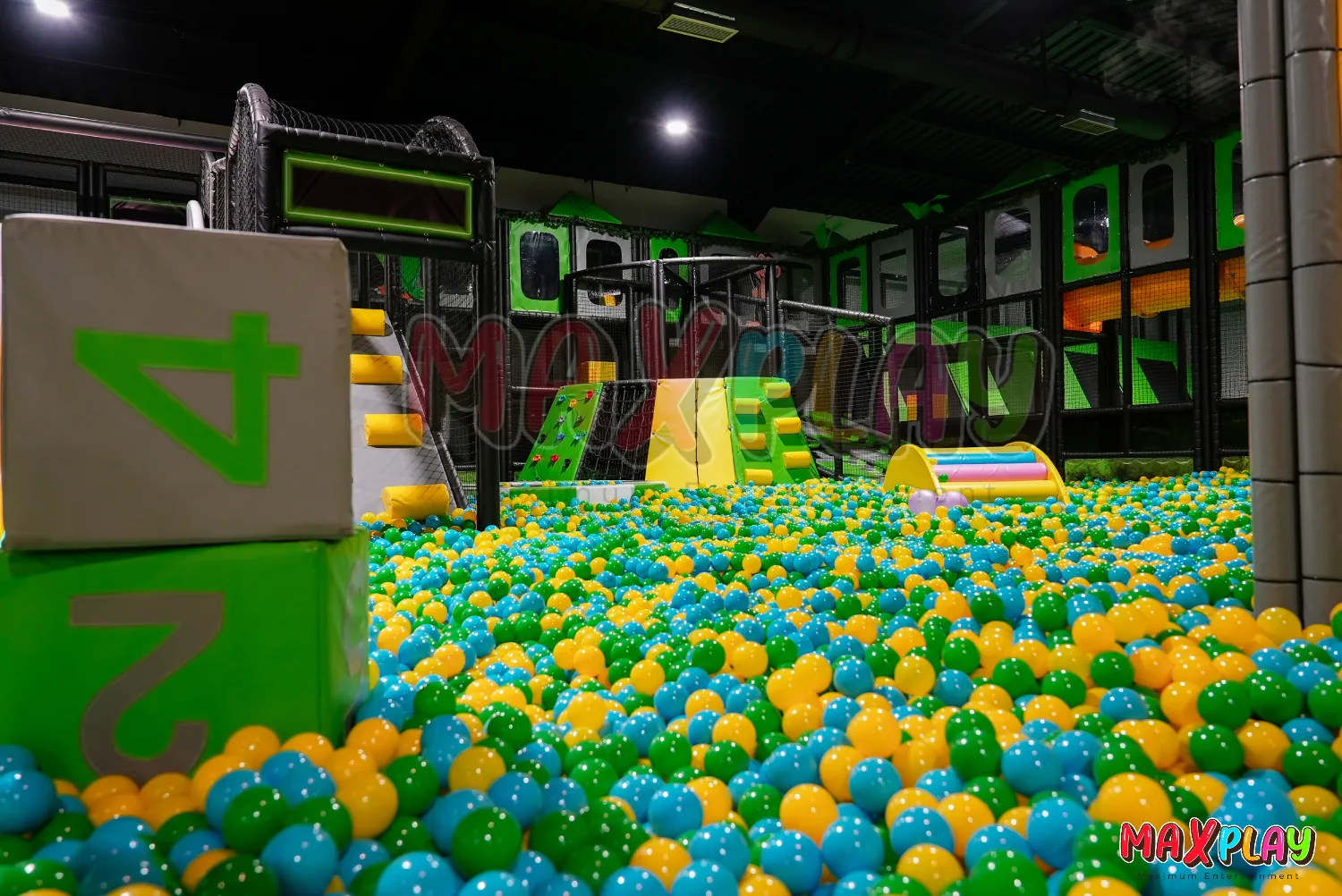
Classic attractions remain commercially important when integrated correctly. Ball pool systems support sensory and social play, while spiral slides provide a compact descent from upper platforms. Larger venues can use volcano slides as visible centrepieces that attract attention from the entrance. In real operation, the best equipment mix depends on ceiling height, target age, expected capacity and visit duration—not simply on which products appear most impressive in a catalogue.
Why Many Belgian Investors Source Indoor Play Equipment from Turkey
Working with a capable Turkish playground manufacturer gives Belgian investors access to a mature production base positioned close to the European market. Compared with distant sourcing routes, Turkey can support shorter transport times, faster communication and more responsive project coordination. This is particularly valuable when a project includes customised dimensions, themed components or site-specific engineering rather than standard equipment.
The commercial advantage is not limited to price. Factory-direct production can reduce unnecessary intermediary costs while keeping design, metalwork, soft components and quality control within a coordinated manufacturing process. An experienced supplier can prepare export-ready playground equipment, organise protective packing and support the documentation needed for international delivery. Turkey also offers competitive manufacturing that can compete with Chinese and other global supply markets while frequently providing shorter lead times and closer project communication.
In practical procurement, lower quotation value should never be evaluated without material specifications, engineering scope, installation support and after-sales responsibilities. Customised production is most valuable when it is controlled through approved drawings and measurable technical requirements. For Belgian investors, reliable European project supply means receiving a system designed for the building, not a generic structure altered informally during installation.
MaxPlay Playground Equipment Overview
| Equipment Name | Description | Key Benefits |
| Ball Pool | Colorful pit filled with balls for safe sensory play. | Safe fun for toddlers, easy to clean, encourages motor skills. |
| Trampoline | High-quality indoor trampolines. | Builds balance and strength, child-safe design, durable materials. |
| Interactive Game Sets | Digital and physical interactive play stations. | Boosts learning, cognitive skills, and engagement. |
| Profession Houses | Role-play houses designed for kids. | Encourages creativity, social interaction, and imagination. |
| Trampoline Park | Large-scale trampoline structures. | Suitable for older kids, high durability, safe design. |
| Roller Slide | Conveyor-style (roller) slides for continuous fun. | Efficient design, fun motion play, safe structure. |
| Tower Slide | Tower slides designed for adventure play. | Exciting design, strong safety standards, eye-catching feature. |
| Climbing Wall | Indoor climbing walls. | Builds strength and coordination, safe grips, customizable difficulty levels. |
| Volcano Slide | Volcano-shaped slides with climbing and sliding features. | Combines climbing and sliding, unique design, fun for multiple age groups. |
Planning Shipping, Installation and Project Coordination Across Europe
International delivery should be planned before manufacturing is completed. For large structures, container shipping capacity depends on how efficiently frames, slides, panels, padding and accessories are packed. Poor packaging can increase freight costs, create unloading difficulties or expose finished surfaces to damage. A manufacturer experienced in European exports can prepare numbered packages that correspond with installation drawings and assembly stages.
Effective European logistics also requires realistic coordination between factory completion, customs procedures, transport, unloading equipment and site readiness. For shipments from Turkey to Belgium, the supplier and buyer should confirm commercial invoices, packing lists, transport documents and relevant customs documentation before dispatch. Fast shipping is useful only when the building is ready to receive the equipment and suitable storage or installation access is available.
The situation most frequently encountered in practice is equipment arriving before flooring, electrical work or ceiling services are complete. Strong project management prevents installation teams from working around unfinished construction. Detailed installation planning should define the delivery entrance, unloading method, working hours, lifting requirements and responsibilities of local contractors. Under a turnkey installation model, these stages are coordinated as one project rather than managed as unrelated purchases.
Custom Playground Engineering for Different Commercial Venues
A bespoke indoor playground should reflect the venue’s operating model rather than merely filling the available floor area. A shopping centre may prioritise high visibility, rapid customer turnover and strong exterior theming. A hotel may require quiet, compact equipment that supports different age groups without dominating the guest environment. A restaurant usually needs a controlled play zone that parents can observe easily from their tables.
For a shopping mall playground, engineering must consider visitor volume, entrance control and visual impact. A hotel play area may need adaptable opening hours and materials suited to frequent cleaning, while a restaurant play zone benefits from simple circulation and limited hidden areas. These distinctions affect platform layout, activity density, noise management and staff requirements.
In real use, generic layouts often fail because they ignore the commercial purpose of the venue. Professional entertainment venue planning begins with customer profile, dwell time, ticketing model and peak capacity. From there, custom play concepts can be developed around brand identity and available architecture. MaxPlay combines area planning, theme development, engineering and production so the completed playground fits both the building and the intended business model.
Reducing Maintenance Costs Through Smart Material Selection
Maintenance performance begins with specifications. Durable playground materials must tolerate repeated impact, cleaning chemicals, friction, temperature variation and continuous commercial use. Domestic-grade finishes may look similar when new but can deteriorate quickly under the daily load of a busy entertainment centre. A lower initial price can therefore create a higher lifecycle cost through repairs, closures and premature replacement.
High-quality systems use steel frame systems as the structural foundation, combined with suitable protective treatments and engineered connections. Exposed or contact-prone areas should be protected with commercial-grade foam, while PVC coverings must be securely stitched or fixed and suitable for frequent cleaning. Health-conscious production also requires careful selection of materials used in areas children touch directly.
One of the most important practical details is access for inspection and replacement. Easy maintenance surfaces should not only be wipeable; they should allow damaged parts to be identified and changed without dismantling large sections of the playground. Effective lifecycle cost reduction comes from combining first-class materials with modular components, accessible connection points, spare-part planning and a documented inspection routine.
How Turnkey Playground Projects Simplify New Business Launches
Professional turnkey playground solutions reduce the coordination burden placed on the investor. Instead of managing separate design, steel fabrication, soft component production, shipping and assembly suppliers, the business works through one integrated project structure. This is especially important for first-time operators who may not recognise how a small change in platform layout affects netting, slide geometry, padding and installation.
The process should begin with concept development based on measured site data, target ages, capacity and business objectives. This is followed by technical drawings and engineering support, after which approved components enter manufacturing. Because the design and production teams work from the same project information, dimensional conflicts and last-minute improvisation can be reduced.
During delivery, professional installation services ensure that the equipment is assembled according to the intended configuration. The final commissioning stage should include visual and functional checks, completion of outstanding items and delivery of relevant operating information. In practice, turnkey delivery is most valuable when the scope is clearly defined from the beginning; otherwise, investors may assume that electrical work, flooring or local approvals are included when they remain separate responsibilities.
Investment Considerations Before Opening a Soft Play Centre in Belgium
An indoor playground investment should be evaluated through customer capacity, average spend, repeat visits and operating costs rather than equipment price alone. Revenue may come from general admission, memberships, birthday parties, school groups, café sales and private events. The strongest concept is usually one that creates several complementary income streams without making daily operations unnecessarily complex.
Accurate operational planning should model weekdays, weekends, school holidays and seasonal peaks separately. A venue with high theoretical customer capacity may still underperform if reception is slow, seating is insufficient or party-room turnover is poorly managed. Likewise, adding more equipment does not automatically create more revenue opportunities when the layout reduces visibility or limits safe circulation.
In real operation, business scalability depends on systems that can be expanded or renewed. Modular play structures make it easier to add activities, refresh themes or create a new age zone later. Investors should also test whether the intended entertainment business model is suitable for the local catchment area. A large destination venue and a neighbourhood play café require different capital structures, staffing levels and visit expectations.
Common Compliance Mistakes That Delay Playground Projects
The most common cause of delay is beginning production before the building and approval pathway are fully understood. Successful project approval depends on consistent information across architectural plans, equipment drawings, fire-safety arrangements and operating procedures. If the playground footprint changes after manufacturing, emergency routes, impact zones and supervision lines may also need to be reassessed.
A weak documentation process creates additional risk. Investors should maintain approved drawings, material records, conformity information, installation reports, maintenance instructions and inspection findings in an accessible file. Common installation errors include unapproved layout changes, incomplete padding, incorrect anchoring, obstructed exits and missing separation around fast-moving activities. These problems are easier to prevent than to correct after the venue has been fitted out.
Before opening, a structured risk assessment and appropriate safety inspections should confirm that the installed facility matches the intended design and operating plan. Real-world operational readiness also includes staff training, cleaning schedules, emergency procedures, capacity control and incident response. A technically sound playground can still be operated poorly, which is why equipment safety and management discipline must be treated as connected responsibilities.
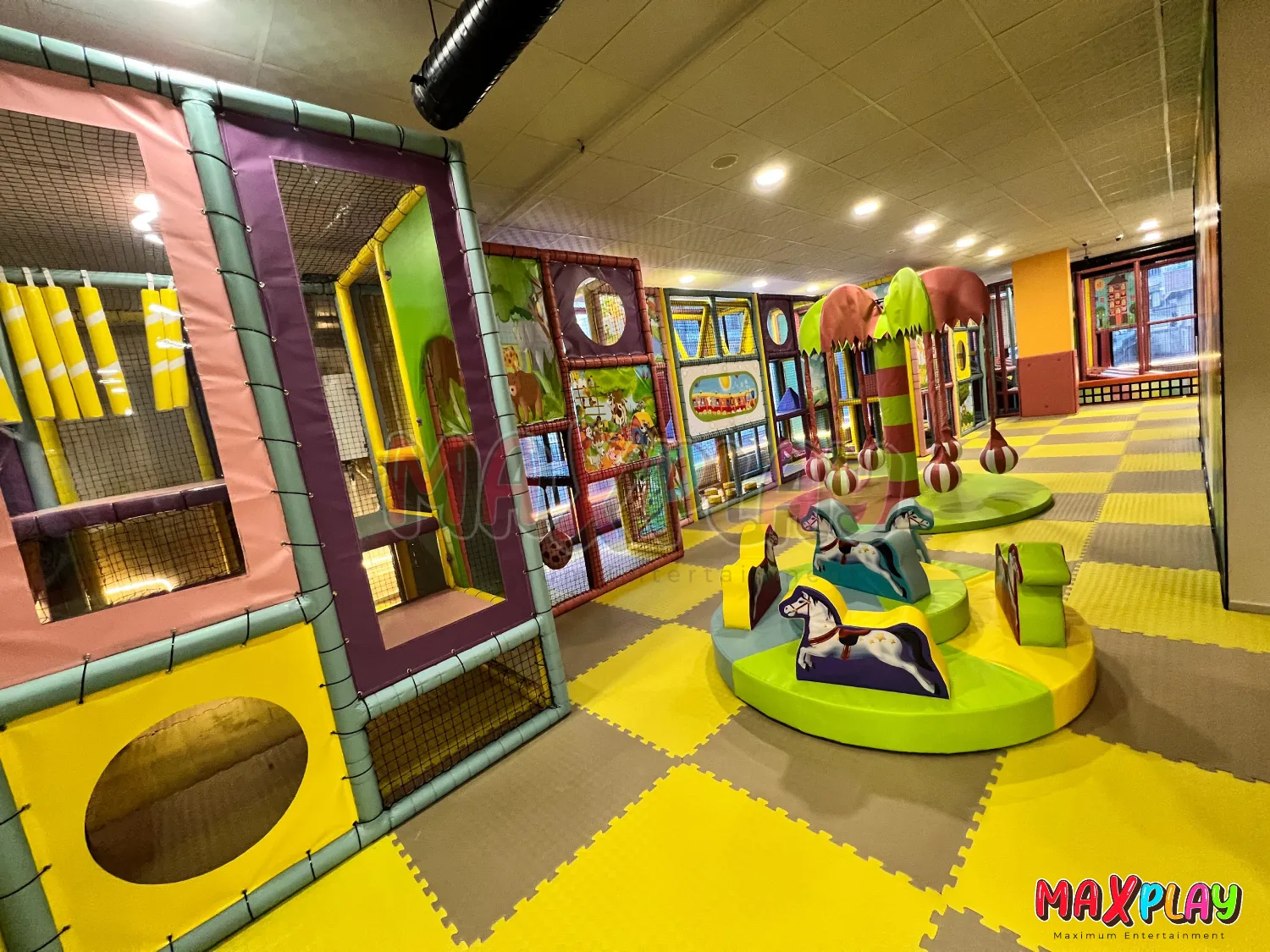
Why MaxPlay Is a Trusted Partner for Belgian Indoor Playground Projects
MaxPlay is a Turkey-based turnkey indoor playground manufacturer specialising in commercial children’s entertainment environments. The company manages design, project-based engineering, production, international shipping, professional installation and after-sales support within an integrated delivery model. Its systems are developed for shopping centres, FECs, hotels, restaurants, nurseries and independent entertainment businesses.
MaxPlay’s custom engineering approach combines steel structures, modular platforms, safety netting, soft padding, themed panels, slides and interactive attractions according to the dimensions of each site. Its portfolio includes soft play structures, ball pools, toddler zones, trampoline parks, climbing walls, zipline systems, profession houses, sensory products, roller slides, tower slides and interactive playground equipment. This allows investors to create coherent commercial play solutions rather than purchasing unrelated equipment from multiple vendors.
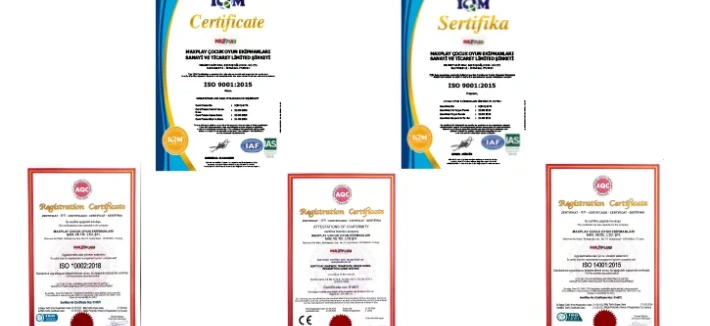
With European project experience and international installation support, MaxPlay can coordinate customised production, export packing, fast transport from Turkey and on-site assembly. Its factory-direct model offers first-class quality, certified production, health-conscious material selection and competitive pricing against manufacturers in China and other supply markets, while Turkey’s proximity to Belgium supports shorter lead times and more responsive coordination.