





Soft Play Equipment Supplier in Denmark: Key Qualities and Certifications
Denmark has one of Europe’s most mature leisure markets, where indoor recreation is no longer viewed as a seasonal alternative but as a year-round business opportunity. Choosing the right Soft Play Equipment Supplier in Denmark therefore involves much more than comparing product catalogues or initial pricing. Investors, architects, and operators increasingly evaluate engineering capability, long-term operating costs, child safety, visitor experience, maintenance requirements, and supplier reliability before making purchasing decisions. A successful project must combine attractive play value with operational efficiency while meeting strict European expectations for quality and compliance.
As MaxPlay Playground Equipment, we provide professional solutions for indoor playgrounds and soft play areas. We design, manufacture, install, and assemble indoor playground equipment and soft play systems for commercial spaces. Contact us for turnkey indoor playground projects.
| Landline: | 0216 377 10 88 |
| Mobile / WhatsApp: | 0532 069 53 17 |
| E-Mail: | info@maxplay.com.tr |
| Address: | Google Maps |
You can contact us for all your projects across Türkiye and international markets.
Our Services:
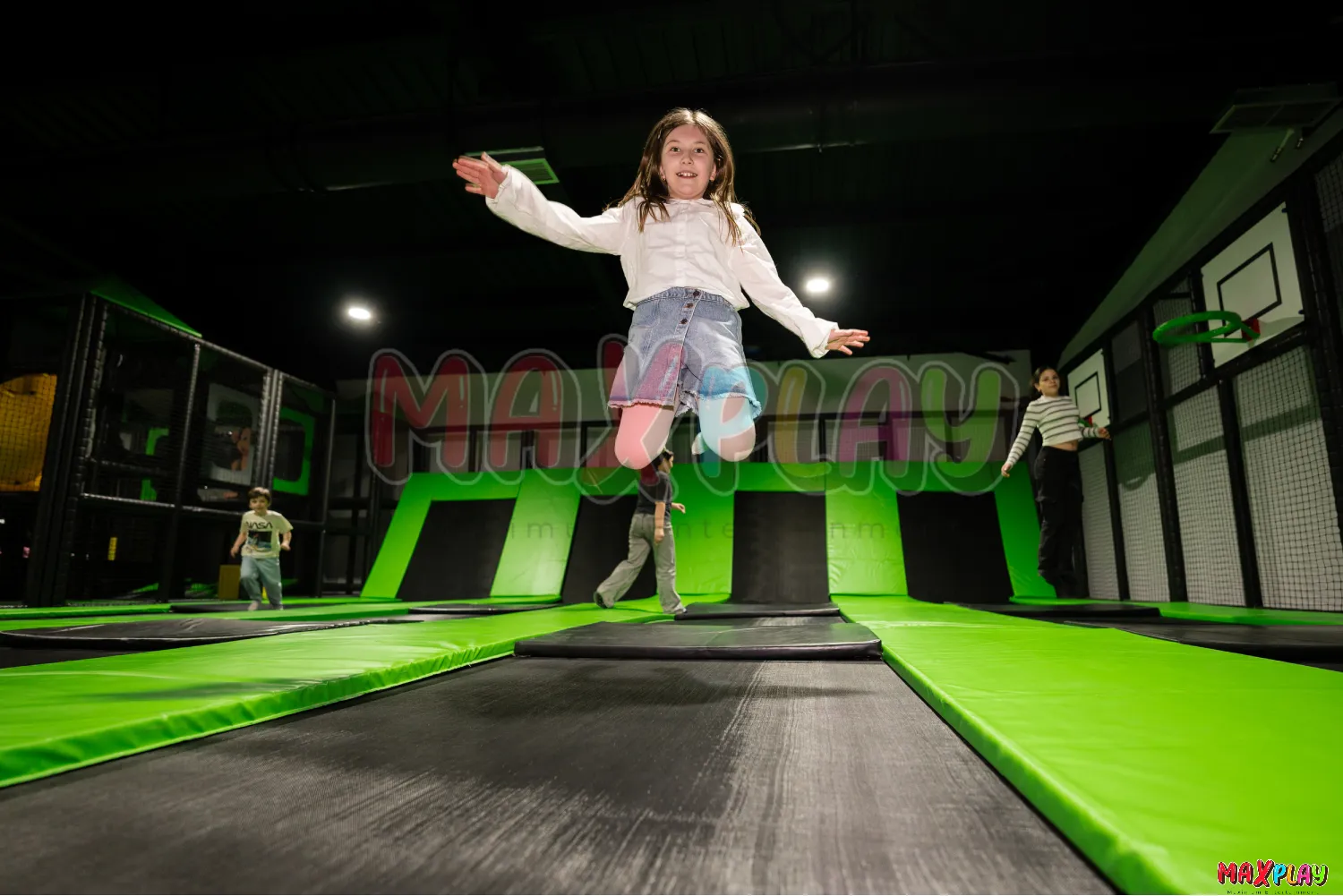
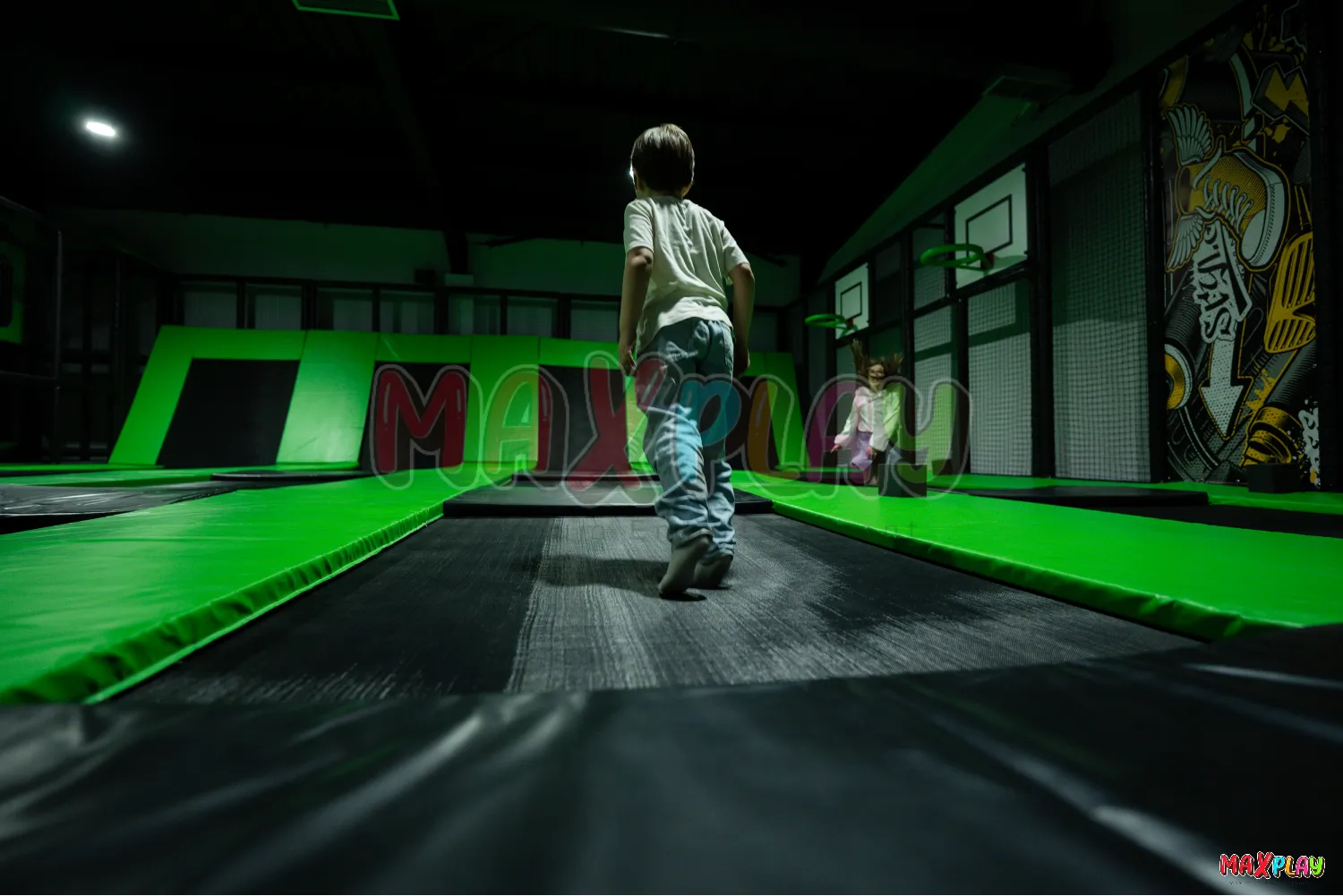
- Trampoline Manufacturing – Trampoline Park Installation
- Ball Pit Manufacturing – Ball Pit Playground Installations (with slides, etc.)
- Interactive Play Systems (Moving Soft Play Toys & Equipment)
- Sand Pit – Sand Play Areas
- Playgrounds and Role-Play Houses for Kindergartens & Nurseries
- Indoor playgrounds for businesses such as shopping malls, cafés, restaurants, etc.
- And all customized playground projects tailored to your specific needs.
Across Denmark, commercial operators are investing in experiences rather than standalone play structures. Modern facilities combine physical activity, sensory engagement, interactive technology, and comfortable environments for parents, creating destinations that encourage longer visits and repeat customers. This shift has increased demand for professionally engineered indoor play set solutions that can be customised for different business models while maintaining exceptional durability under intensive daily use.
Understanding the Danish Indoor Play Market and Customer Expectations
Denmark’s indoor playground Denmark sector has evolved alongside changing family lifestyles. Long winters, unpredictable weather, and an active parenting culture make indoor recreation an essential part of the country’s leisure economy rather than a temporary seasonal business. Today’s Danish family entertainment centres compete not only with other play venues but also with cinemas, sports facilities, museums, and digital entertainment. As a result, operators must create environments that deliver memorable experiences rather than simply installing play equipment.
In practice, the most successful children’s activity facilities share several common characteristics. They are carefully zoned according to age groups, provide clear visibility for parents, minimise congestion during busy hours, and encourage children to explore multiple activities instead of remaining in a single area. These operational details often determine whether visitors stay for one hour or spend an entire afternoon, directly influencing food sales, birthday bookings, and repeat visits.
Another important trend within the Nordic leisure industry is the growing preference for aesthetically integrated environments. Danish commercial developments typically favour clean architectural lines, natural colour palettes, and functional layouts. Rather than overwhelming visitors with excessive visual elements, successful commercial play spaces blend engaging attractions with Scandinavian-inspired design principles. Real-world experience shows that operators who balance excitement with visual harmony often receive stronger customer feedback and maintain a premium brand image over time.
Understanding customer expectations also means recognising the importance of comfort beyond the children’s play area. Parents increasingly expect quality cafés, seating zones, charging stations, clear sightlines, excellent hygiene, and efficient circulation throughout the venue. In year-round indoor recreation businesses, the overall customer journey often has a greater influence on long-term profitability than adding another individual attraction.
What Makes a Reliable Commercial Soft Play Equipment Manufacturer?
Selecting a supplier should begin with evaluating engineering capability rather than product appearance. Attractive designs may generate initial interest, but commercial success depends on structural integrity, manufacturing consistency, maintenance planning, and lifecycle performance. Experienced manufacturers develop commercial play equipment specifically for continuous daily operation instead of adapting products originally intended for light recreational use.
One of the most overlooked aspects in real projects is playground engineering. Every climbing frame, suspension bridge, slide connection, net junction, and support column must distribute loads efficiently while maintaining comfortable movement for children. Engineering calculations become even more important when multiple attractions are integrated into a single structure or when facilities expect thousands of visitors each month. Proper engineering reduces maintenance costs while increasing long-term reliability.
Another indicator of professional manufacturing expertise is the ability to deliver genuine custom production rather than relying solely on fixed catalogue designs. Every commercial venue presents different ceiling heights, emergency exits, column locations, visitor capacity requirements, and branding objectives. Suppliers with advanced design departments adapt layouts to maximise available space instead of forcing operators to compromise around standard modules.
Successful projects also begin with detailed project planning. Experienced manufacturers analyse visitor flow, define age-specific activity zones, optimise emergency access routes, and coordinate production schedules before manufacturing starts. This planning phase frequently prevents expensive modifications during installation.
From an operational perspective, quality assurance extends beyond factory inspections. Reliable suppliers implement material traceability, dimensional verification, production testing, and assembly checks throughout manufacturing. In practical applications, these processes significantly reduce installation delays and minimise future maintenance requirements.
Finally, commercial investors should always evaluate expected long-term durability rather than focusing exclusively on acquisition cost. Equipment that remains structurally stable, visually attractive, and operationally efficient after years of intensive use often delivers substantially lower total ownership costs than lower-priced alternatives requiring frequent repairs or component replacement.
Why More Danish Businesses Source Indoor Play Equipment from Turkey
The relationship between Danish operators and Turkey playground manufacturer companies has strengthened considerably over the past decade. While price remains an important consideration, purchasing decisions are increasingly influenced by production flexibility, engineering capability, faster communication, and the ability to develop completely customised commercial projects.
Turkey has become one of Europe’s strongest manufacturing hubs for commercial entertainment systems thanks to its advanced industrial infrastructure and proximity to European markets. Unlike long-distance sourcing routes, European export logistics from Turkey allow projects to move efficiently through established transport corridors, reducing transit times and simplifying supply chain coordination.
In practical project management, factory accessibility also matters. Buyers working directly with factory-direct production benefit from clearer communication with designers and engineers, faster approval cycles, and greater flexibility when modifications become necessary during development. Instead of navigating multiple intermediaries, operators can coordinate technical details directly with the production team responsible for manufacturing.
Another reason for this growing preference is competitive manufacturing. Turkish producers combine modern production technologies with highly skilled engineering teams, enabling them to deliver premium commercial systems at highly competitive investment levels. Compared with many Asian sourcing routes, businesses often benefit from shorter lead times, easier technical communication, and significantly lower logistics uncertainty.
International project experience has also improved dramatically. Efficient international logistics solutions, professional export documentation, container optimisation, and coordinated installation planning enable projects to progress smoothly from manufacturing to on-site assembly. Faster shipping from Turkey allows investors to begin operations sooner, reducing the financial impact of delayed openings.
Perhaps the greatest advantage lies in custom-built solutions. Rather than adapting businesses to standard equipment, Turkish manufacturers increasingly develop attractions tailored to specific business concepts, architectural limitations, and brand identities. For Danish investors seeking cost-efficient investment, this combination of flexibility, engineering expertise, premium manufacturing quality, certified production, health-safe materials, and shorter delivery schedules often creates greater long-term value than simply selecting the lowest initial quotation.
MaxPlay Playground Equipment Overview
| Equipment Name | Description | Key Benefits |
| Ball Pool | Colorful pit filled with balls for safe sensory play. | Safe fun for toddlers, easy to clean, encourages motor skills. |
| Trampoline | High-quality indoor trampolines. | Builds balance and strength, child-safe design, durable materials. |
| Interactive Game Sets | Digital and physical interactive play stations. | Boosts learning, cognitive skills, and engagement. |
| Profession Houses | Role-play houses designed for kids. | Encourages creativity, social interaction, and imagination. |
| Trampoline Park | Large-scale trampoline structures. | Suitable for older kids, high durability, safe design. |
| Roller Slide | Conveyor-style (roller) slides for continuous fun. | Efficient design, fun motion play, safe structure. |
| Tower Slide | Tower slides designed for adventure play. | Exciting design, strong safety standards, eye-catching feature. |
| Climbing Wall | Indoor climbing walls. | Builds strength and coordination, safe grips, customizable difficulty levels. |
| Volcano Slide | Volcano-shaped slides with climbing and sliding features. | Combines climbing and sliding, unique design, fun for multiple age groups. |
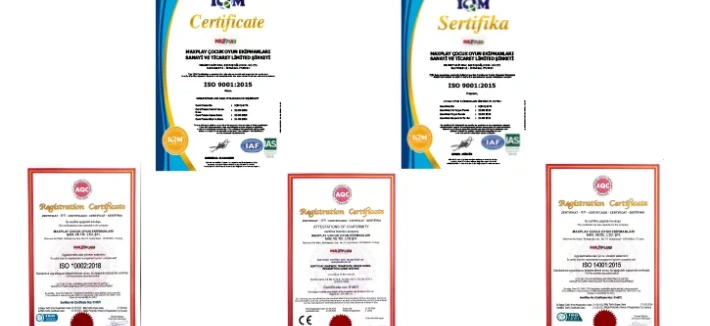
Essential Safety Certifications for Soft Play Systems in Europe
Safety certification is often discussed only in terms of legal compliance, but experienced operators understand that it directly affects business continuity, insurance approval, maintenance planning, and customer confidence. Across Europe, professionally designed indoor soft playground equipment is expected to comply with recognised technical standards while also demonstrating consistent manufacturing quality throughout production. Certification is therefore not a document added at the end of a project—it begins with engineering decisions made during the design phase.
Among the most recognised requirements is EN1176 compliant equipment, which establishes technical criteria for structural integrity, fall protection, accessibility, entrapment prevention, and equipment performance. However, compliance should never be interpreted as a one-time achievement. In real commercial environments, proper installation, periodic inspections, and routine maintenance are equally important for maintaining safety throughout the product lifecycle. Facilities that neglect these operational practices often experience unnecessary downtime despite purchasing certified equipment.
Professional manufacturers also design according to broader European safety standards, selecting materials that remain reliable under continuous commercial use. Galvanised steel frameworks, premium-density foam padding, fire-retardant coverings, non-toxic PVC-coated fabrics, reinforced connection systems, and child-friendly finishing materials contribute to safer play environments while extending operational lifespan. These details may not always be visible to customers, but they significantly influence long-term performance.
Reliable certified playground manufacturing also includes documented production procedures rather than relying solely on final inspections. Every component should be traceable throughout the manufacturing process, allowing quality teams to verify materials, dimensions, assembly tolerances, and production consistency. This level of control reduces the possibility of installation issues while supporting future maintenance and replacement planning.
Another area frequently underestimated during procurement is risk assessment. In practice, the most effective designs anticipate how children actually behave instead of assuming ideal usage. Engineers evaluate climbing behaviour, circulation patterns, visibility, congestion points, emergency access, and interaction between different age groups before manufacturing begins. This practical approach often prevents operational issues that cannot be solved after installation.
The selection of child-safe materials deserves equal attention. High-quality playground systems avoid hazardous substances while maintaining durability against constant cleaning, heavy usage, and varying environmental conditions. Operators increasingly value materials that retain their appearance after years of intensive commercial operation, since visual quality contributes directly to customer perception.
Finally, comprehensive quality control and scheduled inspection procedures should remain part of every facility’s operational strategy. Experienced operators know that preventive inspections are considerably more cost-effective than emergency repairs, helping maintain both visitor confidence and uninterrupted business operations.
Choosing the Right Play Features for Different Business Models
Every entertainment business serves a different audience, making equipment selection a strategic business decision rather than a purely creative one. The attractions that perform exceptionally well in a shopping mall may not generate the same results inside a hotel, family restaurant, or independent entertainment centre. Successful planning begins by understanding customer behaviour before choosing specific soft play structures or activity zones.
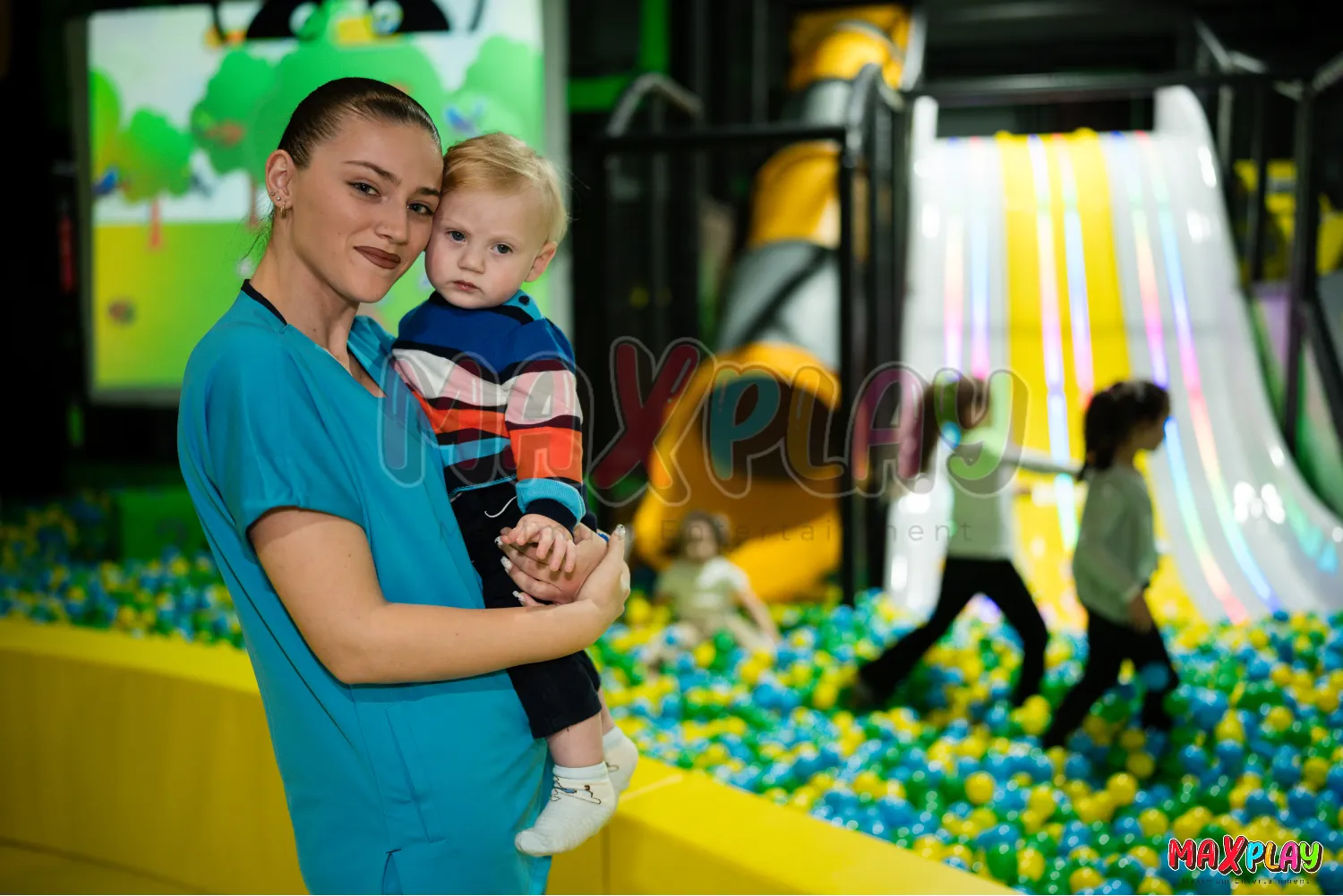
Family entertainment centres usually benefit from layered play experiences that encourage children to remain engaged for longer periods. Instead of relying on a single attraction, operators increasingly combine climbing activities, tunnels, slides, sensory games, and interactive elements within interconnected play environments. This approach creates multiple exploration paths while distributing visitor traffic more evenly throughout the facility.
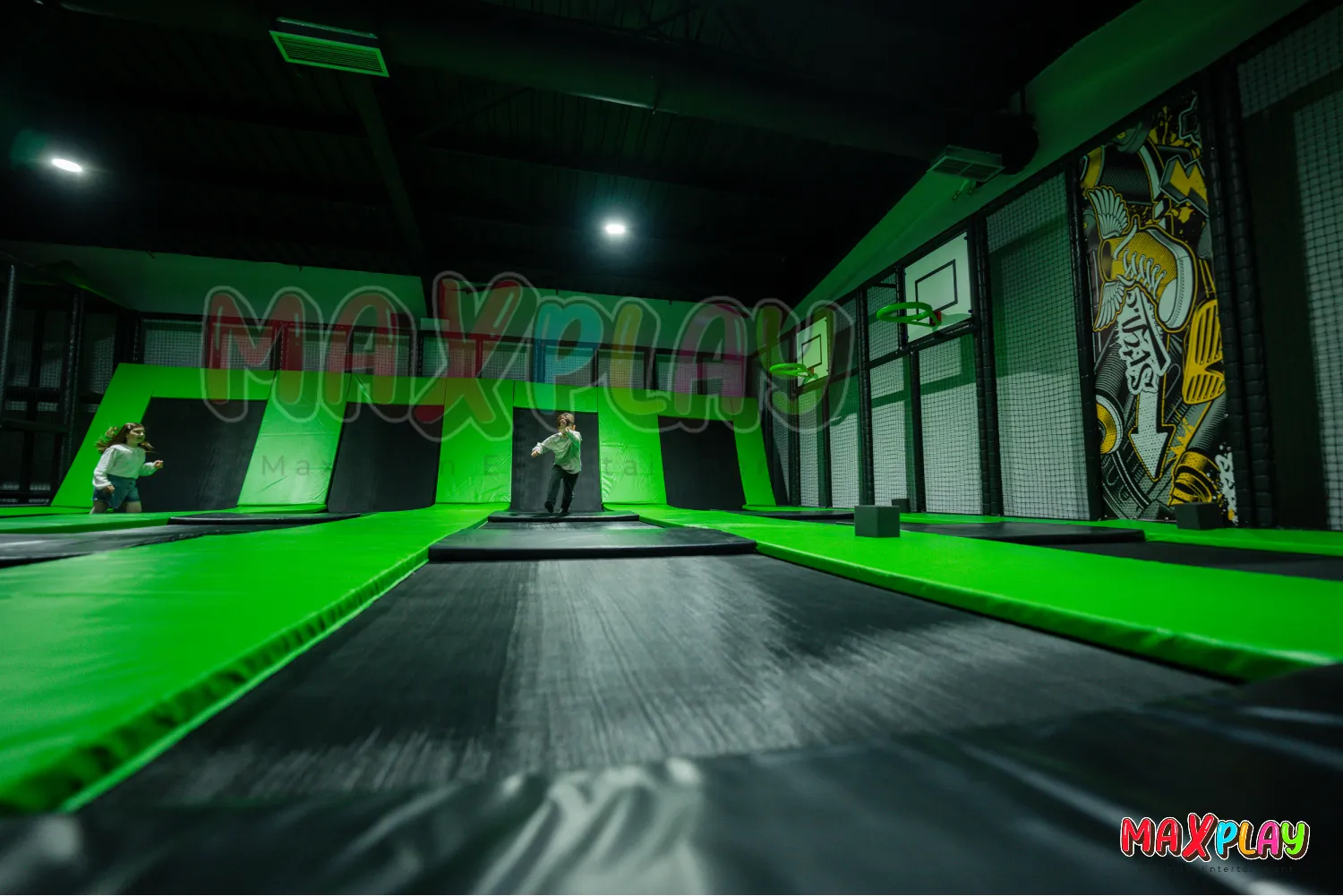
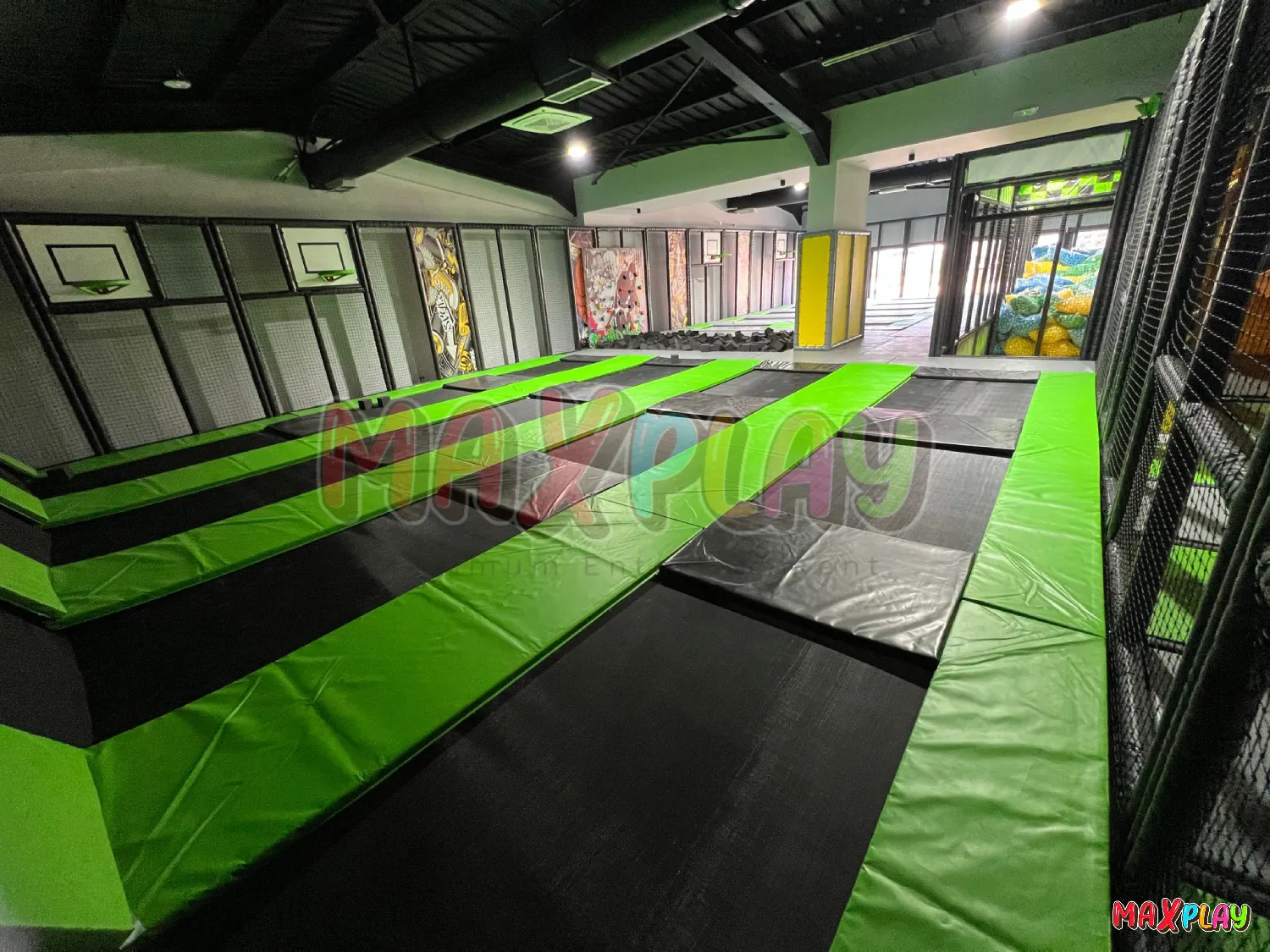
For businesses targeting older children and teenagers, trampoline integration has become an effective method of expanding the appeal of indoor recreation. Modern trampoline zones are frequently combined with obstacle challenges, reaction games, foam pits, or competitive activities that encourage repeat visits. In practical operation, combining energetic attractions with traditional play environments often increases average visit duration while broadening the customer demographic.
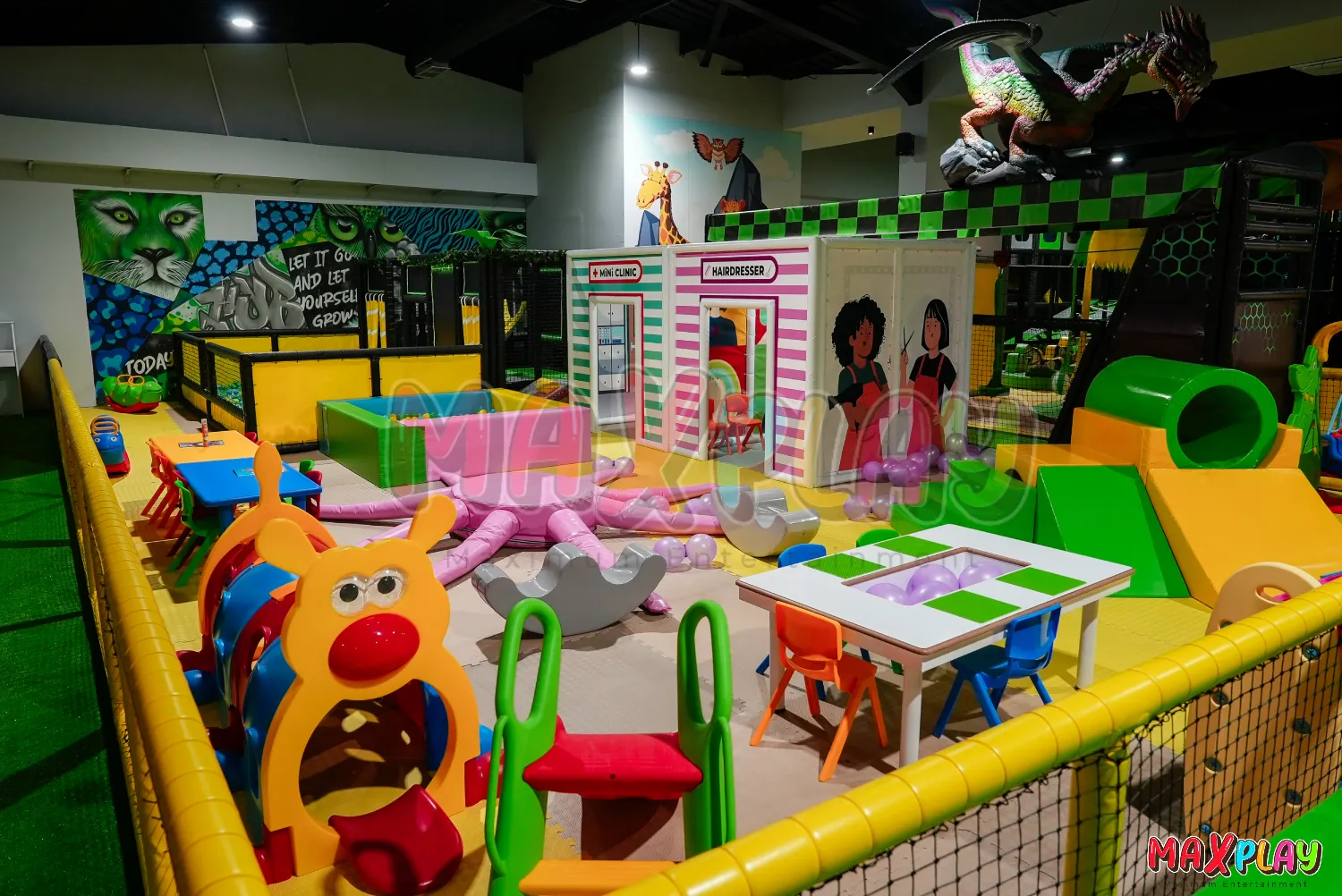
Facilities serving younger families should prioritise carefully designed toddler play zones that remain physically separated from larger children’s activities. Real-world experience consistently shows that parents appreciate dedicated environments where toddlers can develop balance, coordination, and social interaction without exposure to more intensive play areas. Proper separation also improves operational safety while creating a more comfortable experience for every age group.
Adding climbing activities introduces another layer of developmental value. Climbing walls, rope challenges, balance elements, and vertical play structures support physical confidence, coordination, and problem-solving while making better use of available ceiling height. These attractions also diversify movement patterns, preventing repetitive play experiences.
Technology continues to reshape visitor expectations through interactive play solutions. Motion-based games, digital projection systems, touch-sensitive walls, and immersive activity zones transform passive environments into dynamic entertainment spaces. However, experienced designers generally recommend integrating digital experiences alongside traditional physical play rather than allowing technology to dominate the entire facility.
Ultimately, successful family entertainment centre design balances excitement with operational practicality. Efficient visitor flow, parental supervision, maintenance accessibility, birthday party integration, café visibility, and future expansion possibilities all contribute to stronger commercial performance over the long term.
Bespoke Indoor Playground Design for Danish Commercial Spaces
No two commercial venues share identical architectural conditions. Ceiling heights, structural columns, emergency exits, natural lighting, circulation routes, and business objectives vary significantly from one project to another. For this reason, a professionally developed custom indoor playground should always begin with space analysis rather than equipment selection. The design process should maximise both visitor experience and operational efficiency while respecting the building’s technical limitations.
One of the most valuable advantages of bespoke development is the ability to create themed play equipment that reflects the identity of the business itself. Rather than installing generic colourful structures, many Danish operators now develop environments inspired by nature, Nordic landscapes, urban adventures, maritime themes, or educational storytelling. Thematic consistency strengthens brand recognition while creating memorable experiences that encourage social media sharing and repeat visits.
Flexibility is another defining characteristic of successful modular play systems. Commercial entertainment businesses evolve over time as customer preferences change and visitor numbers grow. Modular engineering allows selected attractions to be expanded, upgraded, or reconfigured without replacing the entire installation. From an investment perspective, this significantly extends the commercial lifespan of the facility.
Professional space optimization also requires understanding how visitors actually move through an entertainment venue. In practical projects, designers evaluate entrance visibility, queue formation, birthday party circulation, café access, emergency evacuation routes, maintenance access, and supervision requirements before finalising layouts. These operational considerations often have a greater impact on profitability than adding additional play equipment.
A growing trend in Denmark is designing play environments that complement Scandinavian interior compatibility. Modern entertainment venues increasingly combine minimalist architectural aesthetics with vibrant play experiences, avoiding excessive visual clutter while maintaining strong child engagement. This approach helps commercial facilities appeal equally to children and adults.
Ultimately, successful bespoke playground concepts combine engineering, branding, architecture, and operational planning into a single integrated solution. Rather than filling available space with equipment, experienced manufacturers design environments that support long-term business performance, efficient maintenance, and memorable customer experiences.
From Factory to Installation: Managing an International Playground Project
Delivering a successful playground involves far more than manufacturing equipment. Every stage—from engineering and production to logistics, customs clearance, installation, and commissioning—must be coordinated carefully to ensure that commercial opening dates remain on schedule. A professionally managed turnkey playground project reduces uncertainty while allowing investors to focus on preparing their business for operation.
Production planning begins long before manufacturing starts. Engineering teams finalise technical drawings, verify structural calculations, confirm material specifications, and coordinate production sequencing according to shipping schedules. This level of preparation reduces manufacturing delays while ensuring every component arrives on site in the correct installation order.
Efficient container shipping plays a major role in international project success. Experienced manufacturers optimise loading plans to maximise container capacity while protecting sensitive components during transport. Combined with Turkey’s strategic geographic location, this enables faster delivery to Denmark than many longer international supply routes, helping businesses begin operations sooner and improve return on investment.
Professional handling of installation planning is equally important. Experienced installation teams coordinate equipment sequencing, safety verification, structural assembly, and final inspections according to project schedules. In practice, careful installation planning frequently prevents costly delays caused by incomplete site preparation or poor coordination between contractors.
International deliveries also require comprehensive export documentation, including customs paperwork, shipping documentation, packing lists, compliance records, and certification files. Reliable manufacturers simplify these administrative processes, allowing buyers to avoid unnecessary delays during customs procedures.
Throughout the project, dedicated project coordination ensures clear communication between designers, production teams, logistics providers, installers, and clients. Real-world experience shows that successful commercial projects depend just as much on communication as they do on engineering.
Finally, comprehensive engineering support continues after installation. Technical guidance, maintenance documentation, replacement part availability, and operational assistance contribute to the long-term success of every facility. For international investors, dependable global delivery capabilities combined with ongoing technical support provide confidence long after the playground opens to visitors.
Materials, Engineering, and Manufacturing Standards That Increase Product Lifespan
The lifespan of a commercial playground is determined long before children begin using it. While colourful finishes and creative layouts attract attention, long-term performance depends on engineering quality, material selection, and manufacturing precision. Operators that evaluate these technical factors early typically experience lower maintenance costs, fewer operational interruptions, and a stronger return on investment over the lifetime of the facility.
A professionally engineered galvanized steel structure forms the backbone of any high-capacity indoor playground. Galvanisation protects steel against corrosion, preserves structural integrity in humid indoor environments, and significantly extends the service life of the framework. In large commercial venues where thousands of visitors use the equipment every month, structural durability becomes one of the most valuable long-term investments.
Another area frequently underestimated is impact protection. High-density foam systems offer far better performance than lower-grade alternatives, maintaining their protective properties even after years of intensive use. Premium premium foam protection not only improves safety but also helps preserve the visual appearance of play structures by resisting permanent deformation.
Surface materials deserve the same level of attention. High-quality PVC-coated materials provide excellent resistance to abrasion, moisture, daily cleaning chemicals, and continuous contact from users. In practical operation, durable coverings reduce replacement frequency while maintaining a clean, professional appearance that positively influences customer perception.
Commercial playgrounds must also withstand repetitive mechanical loads. A properly engineered heavy-duty construction incorporates reinforced connection points, precision-manufactured components, and carefully distributed structural loads. These engineering decisions become particularly important in multi-level play systems where dynamic movement creates continuous stress across the entire structure.
For international projects, corrosion resistance remains an essential consideration despite indoor installation. Humidity, frequent cleaning, and varying environmental conditions can gradually affect inferior materials. Manufacturers that specify corrosion-resistant finishes help operators protect both safety and long-term maintenance budgets.
Ultimately, industrial manufacturing quality is reflected not only in the finished product but also throughout the production process. Precision fabrication, certified raw materials, controlled assembly procedures, and rigorous inspection standards contribute to long-lasting playground systems capable of supporting commercial operations for many years with consistent performance.
How Custom Manufacturing Creates Better ROI for Danish Investors
Many investment decisions focus heavily on the initial purchase price, yet experienced operators evaluate the total financial performance of a playground over its entire operating life. The most profitable facilities are rarely those built at the lowest cost. Instead, they are designed to maximise visitor satisfaction, operational efficiency, and long-term revenue while reducing maintenance expenses.
A carefully planned layout improves investment efficiency by making full use of available floor space without creating overcrowded circulation areas. Every square metre should contribute to visitor engagement, whether through active play, observation areas, birthday rooms, or complementary revenue opportunities such as cafés and retail spaces. Well-designed environments often generate significantly greater returns than larger but poorly organised facilities.
One of the strongest commercial advantages comes from custom manufacturing. Instead of adapting business operations to standard equipment dimensions, bespoke production allows every attraction to fit the available space, ceiling height, branding objectives, and customer profile. This flexibility often increases usable play capacity without increasing the building footprint.
Successful playgrounds also function as revenue-generating attractions rather than simple recreational facilities. Interactive experiences, themed environments, multi-age activity zones, and visually distinctive features encourage longer visits, birthday celebrations, school events, and repeat attendance. In practical operation, these additional revenue streams frequently have a greater impact on profitability than reducing the initial equipment budget.
Higher visitor engagement naturally supports stronger customer loyalty. Families who discover new experiences during every visit are more likely to return, recommend the venue to friends, and share their experiences through social media. This organic marketing contributes directly to sustainable business growth without relying exclusively on paid advertising.
Modern commercial projects should also prioritise scalable play concepts. As customer demand evolves, operators benefit from systems that can be expanded with additional attractions, interactive technologies, or themed zones. Modular scalability protects future investment while allowing businesses to respond to changing market trends.
Ultimately, business profitability depends on balancing operational costs with customer satisfaction. Facilities designed for efficient supervision, simplified maintenance, durable construction, and optimised visitor flow typically achieve stronger operational efficiency, creating sustainable returns that continue well beyond the initial investment period.
Common Mistakes When Selecting an Indoor Playground Supplier
Selecting a supplier is one of the most important decisions in any commercial entertainment project, yet many investors concentrate almost entirely on catalogue images or initial quotations. In practice, the long-term success of a playground depends far more on technical capability, project management, and post-installation support than on visual presentation alone.
One of the most common mistakes during supplier evaluation is failing to investigate engineering experience. A manufacturer should demonstrate expertise in structural design, custom development, international logistics, compliance with European regulations, and large-scale commercial installations. Companies with proven project portfolios generally provide more reliable guidance throughout the entire development process.
Another frequent issue involves overlooking hidden project costs. Lower quotations may exclude transportation, customs handling, installation support, replacement components, or future maintenance requirements. Comparing proposals solely by purchase price rarely provides an accurate picture of the total investment.
Experienced operators also place significant importance on after-sales support. Commercial playgrounds remain active every day, making responsive technical assistance essential whenever maintenance questions or replacement needs arise. Reliable manufacturers continue supporting projects well beyond installation, ensuring that facilities maintain safe and efficient operation.
The quality of installation quality directly influences structural performance, user safety, and equipment longevity. Even premium components may fail to perform as intended if assembled incorrectly or without proper technical supervision. Choosing experienced installation professionals reduces this risk considerably.
Long-term planning should also include structured maintenance planning. Preventive inspections, scheduled servicing, and timely replacement of wear components help minimise unexpected downtime while preserving customer confidence. Operators who adopt proactive maintenance strategies generally experience lower operating costs over time.
Finally, investors should verify spare parts availability before committing to any supplier. Access to compatible replacement components and responsive technical support becomes increasingly valuable as facilities mature. Manufacturers with extensive project experience typically maintain stronger support networks, helping businesses continue operating without prolonged interruptions.
Planning a Future-Proof Indoor Playground for the Danish Market
The Danish leisure sector continues to evolve as customer expectations, technology, and sustainability standards become increasingly influential. Investors who design exclusively for today’s market may discover that their facilities require major upgrades much sooner than expected. Future-oriented planning therefore focuses on flexibility, adaptability, and long-term commercial relevance.
A future-ready playground begins with a modular architectural approach. Rather than viewing the installation as a fixed structure, experienced designers develop layouts capable of accommodating new attractions, additional activity zones, or evolving customer preferences. This flexibility protects the original investment while supporting continuous business development.
Modern expandable play systems allow operators to introduce new experiences without replacing the existing playground. As visitor demographics shift or entertainment trends change, modular additions can refresh the facility while maintaining operational continuity.
Another growing priority is inclusive play. Families increasingly expect environments where children with varying physical, sensory, and developmental abilities can participate together. Incorporating accessible design principles from the earliest planning stages creates more welcoming facilities while expanding the potential customer base.
Improving accessibility also benefits parents, grandparents, and caregivers by creating clearer circulation routes, better visibility, and more comfortable shared environments. In practice, thoughtful accessibility planning often enhances operational efficiency for every visitor rather than serving only a specific user group.
Environmental responsibility continues to shape commercial decision-making across Scandinavia. Many investors now prioritise sustainable playground solutions, including durable recyclable materials, responsible manufacturing practices, energy-efficient production methods, and products designed for extended service life. Longer-lasting systems naturally reduce material consumption while lowering long-term operational costs.
Technology will also continue influencing customer expectations through digital interactive attractions. Motion-based games, immersive projections, interactive walls, and connected play experiences provide additional reasons for families to revisit entertainment centres. However, the most successful projects integrate digital experiences carefully, ensuring they complement rather than replace physical activity.
Ultimately, long-term success depends on supporting long-term business growth through adaptable design, efficient operations, evolving visitor experiences, and reliable engineering. Future-proof planning is not about predicting every trend—it is about creating the flexibility to respond successfully as the market develops.
Why MaxPlay Is a Trusted Manufacturing Partner for Indoor Playground Projects in Denmark
Developing a successful indoor playground requires far more than manufacturing equipment. It demands a partner capable of understanding commercial objectives, architectural limitations, operational requirements, European compliance expectations, and long-term business performance. This integrated approach is what distinguishes MaxPlay as a trusted turnkey indoor playground manufacturer for commercial entertainment projects across international markets.
As a leading commercial indoor playground supplier, MaxPlay manages every stage of the project under one roof, including concept development, engineering, custom production, manufacturing, logistics coordination, professional installation, and after-sales support. Instead of adapting clients to standard catalogue products, every project is developed according to the available space, target audience, visitor capacity, and operational goals. This engineering-driven process enables the creation of highly efficient entertainment environments that combine safety, durability, and engaging visitor experiences.
Operating as a modern Turkish playground factory, MaxPlay manufactures premium commercial systems using certified production processes, first-class raw materials, health-safe components, robust steel structures, premium protective padding, and durable PVC-coated finishes designed for intensive daily use. Fast shipping from Turkey, efficient European logistics, competitive manufacturing costs, and significantly shorter delivery times compared with many Asian sourcing routes allow investors to launch projects more quickly without compromising quality. Through advanced engineering solutions, fully custom playground production, and comprehensive international project management, MaxPlay delivers complete commercial entertainment systems tailored to each client’s vision. Whether your project involves a family entertainment centre, shopping mall, hotel, restaurant, children’s activity venue, or multi-purpose leisure destination, MaxPlay provides the technical expertise and manufacturing capability to transform your concept into a fully operational commercial playground. Free project planning and design consultation are available to help optimise your investment from the earliest stage.