





Turnkey Indoor Playground Projects in Austria: Key Steps and Considerations
Executing successful turnkey indoor playground projects in Austria requires a deep understanding of European recreational regulations, precision engineering, and clear commercial foresight. Austria’s alpine climate, characterized by prolonged winters and variable transitional seasons, makes indoor leisure an essential industry rather than a secondary entertainment choice. Whether developing an urban play hub in Vienna, a regional recreational centre in Graz, or a bespoke leisure facility in Linz or Salzburg, investors require reliable, end-to-end execution. Delivering a project turnkey means managing every phase meticulously—from structural 3D architectural design and rigorous engineering to international freight logistics, certified assembly, and full operational handover.
As MaxPlay Playground Equipment, we provide professional solutions for indoor playgrounds and soft play areas. We design, manufacture, install, and assemble indoor playground equipment and soft play systems for commercial spaces. Contact us for turnkey indoor playground projects.
| Landline: | 0216 377 10 88 |
| Mobile / WhatsApp: | 0532 069 53 17 |
| E-Mail: | info@maxplay.com.tr |
| Address: | Google Maps |
You can contact us for all your projects across Türkiye and international markets.
Our Services:
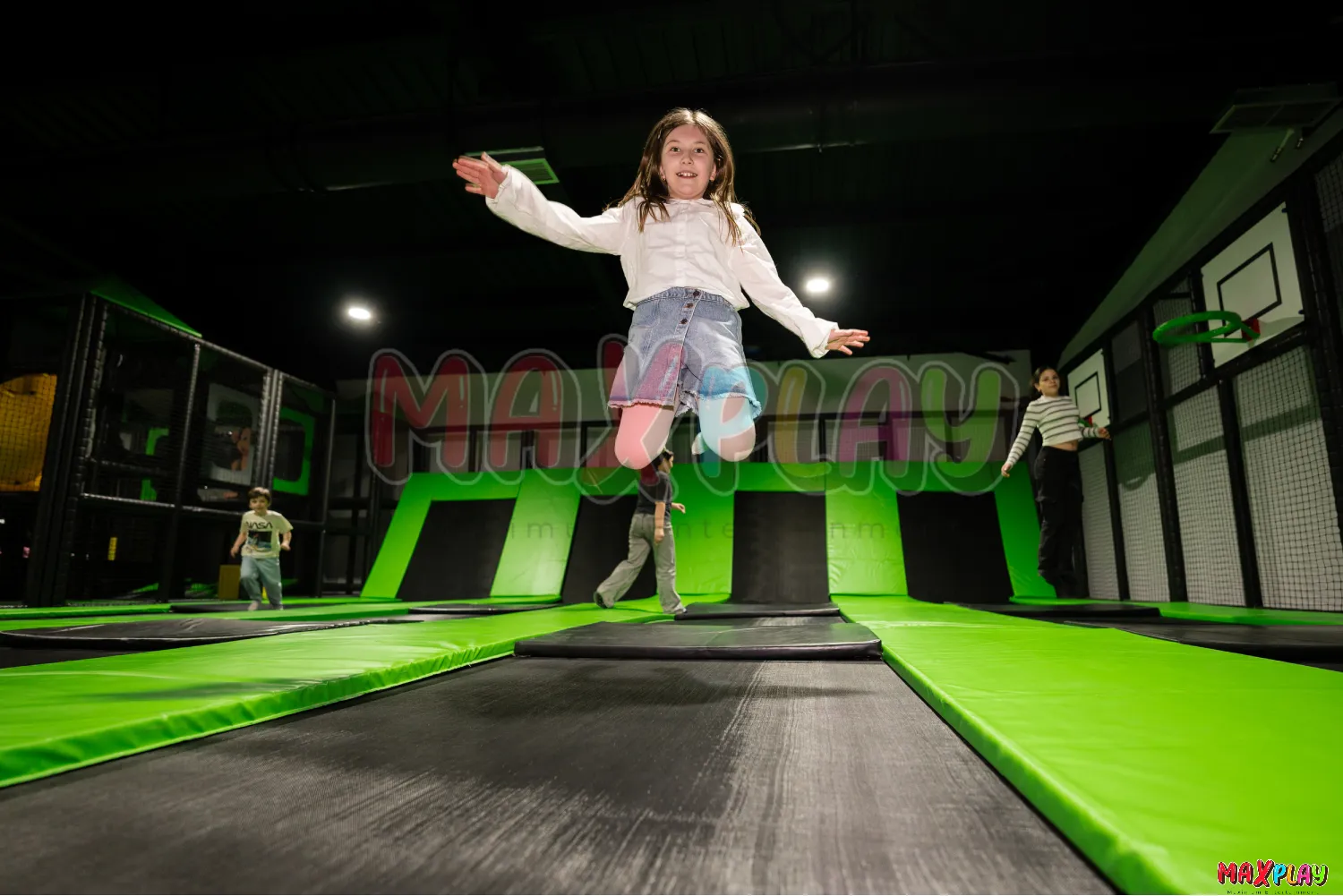
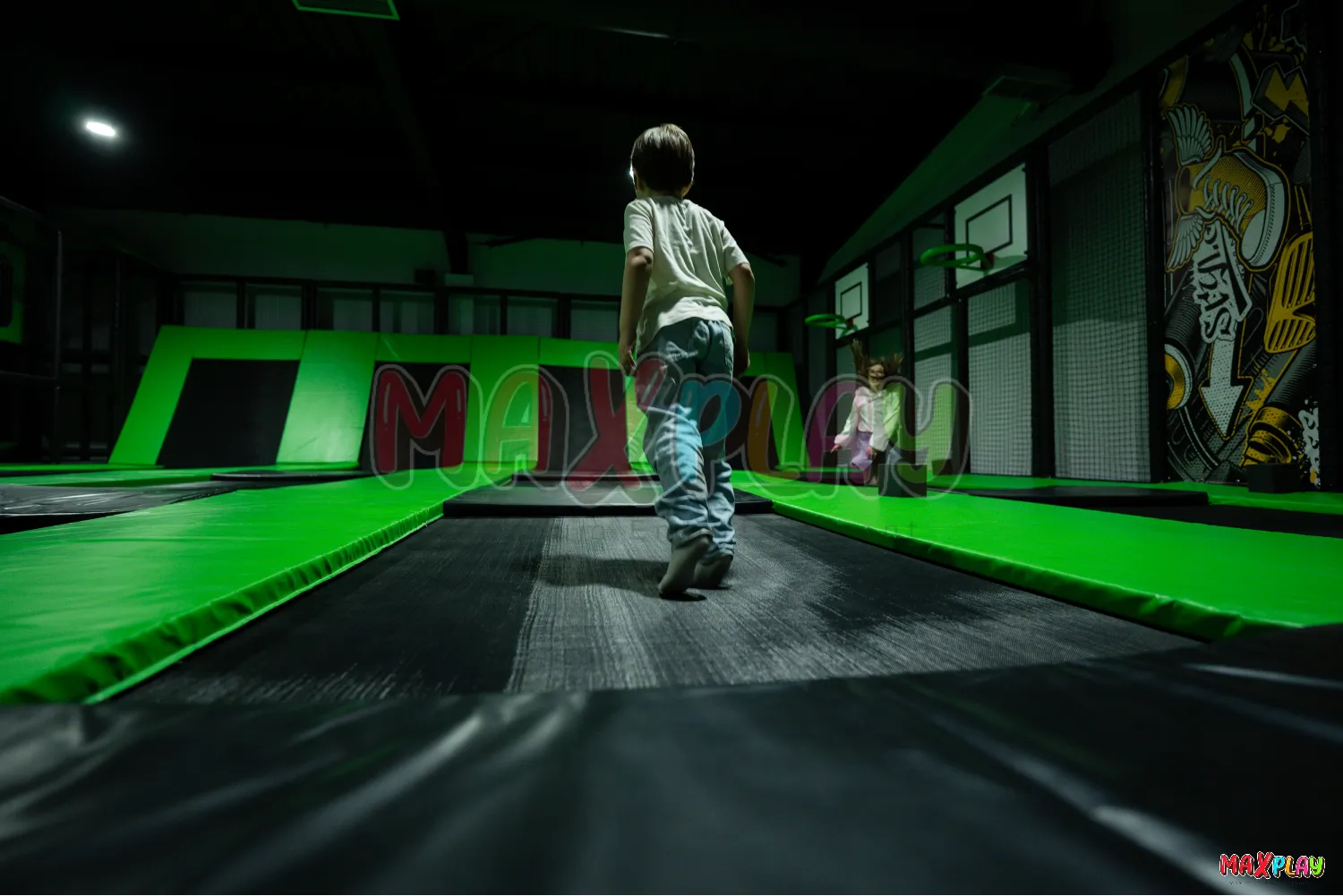
- Trampoline Manufacturing – Trampoline Park Installation
- Ball Pit Manufacturing – Ball Pit Playground Installations (with slides, etc.)
- Interactive Play Systems (Moving Soft Play Toys & Equipment)
- Sand Pit – Sand Play Areas
- Playgrounds and Role-Play Houses for Kindergartens & Nurseries
- Indoor playgrounds for businesses such as shopping malls, cafés, restaurants, etc.
- And all customized playground projects tailored to your specific needs.
From an engineering perspective, modern indoor play equipment must balance high structural integrity with premium comfort. Projects cannot rely on generic, one-size-fits-all designs; they demand a tailored combination of dynamic multi-level structures, certified impact-attenuating flooring, and specialized sensory zones. When properly executed, a turnkey installation eliminates technical discrepancies between structural sub-bases and modular play components, ensuring strict alignment with Austrian safety directives from day one.
In real-world commercial playground construction, the most critical phase is the seamless translation of architectural blueprints into functional play equipment. Minor oversights during initial spatial layouts—such as misjudging utility lines, column enclosures, or ceiling duct clearances—can lead to costly revisions during assembly. Working with an experienced international manufacturer guarantees that custom steel modular frames, rotational-moulded elements, and protective components arrive on-site pre-engineered for rapid, compliant installation.

Understanding the Austrian Indoor Play Market Before Starting a Project
Navigating the Austrian indoor entertainment market requires a clear grasp of consumer demographics, strict safety expectations, and distinct regional leisure habits. In Austria, family leisure spending is heavily influenced by quality, cleanliness, and ecological awareness. Parents and facility operators prioritize venues that offer rich physical development and creative stimulation rather than passive digital distraction. Consequently, successful family entertainment centres Austria are designed as holistic community hubs where children can engage in challenging physical play while guardians relax in dedicated hospitality zones.
The standard play centre business model in Austria depends on steady off-peak footfall, premium birthday celebration packages, and robust food and beverage integration. Modern children’s recreation venues cannot survive solely on weekend walk-in traffic; they must build recurring weekday revenue through structured toddler mornings, developmental motor-skill workshops, and local school partnerships. Incorporating the latest indoor play trends—such as natural timber finishes, sensory exploration corridors, and integrated obstacle challenges—allows operators to stand out in a competitive leisure landscape.
Meeting local customer expectations requires strict attention to material hygiene, non-toxic materials, and acoustic design. Austrian families quickly abandon venues that feel overcrowded, loud, or poorly maintained. In commercial practice, operators who invest in high-grade, noise-dampening soft architecture and maintain pristine hygiene standards achieve significantly higher customer lifetime value and stronger local reputation.
What Are the Most Durable Turkish Playground Equipment Options?
Selecting equipment with high structural resilience is critical for high-capacity European leisure venues that operate under continuous daily usage. Leading Turkish manufacturers engineer their multi-level play labyrinths using heavy-duty, hot-dip galvanized steel framing ($\ge$ 2.5 mm wall thickness) treated with anti-corrosion coatings. This structural skeleton is encased in high-density, closed-cell expanded polyethylene (EPE) foam padding and wrapped in tear-resistant, fire-retardant 650 g/m² PVC membranes. These materials withstand constant foot traffic, resist commercial chemical disinfectants, and maintain their elastic shock absorption over years of rigorous operation without sagging or seam rupture.
For dynamic and high-impact zones, commercial-grade rotational-moulded polyethylene (LLDPE) and reinforced trampoline systems represent the most robust options available from Turkish facilities. Rotationally moulded components—such as spiral tube slides, crawl tunnels, and sensory crawl domes—are produced with UV-stabilized, non-recycled polymers that prevent cracking and color fading under indoor artificial lighting. Similarly, Turkish commercial trampoline parks utilize high-tensile carbon steel springs paired with anti-abrasion woven polypropylene jump mats and double-layered perimeter safety padding, drastically reducing wear cycles and component fatigue in high-energy recreation hubs.
In real-world commercial operations, durability also depends heavily on enclosure integrity and joinery engineering. Turkish fabricators utilize high-tenacity, knotless nylon safety netting (minimum 3.5 mm strand thickness) anchored with industrial cross-lacing rather than low-grade plastic zip-ties that degrade quickly under friction. Interactive obstacles, climbing bridges, and soft foam elements are reinforced with reinforced double-stitched seams and concealed industrial zip tracks. This focus on heavy-duty raw materials and clean industrial craftsmanship ensures full compliance with European EN 1176 standards while keeping long-term maintenance and replacement overhead to an absolute minimum.
MaxPlay Playground Equipment Overview
| Equipment Name | Description | Key Benefits |
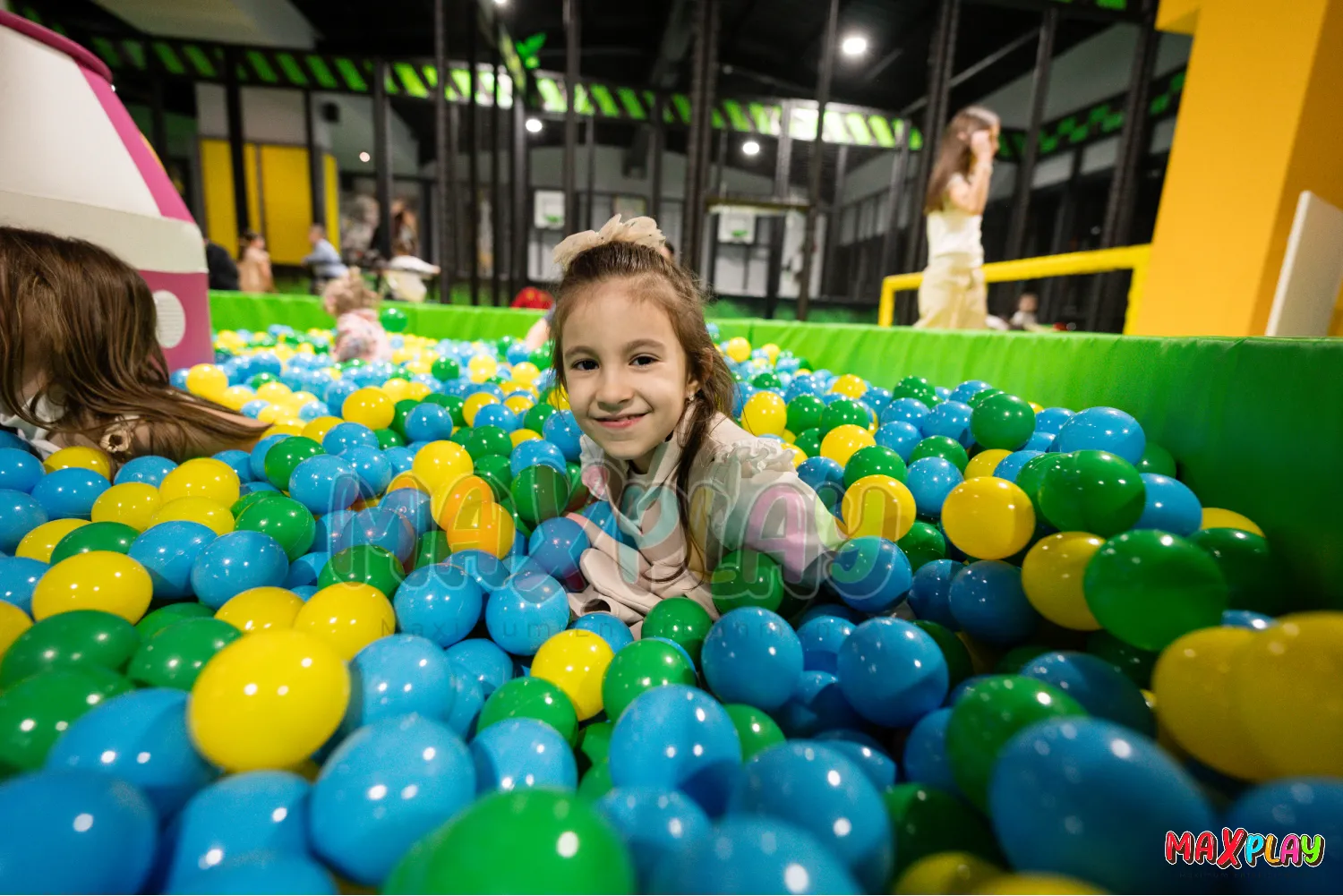
| Ball Pool | Colorful pit filled with balls for safe sensory play. | Safe fun for toddlers, easy to clean, encourages motor skills. |
| Trampoline | High-quality indoor trampolines. | Builds balance and strength, child-safe design, durable materials. |
| Interactive Game Sets | Digital and physical interactive play stations. | Boosts learning, cognitive skills, and engagement. |
| Profession Houses | Role-play houses designed for kids. | Encourages creativity, social interaction, and imagination. |
| Trampoline Park | Large-scale trampoline structures. | Suitable for older kids, high durability, safe design. |
| Roller Slide | Conveyor-style (roller) slides for continuous fun. | Efficient design, fun motion play, safe structure. |
| Tower Slide | Tower slides designed for adventure play. | Exciting design, strong safety standards, eye-catching feature. |
| Climbing Wall | Indoor climbing walls. | Builds strength and coordination, safe grips, customizable difficulty levels. |
| Volcano Slide | Volcano-shaped slides with climbing and sliding features. | Combines climbing and sliding, unique design, fun for multiple age groups. |
How Can European Businesses Import Playground Equipment from Turkey?
Importing commercial playground hardware from Turkey into the European Union is straightforward and cost-efficient due to the established EU–Turkey Customs Union. Under this trade framework, industrial manufactured goods—including indoor play sets, soft play structures, and trampoline systems—enter EU member states duty-free when accompanied by an A.TR. Movement Certificate. To initiate the process, European buyers finalize their technical specifications and layout designs, after which the Turkish manufacturer issues a formal proforma invoice, detailed packing list, and certified structural compliance documentation (such as TÜV EN 1176 certificates) required for local municipal approval.
Logistics and freight handling represent a major operational advantage for European businesses choosing Turkish suppliers over Asian exporters. Goods are palletized, wrapped in multi-layer anti-abrasion protective export packaging, and loaded directly into dedicated curtain-sided mega-trailers or standardized sea containers. For Central and Western European destinations (such as Austria, Germany, France, or the Benelux region), overland road freight routes via Bulgaria and Hungary typically take only 4 to 7 business days from factory gate to job site. This rapid transit completely avoids the volatile 35–50 day maritime delays, canal surcharges, and costly port handling fees associated with Far Eastern ocean freight.
To ensure seamless customs clearance upon arrival at the European destination, the buyer or their appointed customs broker submits the A.TR. certificate, commercial invoice, CMR consignment note, and safety declarations to local customs authorities. Because zero customs duties apply, the importer only handles standard national value-added tax (VAT), which is processed according to regular intra-community or import tax accounting rules. In commercial practice, working with an experienced Turkish manufacturer that provides comprehensive export documentation and coordinated delivery terms (such as DAP – Delivered at Place) simplifies procurement and guarantees that equipment arrives on site exactly on schedule.

How Long Does It Take to Install a Turkish Indoor Playground in Europe?
The complete on-site installation of a Turkish indoor playground in Europe typically takes between 5 to 14 working days, depending directly on the overall square metreage, structural height, and complexity of the attractions. A compact soft play structure of 100 to 200 m² is usually fully assembled and netted within 4 to 6 days. In contrast, large-scale family entertainment centres spanning 500 to 1,500 m²—featuring multi-tier climbing towers, expansive ball pools, Ninja Warrior courses, and integrated trampoline zones—generally require 10 to 14 days of dedicated assembly under professional technical supervision.
The installation timeline is divided into distinct, sequential phases that must be coordinated with overall venue readiness. Prior to the arrival of the installation team, the venue owner must complete site preparation, ensuring floor slabs are level, ambient indoor construction is finished, and main electrical hookups are live. Once components are offloaded by zone, factory-trained Turkish lead technicians oversee the anchoring of structural steel frames, installation of multi-level mezzanine decks, and secure positioning of rotational-moulded slides. The subsequent phase involves fitting high-density protective foam sleeves, precision-lacing safety netting across all perimeter panels, and seamlessly installing impact-absorbing flooring.
The final two days of the on-site timeline are dedicated to rigorous quality control, mechanical commissioning, and safety sign-off. Technicians conduct standardized probe tests to verify that all structural clearances eliminate head, neck, and finger entrapments in full accordance with EN 1176 and EN 1177 standards. Once independent inspection bodies (such as TÜV) complete on-site certification, the assembly lead conducts a comprehensive operational walkthrough, handing over maintenance manuals, cleaning protocols, and spare parts catalogs to ensure local venue staff are fully prepared for opening day.
Choosing the Right Indoor Playground Concept for Austrian Families
Selecting an effective entertainment concept involves balancing visitor age demographics, available ceiling height, and venue business goals. A high-performing facility integrates diverse attractions that cater across childhood development stages. Combining classical soft play areas with high-energy trampoline attractions ensures broad demographic appeal, drawing both early walkers and active pre-teens into dedicated, safe zones.
Specialized toddler play zones require soft, low-height sensory barriers, micro-slides, and tactile learning panels that support gross motor development without presenting fall hazards. In contrast, older children demand three-dimensional climbing structures that test agility, spatial reasoning, and balance. Modern developments also feature high-tech interactive play systems, where digital projections respond dynamically to physical interaction, bridging physical exercise and modern digital gameplay.
Effective family entertainment concepts prioritize multi-generational engagement. When designing a facility, the visual line of sight between family seating and active zones must remain open. Applying an age-specific playground design ensures older children engage in adventurous play without endangering younger visitors in adjacent areas.
Planning Play Areas Around Age Groups, Space and Visitor Flow
Efficient spatial layout planning directly drives operational safety and profitability. Allocating floor space based on age-appropriate play equipment prevents bottlenecks and minimizes collisions between different age groups. Professional zoning for children splits the floorplan into distinct developmental hubs: low-impact toddler zones near parent seating, high-traffic multi-tier play structures in central areas, and high-impact sports or trampoline sections along reinforced perimeter walls.
A well-executed playground layout planning process accounts for clear visitor circulation, structural columns, emergency egress routes, and lines of sight. In actual venue operations, a frequent layout error is positioning high-speed slide exits too close to main pedestrian paths. Slide run-outs, ball pool dismount points, and climber bases must include dedicated run-out buffers protected by high-density padding to ensure unhindered movement throughout the facility.
- Primary Circulation Spines: Maintain unobstructed central corridors at least 2.0 to 2.5 metres wide to allow effortless flow between play zones, restrooms, and dining areas.
- Acoustic & Visual Zoning: Position parent seating areas along the perimeter of the toddler and main play zones to ensure clear supervision lines while buffering café tables from equipment noise.
- Spatial Capacity Allocation: Calculate maximum instantaneous capacity based on a proven standard of 2.5 to 3.0 m² of dedicated play space per child to prevent structural overcrowding and wear.
- Operational Service Clearances: Integrate discreet 1.0-metre service clearances behind complex multi-tier frames to simplify daily sanitation, structural inspections, and maintenance access.
Smart capacity planning balances maximum legal occupancy with guest comfort. Overcrowded facilities face elevated maintenance needs and diminished parent satisfaction. Integrating spacious toddler areas, accessible stroller parking, and comfortable space optimization principles creates an open environment where families happily spend extended visits.
Safety and Compliance Factors to Consider in Austria
Commercial playground operations across Austria must adhere strictly to European safety standards EN 1176 (for playground equipment) and EN 1177 (for impact-attenuating surfacing). These technical standards establish mandatory requirements for material flammability, structural load-bearing capacity, anti-entrapment dimensions, and critical fall heights. Operating without full certification risks immediate facility closure by Austrian municipal authorities (Gewerbebehörde) and invalidates commercial liability insurance coverage.
Compliance requires thorough risk engineering across all play components. Equipment geometry must prevent head, neck, finger, and clothing entrapment by maintaining strictly audited structural clearances. Furthermore, installing certified impact-absorbing surfaces is mandatory under any play element with a fall height exceeding 600 mm. These surfaces rely on dual-layer expanded polyethylene (EPE) foam underlays combined with heavy-duty, fire-retardant PVC wrap to ensure measured Head Injury Criterion (HIC) ratings remain safely within legal limits.
Prior to public opening, Austrian venues must complete comprehensive safety inspections and systematic risk assessment reviews conducted by authorized independent inspection bodies such as TÜV Austria. Using commercial protective padding, non-toxic, phthalate-free upholstery, and precision fire-rated netting guarantees that all equipment testing protocols satisfy strict European safety requirements, safeguarding both visitors and investment capital.
Why Source Indoor Playground Equipment from Turkish Manufacturers?
Sourcing commercial play solutions from Turkish playground manufacturers has become a preferred strategy for forward-thinking European entertainment operators. Positioned at the intersection of European engineering standards and advanced industrial manufacturing, Turkey offers distinct advantages in build quality, speed, and cost efficiency over both domestic European fabricators and distant Asian suppliers.
Securing playground equipment from Turkey provides a direct logistics advantage. While Asian manufacturers face lengthy 35-to-50-day maritime shipping routes subject to global canal disruptions and volatile freight rates, Turkish production hubs dispatch direct road freight to Austria in just 4 to 7 business days. This proximity shortens project timelines significantly, allowing developers to meet aggressive facility launch schedules without paying high shipping premiums.
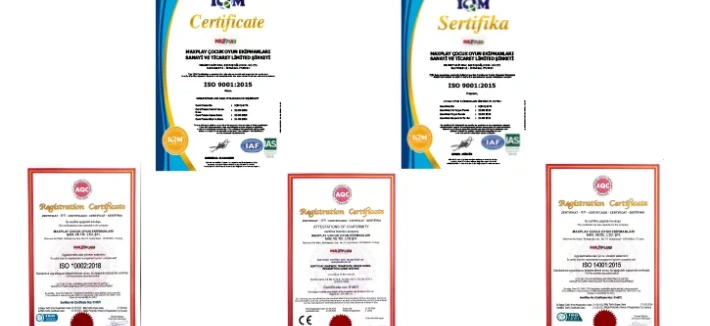
Crucially, manufacturing quality in Turkey adheres strictly to ISO 9001 and European standard certifications. Sourcing from experienced European playground suppliers located in Turkey gives operators access to competitive production costs while retaining first-grade raw materials: hot-dip galvanized structural tubing, heavy-duty 650 g/m² fire-rated PVC membranes, and non-recycled rotational-moulded plastics. Backed by extensive export experience, Turkish manufacturers handle all complex cross-border documentation smoothly, delivering high-performance playground systems at substantially lower capital expense.
Customizing Playground Equipment for Different Austrian Venues
Commercial indoor play centres operate across varied architectural environments—from converted industrial spaces with high ceilings to multi-level shopping centres and regional hospitality resorts. Standard catalog equipment rarely maximizes these irregular floor plans. Implementing bespoke playground design allows operators to optimize every square metre, designing play structures around building support columns, ceiling elevation steps, and architectural features.
Engineering made-to-measure play structures ensures maximum play volume without creating unusable dead spaces. Custom-welded modular connections allow frames to expand vertically across several mezzanine tiers or snake around utility risers. Applying custom colour schemes and branded play environments unifies the facility’s identity, matching local design preferences or reinforcing an overarching franchise brand.
Developing themed playgrounds—such as Alpine exploration, enchanted nature, futuristic spaceports, or modern urban skylines—greatly enriches the visitor experience. Through precision architectural integration, every piece of space-specific equipment matches the physical venue dimensions precisely, turning structural limitations into interactive, multi-tiered play features.
From Factory Production to Delivery: Managing Equipment Logistics from Turkey
Coordinating freight logistics from Turkey to Austrian job sites requires structured supply chain management. The process begins at the factory, where heavy structural steel posts, high-density foam padding, and rotationally moulded slides are indexed, packed, and loaded. Professional export packaging utilizes heavy-duty multi-layer bubble wrap, edge protectors, and custom crating for sensitive interactive systems, ensuring zero transit friction or abrasion damage over long-distance transit.
Efficient Turkey to Austria shipping relies on established European delivery routes, moving trucks across international transit corridors directly into Austrian distribution hubs in Lower Austria, Styria, or Upper Austria. Because Turkey participates in the European Customs Union, shipments backed by correct customs documentation (such as ATR Movement Certificates) clear customs smoothly with zero import duties on industrial manufactured equipment, eliminating bureaucratic delays.
A successful logistics strategy hinges on harmonizing transit timelines with site readiness. Dispatching international freight too early can clutter an unfinished site, while delivery delays stall local installation teams. Structured transport planning ensures that container arrivals synchronize with site readiness, enabling immediate offloading and swift assembly.
Balancing Equipment Quality, Durability and Long-Term Operating Costs
When investing in commercial soft play equipment, evaluating initial purchase price against total cost of ownership is essential. High-traffic commercial play spaces endure thousands of active children each week. Choosing substandard materials quickly results in split vinyl seams, compressed low-density foam, torn safety netting, and frequent operational downtime that hurts venue revenue.
Investing in genuine commercial-grade playground equipment made with durable materials ensures continuous performance in heavy-use play structures. Structural uprights must utilize hot-dip galvanized steel tubing coated with anti-corrosive finishes, while soft components require high-density, closed-cell polyurethane foam covered in heavy-duty, fire-retardant 0.55mm PVC. These easy-clean surfaces resist harsh commercial sanitizing agents and maintain structural elasticity over years of heavy daily use.
Planning for continuous operation involves factoring in preventive maintenance requirements and stocking critical replacement components on site. Selecting play structures designed for modular servicing allows operators to swap worn visual elements, netting panels, or slide sections easily without shutting down entire multi-tier frames, keeping long-term lifecycle costs low.
Designing Attractions That Increase Dwell Time and Repeat Visits
Maximizing revenue per square metre requires designing attractions that extend customer dwell time and encourage repeat visits. When children remain deeply engaged in imaginative, active play, family stays naturally lengthen, driving secondary spending across on-site cafés, snack bars, and dining areas.
Achieving high visitor engagement requires balancing challenging physical obstacles with discovery-driven play. Sprawling multi-level play structures that combine rope suspension bridges, vertical climb labyrinths, transparent observation pods, and rapid drop slides keep children engaged in active, self-directed exploration.
- Integrated Multi-Level Mazes: High-density vertical labyrinths keep children active longer by offering diverse physical routes, climbing tubes, and sensory chambers on every level.
- Challenging Activity Zones: Timed obstacle paths and Ninja Warrior challenges drive repeat visits as children return regularly to beat their previous personal bests.
- Gamified Digital Integration: Modern projection-mapped ball targets and dynamic sensor floors turn physical play into interactive games, appealing directly to screen-oriented generations.
- Immersive Thematic Design: Cohesive physical and visual worlds—from alpine peaks to deep-sea landscapes—spark imaginative play, transforming a simple playground visit into a memorable family entertainment experience.
Adding dynamic interactive attractions—such as interactive ball-strike targets, digital floor projections, and timed activity zones—bridges traditional physical exercise with interactive gameplay. This diverse mix elevates overall play value, driving high repeat customers and reliable customer retention, positioning the venue as a premier destination for birthday parties, school outings, and family weekend trips.
Coordinating Installation, Site Preparation and Final Project Handover
The transition from equipment delivery to live operation requires precise on-site project coordination. Before playground installation begins, comprehensive site preparation must verify floor slab levelness, confirm weight load capacities, position primary power outlets, and ensure clean indoor environmental conditions. Attempting to install modular play frames while heavy structural construction is ongoing risks exposing soft components and safety netting to abrasive drywall dust and construction debris.
Professional installation proceeds under the direct assembly supervision of factory technicians. These engineers manage equipment positioning, anchor structural bases securely to concrete slabs, align multi-tier framing, and oversee seamless flooring installation. Every structural joint, protective foam sleeve, and safety net connection is laced and tensioned by hand to prevent gaps and structural movement under heavy dynamic loads.
The final commissioning phase includes rigorous final safety checks before public opening. Technicians inspect all internal clearances using standardized entrapment probes, verify that safety nets remain taut, and ensure impact flooring meets specified fall protection parameters. The handover package includes complete operational manuals, daily maintenance checklists, component certificates, and engineering blueprints, ensuring local facility teams can manage daily operations safely and smoothly.
Evaluating Turkish Suppliers for a Reliable Indoor Playground Investment
Choosing the right indoor playground supplier is one of the most critical decisions when developing a commercial family entertainment centre. Operators must look beyond marketing claims and conduct rigorous supplier evaluation and careful manufacturer selection based on documented factory capabilities, production experience, and proven engineering expertise.
A reputable indoor playground equipment manufacturers partner should demonstrate robust quality control, including automated precision tube cutting, high-grade plastic rotational moulding, CNC routing, and industrial textile stitching. Visiting manufacturing facilities or requesting direct video audits provides clear insight into raw material handling, safety checks, and fabrication standards.
Equally important is reviewing a supplier’s technical documentation and project references across the European Union. Reliable soft play manufacturers provide comprehensive engineering packs, including static structural calculations, flame-retardant material certificates, and detailed assembly drawings that streamline local municipal safety approvals. Sourcing from experienced partners ensures that every element of your indoor soft playground equipment arrives built to code, on schedule, and ready for commercial operation with reliable export capabilities.

Building a Complete Indoor Playground Project with MaxPlay
Bringing a commercial play concept to life requires an experienced manufacturing partner who understands both design and long-term operations. As a premier Turkish indoor playground manufacturer, MaxPlay delivers comprehensive, end-to-end execution across Europe, supplying custom commercial play centres and high-capacity trampoline park equipment built to high international standards.
MaxPlay manages every stage of development through integrated, client-focused engineering. By choosing our MaxPlay indoor playground solutions, operators access certified, first-grade materials that match or exceed Western European build standards—at substantially more competitive production costs than regional fabricators, and with significantly shorter lead times and higher build quality than Asian suppliers. From comprehensive playground design and manufacturing to final on-site equipment installation, we deliver proven results for demanding international playground projects.
Our dedicated engineering team provides free, comprehensive architectural design and project-specific solutions tailored precisely to your building’s footprint, ceiling heights, and revenue targets. Whether you require a specialized trampoline park manufacturer, custom soft play equipment wholesale supply, an interactive interactive playground equipment setup, an integrated ball pool, a modular indoor play set, or an all-inclusive toddler play set indoor environment, our turnkey playground projects balance high play value with long-term commercial durability. Secure your competitive edge in the Austrian leisure market—claim your completely free 3D design and project consultation with our engineering team today by contacting us now!