





Top Indoor Playground Equipment Manufacturers in Belgium: Trusted Options for Businesses
Navigating the commercial entertainment sector across Western Europe requires a balance between architectural precision, absolute safety compliance, and compelling play value. Business owners, real estate developers, and hospitality managers looking for the top indoor playground equipment manufacturers in Belgium often face a fragmented marketplace where domestic assembly hubs, regional distributors, and international direct manufacturers compete. Choosing the right partner involves assessing engineering capability, raw material certifications, and the logistical agility required to execute projects within strict commercial deadlines.
As MaxPlay Playground Equipment, we provide professional solutions for indoor playgrounds and soft play areas. We design, manufacture, install, and assemble indoor playground equipment and soft play systems for commercial spaces. Contact us for turnkey indoor playground projects.
| Landline: | 0216 377 10 88 |
| Mobile / WhatsApp: | 0532 069 53 17 |
| E-Mail: | info@maxplay.com.tr |
| Address: | Google Maps |
You can contact us for all your projects across Türkiye and international markets.
Our Services:
- Trampoline Manufacturing – Trampoline Park Installation
- Ball Pit Manufacturing – Ball Pit Playground Installations (with slides, etc.)
- Interactive Play Systems (Moving Soft Play Toys & Equipment)
- Sand Pit – Sand Play Areas
- Playgrounds and Role-Play Houses for Kindergartens & Nurseries
- Indoor playgrounds for businesses such as shopping malls, cafés, restaurants, etc.
- And all customized playground projects tailored to your specific needs.
Building a profitable indoor leisure venue requires looking beyond basic aesthetics to focus on long-term operational durability. When selecting an indoor playground supplier, Belgian commercial operators must evaluate structural steel engineering, vinyl tear strengths, non-toxic foam densities, and compliance with stringent local building and fire safety codes. This guide breaks down the procurement landscape, structural engineering requirements, supply chain advantages, and operational best practices for launching and maintaining high-yield commercial play facilities across Belgium.
Understanding your physical footprint and spatial flow early in the planning stage prevents costly retrofit delays later. A comprehensive assessment of local demographics, operational overheads, and target user capacity will determine whether a high-density vertical layout or a wide, expansive multi-attraction format is required to achieve your business goals.

Understanding Belgium’s Demand for Commercial Indoor Play Spaces
Belgium presents a distinct market landscape for commercial indoor leisure, driven by demographic density, consistent purchasing power, and a maritime temperate climate that ensures year-round demand for sheltered recreational venues. The Belgian family entertainment market has evolved beyond simple ball rooms; modern consumers demand integrated destinations that combine physical activity, digital interactivity, and comfortable hospitality spaces for parents. From metropolitan hubs like Brussels and Antwerp to regional centers across Flanders and Wallonia, the competition for family foot traffic is intensely focused on equipment quality, operational hygiene, and experiential uniqueness.
In practical site planning, Belgian commercial play facilities face specific architectural challenges, such as integrating multi-level play structures into historic brick warehouses, newly developed retail parks, or mixed-use retail complexes with low ceilings. Operating an indoor recreation centre in these areas requires a clear understanding of urban planning constraints, acoustic dampening, and accessibility laws. Venues that thrive treat the play system not merely as an attraction, but as an engineered revenue engine designed to maximize dwell time, secondary spending in food and beverage zones, and repeat bookings for children’s activity venues and private events.
The financial viability of these venues depends directly on operational durability and capacity management. When designing children’s activity venues, experienced operators know that throughput management during peak weekend hours dictates the return on investment. If a facility bottlenecks at the entrance or features poorly planned traffic flow around central attractions, visitor satisfaction drops and safety risks rise. High-traffic commercial play spaces require heavy-duty manufacturing and intuitive modular designs that keep children moving, engaged, and safe across different activity zones.
Which Turkish Soft Play Equipment Is Most Popular in Belgium?
Belgian commercial leisure venues prioritize high-throughput, multi-generational attractions that balance long-term durability with strict safety compliance. Multi-level modular soft play structures represent the most popular category sourced from Turkey, serving as the functional anchor for family entertainment centers across Brussels, Antwerp, and Ghent. Turkish manufacturers excel at engineering these multi-tiered mazes with heavy-duty galvanized steel framing, flame-retardant vinyl, and dense closed-cell protective padding, integrating obstacle tracks, rope bridges, and high-speed spiral slides that keep high volumes of children active while keeping operational sightlines open for staff.
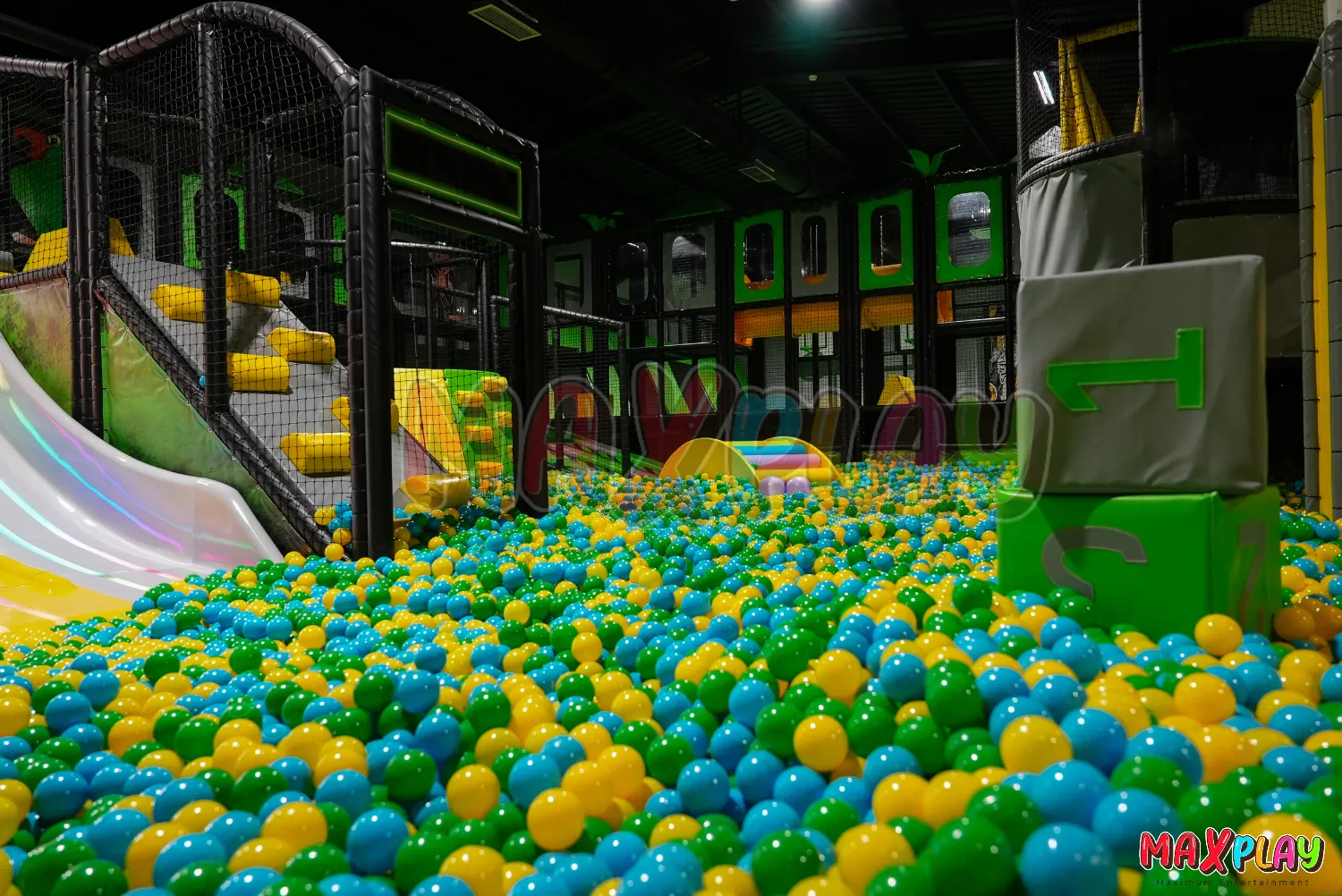
Dynamic volcano climbing slides integrated with oversized ball pools rank among the highest-demand standalone attractions for Belgian shopping malls and dedicated play parks. These structures feature non-slip vinyl inclines equipped with heavy-duty climbing grips that lead to wide descent slides dropping into commercial ball pits. Turkish fabricators utilize certified non-toxic, anti-static plastic spheres and reinforced commercial-grade PVC skins that resist seam fatigue under continuous commercial use, giving operators a visually striking centerpiece that drives repeat family visits.
Interactive soft play configurations and sensory toddler zones complete the list of top-performing Turkish equipment in the Belgian market. Operators increasingly invest in hybrid attractions, such as projection slide games, sensor-activated touch walls, and automated ball fountain systems that merge digital gaming with physical movement. For younger demographics, dedicated low-profile toddler sets with tactile learning panels, soft crawling tunnels, and closed-cell foam blocks are frequently paired with main attractions to capture weekday parent-toddler traffic safely separated from older age groups.
MaxPlay Playground Equipment Overview
| Equipment Name | Description | Key Benefits |
| Ball Pool | Colorful pit filled with balls for safe sensory play. | Safe fun for toddlers, easy to clean, encourages motor skills. |
| Trampoline | High-quality indoor trampolines. | Builds balance and strength, child-safe design, durable materials. |
| Interactive Game Sets | Digital and physical interactive play stations. | Boosts learning, cognitive skills, and engagement. |
| Profession Houses | Role-play houses designed for kids. | Encourages creativity, social interaction, and imagination. |
| Trampoline Park | Large-scale trampoline structures. | Suitable for older kids, high durability, safe design. |
| Roller Slide | Conveyor-style (roller) slides for continuous fun. | Efficient design, fun motion play, safe structure. |
| Tower Slide | Tower slides designed for adventure play. | Exciting design, strong safety standards, eye-catching feature. |
| Climbing Wall | Indoor climbing walls. | Builds strength and coordination, safe grips, customizable difficulty levels. |
| Volcano Slide | Volcano-shaped slides with climbing and sliding features. | Combines climbing and sliding, unique design, fun for multiple age groups. |
How Long Does It Take to Install a Turkish Indoor Playground in Belgium?
The end-to-end timeline for manufacturing, delivering, and installing a Turkish indoor playground in Belgium typically spans between 5 to 9 weeks, offering a significantly faster turnaround than importing from overseas Asian manufacturers. The process begins with the engineering and production phase, which requires roughly 3 to 6 weeks depending on square footage, thematic customization, and structural complexity. During this stage, Turkish factories complete 3D space planning, static load calculations, precision steel fabrication, and preliminary test assemblies to ensure full compliance with European EN 1176 standards before the equipment leaves the floor.
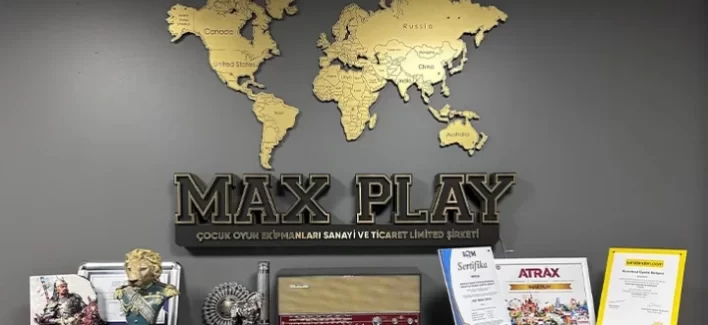
Logistics and European freight represent the fastest stage of the delivery timeline thanks to direct overland transport links between Turkey and Belgium. Utilizing dedicated international TIR road freight, shipments travel from Turkish industrial hubs directly to Belgian job sites in just 5 to 7 business days, avoiding the 35 to 60-day transit times and unpredictable port delays typical of maritime cargo. Furthermore, under the EU–Turkey Customs Union (ATR certificate procedures), equipment clears European customs seamlessly without standard import tariff delays, ensuring the cargo arrives exactly when the facility is prepared for fit-out.
On-site assembly and final handover generally require 5 to 14 working days, depending on the venue’s overall layout and ceiling heights. Factory-trained installation teams or certified regional partners assemble the structural framework, secure high-tensile safety netting, wrap load-bearing posts with impact-absorbing foam, and mount all modular slide components. Because the modular elements are pre-engineered and test-fitted during manufacturing, on-site setup proceeds efficiently, leaving the facility fully prepped for mandatory third-party safety audits and immediate commercial launch.
Why Are Turkish Playground Prices More Competitive?
Turkish playground manufacturers provide a substantial pricing advantage for Belgian businesses by leveraging an integrated domestic manufacturing ecosystem. Turkey houses a mature industrial supply chain for high-grade technical textiles, precision steel tube extrusion, rotational plastic molding, and specialized cross-linked foam production. Sourcing these certified raw materials domestically eliminates the costly import duties, multiple middleman markups, and volatile currency conversions that inflate manufacturing expenses for Western European assemblers who outsource primary fabrication.
Favorable operational and skilled labor costs allow Turkish manufacturers to deliver superior craftsmanship at competitive commercial price points. Labor-intensive processes essential to high-end soft play—such as double-stitched heavy PVC vinyl tailoring, custom architectural theme building, and precision metal welding—involve rigorous manual quality control without escalating the final invoice. This economic balance allows Belgian leisure operators to commission fully customized, bespoke play structures for the price of standard catalog units available elsewhere in Europe.
Logistical efficiency and favorable international trade agreements further maximize the overall return on investment for Belgian buyers. Direct overland trucking significantly lowers transport costs per cubic meter compared to inflated container shipping rates, while the EU–Turkey Customs Union exempts playground equipment accompanied by an ATR document from standard EU customs import duties. These combined supply chain savings ensure Belgian businesses receive certified, commercial-grade equipment built to European standards at direct-from-factory pricing that maximizes project ROI from day one.
Which Playground Equipment Works Best for Belgian Indoor Venues?
Selecting the optimal indoor play equipment requires matching the physical venue layout with the target audience profile. Multi-level soft playground equipment forms the structural backbone of high-capacity venues, allowing operators to maximize vertical ceiling clearance through integrated challenges, rope bridges, crawl tubes, and spiral slides. These modular systems provide extensive play capacity within a contained footprint, maximizing revenue per square meter while keeping operational sightlines clear for staff supervision.
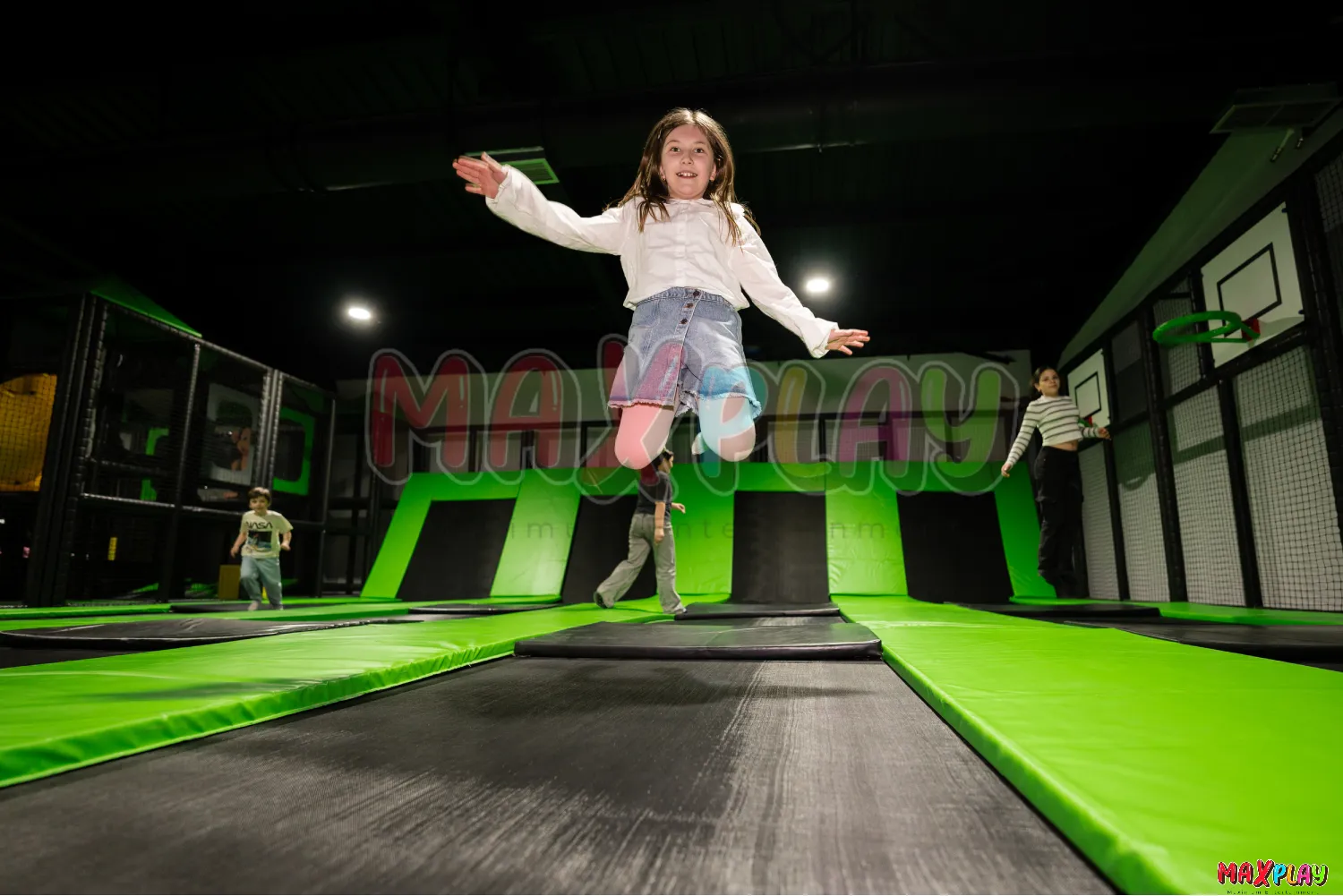
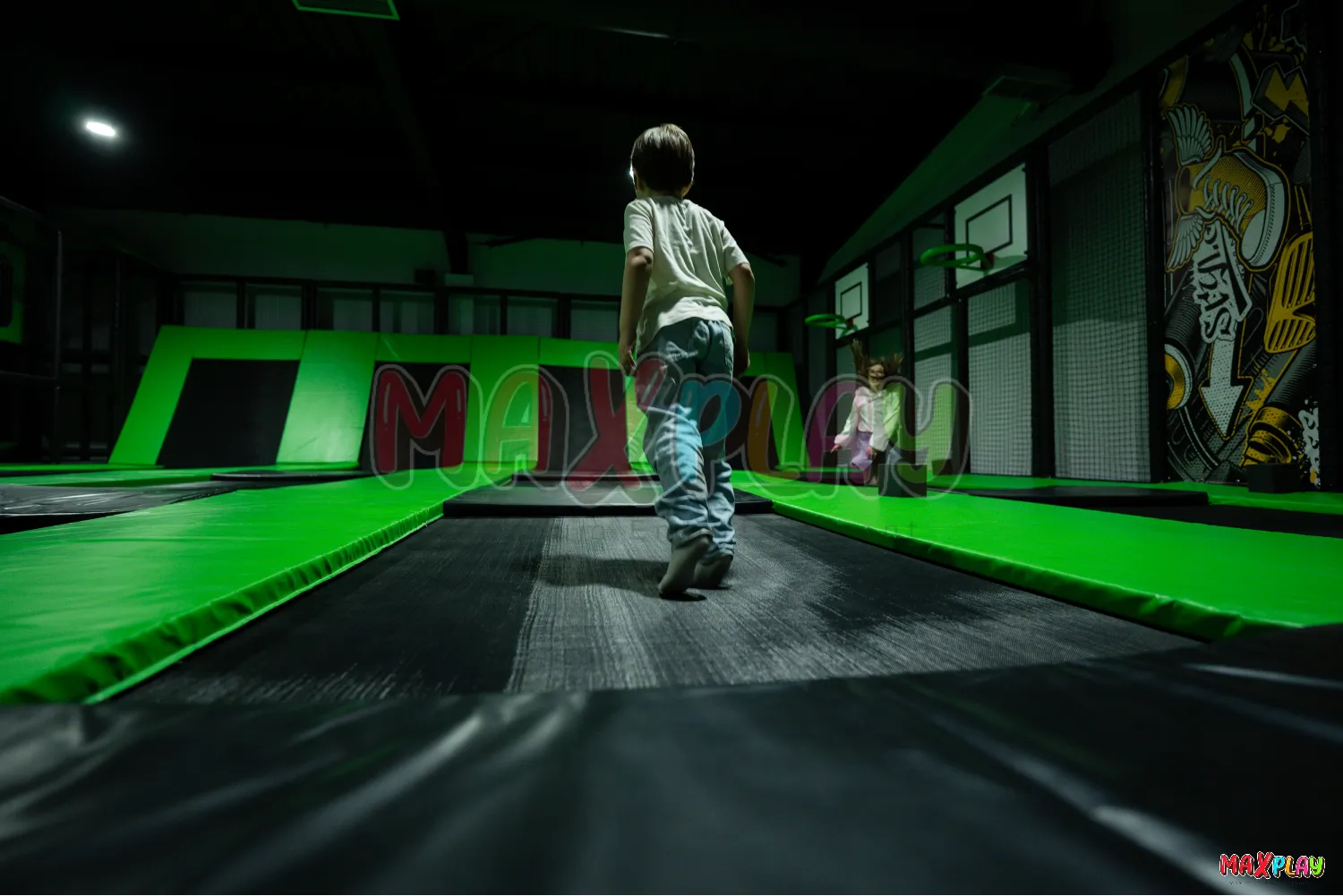
Complementing large modular mazes with a heavy-duty trampoline park equipment setup or dynamic free-jump area has become the industry standard for capturing older demographics and teen birthday party revenue. For younger age groups, integrating a classic ball pool combined with sensory elements, soft building blocks, and an adjacent toddler play set indoor configuration prevents younger children from wandering into high-speed zones. Combining traditional soft play with modern interactive playground equipment—such as digital projection slide games, interactive climbing walls, and sensor-driven touch targets—substantially increases repeat visits by blending digital gamification with intense physical activity.
Practical commercial installations show that single-attraction venues struggle with customer retention compared to multi-zone venues. A facility that pairs a large modular indoor soft playground equipment core with dedicated ninja obstacle courses, sensory soft play zones, and automated ball cannons delivers a far higher average dwell time. Balancing passive play components with active physical challenges ensures the venue appeals equally to high-energy weekend crowds, structured school trips, and weekday toddler playgroups.
Designing Play Zones for Different Age Groups and Visitor Profiles
A common operational pitfall in indoor leisure center design is treating all children as a single demographic. Successful commercial layouts separate age groups to prevent physical collisions, reduce intimidation for toddlers, and keep older children appropriately challenged. A well-engineered facility establishes clear boundaries between low-impact sensory zones and fast-paced athletic attractions, ensuring smooth visitor flow from the ticket counter through the play floor to the seating areas.
- Infant and Toddler Zones (Ages 0 to 3): Dedicated low-profile sensory play, soft crawling tunnels, closed-cell foam padding, and mini-slides situated immediately adjacent to parent seating, ensuring total visual control and physical safety away from older children.
- Junior Adventure Zones (Ages 4 to 8): Multi-level soft play labyrinths, dual-lane racing slides, obstacle courses, ball collection arenas, and medium-height climbing structures that develop spatial coordination and motor skills.
- High-Energy Adventure and Youth Zones (Ages 8+): Interconnected trampoline park manufacturer-grade jump grids, aerial rope courses, climbing walls, timed ninja warrior tracks, and interactive digital sports games designed for maximum physical exertion.
Parent-friendly facility layouts are essential for maximizing secondary revenue. If seating and dining areas are noisy, cramped, or have obstructed views of the main play structures, parents will cut visits short. Professional spatial planning integrates acoustic baffles, clear glass perimeter barriers, direct charging points, and unobstructed lines of sight to the play zones, encouraging parents to stay longer and spend more on food and beverage services.
Safety Standards to Review When Buying Commercial Playground Equipment in Belgium
Operating a commercial recreation space in Belgium requires absolute adherence to European safety mandates, specifically the EN 1176 series (covering commercial playground equipment and surfacing) and EN 1177 (impact attenuating playground surfacing). Compliance is not merely a formality; it is a critical legal safeguard against liability and a prerequisite for obtaining operating permits and commercial liability insurance. Every structural connection, net aperture, and slide deceleration zone must meet exact engineering tolerances.
In practical factory evaluations, buyers must distinguish between suppliers who claim compliance and those who provide legitimate, third-party test certificates from recognized European notified bodies. Equipment must be engineered to prevent head, neck, finger, and clothing entrapment. Vinyl coverings must be fire-retardant (typically certified to DIN 4102 B1 or EN 13501-1 standards), phthalate-free, non-toxic, and UV-resistant, while all structural steel frames must feature impact-absorbing padding secured with industrial-grade, tamper-proof fastening systems.
Risk assessments must extend to ongoing maintenance access. Equipment should be built with hidden service zippers, accessible structural inspection ports, and modular replacement panels so that regular inspections do not require dismantling entire play sections. Choosing a manufacturer that provides full technical dossiers, spare parts catalogs, and certified structural calculation reports is essential for smooth audits by Belgian technical inspection authorities.

Why Belgian Businesses May Consider Playground Manufacturers in Turkey?
Belgian leisure developers are increasingly sourcing their equipment directly from Turkey rather than relying on local assembly resellers or importing from East Asia. Turkey has established itself as an industrial manufacturing powerhouse for the global leisure industry, combining advanced robotic metal fabrication, automated rotational plastic molding, and European-standard vinyl assembly with highly competitive production costs. This allows European businesses to secure premium commercial soft play equipment at a fraction of the cost of domestic Western European fabricators.
The logistical proximity between Turkey and Belgium offers a distinct operational advantage over East Asian supply chains. Shipping commercial playground structures by sea freight from Asia routinely takes 35 to 60 days, leaving shipments vulnerable to port disruptions and volatile container pricing. In contrast, dedicated road freight from industrial hubs in Turkey reaches Belgian job sites within 5 to 7 business days. This speed prevents expensive construction delays, ensures reliable schedules for opening dates, and simplifies installation timelines.
Under the framework of the European Union–Turkey Customs Union (ATR certificate arrangements), industrial playground components enter Belgium free of basic customs import tariffs. This trade setup, combined with direct ground transportation, simplifies supply chain administration and makes warranty support, replacement parts, and phase-two modular expansions significantly faster and more affordable than working with distant overseas suppliers.
Custom Playground Structures for Shopping Centres, FECs and Hospitality Venues
Commercial venues require bespoke structural solutions that match their brand identity, ceiling profiles, and commercial objectives. A standardized, catalog-bought indoor play set rarely maximizes the revenue potential of an irregularly shaped commercial space. Custom-engineered play equipment transforms awkward architectural challenges—such as low structural beams, mezzanine columns, and irregular floor footprints—into distinctive, interactive play features that make the venue stand out.
In shopping malls and retail centers, custom play structures serve as architectural anchor attractions that increase family foot traffic and boost retail dwell times. For hotels, holiday parks, and family restaurants, bespoke indoor play areas turn off-peak seasons into reliable revenue streams. Customization extends beyond color palettes; it includes incorporating local cultural motifs, proprietary brand mascots, interactive lighting rigs, and specialized multi-story spiral elements engineered specifically for high-ceilinged atriums.
Real-world commercial build-outs show that custom manufacturing must always prioritize maintenance access alongside visual appeal. Complex custom elements—such as transparent acrylic crawl tubes, thematic fiberglass facades, and integrated climbing towers—require accessible access panels, durable clean-out points, and modular wear parts. An experienced manufacturer designs every custom installation so that daily cleaning, periodic sanitation, and technical safety inspections can be completed quickly without taking core attractions out of service.
Comparing Materials, Construction Quality and Long-Term Durability
The long-term profitability of an indoor play center depends on the durability of its core structural materials. Under heavy daily use, low-grade consumer materials degrade rapidly: budget vinyl splits at the seams, low-density foam collapses into rigid blocks, and low-grade steel frames flex under dynamic loads. Sourcing from professional soft play manufacturers ensures that every load-bearing pipe, foam pad, and protective skin is engineered specifically for commercial use.
Commercial-grade framework construction requires hot-dip galvanized steel tubing (minimum 48mm outer diameter with a 2.0mm to 3.25mm wall thickness) connected by high-tensile, cast-iron internal locking clamps. Protective pipe wrap must use high-density, closed-cell cross-linked polyethylene (EPE/XPE) foam covered by heavy-duty 0.55mm to 0.90mm (650g/m² to 1000g/m²) PVC vinyl coated fabric. This material configuration resists stretching, cracking, and tearing, while passing rigorous fire retardancy tests and maintaining structural integrity through years of heavy commercial traffic.
Durability also applies to secondary elements such as slide plastics, ball pool spheres, and interactive panels. Rotational-molded linear low-density polyethylene (LLDPE) elements must feature UV stabilizers and anti-static additives to prevent electrical charges from building up during continuous slide friction. Investing in commercial-grade materials directly reduces lifetime operating costs, minimizes safety liabilities, and prevents unplanned downtime.
Ordering Playground Equipment in Bulk for Multiple Belgian Locations
For entertainment franchises, regional holiday park chains, and multi-unit restaurant operators scaling across Belgium, managing bulk playground procurement requires unified manufacturing and production control. Ordering equipment across several venues demands strict manufacturing standardization to ensure consistent brand identity, shared replacement part inventories, and uniform safety standards across all locations.
Working with an industrial soft play equipment wholesale partner enables multi-site operators to negotiate volume pricing, streamline structural engineering approvals, and schedule staggered production runs that align with real estate handovers. Centralized manufacturing ensures that whether a venue opens in Ghent, Liège, or Namur, every module uses identical structural clamps, vinyl formulations, and safety net attachments. This standardization makes staff training, safety audits, and routine maintenance consistent across the entire portfolio.
Coordinated multi-site rollouts also reduce supply chain risks. An established manufacturer can engineer, fabricate, and warehouse standardized modular sub-assemblies, shipping them on demand as each site’s interior fit-out is completed. This phased supply approach prevents finished play equipment from sitting unprotected on active, dusty construction sites, reducing early wear and accelerating the timeline from handover to the grand opening.
Transporting Indoor Playground Equipment from Turkey to Belgium
Transporting large commercial playground components requires careful logistics planning, container optimization, and freight management. Soft play equipment, trampoline structures, and multi-tier climbing frames are voluminous, irregularly shaped, and include both dense steel components and delicate soft pads. Improper packing can crush foam sections, scuff custom vinyl, or scratch powder-coated steel before the equipment even reaches the job site.
Experienced Turkish manufacturing exporters use specialized packaging protocols to secure freight for transit across Europe. Heavy steel frames and hardware are palletized, strapped, and positioned low in the transport vehicle to maintain a low center of gravity, while soft play blocks, vinyl steps, and foam pads are vacuum-compressed or wrapped in heavy protective film and loaded above. Plastic slide segments and rotational-molded components are protected with multi-layer bubble wrap and custom wooden edge crates to prevent stress fractures during transit.
Direct road transport from Turkey to Belgium via international TIR trucks eliminates intermediate container handling at sea ports. This direct route cuts transit times down to just 5 to 7 days, minimizes handling risks, and allows delivery vehicles to coordinate directly with on-site installation crews, ensuring equipment is unloaded right when the building is ready for assembly.
What to Check Before Choosing an Indoor Playground Equipment Manufacturer
Selecting the right partner from the pool of global indoor playground equipment manufacturers requires thorough technical and financial due diligence. Business owners must look beyond polished 3D catalog renders and verify the manufacturer’s real-world engineering capabilities, factory machinery, and physical build quality. Relying on unvetted intermediaries or brokers without manufacturing facilities often leads to production delays, mismatched material specifications, and missing safety documentation.
- Direct Manufacturing Facility and Tooling: Verify that the supplier owns their steel fabrication, rotational plastic molding, and vinyl sewing workshops. Brokers who outsource production lack direct quality control over weld integrity, foam density, and vinyl seams.
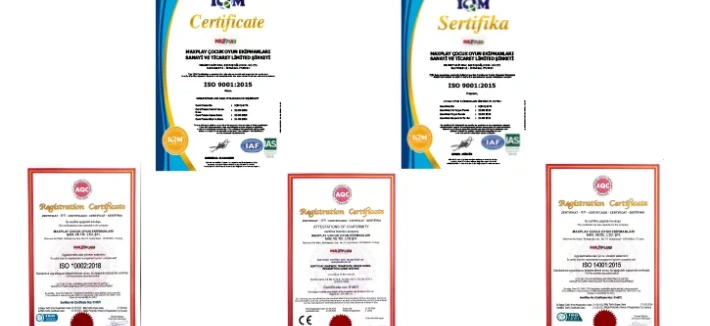
- Verified European Certifications: Demand genuine EN 1176 and EN 1177 safety certificates issued by accredited European test bodies. Check that the certifications cover the complete structural systems, not just raw plastic samples.
- Comprehensive Technical Documentation: Ensure the partner supplies full static structural calculation packages, flammability test results, installation schematics, maintenance schedules, and localized operations manuals.
- Verifiable Commercial Reference Projects: Review the manufacturer’s completed commercial installations across Europe. Speak directly with existing venue operators to verify the supplier’s timeline reliability, installation quality, and after-sales support.
A reliable manufacturer works as an engineering partner rather than a simple product vendor. They should review your architectural blueprints, identify structural challenges, propose value-engineering solutions, and coordinate with local installation teams to ensure the finished venue passes all safety inspections on the first attempt.

A Complete Playground Manufacturing and Supply Approach with MaxPlay
Bringing a commercial indoor playground from concept to reality requires an integrated manufacturing partner that understands every step of the process. As an established Turkish manufacturer serving the European leisure market, MaxPlay provides end-to-end turnkey solutions for commercial play spaces. By handling every stage in-house—from initial 3D concept development and architectural space planning to structural steel fabrication, custom thematic tailoring, and rapid European logistics—MaxPlay delivers high-durability play attractions that meet the highest international engineering and safety standards.
Every system manufactured by MaxPlay is built using certified, first-class raw materials engineered for continuous, heavy commercial use. Our hot-dip galvanized steel assemblies, non-toxic flame-retardant PVC vinyls, ultra-high-density cross-linked foam cores, and heavy-duty rotational molded plastics comply with EN 1176 and international health and hygiene directives. This industrial-grade construction ensures your facility withstands heavy traffic while maintaining structural safety and a vibrant, professional aesthetic.
By pairing competitive direct-from-factory pricing with fast European road freight, MaxPlay delivers superior material quality, faster project turnaround times, and lower overall capital investment than traditional East Asian suppliers or local assembly resellers. Our direct supply chain model simplifies logistics, keeps your project on schedule, and ensures seamless coordination throughout the entire build.
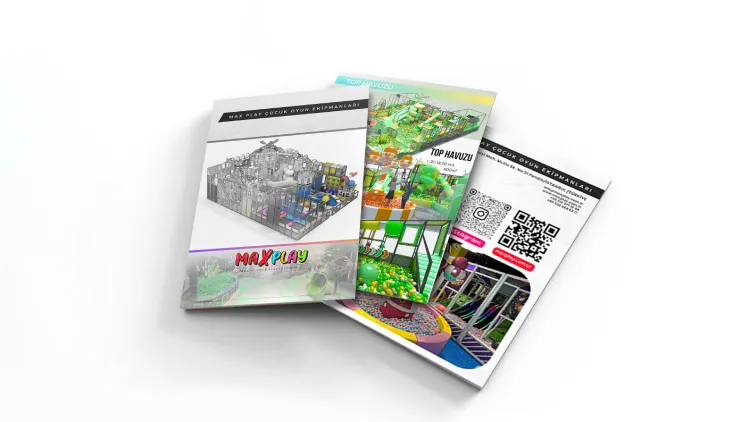
Every new venue begins with custom space planning tailored to your exact architectural footprint and revenue goals. Engineering and 3D project design services are completely free of charge. Contact our specialized technical team today to request your custom project proposal, review your venue floor plans, and start building your next high-yield indoor leisure destination.