





Soft Play Equipment Supplier in the Netherlands: Tips for Smart Purchasing
Investing in high-traffic leisure infrastructure requires balancing initial capital outlay, long-term durability, and strict European safety compliance. Finding the right indoor playground supplier involves looking past surface aesthetics to assess structural engineering, material chemistry, and logistics reliability. Whether setting up a new facility in Rotterdam or upgrading an established family entertainment centre in Amsterdam, smart procurement begins with choosing a manufacturing partner capable of delivering turnkey commercial systems engineered for relentless operational use.
As MaxPlay Playground Equipment, we provide professional solutions for indoor playgrounds and soft play areas. We design, manufacture, install, and assemble indoor playground equipment and soft play systems for commercial spaces. Contact us for turnkey indoor playground projects.
| Landline: | 0216 377 10 88 |
| Mobile / WhatsApp: | 0532 069 53 17 |
| E-Mail: | info@maxplay.com.tr |
| Address: | Google Maps |
You can contact us for all your projects across Türkiye and international markets.
Our Services:
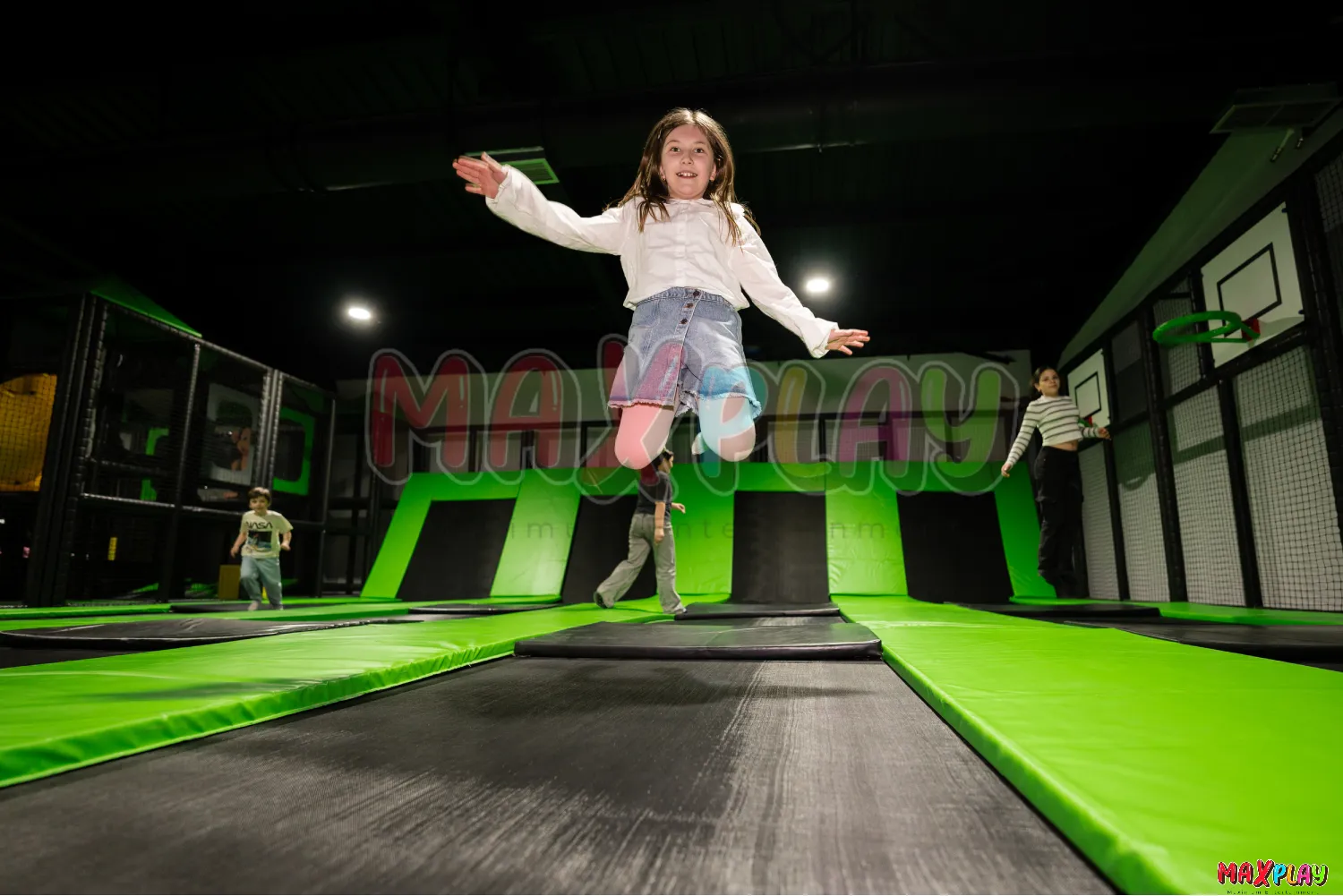
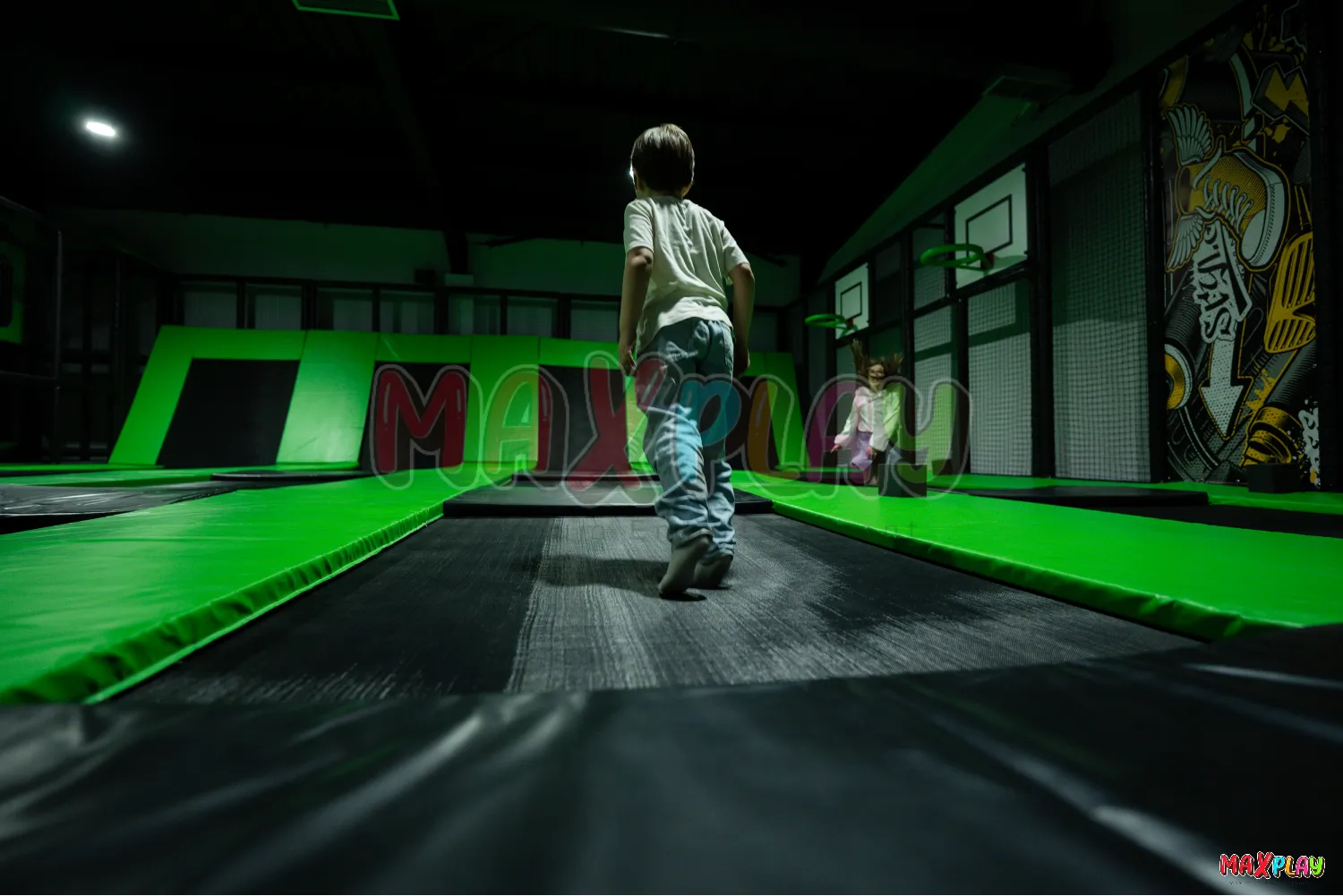
- Trampoline Manufacturing – Trampoline Park Installation
- Ball Pit Manufacturing – Ball Pit Playground Installations (with slides, etc.)
- Interactive Play Systems (Moving Soft Play Toys & Equipment)
- Sand Pit – Sand Play Areas
- Playgrounds and Role-Play Houses for Kindergartens & Nurseries
- Indoor playgrounds for businesses such as shopping malls, cafés, restaurants, etc.
- And all customized playground projects tailored to your specific needs.
In practical commercial operations, the difference between an average supplier and an experienced industrial manufacturer becomes obvious within the first six months. Lower-grade installations frequently suffer from sagging structural safety nets, compressed low-density foam cores, and frayed vinyl seams along high-traffic corridors. Professional leisure operators avoid these costly disruptions by partnering with established soft play manufacturers that prioritize mechanical resilience, verified raw material traceability, and exact European manufacturing standards over short-term cost cuts.

What Dutch Businesses Should Consider Before Investing in Soft Play Equipment
The Dutch indoor leisure sector is driven by discerning customers with exceptionally high expectations for hygiene, safety, and modern design. Family entertainment centres, indoor play cafes, and hospitality venues across the Netherlands operate under rigorous municipal safety oversight and stringent consumer standards. Before committing capital to indoor play equipment, commercial operators must analyze local catchment demographics, competitor density, and the expected dwell time of their target visitors.
From an investment planning perspective, commercial buyers frequently underestimate operational acoustics and line-of-sight requirements. In practical venue management, poorly planned layouts create blind spots that require additional floor staff to monitor, directly inflating long-term payroll overhead. Operators must look beyond the initial purchase price and evaluate total space utilization, local fire classifications, ease of daily sanitation, and how well the equipment accommodates predictable peak-hour surges during rainy weekends and school holidays.
A common mistake in the Dutch market is procuring light-duty or residential-grade systems for high-traffic commercial applications. Commercial venues require certified steel substructures, reinforced joint couplings, and heavy-duty flame-retardant upholstery capable of handling tens of thousands of active visitors annually. Evaluating a manufacturer’s engineering certifications and structural documentation early in the feasibility phase protects your business against premature material wear, liability claims, and failed municipal safety inspections.
Which Turkish Playground Systems Are Best for Limited Spaces?
When working with constrained commercial square footage, multi-tier vertical maze systems engineered by Turkish manufacturers represent the most space-efficient solution. Rather than expanding horizontally across valuable floor space, these structures utilize high-tensile 48 mm galvanized steel grid frameworks to build upward—often reaching three to four functional levels within a compact 50 to 100-square-metre footprint. In practical venue layout design, vertical labyrinths maximize visitor capacity per square meter by stacking high-challenge crawling tunnels, transparent viewing bubbles, and internal climbing web towers directly on top of low-profile sensory zones.
Another highly effective option for compact Dutch footprints is the integrated modular perimeter play circuit. In commercial applications where central open space must be reserved for parent seating, dining, or retail circulation, Turkish suppliers custom-build slimline wall-mounted climbing tracks, low-impact sensory tactile boards, and vertical obstacle runs along the venue’s outer walls. These systems utilize shallow structural depths (often under 1.5 meters) while incorporating compact spiral tube slides and elevated suspension bridges, turning narrow, unusable perimeter corridors into fully operational, high-traffic play zones.
For venues with limited ceiling height—a frequent constraint in historic European architecture and city-center basements—custom low-profile soft modular courses deliver the best return on investment. Rather than vertical towers, Turkish manufacturers design high-density foam obstacle courses, interactive light-and-touch reaction floors, and compact sunken ball pools with integrated mechanical ball-lifters. By eliminating bulky exterior structural framing and utilizing contoured, self-supporting soft components, operators can comfortably host energetic toddlers and young children without requiring extensive vertical clearance or structural building modifications.
MaxPlay Playground Equipment Overview
| Equipment Name | Description | Key Benefits |
| Ball Pool | Colorful pit filled with balls for safe sensory play. | Safe fun for toddlers, easy to clean, encourages motor skills. |
| Trampoline | High-quality indoor trampolines. | Builds balance and strength, child-safe design, durable materials. |
| Interactive Game Sets | Digital and physical interactive play stations. | Boosts learning, cognitive skills, and engagement. |
| Profession Houses | Role-play houses designed for kids. | Encourages creativity, social interaction, and imagination. |
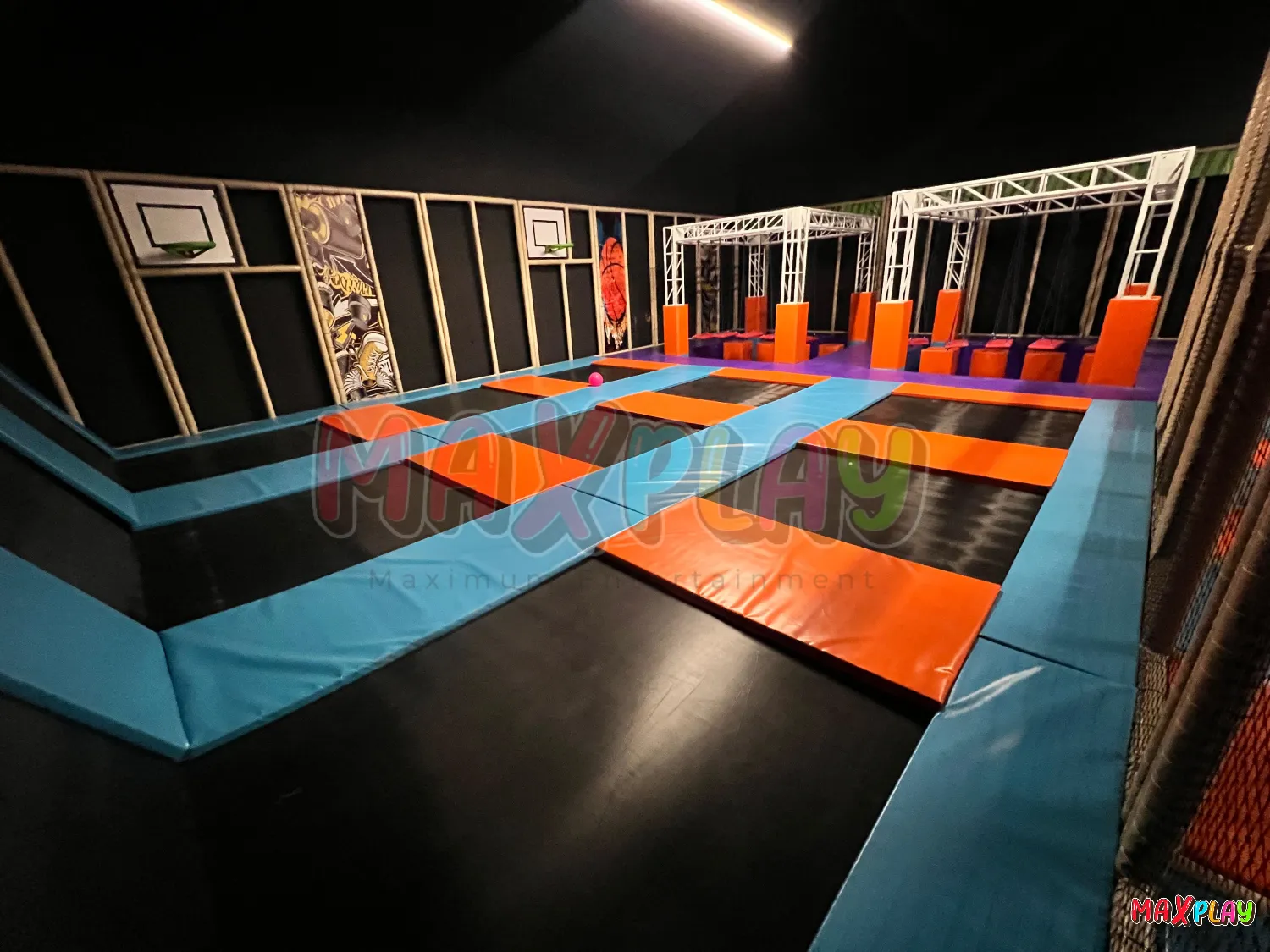
| Trampoline Park | Large-scale trampoline structures. | Suitable for older kids, high durability, safe design. |
| Roller Slide | Conveyor-style (roller) slides for continuous fun. | Efficient design, fun motion play, safe structure. |
| Tower Slide | Tower slides designed for adventure play. | Exciting design, strong safety standards, eye-catching feature. |
| Climbing Wall | Indoor climbing walls. | Builds strength and coordination, safe grips, customizable difficulty levels. |
| Volcano Slide | Volcano-shaped slides with climbing and sliding features. | Combines climbing and sliding, unique design, fun for multiple age groups. |
How Do Turkish Playground Manufacturers Meet European Standards?
Turkish commercial playground manufacturers align their production workflows directly with European CEN standards, specifically EN 1176 for structural equipment integrity and EN 1177 for impact-attenuating surfacing. In professional factory environments, this begins at the CAD modeling stage, where 3D structural simulations assess mechanical stress points, dynamic load distributions, and strict spatial safety envelopes. Finite element analysis (FEA) is applied to steel load-bearing joints, suspension points, and slide entry decks to ensure the entire structural assembly comfortably exceeds European safety margins under continuous commercial load.
In real-world manufacturing, strict compliance requires rigorous material chemistry and flammability testing. Turkish producers source certified non-toxic, phthalate-free PVC tarpaulins (typically 650–900 g/m²) and flame-retardant, high-density polyurethane foams verified under European fire classification standards (such as EN 13501-1 or DIN 4102 B1). Every batch of raw upholstery, structural safety netting, and rotational-molded plastic components undergoes certified lab verification for heavy metal content, UV stability, and mechanical tear resistance before entering the assembly line.
Furthermore, leading Turkish manufacturers eliminate entrapment and impact hazards through precise physical gauge inspections before shipment. Production technicians use standardized test probes to evaluate every opening, seam, and joint against head, neck, torso, and finger entrapment criteria specified in EN 1176-1. By conducting pre-assembly checks in the factory and providing full technical dossiers—including TÜV-aligned certification, structural calculation reports, and comprehensive maintenance logs—Turkish suppliers ensure Dutch operators pass independent municipal inspections and third-party safety audits without costly on-site modifications.
Choosing Soft Play Equipment for Toddlers, Children and Mixed-Age Venues
Designing a successful multi-age venue requires intentional spatial zoning that separates energetic older children from vulnerable toddlers. A dedicated toddler play set indoor environment requires soft-sculpted obstacles, sensory tactile panels, low-profile crawling tunnels, and gentle step wedges that encourage early motor skill development without exposing young children to high-velocity collisions. Toddlers interact with play environments through touch and close physical contact, making non-toxic, anti-microbial surface materials essential.
For older children aged four to twelve, structures must introduce physical challenges, vertical exploration, and dynamic obstacles. Incorporating advanced indoor soft playground equipment, multi-lane wave slides, structural climbing elements, and transparent crawl tubes keeps older age groups actively engaged for longer sessions. In mixed-age venues, physical transit zones between age areas must feature natural architectural buffers, such as perimeter seating or perimeter floor pads, to prevent older kids from running through toddler sections.
A frequent operational issue is creating bottleneck points around popular attractions. If an entry point to a large slide or ball pool sits directly in front of a primary transit corridor, foot-traffic congestion quickly forms, frustrating guests and increasing accidental collisions. Proper structural planning balances high-energy physical zones with passive play pockets, creating an organic circulation loop that distributes visitors evenly across the entire facility.
How to Make the Most of Limited Indoor Space in Dutch Venues
Real estate across Dutch metropolitan hubs commands premium lease rates, making efficient space optimization vital for commercial viability. When floor plate square footage is constrained, the best solution is vertical expansion. Utilizing multi-tier vertical play mazes allows operators to multiply usable play area within a compact structural footprint, transforming a modest 150-square-metre floor plan into a dynamic 400-square-metre multi-level adventure zone.
In commercial fit-outs, ceiling clearance, structural support pillars, and technical building infrastructure such as HVAC ducting and fire sprinklers must be factored into the 3D design from day one. High-quality soft playground equipment can be custom-engineered to integrate around structural columns, turning architectural obstacles into padded thematic play elements like climbing trees or central spiral towers. This approach eliminates dead zones and recovers valuable square meters.
Effective visitor flow management is equally critical in compact spaces. Entry and exit points should use dedicated one-way routes through high-elevation decks to prevent congestion on climbing ladders. Implementing transparent structural netting maintains sightlines across the facility, making compact areas feel open and airy for supervising parents while ensuring staff can monitor all play zones from the floor.

Safety Features and European Standards to Check Before Buying
Commercial playground procurement in Europe is governed by rigorous technical standards, primarily EN 1176 for structural integrity and EN 1177 for impact-attenuating surfacing. Purchasing certified commercial soft play equipment is an absolute legal and operational prerequisite in the Netherlands. Equipment must undergo structural stress analysis, head and neck entrapment evaluations, finger entanglement checks, and material flammability tests before it can be certified for public use.
In day-to-day operations, the primary liability risks stem from poorly installed joint padding and degraded foam wraps on steel uprights. Substandard equipment suppliers often use split foam pipe insulation secured with thin zip ties, which degrade rapidly under heavy friction. Commercial installations require high-density, fire-rated polyurethane foam sleeves encased in 0.55 mm to 0.90 mm tear-resistant PVC covers, secured with heavy-duty hidden industrial fastenings to withstand continuous commercial use.
Commercial operators must ensure zero toxic phthalates, full REACH compliance, and certified B1/M2 fire-rated upholstery and netting across all elements. High-density, closed-cell composite floor padding must be installed underneath all structures with a free fall height exceeding 60 cm to ensure complete fall protection and risk mitigation.
Why Dutch Businesses Can Source Commercial Play Equipment from Turkey
Dutch entertainment operators are increasingly sourcing their play systems from established indoor playground equipment manufacturers based in Turkey. Turkey’s advanced industrial manufacturing sector combines precision engineering, strict alignment with European standards, and significant cost advantages over Western European suppliers. This allows commercial operators to acquire top-tier, custom-engineered equipment without paying inflated intermediary margins.
Compared to Asian imports, Turkish manufacturing eliminates long ocean transit times, unpredictable port surcharges, and the high shipping rates that impact intercontinental sea freight. While sea shipments from the Far East frequently encounter delays, container rerouting, and extended customs holds at major ports, shipments from Turkey reach Dutch facilities via direct road freight in just 7 to 10 days.
Furthermore, Turkish manufacturing facilities utilize European-standard, certified raw materials including non-toxic coatings, flame-retardant foams, and high-tensile steel tubing. Working with an agile regional manufacturer allows Dutch operators to modify bespoke 3D CAD designs rapidly, inspect production batches, and receive spare parts within days rather than months, significantly lowering operational risk and total project lead times.
Custom Soft Play Solutions for Dutch FECs, Hotels and Shopping Centres
Off-the-shelf play structures rarely optimize the architectural layout or reinforce the brand identity of modern commercial venues. Premier Dutch shopping malls, holiday parks, and boutique hotels increasingly require bespoke themes that integrate seamlessly into their overall interior architecture. Custom-engineered indoor play set configurations allow venues to turn unused floor space into branded destinations that increase foot traffic and extend customer dwell time.
When planning a custom installation, operators should ensure themes are integrated into the actual structural mechanics of the play equipment rather than relying solely on superficial printed panels. For instance, a maritime or Dutch-heritage concept can feature custom-fabricated lighthouse climbing towers, windmill-themed rotating obstacles, and nautical crawl tunnels. Custom-built play elements should guide children through varied physical challenges that build strength, balance, and spatial awareness.
In hotel and retail settings, acoustics and aesthetics play a decisive role. Bespoke manufacturing enables the use of specific, brand-aligned color palettes, subdued natural tones, and acoustic-dampening soft barriers that blend with upscale retail decor. Working directly with an industrial design team ensures structural supports accommodate ambient lighting, integrated power drops, and security camera networks without compromising the safety envelope.
Assessing Foam, Upholstery and Structural Quality for Commercial Use
The operational lifespan of soft play equipment wholesale products depends directly on the quality and density of internal materials. In commercial environments where hundreds of children jump, slide, and climb every day, residential-grade upholstery fails quickly. High-density, cross-linked polyurethane and composite re-bonded foams are essential for load-bearing step wedges, floor pads, and landing zones, preventing structural bottoming out over years of use.
The outer protective layer should consist of heavy-duty, reinforced commercial-grade PVC ranging from 650 g/m² to 900 g/m² with an industrial 1000D base fabric. This material delivers exceptional tear strength, puncture resistance, and resistance to aggressive chemical cleaners. Low-quality vinyl coatings crack along stress folds within months, exposing the internal foam core to moisture, dirt, and microbial growth.
Structural steel framing must be hot-dipped galvanized inside and out to prevent hidden oxidation, particularly in climate-controlled indoor venues with variable humidity. Structural fasteners, connection clamps, and mounting bolts must be high-tensile, corrosion-resistant, and completely covered by impact-absorbing padding to prevent injuries. Operators should inspect factory production specifications closely, ensuring all raw materials carry verifiable non-toxicity and fire-retardancy test certifications.
Comparing Equipment Prices with Long-Term Maintenance and Replacement Costs
A common procurement mistake in the leisure sector is focusing exclusively on the initial purchase invoice rather than the total cost of ownership. Low-cost equipment often relies on cheap vinyl, thin-wall structural steel, and lower-density foam. Within twelve to eighteen months, the resulting maintenance interventions, emergency component replacements, and operational downtime quickly erase any initial cost savings.
High-grade installations maintain their appearance, structural rigidity, and certified safety compliance for five to ten years with routine preventative maintenance. When evaluating competitive manufacturing bids, Dutch businesses should calculate the amortized lifecycle cost per operating hour. Quality structural systems require fewer repairs, clean faster, and retain substantial residual value if equipment is refurbished or resold during a facility upgrade.
Operators should also verify the availability and pricing of modular replacement parts before finalizing an equipment order. Facilities that incorporate high-wear attractions, such as an integrated trampoline park equipment zone or fast-drop slides, need immediate access to replacement jump mats, heavy-duty springs, safety pads, and perimeter netting to prevent costly attraction closures.
Bulk Purchasing and Modular Equipment for Growing Play Businesses
Multi-site operators, expanding franchise chains, and large leisure facilities achieve substantial economies of scale through standardized modular procurement. Utilizing modular structural grid systems allows entertainment operators to interchange components, expand footprints incrementally, and reconfigure layouts between different commercial locations without commissioning entire custom structures from scratch.
Procuring modular units in bulk lowers the unit cost per square meter, streamlines technician training for routine maintenance, and simplifies internal spare parts inventories. A standardized structural framework can easily be upgraded over time with new interactive additions, such as a Commercial Indoor Playsets in Norway themed zone, digital projection games, or challenging aerial obstacle courses, keeping the venue fresh for returning visitors.
When working with a specialized trampoline park manufacturer or modular play engineering team, verify that the underlying architectural framework utilizes standard industrial dimensions. This structural modularity gives operators the operational agility to adapt their floor plans as consumer trends evolve, expanding capacity smoothly as peak-hour attendance grows.
What to Expect When Shipping Playground Equipment from Turkey to the Netherlands
Transporting heavy, high-volume commercial play equipment across international borders requires coordinated logistical planning. Turkey’s strategic location provides direct road freight connections into Central Europe and the Benelux region. Unlike standard sea container shipping, full truckload road transport delivers direct from factory floor to installation site in seven to ten days, avoiding coastal port delays and multi-leg handling.
Professional manufacturers take extra care with export packing methods to prevent structural damage during transit. Volumetric soft play modules, delicate sensory assemblies, and heavy galvanized steel components must be systematically categorized, wrapped in heavy-duty protective foam, and crated with clear structural markers that correspond directly with the architectural installation schematics.
Because Turkey and the European Union operate under a Customs Union agreement, industrial goods accompanied by proper documentation, such as an A.TR movement certificate, enter the Netherlands duty-free, streamlining import clearance. Ensure your supplier provides fully itemized packing lists, exact component weights, and complete technical assembly drawings to keep site offloading and installation moving without delays.
How to Evaluate a Soft Play Manufacturer Beyond Product Pricing
Selecting an industrial manufacturing partner requires evaluating their engineering capabilities, factory infrastructure, and quality control systems. A professional manufacturer should readily provide verifiable commercial project references, detailed structural load calculations, and comprehensive technical documentation. Evaluating their engineering software and 3D modeling workflow reveals how accurately they can tailor designs to your facility’s exact ceiling heights, columns, and layout requirements.
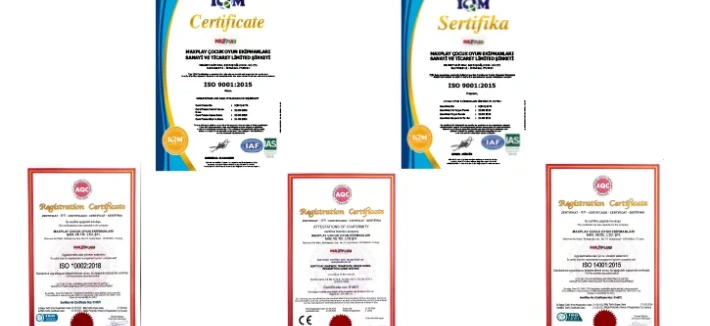
Request clear documentation on factory quality management systems, specifically raw material traceability, non-toxic polymeric certifications, and independent TÜV / EN compliance testing. Facilities that incorporate specialized energetic zones, such as high-capacity interactive playground equipment or climbing arenas, require an engineering team with proven expertise in both mechanical safety and structural electronics integration.
Touring the supplier’s production floor or arranging a live engineering video consultation provides valuable insight into their manufacturing quality. Inspecting steel welding lines, upholstery stitching techniques, and padding adhesion methods will quickly demonstrate whether a manufacturer produces commercial-grade equipment built to last or simply assembles cut-rate components for short-term visual appeal.

Smart Soft Play Procurement with MaxPlay
Navigating commercial leisure procurement requires an experienced partner that combines high-volume manufacturing with bespoke architectural customization. MaxPlay delivers turnkey commercial play systems, multi-tiered vertical structures, and customized family leisure attractions designed for commercial operators across Europe. Every play structure is engineered using premium certified components, non-toxic heavy-duty upholstery, and galvanized structural steel frames that meet strict EN 1176 and EN 1177 safety standards.
By managing the entire production lifecycle in-house—from initial 3D concept modeling to fabrication, international logistics, and installation oversight—MaxPlay gives Dutch businesses a direct, factory-level procurement advantage. Compared to Far East imports and other overseas sources, Turkish manufacturing offers faster delivery within 7 to 10 days, certified first-class European-grade materials, and highly competitive pricing that maximizes your return on investment.
Take the guesswork out of launching or expanding your indoor entertainment facility. Our engineering team provides complete 3D architectural project layouts and customized capacity models tailored specifically to your building’s footprint and business goals at no initial cost.