





Soft Play Centre Setup in Bosnia and Herzegovina: Legal and Safety Considerations
Executing a compliant Soft Play Centre Setup in Bosnia and Herzegovina requires a comprehensive understanding of both European safety norms and local municipal licensing frameworks. Across urban centres such as Sarajevo, Banja Luka, Tuzla, and Mostar, commercial family entertainment spaces are subject to stringent inspections concerning structural load, fire mitigation, and sanitary standards. In practice, the most critical oversight investors make during the initial planning phase is treating soft play installations as modular furniture rather than permanent public architectural fixtures. National regulatory bodies in Bosnia and Herzegovina require verified certification that every assembly meets harmonised European standards (specifically BAS EN 1176 and EN 1177), ensuring that fall protection, head entrapment clearances, and structural integrity are documented before municipal operating permits are granted.
As MaxPlay Playground Equipment, we provide professional solutions for indoor playgrounds and soft play areas. We design, manufacture, install, and assemble indoor playground equipment and soft play systems for commercial spaces. Contact us for turnkey indoor playground projects.
| Landline: | 0216 377 10 88 |
| Mobile / WhatsApp: | 0532 069 53 17 |
| E-Mail: | info@maxplay.com.tr |
| Address: | Google Maps |
You can contact us for all your projects across Türkiye and international markets.
Our Services:
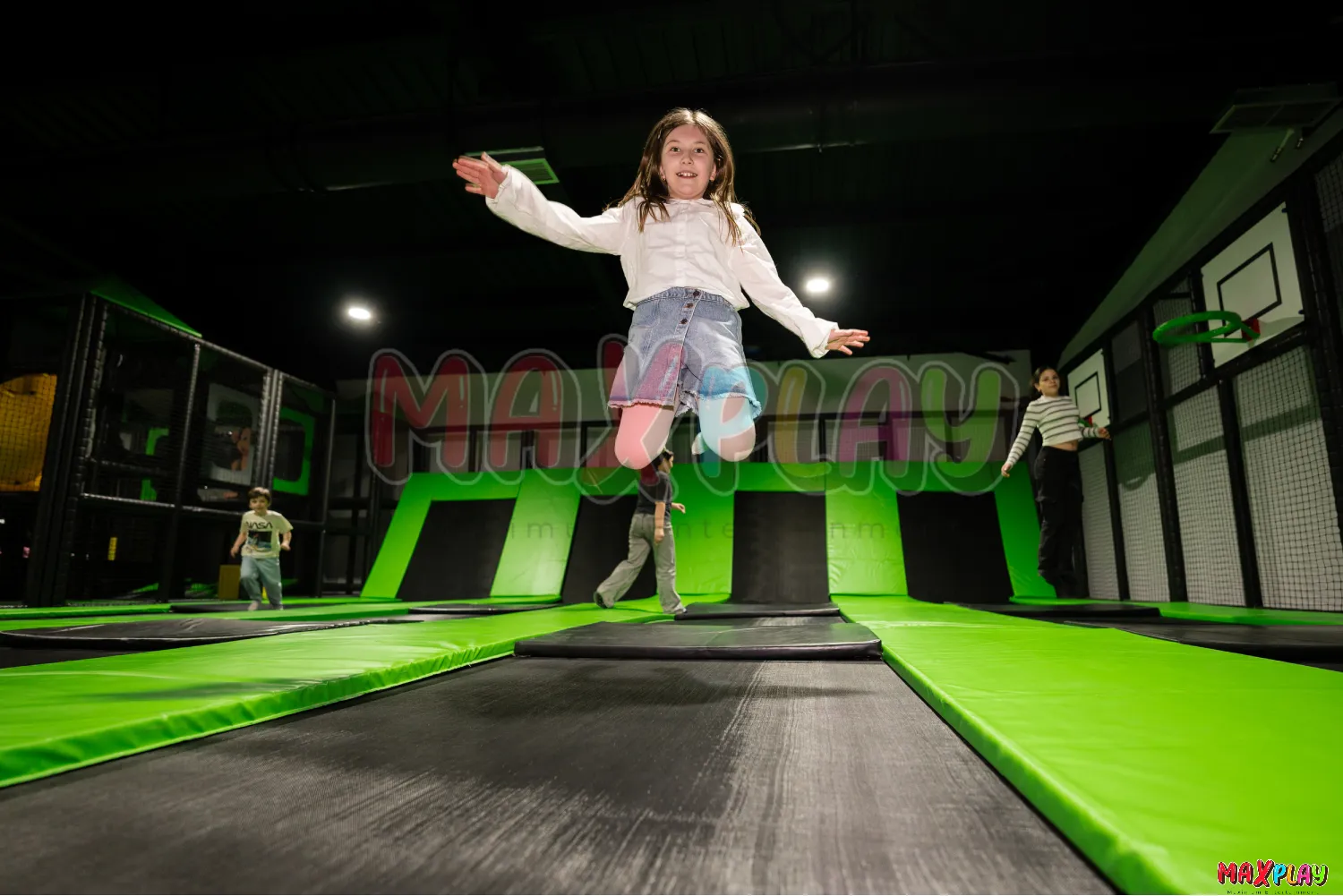
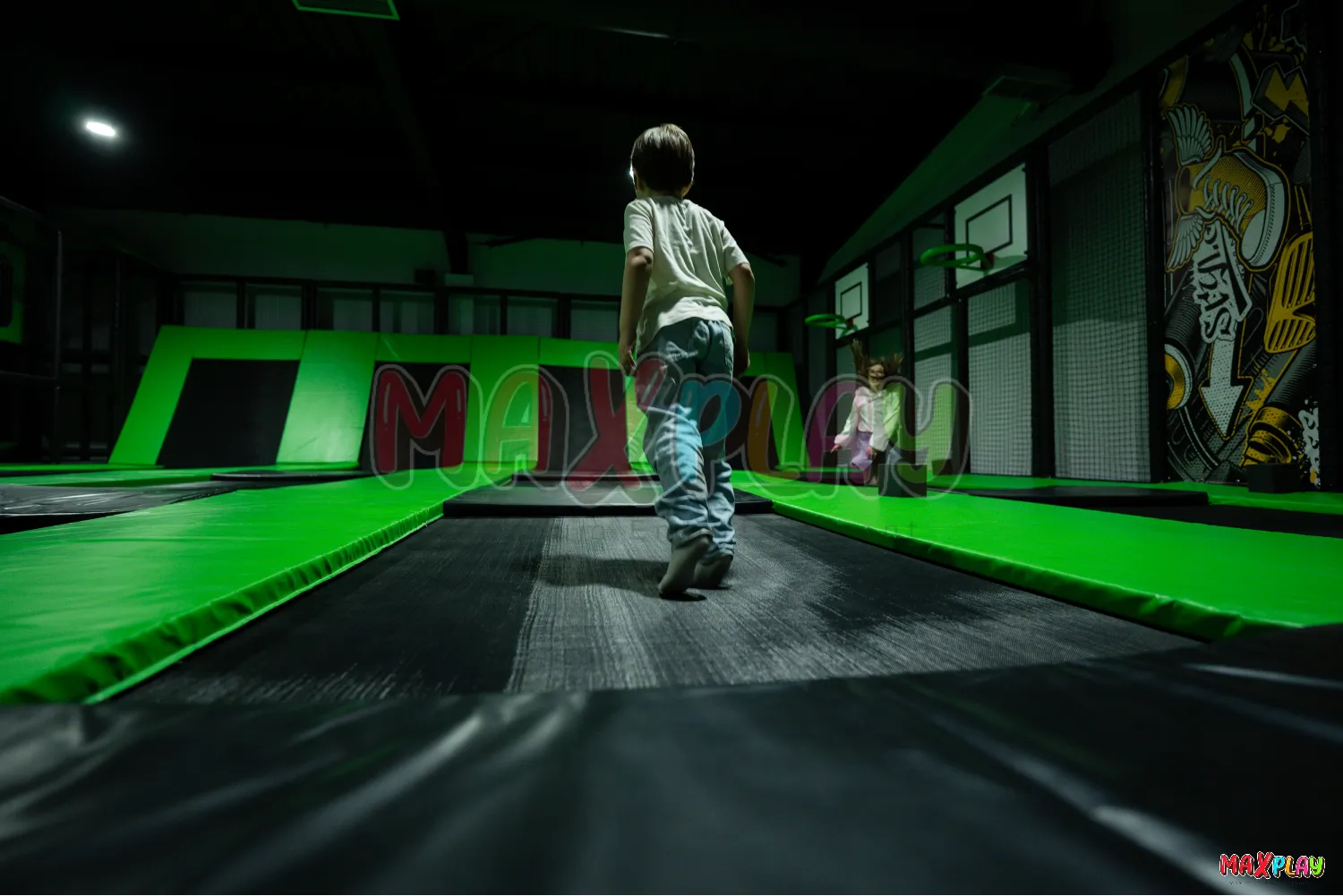
- Trampoline Manufacturing – Trampoline Park Installation
- Ball Pit Manufacturing – Ball Pit Playground Installations (with slides, etc.)
- Interactive Play Systems (Moving Soft Play Toys & Equipment)
- Sand Pit – Sand Play Areas
- Playgrounds and Role-Play Houses for Kindergartens & Nurseries
- Indoor playgrounds for businesses such as shopping malls, cafés, restaurants, etc.
- And all customized playground projects tailored to your specific needs.
From a practical engineering and legal standpoint, securing operational clearance involves rigorous facility auditing. Your designated venue must possess official commercial classification for recreational activities, accompanied by certified ventilation capacities, compliant emergency egress routes, and integrated fire-suppression systems. Real-world site evaluations consistently demonstrate that retrofitting emergency exits or re-routing fire sprinkler lines after modular frame assembly leads to substantial project delays and unanticipated civil engineering expenses. Investors must obtain verifiable Certificates of Conformity from the manufacturer, covering non-toxicity, flame retardancy (Class B1 or equivalent), and impact attenuation properties of all flooring materials, ensuring seamless municipal approvals and minimising long-term liability exposure.
To establish continuous compliance throughout the operational lifecycle of the venue, operators must formulate a proactive maintenance and inspection protocol aligned with local occupational safety laws. This includes instituting a daily pre-opening physical checklist, monthly mechanical stress tests on dynamic play links, and mandatory annual third-party safety audits conducted by licensed structural inspectors. Neglecting documented routine inspections not only compromises child safety but also invalidates commercial public liability insurance policies in the event of an incident. Legal diligence at the pre-installation phase protects capital investment, shields the operational entity from administrative sanctions, and creates a secure environment that earns long-term parental trust.

Planning a Commercial Soft Play Centre for the Bosnia and Herzegovina Market
Entering the expanding Bosnia indoor playground market requires a grounded, data-driven operational strategy tailored to regional demographic densities and seasonal consumer behaviour. The domestic family entertainment sector in Bosnia and Herzegovina has evolved from basic corner playgrounds into destination recreation centres that offer integrated hospitality, private event hosting, and developmental play. Investors targeting high-density retail centres or standalone urban venues must map their business model around distinct local dynamics: high footfall concentration on weekends, a robust demand for organized birthday events during winter months, and an absolute consumer expectation of hygiene and modern interior climate control.
A viable commercial soft play business plan balances front-of-house customer flow with monetisation channels that extend beyond simple admission ticketing. In day-to-day operations, parent amenities—such as high-grade cafe seating with direct sightlines, premium beverage stations, and seamless Wi-Fi connectivity—drive up average dwell time and boost secondary spend margins by over forty percent. Successful regional operators deliberately partition their square footage into clear commercial assets: active play modules, dedicated private celebration rooms, and an ergonomic lounge for guardians. Over-allocating space to equipment without planning for queue management at registration desks or neglecting stroller parking consistently creates operational bottlenecks during peak afternoon trading periods.
Financial viability hinges on rigorous front-end capacity modelling and realistic utility forecasting. Commercial rents, heating demands during continental Balkan winters, and staff-to-child supervisory ratios directly impact monthly operational break-evens. Operators who succeed across the Federation of Bosnia and Herzegovina and Republika Srpska prioritize energy-efficient operational designs, robust industrial HVAC integrations, and modular play layouts that permit staged expansions as cash flows mature. Planning the venue requires evaluating not just initial footfall, but the repeatable lifecycle value of local families returning for structured weekend recreation.
What Warranty Do Turkish Playground Manufacturers Offer?
Commercial playground procurement requires a clear understanding of tiered warranty coverage to protect long-term capital investments. Reputable Turkish manufacturers structure their warranties around component lifespans rather than offering a generic, single-term policy. Load-bearing structural elements—including hot-dip galvanized steel tubing, high-tensile clamps, and main platform posts—typically carry a comprehensive warranty ranging from 5 to 10 years against weld cracking, corrosion, and structural failure. Rotomolded LLDPE plastics (such as spiral slides and crawl tubes) and high-density virgin foam padding generally feature 2- to 3-year guarantees against UV discoloration, brittleness, and core deformation under standard commercial indoor use.
High-wear components and mechanical friction points operate under a dedicated wear-and-tear warranty tier. Elements subjected to continuous kinetic contact—such as trampoline springs, heavy-duty vinyl PVC coverings, netting zip connections, and electronic sensor modules in interactive games—are usually backed by a 1- to 2-year warranty. In practical asset management, a credible warranty is distinguished by the manufacturer’s responsiveness in dispatching exact replacement components. Leading Turkish suppliers maintain matching batch records of vinyl colors and modular dimensions, ensuring that replacement parts fit seamlessly without altering the original structural engineering.
Warranty validity relies directly on documented maintenance and proper operational compliance under EN 1176 guidelines. Claims generally require the operator to show that equipment was assembled by factory-certified technicians (or strictly per provided engineering blueprints) and subjected to regular inspections. Exclusions standard across the industry cover unauthorized structural modifications, cleaning with harsh chemical solvents that erode anti-microbial PVC coatings, and vandalism. Reviewing the warranty contract to ensure it covers direct parts replacement and express air or road dispatch for critical structural components prevents unexpected downtime during peak operating seasons.
MaxPlay Playground Equipment Overview
| Equipment Name | Description | Key Benefits |
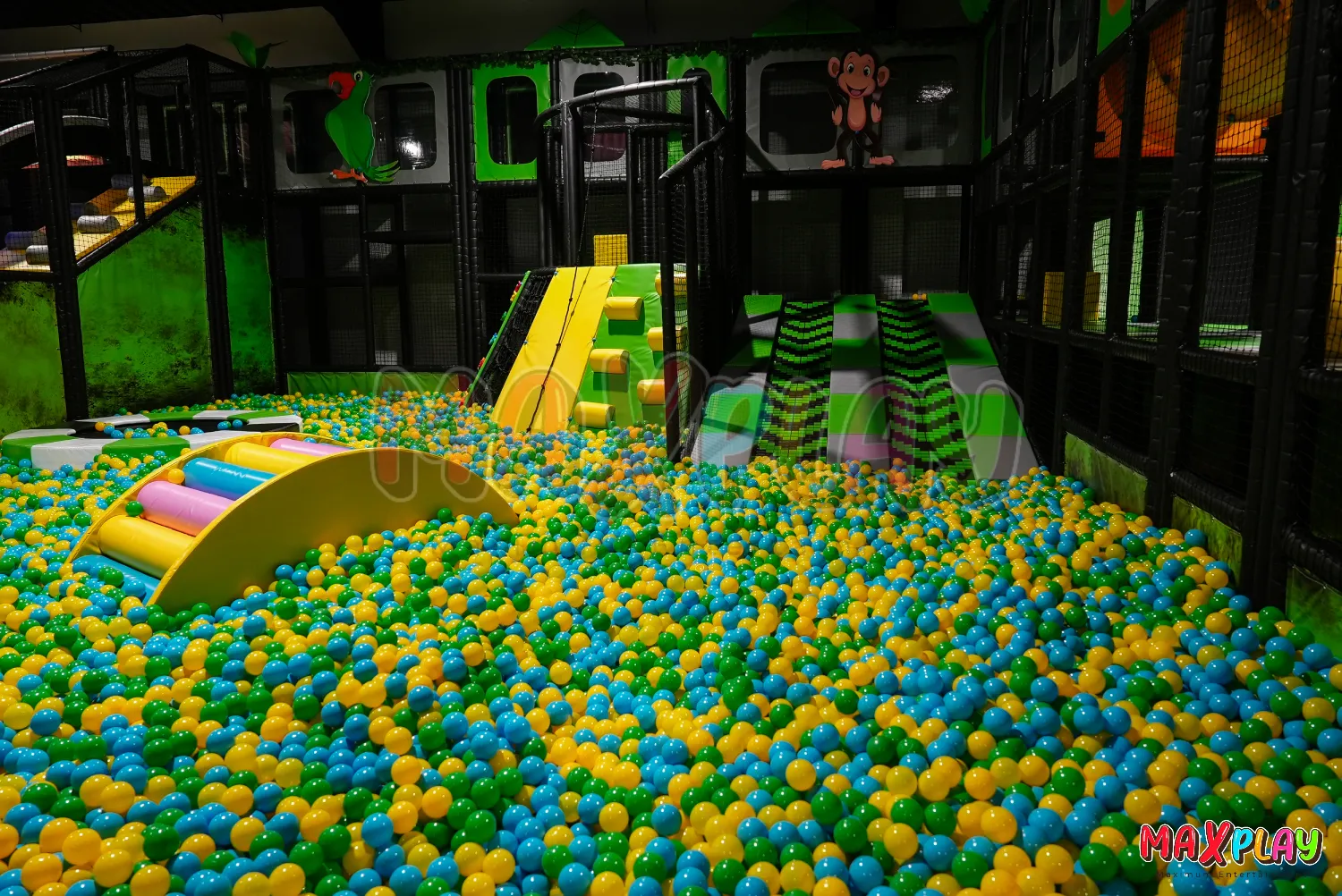
| Ball Pool | Colorful pit filled with balls for safe sensory play. | Safe fun for toddlers, easy to clean, encourages motor skills. |
| Trampoline | High-quality indoor trampolines. | Builds balance and strength, child-safe design, durable materials. |
| Interactive Game Sets | Digital and physical interactive play stations. | Boosts learning, cognitive skills, and engagement. |
| Profession Houses | Role-play houses designed for kids. | Encourages creativity, social interaction, and imagination. |
| Trampoline Park | Large-scale trampoline structures. | Suitable for older kids, high durability, safe design. |
| Roller Slide | Conveyor-style (roller) slides for continuous fun. | Efficient design, fun motion play, safe structure. |
| Tower Slide | Tower slides designed for adventure play. | Exciting design, strong safety standards, eye-catching feature. |
| Climbing Wall | Indoor climbing walls. | Builds strength and coordination, safe grips, customizable difficulty levels. |
| Volcano Slide | Volcano-shaped slides with climbing and sliding features. | Combines climbing and sliding, unique design, fun for multiple age groups. |
How Long Does It Take to Import Playground Equipment from Türkiye?
The total procurement timeline for importing commercial playground systems from Türkiye is significantly shorter than overseas maritime routes, averaging between 4 to 8 weeks from initial CAD sign-off to site delivery. The workflow begins with custom engineering and production, which typically takes 2 to 4 weeks depending on the scale and complexity of the multi-level maze or trampoline park. Because Turkish facilities maintain localized raw material supply chains—sourcing steel, foam, and technical textiles domestically—they avoid the component delays that often stretch manufacturing schedules in other regions.
The logistics phase offers a distinct geographical advantage for European and Balkan markets. Direct overland road freight from Turkish industrial hubs (such as Istanbul, Bursa, or Antalya) to destinations across Southeastern and Central Europe takes just 3 to 6 business days. By utilizing direct semi-trailer transport rather than transcontinental container vessels, operators eliminate weeks of port handling, container demurrage risks, and transshipment bottlenecks. This makes Türkiye an agile sourcing partner for projects operating on strict venue-lease deadlines.
Smooth customs clearance requires preparing the proper regulatory and commercial documentation ahead of vehicle dispatch. Turkish manufacturers routinely supply standardized international trade documentation, including detailed packing lists with numbered assembly nodes, commercial invoices, EUR.1 movement certificates, and manufacturer Certificates of Conformity with CE and EN 1176 standards. Having this paperwork pre-cleared by your local customs broker ensures trucks clear border terminals smoothly, allowing installation teams to begin assembly immediately upon the vehicle’s arrival at your facility.
What Are the Latest Turkish Indoor Playground Trends for 2026?
The indoor entertainment sector in 2026 is defined by a shift toward hybrid “phygital” play and integrated multi-activity attractions. Turkish manufacturers are leading this evolution by incorporating interactive digital systems directly into physical soft play structures. Projection ball walls with dynamic scoring targets, reactive LED climbing panels, and sensor-driven obstacle courses turn traditional physical play into an interactive digital game. These features broaden a venue’s target audience, engaging older children aged 8 to 14 who might otherwise find standard soft play mazes unchallenging.
Another major architectural trend in 2026 is the adoption of nature-inspired, Scandinavian, and biophilic aesthetics over overly saturated primary color palettes. Operators are increasingly commissioning custom structures in muted earth tones, soft pastels, textured wood-grain vinyls, and organic shapes. These designs integrate smoothly into upscale retail malls, boutique resorts, and modern family lifestyle centers. This aesthetic shift is paired with low-noise design choices, such as high-grade sound-absorbing acoustic foam paneling and isolated motor housings for ball-pit suction systems, creating a more relaxed environment for supervising parents in adjacent cafe lounges.
Commercial venue designs in 2026 also focus on extreme modularity and rapid physical challenge tracks. Facilities are dedicating square footage to modular Ninja Warrior courses, integrated low-altitude zip lines, and valo-climbing walls that challenge balance, agility, and motor coordination. Multi-level structures now feature flexible, interchangeable obstacle panels that operators can reconfigure or upgrade every season without replacing the core galvanized frame. This modular approach allows family entertainment centers to refresh their attractions regularly, keeping the play experience dynamic and driving higher repeat-visit rates year-round.
Selecting Equipment for Different Ages and Activity Levels
Achieving sustained customer retention demands a layered equipment strategy that segregates high-energy traffic from vulnerable early-stage learners. A modern commercial facility must incorporate an ergonomic toddler play set indoor environment positioned safely away from the fast-paced trajectories of older children. Toddlers between the ages of one and three require sensory-rich, low-height modules, low-gradient crawl wedges, soft balance beams, and tactile interactive elements that stimulate vestibular and motor skills without presenting fall risks. When toddler zones are poorly segregated, older children inadvertently encroach on the space, driving away parents seeking a secure, calm setting for their younger children.
For older demographics spanning ages four to twelve, the venue must deliver high-intensity physical engagement through dynamic multi-level children’s play structures, advanced climbing activities, and fast-drop vertical slides. Integrating an industrial-grade indoor play set featuring suspended bridges, web-crawler towers, punching-bag matrices, and transparent tube passages challenges older kids and increases their active play duration. Sourcing commercial-grade indoor soft playground equipment built to handle high-frequency mechanical friction ensures that the structural components withstand constant kinetic impact without premature seam failure or material degradation.
Advanced commercial family entertainment centres further enhance customer engagement by integrating dynamic multi-activity additions like a modern trampoline park equipment setup alongside an immersive ball pool equipped with automated suction and discharge systems. Supplying a versatile array of commercial play assets ensures that children of varying athletic capabilities find appropriate challenges, preventing boredom in older cohorts while safeguarding toddlers. The table below outlines the core technical allocations across age categories:
| Target Age Group | Primary Equipment Focus | Safety Surface Thickness | Structural & Capacity Needs |
| Toddlers (Ages 1–3) | Sensory wedges, crawl tunnels, mini soft slides, tactile panels | 30 mm – 40 mm high-density EVA | Low fall heights (<0.6 m), isolated perimeter fencing, clear parent visibility |
| Juniors (Ages 4–8) | Multi-tier labyrinth mazes, spiral tube slides, balance logs | 50 mm layered composite foam | Enclosed netting, clear pass-through paths, dynamic transition bridges |
| Adolescents (Ages 8–12+) | Ninja warrior tracks, high-climb towers, vertical drop slides | 70 mm+ impact landing systems | Reinforced steel modular frameworks, anti-tear vinyl, dual-point anchoring |
Safety Considerations Before Opening a Soft Play Facility
Before opening the doors of a newly constructed family entertainment venue to the public, a thorough risk assessment must validate every square metre against the EN 1176 playground safety framework and the EN 1177 standard for impact-attenuating surfacing. Ensuring overall playground safety involves verifying that every structural junction, opening, and transit point is free from head, neck, finger, and clothing entrapment hazards. Protruding bolts, improper pipe collar finishes, or gaps between 89 mm and 230 mm pose severe entanglement and entrapment risks that must be caught during pre-launch engineering audits rather than operational trials.
Surfacing impact protection requires thorough verification across all potential fall zones. Critical fall height calculations must be strictly observed beneath every elevated platform, slide exit, and climbing component. In real-world installations, safety inspection failures frequently stem from improper joint sealing between floor impact pads, causing hidden separation lines that expose concrete subfloors beneath high-traffic landing zones. All perimeter netting must feature high-tensile knotless polypropylene weaving capable of withstanding dynamic horizontal impacts without sagging or detaching from load-bearing steel framework posts.
A commercial facility must also implement fire safety and hygienic defence measures. All internal foam cores, synthetic leather cladding, and plastic tunnel components must carry verified flame-retardant test certificates. Emergency evacuation routes within multi-level play mazes must be clearly legible to supervisory staff, allowing rapid extraction of a distressed child from any hidden internal tier. Operators should establish daily, documented sanitation procedures that sterilise internal vinyl panels and high-contact elements using non-corrosive, non-toxic, child-safe anti-microbial solutions that do not accelerate vinyl cracking over time.

Designing the Layout for Supervision, Capacity and Easy Movement
Spatial planning in an indoor amusement facility dictates both commercial profitability and daily operational order. A well-conceived soft play layout balances visitor flow, play zoning, and staff supervision to eliminate blind spots and high-traffic bottlenecks. The reception, ticketing gate, and shoe-storage locker systems must be engineered with adequate setback distances from the main entrance to absorb weekend arrival surges without spilling queues out onto the sidewalk or into shopping mall corridors. Unobstructed sightlines from the primary seating and cafe areas directly to the core play zones provide parents with peace of mind while easing the direct supervisory burden on floor marshals.
Proper capacity management requires precise area allocations per child to prevent dangerous overcrowding and reduce structural wear. As a baseline calculation in commercial play planning, facilities should allocate a minimum of 1.8 to 2.2 square metres of dedicated play infrastructure per active child, excluding circulation walkways, party rooms, and dining zones. Play zoning must follow a logical energy gradient: quiet sensory play located furthest from main entrance currents, intermediate structures in the central perimeter, and high-velocity attraction zones—such as multi-lane racing slides or drop structures—isolated with ample run-out landing space protected from general pedestrian corridors.
Easy, barrier-free movement must also extend to maintenance access and rapid emergency exit pathways. Service corridors surrounding the external envelope of large play cages should remain at a minimum width of 1.2 metres to allow staff access for daily vacuuming, deep sanitisation, structural tightening, and emergency extraction protocols. Designing wide, intuitive interior circulation routes keeps parent-toddler traffic from colliding with high-speed children moving between play attractions, creating a calm, organised facility dynamic even during peak operational hours.
Sourcing Soft Play Equipment from Turkish Manufacturers
Strategic equipment procurement directly influences a project’s return on investment, operational longevity, and regulatory compliance. Savvy project developers across Southeastern Europe frequently source their infrastructure from reputable Turkish soft play suppliers. Turkish industrial manufacturing pairs high-grade engineering capabilities with cost efficiencies that directly challenge traditional Western European pricing models. At the same time, regional production hubs maintain a substantial quality and speed advantage over distant Asian fabricators, offering premium, precision-engineered commercial soft play equipment that meets all European CE and EN 1176 standards without the extended lead times of transcontinental ocean freight.
Opting for regional sourcing from a reliable indoor playground supplier based in Turkey streamlines direct communication, technical alignment, and bespoke structural fabrication. European operators dealing with overseas manufacturers often face unpredictable ocean transit spikes, difficult warranty enforcement, language barriers, and slow replacement cycles when components are damaged in transit. In contrast, Turkish manufacturers operate within closely aligned time zones, adhere to European business practices, and maintain rigorous raw-material quality standards. Sourcing your soft playground equipment regionally allows developers to secure high-specification steel, certified non-toxic fabrics, and customized spatial layouts while staying on budget.
Furthermore, direct factory audits and collaborative design revisions are much more accessible when working with regional production facilities. Investors can readily travel for factory acceptance testing (FAT), examine sample raw material inventories, verify foam densities, inspect steel wall thicknesses, and test dynamic elements before dispatch. This supply-chain proximity significantly mitigates project risk, providing the agility needed to fast-track municipal openings and maintain tight project delivery milestones.
Custom Equipment for Hotels, Restaurants and Family Entertainment Centres
Commercial play infrastructure is no longer confined to traditional amusement centres; the hospitality sector increasingly uses custom soft play installations to drive family bookings and lengthen customer visits. Installing modern indoor play equipment in hotels, resorts, dining franchises, and leisure venues converts standard floor space into a reliable revenue driver. Bespoke structures designed specifically for hospitality environments must balance compact footprints with exceptional visual appeal, complementing the surrounding interior architecture while delivering safe entertainment that keeps children engaged while their parents dine or relax.
Customised engineering enables family entertainment centres to deploy distinct branding, architectural motifs, and signature attractions that competitors with off-the-shelf catalogues cannot replicate. Whether designing a nautical-themed playscape for a coastal resort, a castle concept for an urban hotel, or an energetic multi-level installation for a flagship restaurant, custom configurations maximise vertical volume and optimize odd floor profiles. Sourcing directly from an established indoor playground equipment manufacturers network ensures every unique angle, column wrap, and ceiling drop is custom-tailored during the CAD/CAM production phase, avoiding awkward on-site adjustments during assembly.
Integrating innovative additions such as interactive playground equipment—including digital projection ball walls, reactive floor projections, and sensory touch challenges—bridges physical exercise with contemporary gamification. These digital-physical hybrids increase the perceived value of the venue, appealing to broader demographics and encouraging repeated family visits. The following overview details tailored design choices across different commercial business models:
- Hotels & Holiday Resorts: Compact, high-aesthetic themed play areas with quiet sensory integration, focused on durability and simple, staff-free operation.
- Family Dining & Restaurants: Fully visible, easily sanitized corner installations featuring low-noise components and enclosed safety netting to ensure minimal disruption to dining areas.
- Flagship Entertainment Centres: Expansive, multi-tier adventure systems featuring rapid slides, integrated obstacle courses, electronic targets, and dedicated party attractions engineered for high foot traffic.
Materials and Construction Details That Influence Product Lifespan
The long-term profitability of a commercial playground relies on the underlying structural and material specifications used during manufacturing. A common error in early-stage procurement is prioritizing superficial visual aesthetics over physical engineering metrics. The internal framework must use hot-dipped galvanized steel structural pipes with an outer diameter of at least 48 mm and a minimum wall thickness of 2.0 mm to 2.5 mm, interconnected by cast-iron or heavy-gauge steel clamping nodes. Under-gauge structural steel flexes under dynamic group loads, causing premature fatigue cracking, joint looseness, and potential structural safety hazards over years of continuous use.
Soft component durability depends entirely on the chemical and mechanical properties of the interior foams and protective exterior PVC coatings. High-density, cold-moulded virgin polyurethane foam (minimum density of 30 to 35 kg/m³) must be used within all stepped wedges, floor pads, and protective post padding. Low-grade, low-density recycled foam collapses within months under adult and child foot traffic, exposing the hard structural steel underneath and creating immediate impact hazards. The protective outer skin should consist of industrial-grade, anti-tear, fire-retardant 0.55 mm (650 g/m² to 900 g/m²) high-gloss or matte PVC tarpaulin that resists cracking, resists sweat corrosion, and withstands aggressive, daily chemical cleaning without discolouring or peeling.
Fasteners, safety netting, and plastic components must also meet stringent durability criteria. All rotomolded plastic components—such as spiral tube slides, crawl tunnels, and dome windows—must be poured with UV-stabilized, high-grade LLDPE (Linear Low-Density Polyethylene) to prevent brittleness and static electricity buildup. Safety netting should feature high-tensile, braided, knotless polypropylene cords securely fastened to the framework using reinforced nylon zip ties rated for at least 50 kg of tensile load, trimmed and turned inward to eliminate scratch risks. Cutting corners on these baseline material specifications inevitably leads to excessive downtime, frequent component replacements, and degraded brand reputation.
Planning Costs Beyond the Initial Equipment Purchase
A realistic financial projection for a commercial soft play centre looks well beyond the basic factory quote for the play equipment. Capital expenditure models that account solely for the base hardware frequently encounter cash flow crunches during the fit-out and launch phase. A comprehensive budget must accurately balance freight, customs clearing fees, local import duties, mechanical installation costs, site preparation, civil works, regulatory safety audits, and adequate working capital reserves to support operations until customer admissions stabilize.
Site preparation often represents a major secondary expenditure line. Standard commercial spaces rarely feature adequate concrete floor levelling, sub-floor moisture barriers, impact-rated structural ceiling anchors, or properly zoned HVAC systems suitable for high-density physical recreation. Upgrading commercial electrical panels, outfitting parent lounge restrooms with robust sanitary fixtures, installing commercial access control turnstiles, and configuring comprehensive CCTV security systems covering all internal play mazes are vital pre-launch costs that must be accounted for from day one.
Ongoing operational lifecycle costs demand disciplined monthly cash allocations to maintain safety and presentation standards. In typical commercial project allocations, core equipment procurement accounts for roughly 40% to 45% of total capital expenditure. Site civil works, levelling, and climate infrastructure represent 20% to 25%, while freight logistics and customs duties absorb 8% to 12%. Dedicated mechanical assembly and compliance testing take up 8% to 10%, with the remaining 10% to 15% preserved for pre-opening licensing, branding, and initial working capital. Facilities that proactively establish a reserve fund for scheduled modular expansions and cosmetic upgrades every two to three years maintain strong competitive positioning, keeping the environment fresh and engaging for repeat local visitors.
Delivery and Installation Planning Between Turkey and Bosnia and Herzegovina
Transport logistics between Turkish industrial centers and destinations throughout Bosnia and Herzegovina offer significant speed and cost advantages compared to long-distance maritime shipping lanes. Utilizing direct, international overland road freight routes (via Bulgaria and Serbia, or alternative transit corridors), shipments can travel from Turkish manufacturing facilities directly to project sites in Sarajevo, Banja Luka, or Tuzla within three to six business days following dispatch. This rapid transit window eliminates weeks of erratic ocean freight delays, port congestion, and intermodal transshipment risks that often plague overseas shipments.
Careful coordination of customs clearance and technical documentation is essential for an efficient, hassle-free logistics workflow. Commercial deliveries require complete export declarations, clear bills of lading, detailed packing lists categorized by module number, EUR.1 movement certificates where applicable, and manufacturer Certificates of Origin to streamline clearance through Bosnian border customs terminals. Equipment shipments must be systematically packed and labelled to protect delicate rotomolded plastics and pre-formed foam modules from crushing during transit, ensuring all materials arrive clean, unbent, and immediately ready for staged installation.
On-site mechanical installation requires structured project management and experienced assembly teams. A standard 300-to-600-square-metre multi-tier play structure involves thousands of discrete structural fittings, safety pipe pads, safety nets, and anchor bolts. Deploying factory-certified installation teams guarantees that all modular connections are torqued to exact engineering tolerances, drop nets are stretched drum-tight without sag, and impact surfaces are flush-fitted without exposed trip edges. Professional assembly significantly accelerates the project schedule, transforming a bare concrete building shell into a finished, fully certified family amusement facility in a matter of days.
How to Evaluate a Manufacturer Before Starting Construction?
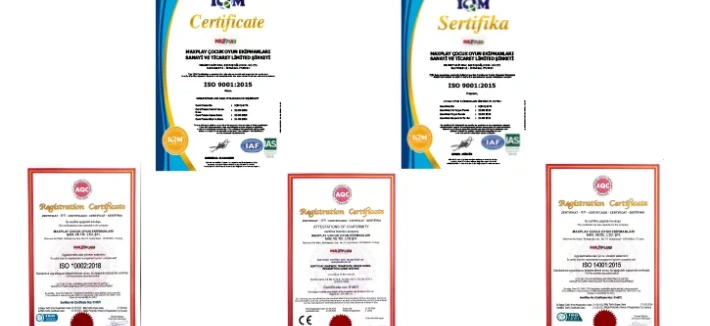
Selecting the right industrial production partner is a critical strategic decision when establishing a commercial indoor play facility. Investors must conduct thorough due diligence, looking beyond glossy marketing brochures and generic product renders to verify true manufacturing capabilities. A reliable indoor playground equipment manufacturers partner should demonstrate an established track record, provide detailed technical design documentation, operate a physical manufacturing plant rather than a trading brokerage, and hold genuine, third-party verified ISO and EN 1176 manufacturing certifications.
Direct technical audits should assess the manufacturer’s engineering precision and the quality of their baseline materials. Inquire directly about the wall thickness of their structural steel, the composition and flame-retardant rating of their PVC skins, the density metrics of their foam padding, and the specific anchoring methods used for suspended play platforms. A dependable manufacturer will supply complete architectural CAD plans, 3D spatial renders, static load calculation reports, and clear assembly schematics detailing every bolt, flange, and netting boundary. They should also provide a comprehensive spare-parts inventory, ensuring long-term access to identical modular components and matching vinyl materials years after project handover.
It is equally important to evaluate the supplier’s commercial responsiveness, warranty scope, and transparent pricing structure across all production stages. Leading soft play manufacturers provide clear, itemized quotes that differentiate hardware costs from shipping, specialized packing, and on-site engineering supervision. Reviewing client references and touring previously completed installations provides invaluable, firsthand insight into how well a supplier’s equipment withstands heavy commercial use over time. Transparent communication regarding factory production lead times and rigorous factory quality control (QC) checkpoints ensures your project launches without costly surprises.

Building a Complete Soft Play Centre with MaxPlay
Bringing a high-performing family recreation facility to life demands a reliable end-to-end partner who understands engineering excellence, spatial design, and market trends. As a premier trampoline park manufacturer and comprehensive supplier of commercial soft play equipment wholesale, MaxPlay delivers world-class, turnkey soft play projects customized to your venue. Offering tailored solutions for high-capacity recreation spaces, hotel children’s corners, and family entertainment complexes, MaxPlay bridges creative architectural vision with strict international safety compliance, positioning your venue for immediate commercial success.
Our engineering and production processes rely exclusively on first-class, certified materials engineered for demanding, high-traffic commercial environments. As a leading Turkish manufacturer and dedicated indoor playground supplier, MaxPlay supplies custom playground solutions built using heavy-gauge hot-dip galvanized steel framing, high-density non-collapsing virgin foams, and certified non-toxic, fire-retardant PVC surfaces that meet every EN 1176 safety standard. By combining precision European-standard engineering with highly competitive Turkish manufacturing costs, we offer superior commercial build quality and significantly faster delivery times than Chinese and alternative overseas fabricators, ensuring your venue opens on schedule and within budget.
Whether your development strategy calls for a modular multi-tier maze, a high-octane trampoline park equipment arena, an interactive ball pool ecosystem, or an engaging toddler play set indoor environment, our experienced engineering team customizes every design to maximize capacity, enhance visitor flow, and drive secondary spend. We provide complete, complimentary architectural planning and 3D spatial concept layouts tailored specifically to your real-world floor dimensions. Take the first step toward launching a premier entertainment destination—request your free design project and consult directly with our technical engineering team today.