





Commercial Indoor Playground Equipment in Belgium: What Makes a Good Investment
The right commercial indoor playground equipment in Belgium makes it easier for a venue to do something customers already value. In a shopping centre, that might mean giving families a reason to stay after lunch. In a leisure venue, it could mean selling another party slot without disrupting general admission. In a restaurant, it may be as simple as letting parents finish a meal while keeping younger children in sight. Each business needs a different layout, and each should judge the investment against a different result.
As MaxPlay Playground Equipment, we provide professional solutions for indoor playgrounds and soft play areas. We design, manufacture, install, and assemble indoor playground equipment and soft play systems for commercial spaces. Contact us for turnkey indoor playground projects.
| Landline: | 0216 377 10 88 |
| Mobile / WhatsApp: | 0532 069 53 17 |
| E-Mail: | info@maxplay.com.tr |
| Address: | Google Maps |
You can contact us for all your projects across Türkiye and international markets.
Our Services:
- Trampoline Manufacturing – Trampoline Park Installation
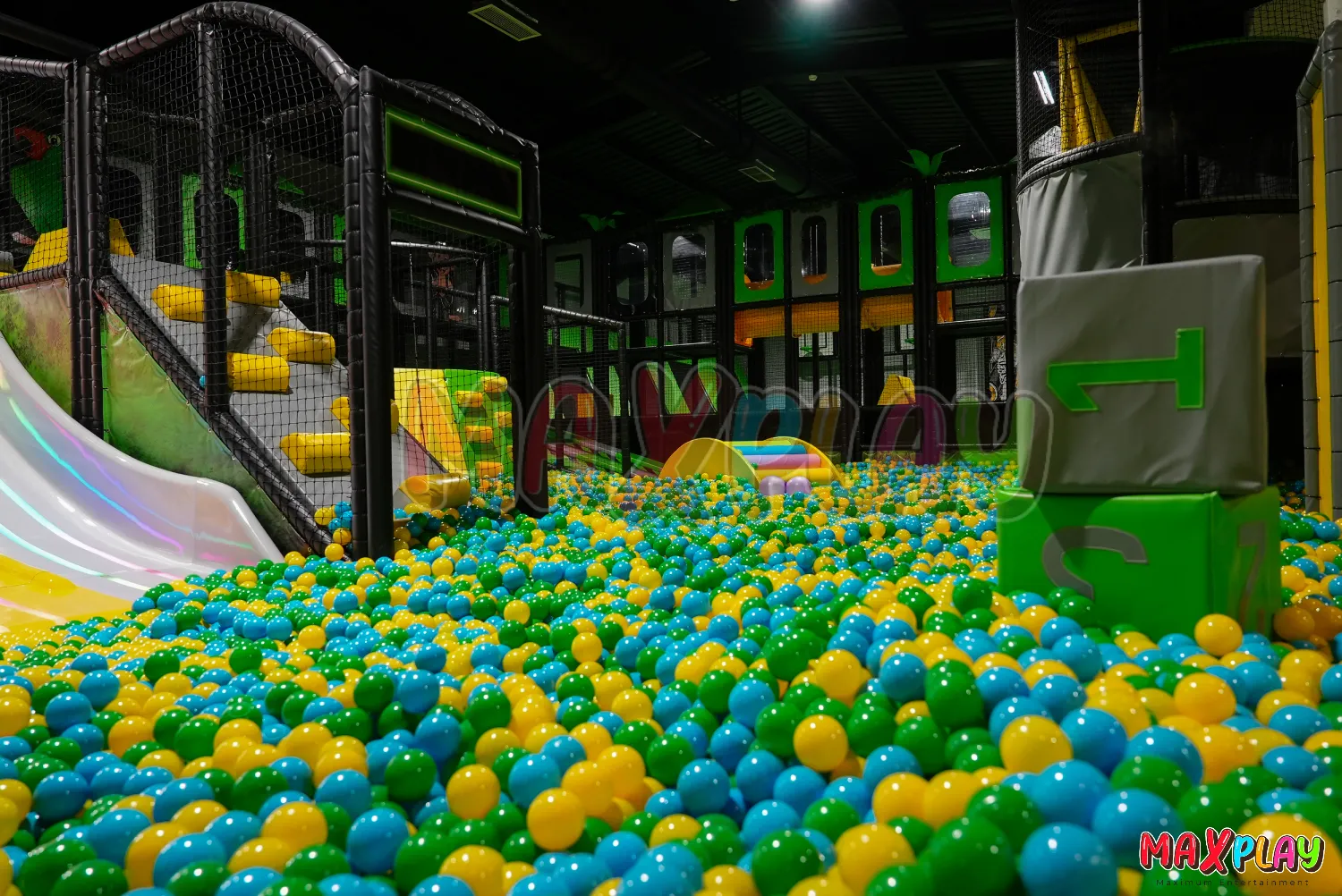
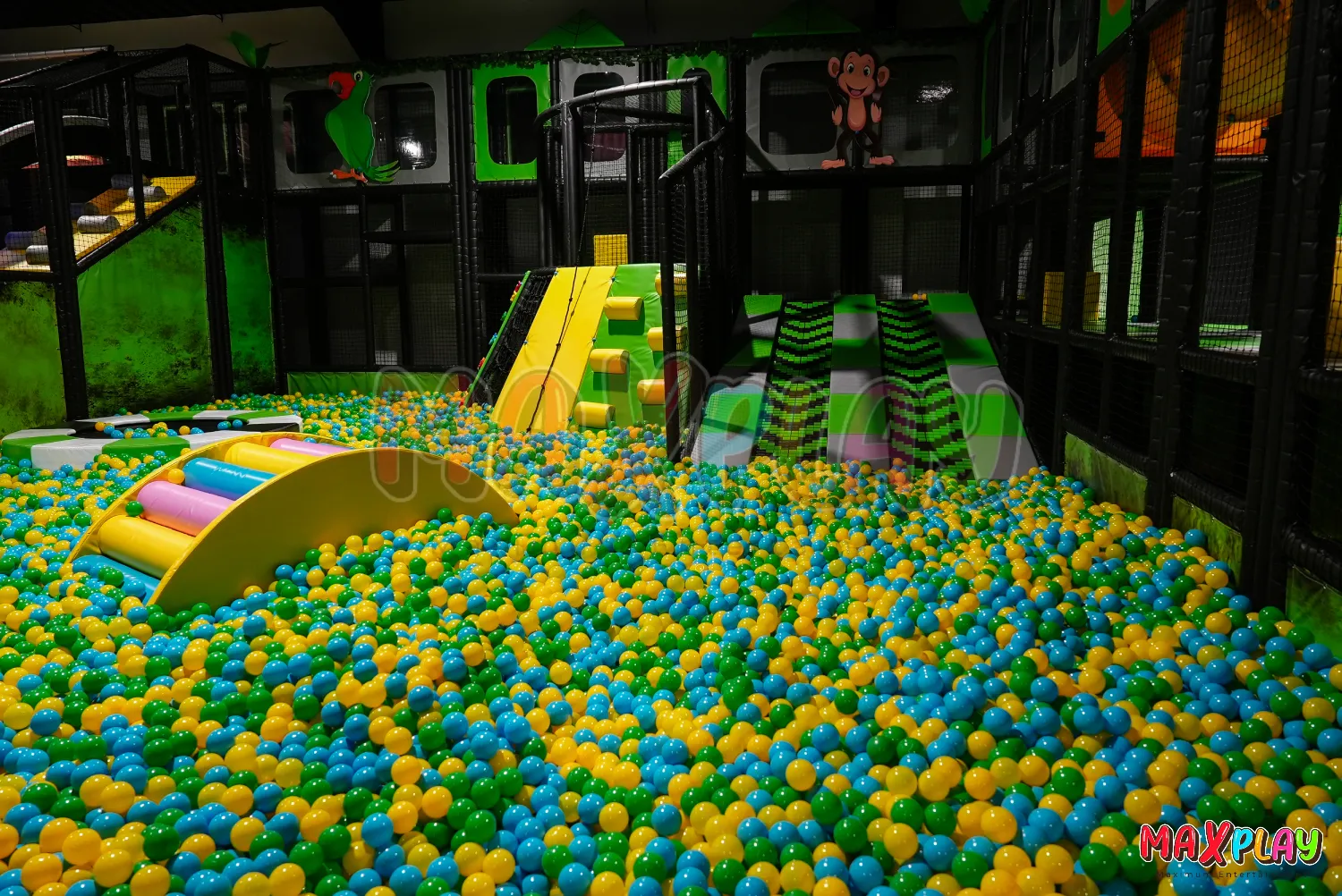
- Ball Pit Manufacturing – Ball Pit Playground Installations (with slides, etc.)
- Interactive Play Systems (Moving Soft Play Toys & Equipment)
- Sand Pit – Sand Play Areas
- Playgrounds and Role-Play Houses for Kindergartens & Nurseries
- Indoor playgrounds for businesses such as shopping malls, cafés, restaurants, etc.
- And all customized playground projects tailored to your specific needs.
A sound indoor playground investment in Belgium starts with the space the venue can actually use, the number of people available to run it and a realistic view of demand on an ordinary weekday. Then comes the equipment shortlist. MaxPlay’s 80 m² and 400 m² catalogue concepts show how the choice changes when the main job shifts from providing a compact play experience to serving several age groups and taking party bookings in the same venue.
What Should an Indoor Playground Deliver for a Belgian Shopping Centre, Leisure Venue or Restaurant?
In a shopping centre, the first question is what families already do around the proposed location. A play area near a food court can give adults a reason to stay, especially where seating has clear views of the entrance. At a busy junction, the same equipment can create a crowd around a route that tenants need to keep clear. Good shopping centre play area design accounts for the footprint of waiting adults and parked pushchairs alongside the equipment. In practice, the space just outside the entrance can determine how well the installation works on a Saturday afternoon.
A ticketed leisure venue has a different job. Its family entertainment centre equipment needs to support the experience promised by the ticket and give children enough variety to come back. A single impressive slide can draw attention, but the rest of the circuit has to remain enjoyable once a queue forms. Watch for the point where children leaving an attraction meet those waiting to enter it. A second way through the structure can be worth more than another feature competing for the same landing area.
A restaurant usually benefits from a smaller proposition. A commercial indoor play set with a low platform, a short slide and a clear entrance can suit a venue where most play happens while adults remain at the table. The practical test is whether the area still works during the busiest service, when servers are carrying plates and families are arriving together. The restaurant can then track family-table bookings, repeat visits and incremental food and drink margin to see whether that floor space earns more as play than it would as additional seating.
How Can Local Demand and Off-Peak Attendance Guide Your Equipment Budget?
Build the budget around distinct trading periods. For a venue near schools or residential neighbourhoods, a rainy Saturday, a school-holiday morning and a weekday after lunch can bring quite different visitors. A destination leisure centre may also draw families from farther away for parties than for ordinary play. In practice, counting the families who pass the premises is only the first step. The more useful observations are when they stop, the ages of the children, how long they stay and what competing venues offer at the same time.
Set out what the floor must earn on a quiet day before adding attractions for peak capacity. A compact parent-and-toddler session can use the same indoor play equipment as an afternoon drop-in session, with a different booking window. A dedicated attraction that requires an extra employee may work well at weekends and lose money through the week. When testing weekday demand, include the staff shift you have to schedule, even if the visitors you expect could all fit in one corner of the venue.
For a new site, price a base layout against conservative demand and add capacity where the evidence supports it. A familiar mistake is to design for the launch weekend and apply that attendance to the full year. Look separately at normal weeks, school holidays and any quiet stretches when staffing and rent continue. If a phase-two attraction depends on regular sell-outs or a waiting list for parties, use those as measurable triggers. That gives the operator a business reason to expand and a way to decide when to commit the money.
Which Play Attractions Are Worth the Floor Space They Take Up?
MaxPlay’s 80 m² soft play design, product 215, measures 8 m by 10 m and is listed at 3 m high. It illustrates a play-led approach where the equipment footprint is committed to the play experience itself. An operator considering commercial soft play structures in a space of this size should allow separately for entry, waiting, seating and the routes staff use to reach the structure. In use, a slide or ball pool earns its place when it gives children a distinct activity without creating a bottleneck. At peak times, staff attention goes to entry capacity and busy exits. During quiet periods, the same footprint can serve shorter drop-in visits with fewer activities to reset.
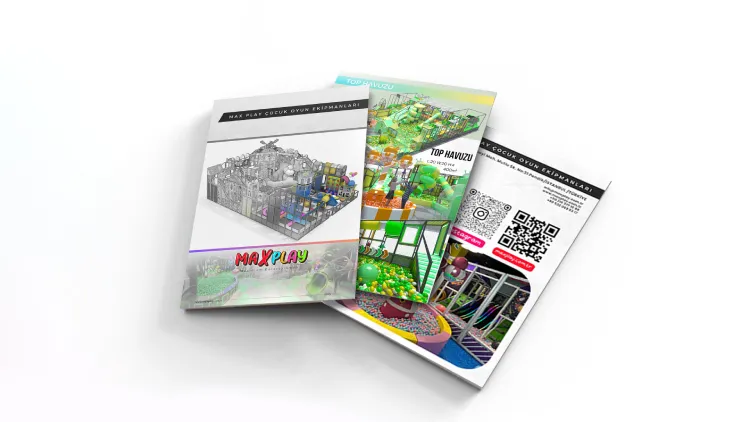
MaxPlay’s 400 m² concept allocates space to several uses, including a toddler zone and a dedicated party area. The catalogue gives the overall concept size, so the individual footprints need to come from a dimensioned project drawing. On that drawing, account for the toddler equipment and its boundary, plus adult viewing space. For an indoor playground birthday party area, count the tables, chair pullback, service route and space needed to reset the room. On busy days, a separate party zone can protect general play capacity if party arrivals and food service have their own route. On quiet days, the toddler zone can support daytime visits, while the party room earns direct revenue only when booked or used for another paid activity.
The practical comparison is how much usable floor and paid staff time each activity consumes in exchange for the visits or bookings it supports. A venue with steady walk-in demand can get more use from an extra section of play circuit than from a room that sits empty between weekend parties. A venue turning down group bookings may reach the opposite conclusion. In either case, trace a full visitor cycle on the plan, from shoes and check-in through play, refreshments and departure. That exercise often reveals a queue or turnover problem that a catalogue footprint alone cannot show.
MaxPlay Playground Equipment Overview
| Equipment Name | Description | Key Benefits | |
| Ball Pool | Colorful pit filled with balls for safe sensory play. | Safe fun for toddlers, easy to clean, encourages motor skills. | |
| Trampoline | High-quality indoor trampolines. | Builds balance and strength, child-safe design, durable materials. | |
| Interactive Game Sets | Digital and physical interactive play stations. | Boosts learning, cognitive skills, and engagement. | |
| Profession Houses | Role-play houses designed for kids. | Encourages creativity, social interaction, and imagination. | |
| Trampoline Park | Large-scale trampoline structures. | Suitable for older kids, high durability, safe design. | |
| Roller Slide | Conveyor-style (roller) slides for continuous fun. | Efficient design, fun motion play, safe structure. | |
| Tower Slide | Tower slides designed for adventure play. | Exciting design, strong safety standards, eye-catching feature. | |
| Climbing Wall | Indoor climbing walls. | Builds strength and coordination, safe grips, customizable difficulty levels. | |
| Volcano Slide | Volcano-shaped slides with climbing and sliding features. | Combines climbing and sliding, unique design, fun for multiple age groups. |
How Do Toddler Zones, Multi-Level Play Structures and Interactive Games Serve Different Age Groups?
For younger children, commercial toddler play equipment should let them reach activities independently while keeping adults close enough to help. A search for toddler play set indoor can bring up domestic products alongside commercial ranges, so check the manufacturer’s intended use, age guidance, anchoring requirements and cleaning instructions. Low ramps, crawl-through features and tactile panels can work well in a compact zone. In real use, the boundary matters as much as the toys. A toddler area beside the exit of a fast slide will be hard to supervise even if the equipment inside it is appropriate for the age group.
Older children can get more variety from multi-level indoor play systems, especially if the route includes branches that let them choose how to climb, cross and return to the floor. Ask how children move through the structure if one activity is busy or closed for cleaning. A narrow connection between levels can leave most of the upper deck empty while a queue builds below. Sightlines from the floor, access for staff and the position of exits should be reviewed on the layout and elevations with the play sequence.
Interactive indoor play equipment can suit mixed ages when difficulty is adjustable and the rules are quick to understand. A wall-mounted target game can make use of a shallow bay, but the players and spectators still need room on the floor. When assessing interactive playground equipment, walk through a busy session and a normal opening routine. Check who resets the game, how the venue operates if the sensor fails and whether the rest of the play area stays available during a repair. An enclosed circuit, a toddler zone and an interactive bay work best together when each has a clear entrance and the queue for one leaves the others usable.
Which Commercial Play Systems Can Belgian Operators Source from Turkey?
MaxPlay’s range spans compact soft play, ball pits, toddler zones, multi-activity structures, interactive games and trampoline parks. For a restaurant group or leisure business looking at soft play equipment wholesale, standardising high-wear components across locations can make it easier to carry fewer spare part types. For a standalone site with columns or changes in ceiling height, commercial soft play equipment designed to the measured premises can make better use of the room. Ask soft play manufacturers to state which modules are standard, which can be adapted and which require a redesign when moved.
The 80 m² catalogue design is a starting point for sourcing a play-led installation. Price the structure in its intended location and reserve floor outside it for queues and parent seating. At peak times, estimate who will manage entry and check the main exit. At quieter times, estimate how much of the circuit can stay open under the planned staffing arrangements. The 400 m² concept makes it possible to source a different mix in one project. Have the supplier dimension the toddler and party areas individually and quote each as part of the overall build. A toddler zone may earn its keep through repeat weekday visits, while a party area may earn more in a handful of weekend slots and require dedicated hosting and cleaning time around each booking.
Belgian operators can also source trampoline park equipment for a venue built around active play or as part of a larger concept. A trampoline park manufacturer should show how the equipment affects circulation, supervision, inspection and access to parts before the operator puts it alongside a soft play quote. In practice, an attraction that needs its own briefing, queue and assigned staff position belongs in a venue that can fund those requirements. For a restaurant with one person covering the family area during service, a compact padded module is generally easier to operate.
Why Is Turkey a Practical Sourcing Option for Belgian Venues Planning a Custom Build or Phased Expansion?
Working with a custom indoor playground manufacturer in Turkey can give a Belgian operator access to direct factory pricing and a design made around the premises. A competitive Turkish proposal can rival quotes from China and other markets on the installed price, especially when the layouts need custom fabrication. Direct road freight can also shorten delivery compared with a long ocean-freight itinerary. The strongest basis for claiming better quality on a particular project is a matched comparison of material grades, samples, seam construction, test evidence and warranty coverage. Confirm production and transit dates in writing for each bid.
For indoor play equipment from Turkey to Belgium, compare a dedicated truck, which can be useful against a fixed installation date, with consolidated road freight where the schedule allows more flexibility. Express parcel or air cargo may suit small urgent items such as a replacement sensor or a set of fittings. In practice, a short transit window is only valuable when the site can receive the load. Confirm vehicle access, the unloading appointment and the storage plan before dispatch. The EU–Turkey Customs Union can apply to eligible goods in free circulation. The customs broker should confirm the applicable classification, documents and import charges for the shipment.
For modular playground expansion, the best time to draw phase two is before phase one goes into production. A future connection can affect where a netting panel ends, where an electrician leaves a power point and which aisle must remain clear. Ask what needs to close during the extension and whether the manufacturer can match finishes and components later. A common mistake is to leave an empty bay for a future attraction, then discover it has become the only workable route for pushchairs or party groups. A reserved expansion area should still make sense in the original operating layout.
How Should You Compare Supplier Quotes Once Freight, Installation and Site Preparation Are Included?
Start with the same scope for every bidder. Give the indoor playground equipment manufacturers the same measured plan, required age groups, expected capacity, opening date and site access details. Have each bidder identify the equipment footprint, flooring, enclosures, delivery terms and installation scope. The quoted commercial playground installation cost should show whether it includes crew travel, accommodation, unloading equipment, anchoring and handover. A low price can become expensive if the operator has to hire a second crew to move packages from the loading bay through a shopping centre after hours.
The site responsibilities deserve their own review with the installer. In practice, a lift’s rated capacity may be sufficient while its doors are too narrow for the longest crate. A structure may fit in the room while an overhead obstruction affects the installation sequence. Ask the indoor playground supplier for packed dimensions, delivery access requirements and the site-readiness checklist. Have the landlord or contractor confirm who prepares the floor, supplies electrical points and coordinates work windows. Where mall trading restrictions compress the installation into nights or short shifts, compare the resulting crew costs and likely opening date.
Measure the total cost of ownership for indoor playgrounds over the same period for each proposal. Include inspections, routine servicing, cleaning labour, consumables, parts and expected closures for repair. A design with individually replaceable entrance pads can cost more at purchase and save money if wear is concentrated at the same point. Price a few predictable repairs before ordering, such as replacing a net panel or repairing a damaged interactive unit. The exercise shows how quickly the supplier can identify a part and how much of the venue may have to close while it is fitted.
What Inspection Records, Warranty Terms and Spare Parts Commitments Should You Request Before Signing?
Belgium’s FPS Economy sets out duties for playground operators, including conducting a risk analysis, defining and applying preventive measures, and establishing an inspection and maintenance schedule. For handover, agree who provides the as-installed drawings, equipment identification, installation records and evidence for the relevant standards. Fully enclosed play structures can call for documentation specific to EN 1176-10. In practice, compare the documentation against the actual revision and configuration being installed. A test report for a different layout or product range may leave the operator without the evidence needed for a specific feature in the final build.
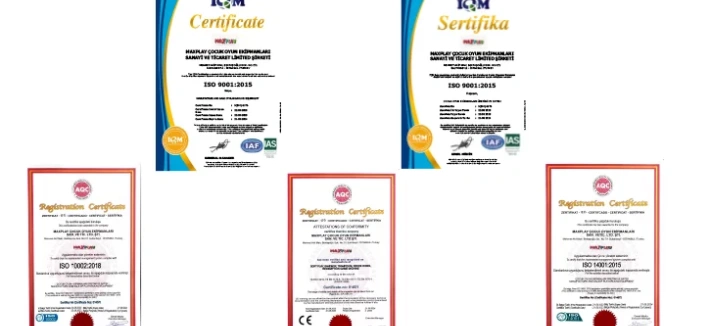
MaxPlay publishes certificates and describes manufacturing and testing against applicable safety standards. First-class build quality and suitability for regular use by children should be traceable to the project specification. For soft playground equipment, review material declarations for child-contact surfaces, supporting evidence for specified phthalate-free materials, cleanability and any applicable fire-performance documentation. Before signing, connect these records to component references on the order. In real use, the surface around an entrance or food-service area will be cleaned repeatedly, making the approved cleaning method as relevant to the buyer as the original finish sample.
Read the indoor playground equipment warranty together with the maintenance requirements. MaxPlay’s 400 m² listing describes a two-year guarantee against manufacturing defects. The project contract should specify the start date, covered components, exclusions and who pays for labour and freight on a warranty repair in Belgium. Ask which replacement parts for soft play equipment are held in stock and which are made to order. Obtain a parts list and written dispatch targets for items likely to wear first. A warranty is easier to use when the manager can identify the exact pad or fitting from a drawing and send the supplier its reference with a photograph.
Which Equipment Features Reduce Cleaning Time, Repair Costs and Downtime?
Review indoor soft playground equipment with the person who will clean it. A deep padded corner can take longer to service if staff have to remove other components to reach it. A ball pit should have manageable access for emptying, cleaning and refilling. Ask the supplier to demonstrate how a worker reaches the base of a slide, the back of a panel and the space below a low deck. In practice, a floor plan that makes these points obvious can save minutes on every shift, especially when the venue must finish the reset between timed sessions or before opening the next morning.
Commercial playground maintenance costs also depend on how far a repair spreads. Entry pads, nets and fixings should be easy to identify and replace. With electronic games, access to the power supply and controller should be planned so repair work can take place away from visitors. Discuss how staff can isolate an affected activity while keeping other areas available, where the layout and risk assessment allow. A minor fault becomes more expensive if the only route to a working attraction runs through the area that needs to close.
Before ordering, ask how the materials handle the actual cleaning routine. A sample can show how seams and edges respond to the cleaning products the supplier approves. In real use, setting a closing function aside for a trial clean is also a way to estimate labour. Time a representative section, including the removal and replacement of any loose pieces, then consider how often the work is required. This gives the operator a better basis for comparing a larger pit, a simpler padded course and an interactive wall than the purchase prices alone.
How Can You Estimate Payback Using Paid Visits, Party Bookings and Operating Costs?
An indoor playground break-even analysis starts with contribution per visit, meaning the money left from a ticket after visit-related costs. Calculate party contribution separately after food, supplies, host time and cleaning. Count party guests through the party package if admission is included. When a private booking displaces walk-in customers, allow for that lost contribution. In practice, a fully booked Saturday can be a poor reason to expand if the same room sits unused during the week and the extra staffing bill applies on more days than the party income does.
For an illustrative ticketed venue, assume €120,000 in upfront project costs, €7 contribution per paid visit, €150 contribution per party and €9,000 in monthly fixed operating costs. At 20 parties per month, parties contribute €3,000. The remaining €6,000 requires roughly 858 paid visits to break even operationally. With 1,200 paid visits and the same 20 parties, the monthly operating surplus would be €2,400. At that steady rate, simple payback would be 50 months before financing, taxes, major refurbishment or the effect of a slow opening period. These figures are examples for building the model.
To estimate indoor playground return on investment, run a conservative scenario with lower weekday attendance, fewer parties or an extra staff shift at peak times. For a restaurant or shopping centre offering free play, substitute measurable business gains for ticket revenue. Use incremental gross margin from family dining or other attributable income, and consider what the same floor area could have earned in its previous use. Check results after opening against comparable periods. The decision to add a game, enlarge the toddler zone or convert a room to party use is easier when the operator can see which source of demand is actually growing.
How Can MaxPlay Configure a Play Area Around Your Floor Plan, Budget and Target Age Groups?
MaxPlay’s design process starts with the premises and the operating brief. A measured drawing should show clear ceiling heights, columns, entrances, access restrictions and any landlord requirements. Expected visitor ages, paid or complimentary entry, party plans and staffing then shape the proposed layout. In practice, a low beam can change where a deck belongs, and where staff stand can change which entrance works best. Reviewing the plan with the people who will supervise, clean and run parties can identify those changes while they are still straightforward to make.
For a compact investment, the design can prioritise a coherent play circuit, easy viewing and a short cleaning route. For a larger leisure venue, the plan can give toddler sessions, general admission and parties distinct areas while keeping check-in manageable. Compare the layouts against the same budget and a real trading day. Walk through a family arriving with a pushchair, a party arriving early and a staff member closing a feature for maintenance. Use the drawing review to settle the equipment scope, material specifications, freight options and installation responsibilities before manufacture begins.
MaxPlay provides free project design, including a site plan and 3D layout. Send your floor plan, ceiling heights, target age groups and opening date to request your free project today. The design team can develop a layout for your available space and budget, then discuss equipment, delivery to Belgium and installation.