





Indoor Playground Design and Build Services in the Netherlands: What’s Included
Developing a successful indoor play facility requires more than selecting attractive equipment and arranging it inside an available building. Professional Indoor Playground Design and Build Services in the Netherlands bring together commercial feasibility, spatial planning, structural engineering, equipment manufacturing, safety compliance, and installation coordination. For Dutch investors, the objective is to create a commercially sustainable destination where children can explore safely, parents feel comfortable, and operators can manage daily activities efficiently.
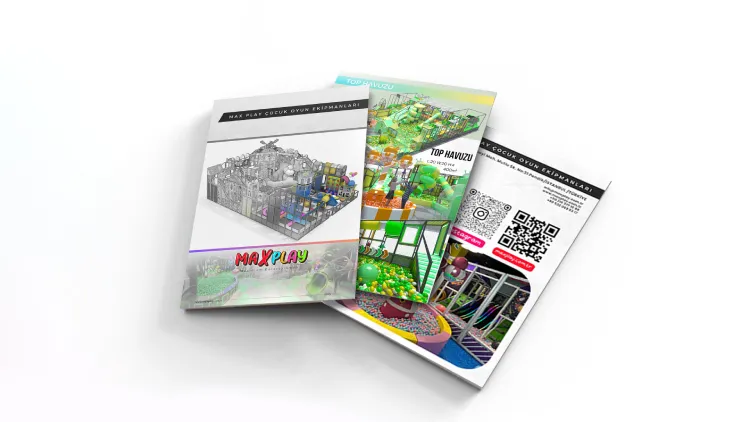
As MaxPlay Playground Equipment, we provide professional solutions for indoor playgrounds and soft play areas. We design, manufacture, install, and assemble indoor playground equipment and soft play systems for commercial spaces. Contact us for turnkey indoor playground projects.
| Landline: | 0216 377 10 88 |
| Mobile / WhatsApp: | 0532 069 53 17 |
| E-Mail: | info@maxplay.com.tr |
| Address: | Google Maps |
You can contact us for all your projects across Türkiye and international markets.
Our Services:
- Trampoline Manufacturing – Trampoline Park Installation
- Ball Pit Manufacturing – Ball Pit Playground Installations (with slides, etc.)
- Interactive Play Systems (Moving Soft Play Toys & Equipment)
- Sand Pit – Sand Play Areas
- Playgrounds and Role-Play Houses for Kindergartens & Nurseries
- Indoor playgrounds for businesses such as shopping malls, cafés, restaurants, etc.
- And all customized playground projects tailored to your specific needs.
A well-executed project begins with understanding how the facility will function during actual operating hours. Entrance congestion, supervision difficulties, cleaning access, equipment maintenance, and differences between age groups can significantly influence long-term performance. These practical considerations should shape design decisions before manufacturing begins. Working with an experienced international supplier can also help investors balance manufacturing quality, customization, delivery schedules, and overall investment costs.
Understanding the Scope of Professional Indoor Playground Design and Construction Services in the Netherlands
A complete development service connects creative planning with technical execution. The process typically includes concept development, site measurements, preliminary drawings, equipment specifications, manufacturing, international transportation, installation, and final inspection preparation. Each stage must support the same operational objectives rather than functioning as an isolated purchasing decision.
For businesses considering indoor playground design and build Netherlands solutions, the distinction between an equipment supplier and a full-service project partner is important. A supplier may provide individual components, while a project-based manufacturer coordinates how those components fit within a defined layout. This becomes particularly valuable when developing turnkey children’s entertainment centre development projects involving several attractions, age categories, and operational requirements.
In practice, one of the most common problems is discovering that attractive equipment cannot be installed as originally planned because of ceiling obstructions, insufficient access routes, or building services. Professional bespoke indoor play area construction addresses these limitations during the design stage. The resulting facility should be practical to operate, straightforward to maintain, and adaptable to future commercial requirements.
Initial Project Consultation, Site Assessment and Feasibility Planning for Dutch Entertainment Businesses
Every successful facility starts with a realistic assessment of its location and intended customer base. A former retail unit in Rotterdam may require a completely different approach from a large leisure warehouse near Utrecht. Building dimensions, ceiling height, column positions, emergency exits, ventilation systems, and available electrical infrastructure all influence the project.
Effective commercial playground project planning also considers visitor demographics, expected attendance, admission pricing, local competition, staffing requirements, and the relationship between play capacity and supporting facilities. An indoor playground feasibility assessment should distinguish the total building area from the space genuinely available for attractions after circulation, reception, toilets, seating, and technical facilities are accounted for.
One frequent mistake is calculating revenue potential solely from maximum theoretical capacity. Actual attendance fluctuates, particularly during school holidays, weekends, and rainy periods. A sensible feasibility model considers peak demand, quieter weekdays, birthday parties, cleaning intervals, and staffing levels. Operators should also verify planning permission, building-use requirements, fire safety provisions, accessibility obligations, and relevant municipal procedures before committing to equipment production.
Custom 3D Playground Design: Floor Plans, Visitor Flow, Age Segmentation and Space Utilization
Detailed visual planning translates commercial objectives into a workable physical environment. Professional 3D playground layout design helps investors evaluate equipment positioning, structural heights, visibility, access points, and themed features before approving production. Three-dimensional models are particularly useful when different stakeholders need to understand how the completed venue will appear and operate.
Efficient indoor playground space utilization is not simply about fitting the maximum number of attractions into a building. A strong layout establishes clear circulation routes, separates incompatible activities, and allows supervisors to observe important areas without unnecessary blind spots. For example, a two-level adventure structure may be appropriate for older children, while a nearby enclosed toddler area requires controlled access and lower-impact activities.
In real-world operation, poorly positioned entrances can create queues that interfere with café seating or emergency circulation. Similarly, combining energetic climbing activities with quiet sensory play can reduce the enjoyment of both groups. Good design therefore considers visitor movement, acoustic conditions, parent visibility, cleaning access, and the potential for future equipment modifications.
Selecting the Right Play Equipment: Multi-Level Soft Play, Ball Pools, Adventure Courses and Interactive Attractions
Equipment selection should begin with the intended age range and visitor experience rather than a catalogue of available products. A compact indoor play set may suit a small hospitality venue, while a commercial entertainment centre requires coordinated attractions designed for sustained public use. A toddler play set indoor configuration should prioritize age-appropriate dimensions, controlled access, and developmentally suitable challenges.
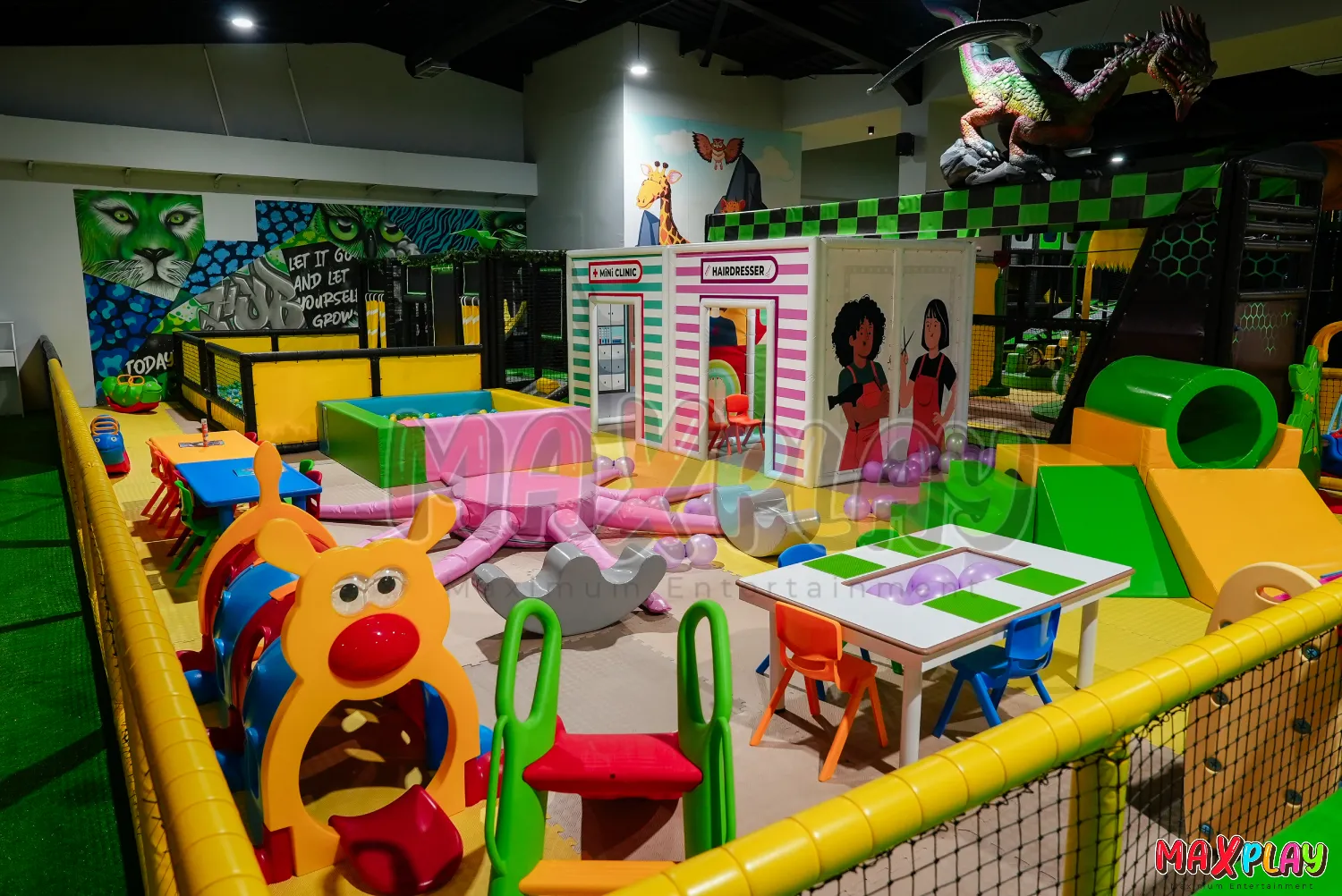
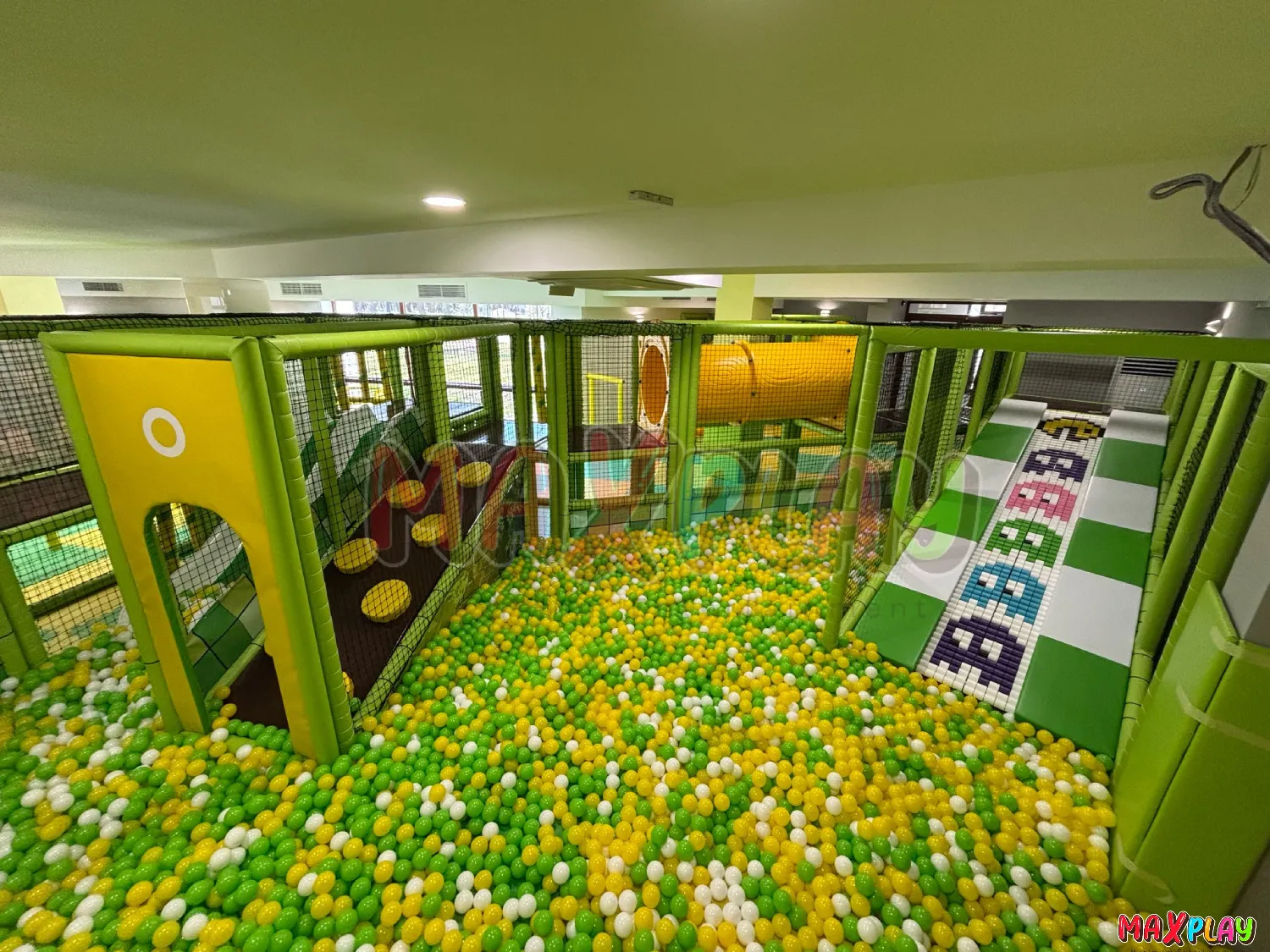
Larger facilities often combine multi-level adventure play structures, climbing nets, tunnels, slides, and soft playground equipment with dedicated interactive children’s activity zones. A ball pool can support active play when its depth, access, cleaning procedures, and surrounding barriers are properly considered. Meanwhile, interactive playground equipment can introduce projection-based games, reaction activities, and experiences that encourage repeat visits.
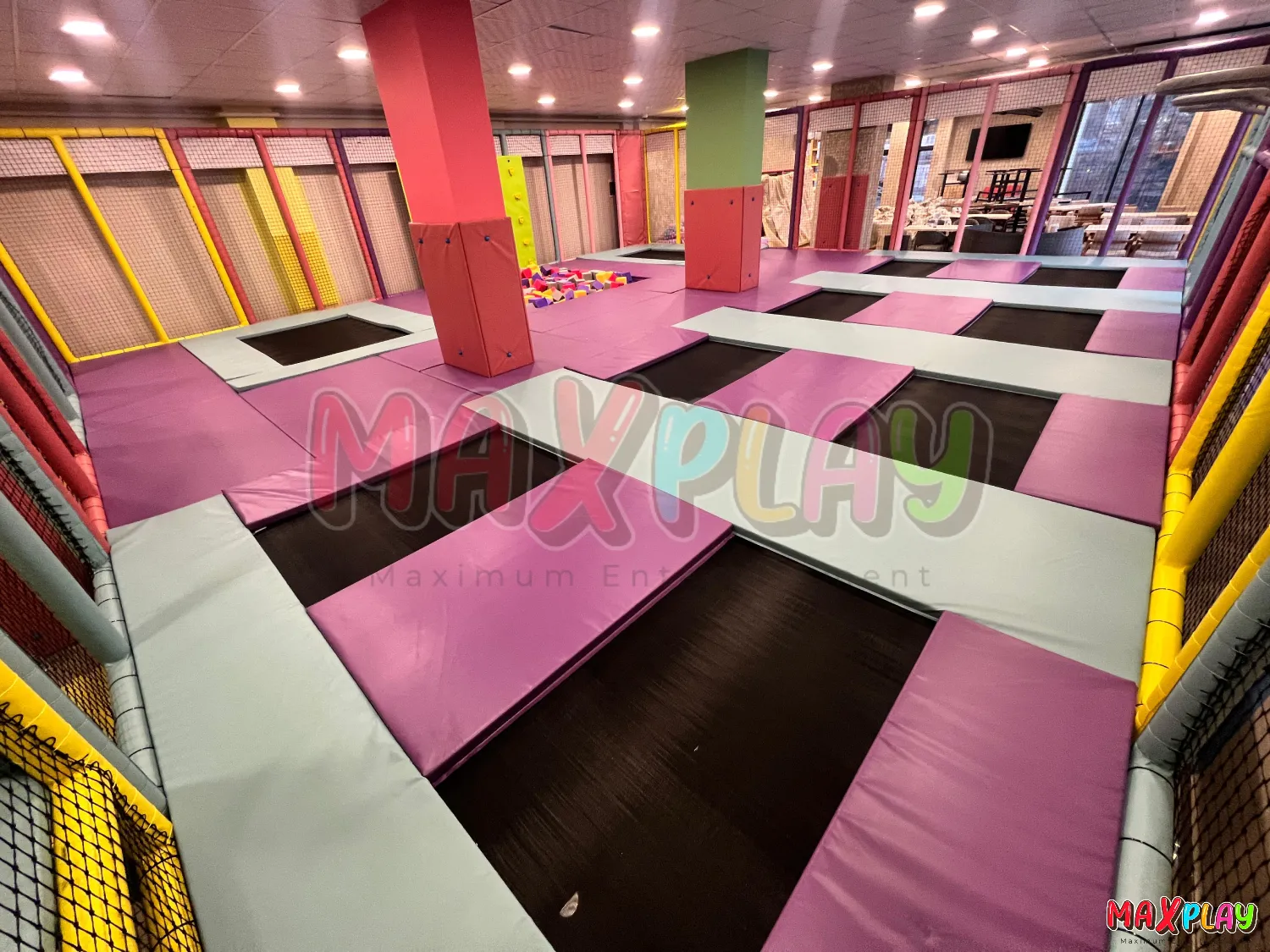
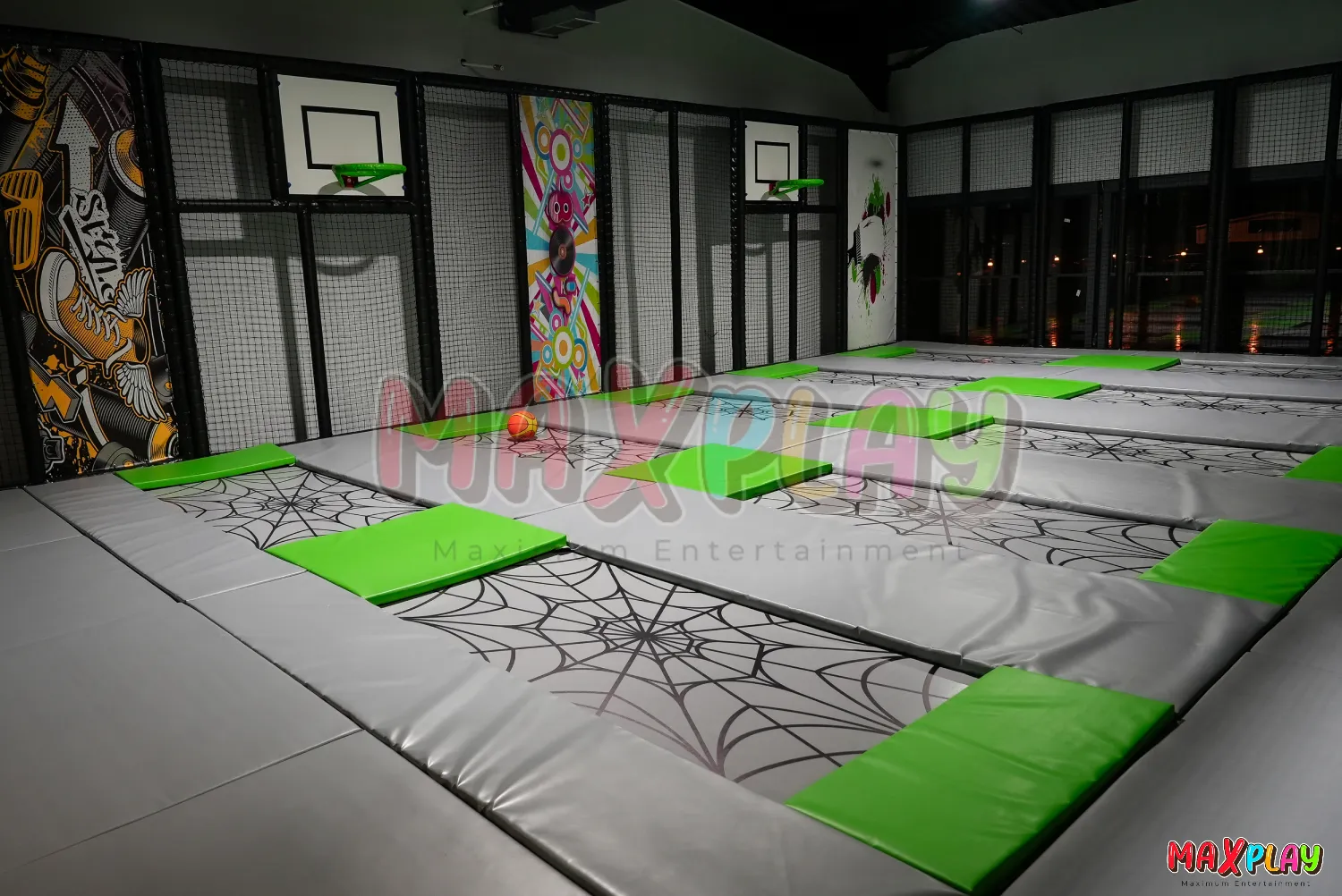
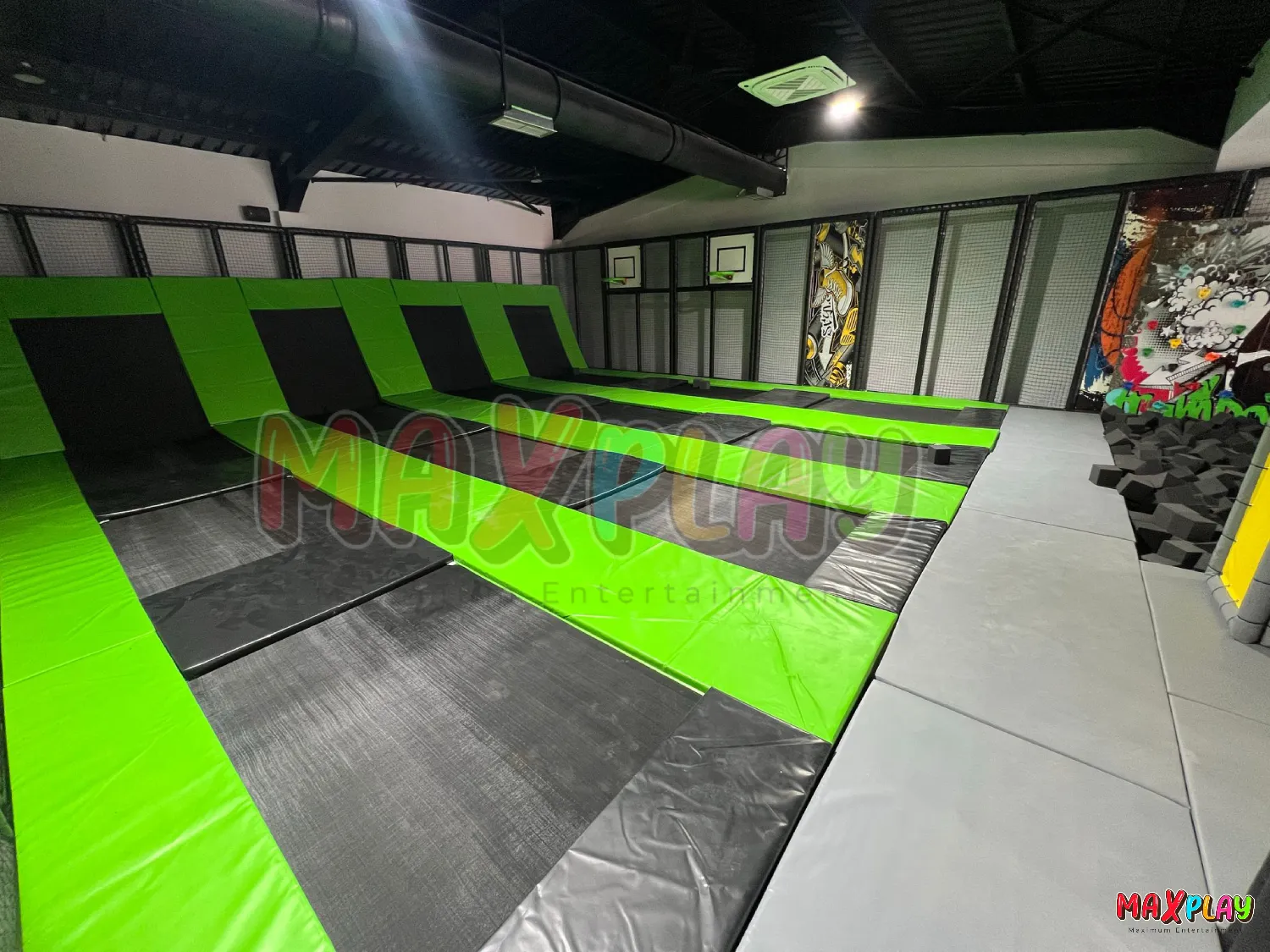
Not every attraction suits every venue. Trampoline park equipment introduces specific structural, supervision, operational, and inspection requirements that differ from conventional soft play. A specialist trampoline park manufacturer may therefore need to coordinate closely with the broader project team. Operators should prioritize equipment compatibility and maintenance accessibility rather than selecting unrelated attractions simply to increase the number of advertised activities.
MaxPlay Playground Equipment Overview
| Equipment Name | Description | Key Benefits |
| Ball Pool | Colorful pit filled with balls for safe sensory play. | Safe fun for toddlers, easy to clean, encourages motor skills. |
| Trampoline | High-quality indoor trampolines. | Builds balance and strength, child-safe design, durable materials. |
| Interactive Game Sets | Digital and physical interactive play stations. | Boosts learning, cognitive skills, and engagement. |
| Profession Houses | Role-play houses designed for kids. | Encourages creativity, social interaction, and imagination. |
| Trampoline Park | Large-scale trampoline structures. | Suitable for older kids, high durability, safe design. |
| Roller Slide | Conveyor-style (roller) slides for continuous fun. | Efficient design, fun motion play, safe structure. |
| Tower Slide | Tower slides designed for adventure play. | Exciting design, strong safety standards, eye-catching feature. |
| Climbing Wall | Indoor climbing walls. | Builds strength and coordination, safe grips, customizable difficulty levels. |
| Volcano Slide | Volcano-shaped slides with climbing and sliding features. | Combines climbing and sliding, unique design, fun for multiple age groups. |
Creating Distinctive Play Environments for Dutch Shopping Centres, Family Restaurants and Indoor Leisure Venues
The commercial setting determines how an indoor playground should function. Shopping centres often benefit from visually appealing attractions that encourage families to extend their visits. Family restaurants may prefer smaller, easily supervised areas that complement dining activities. Dedicated leisure centres generally require broader activity diversity, longer visitor engagement, and facilities suitable for organized celebrations.
Effective Dutch family entertainment centre development therefore depends on aligning the entertainment concept with the venue’s business model. A restaurant operator might prioritize compact slides, role-play features, and parent visibility, whereas a destination entertainment facility may need climbing challenges, birthday rooms, café services, and differentiated activity zones.
In practice, themed environments work best when visual design supports functionality. Underwater, jungle, space, or architectural concepts can create memorable surroundings, but decorative elements should never obstruct inspection points, reduce supervision, or interfere with emergency access. Professional custom-themed play environment design integrates decorative structures with equipment engineering, durable finishes, lighting considerations, and realistic maintenance procedures.
Structural Engineering, Impact-Absorbing Surfaces and Child-Friendly Materials for Commercial Play Facilities
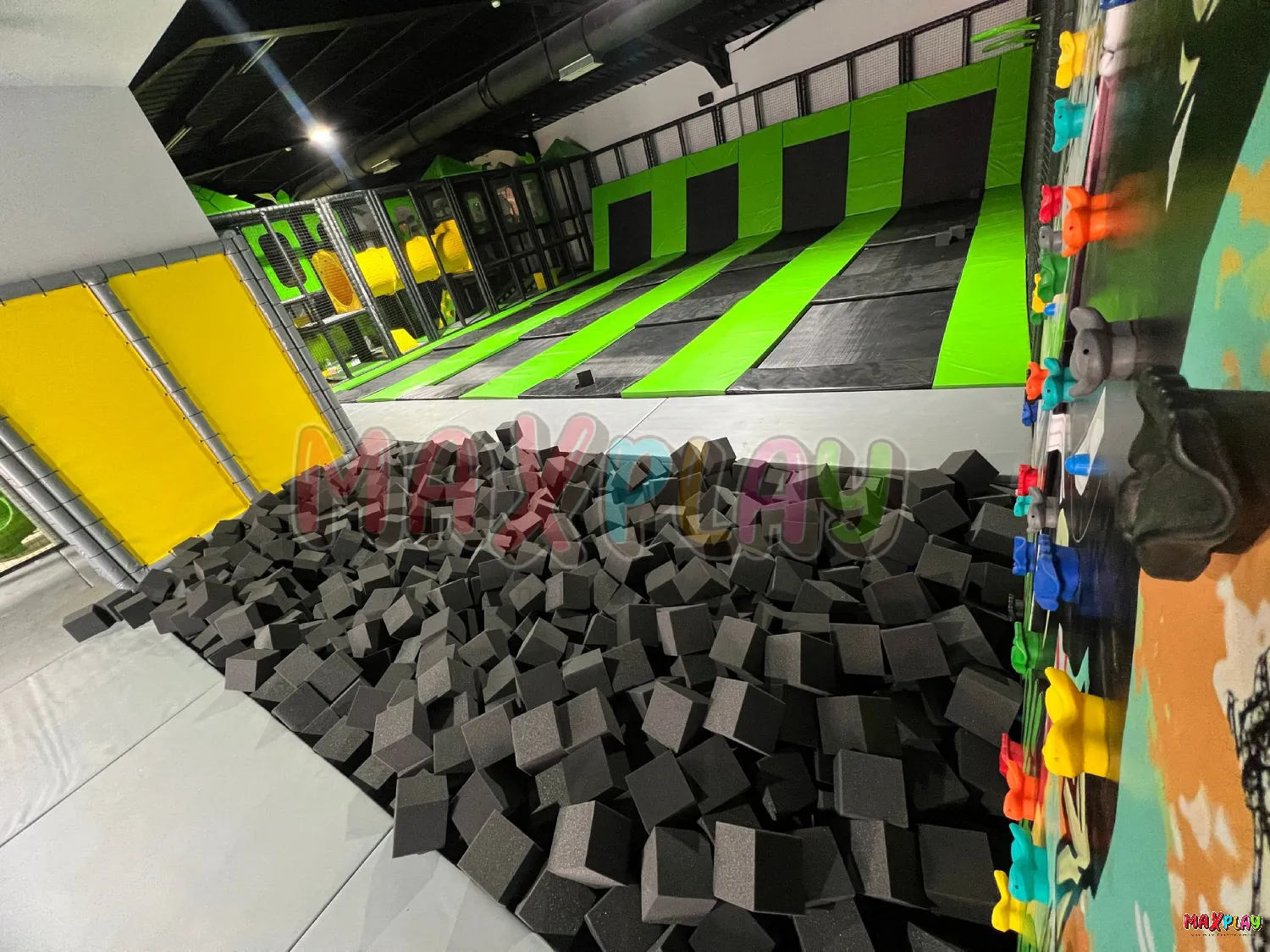
A playground’s visual appearance reveals little about its underlying structural performance. Reliable commercial play equipment engineering considers expected loads, frame connections, platform stability, protective barriers, anchoring arrangements, and the interaction between equipment and the host building. Structural calculations and installation details should correspond to the actual project configuration rather than relying on generic product descriptions.
Material selection is equally important. High-quality commercial soft play equipment typically combines appropriately specified structural components, protective padding, durable surface coverings, and materials selected for their intended use. Operators should request evidence supporting relevant material properties, including cleanability, durability, fire performance where applicable, and restrictions on hazardous substances. Claims such as first-class quality or child-safe manufacturing should be supported by technical documentation and suitable test results.
Properly specified impact-absorbing safety flooring must correspond to the equipment’s intended use and relevant fall characteristics. A thicker-looking surface is not automatically safer; its tested performance and installation conditions matter. Common engineering mistakes include insufficient protective coverage, exposed fixing points, difficult-to-clean joints, and components that cannot be accessed for routine inspection. These details should be resolved before production drawings are approved.
Navigating Dutch Playground Safety Regulations: WAS 2023, EN 1176, EN 1177 and Inspection Requirements
Safety compliance is a central part of commercial playground development in the Netherlands. The Dutch Warenwetbesluit attractie- en speeltoestellen 2023, commonly referred to as WAS 2023 playground regulations, establishes requirements relevant to the safety and oversight of playground and amusement equipment. The classification of an installation, its intended use, and applicable inspection obligations must be established for the particular project.
The EN 1176 playground equipment standards series provides technical requirements and testing methods for relevant playground equipment, while EN 1177 addresses impact-attenuating playground surfacing. These standards are important references, but they should not be treated as interchangeable with Dutch legal approval. Depending on the equipment category, additional requirements or standards may apply, particularly to trampoline-based attractions and other specialized activities.
For playground safety inspection Netherlands projects, investors should establish which competent inspection body or designated authority is relevant, what documentation is required, and when assessments must take place. Equipment drawings, material specifications, installation records, maintenance instructions, and inspection evidence should be organized before opening. A manufacturer’s general certification claim does not automatically establish compliance for a complete site-specific installation.
In daily operation, safety management continues after initial approval. Routine visual checks, periodic technical inspections, documented maintenance, incident reporting, and appropriate staff training remain essential. An operator should also maintain a current equipment inventory and follow applicable inspection and registration obligations. Dutch regulatory requirements should be verified with the relevant authorities and inspection organizations for the specific installation.
Why Turkey Is a Practical Manufacturing Partner for Bespoke Playground Construction Projects in the Netherlands?
Turkey has become an attractive sourcing destination for European leisure businesses seeking customized playground systems without the pricing structure associated with some Western European manufacturers. Established Turkish playground equipment manufacturers can combine project engineering, component fabrication, protective padding, themed decoration, and equipment assembly within coordinated production operations.
Compared with purchasing from China, sourcing from Turkey can offer advantages in transportation flexibility, communication, and delivery planning. Road freight connections with continental Europe allow shipments to reach the Netherlands without depending exclusively on long-distance maritime transport. Although actual transit times vary, this proximity can be particularly valuable when replacement components, installation adjustments, or additional equipment are required.
Price comparisons should consider more than the initial manufacturing quotation. A lower factory price can become less attractive after freight, import charges, installation, inspection, and maintenance costs are included. For children’s leisure facility investment planning, Turkish production offers a potentially competitive balance of manufacturing cost, first-class material specifications, customization, and delivery responsiveness. However, superior quality or faster delivery should be established through comparable technical specifications and confirmed schedules rather than assumed from manufacturing origin alone.
Factory-Based Production in Turkey: Custom Dimensions, Themed Structures and Integrated Play Equipment Manufacturing
Factory-controlled manufacturing provides an opportunity to coordinate different equipment categories before they arrive at the installation site. With custom soft play manufacturing Turkey, structural frames, padded elements, slides, climbing components, decorative panels, and access features can be produced according to an approved project layout. This approach reduces the risk of incompatible dimensions between separately purchased products.
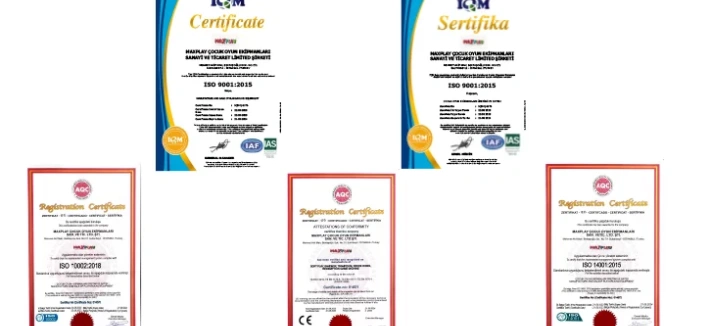
An experienced indoor playground supplier should maintain traceable production specifications and consistent quality-control procedures. Important checkpoints include material verification, dimensional accuracy, weld quality where relevant, protective covering installation, component identification, and packaging inspection. Certified production should mean that applicable conformity evidence, test reports, and quality records are available for review—not merely that certification logos appear in marketing materials.
For investors comparing soft play manufacturers, indoor playground equipment manufacturers, and soft play equipment wholesale options, the production model matters. Standard wholesale products can be economical for simple installations, whereas custom manufacturing is generally better suited to irregular spaces, complex themes, and multi-zone entertainment centres. An operator choosing indoor soft playground equipment should assess replacement-part availability, cleaning requirements, and how easily individual components can be repaired without dismantling an entire structure.
In practice, integrated production is especially useful when combining indoor play equipment with themed decorative structures and interactive elements. The main advantage is not simply visual consistency: coordinated manufacturing can also simplify assembly sequencing, reduce dimensional conflicts, and support more reliable installation planning.
From Manufacturing to Opening Day: International Shipping, On-Site Assembly, Testing and Project Handover
International delivery requires planning from the moment production drawings are finalized. Effective international playground equipment logistics includes shipment dimensions, packaging methods, loading sequences, transport documentation, customs arrangements, unloading equipment, and access conditions at the destination. Oversized components or poorly organized shipments can create unnecessary handling costs and installation delays.
Turkey’s established road freight network provides practical transportation options for Dutch projects. Depending on shipment volume and urgency, equipment may be transported through consolidated freight services, dedicated trucks, or alternative multimodal arrangements. Compared with long-distance sea freight from China, road-based delivery from Turkey can offer shorter transit windows for suitable shipments, although customs processing, carrier availability, and border conditions must be considered.
Professional on-site playground assembly services should follow approved technical drawings and manufacturer instructions. Installation teams need to verify frame alignment, mechanical connections, protective coverings, anchoring details, and equipment clearances. Before handover, the completed facility should undergo appropriate checks and any legally required independent assessment. A comprehensive commercial play facility project handover also includes operating instructions, maintenance schedules, equipment identification, spare-part information, and relevant inspection documentation.
One frequently overlooked issue is the relationship between installation completion and the planned opening date. Finishing assembly does not automatically mean the venue is ready for customers. Staff preparation, cleaning, emergency procedures, inspections, and operational testing may still be necessary. For turnkey soft play installation Europe projects, these activities should be reflected in the master schedule rather than treated as last-minute responsibilities.
What Should a Turnkey Playground Construction Quote Include? Budget Breakdown, Delivery Milestones and After-Sales Support
A professional quotation should provide enough detail for investors to understand exactly what is included in the proposed investment. A useful indoor playground construction cost breakdown separates equipment manufacturing, design services, transportation, installation, optional attractions, and any additional site-related expenses. The quote should also identify exclusions, payment milestones, estimated production periods, and responsibilities for inspection or regulatory approval.
For example, two suppliers may propose similar-looking play structures at significantly different prices. The difference may involve structural specifications, padding materials, equipment density, installation labor, shipping terms, or warranty coverage. Evaluating quotations on price alone can therefore lead to unexpected costs during construction or after opening.
A practical supplier comparison should address the following:
- Technical scope: Equipment dimensions, materials, age groups, activity capacity, and approved drawings.
- Safety documentation: Applicable standards, test reports, certification scope, and inspection responsibilities.
- Commercial terms: Manufacturing price, transport conditions, customs responsibilities, installation costs, and payment stages.
- Project schedule: Design approval, production milestones, dispatch, delivery, assembly, and handover.
- After-sales support: Warranty conditions, replacement components, technical assistance, and maintenance guidance.
Long-term indoor playground maintenance planning is equally important. Components exposed to repeated climbing, sliding, impact, and cleaning require predictable inspection procedures. Operators should establish responsibilities for daily visual checks, scheduled technical assessments, surface cleaning, and replacement of worn components. A lower initial purchase price may provide little benefit if replacement parts are expensive or difficult to obtain.
The most suitable investment is not necessarily the largest or most technically elaborate facility. Small hospitality businesses may benefit from modular soft play equipment with straightforward supervision requirements, while high-capacity entertainment centres may justify complex adventure structures and interactive attractions. Investors should select a solution that matches their business model, available capital, operational capabilities, and realistic customer demand.
How MaxPlay Provides End-to-End Playground Design, Custom Manufacturing and Installation Solutions for Dutch Investors?
MaxPlay is a Turkey-based playground equipment manufacturer providing project-based solutions for commercial entertainment facilities. Its services cover initial consultation, customized space planning, 3D design, manufacturing, international shipping, installation coordination, and after-sales assistance. The company produces a broad range of equipment, including soft play structures, slides, climbing systems, ball pools, toddler areas, interactive attractions, and trampoline-related installations. Its project approach allows Dutch investors to develop facilities around available dimensions, commercial objectives, and specific design requirements.
MaxPlay emphasizes first-class manufacturing quality, durable materials, child-conscious design, and production aligned with recognized international safety standards. Its manufacturing operations in Turkey support factory-direct playground procurement, helping businesses pursue competitive equipment pricing while maintaining flexibility over layouts, themes, and component selection. For Dutch projects, the combination of custom production and European road freight connections can support efficient transportation and shorter logistical lead times than some overseas sourcing arrangements. The company also provides technical support, replacement components, and maintenance assistance after installation. Project-specific compliance documentation and Dutch approval requirements remain essential parts of the delivery process.