





Indoor Playground Factories in Romania: Production Capacity and Delivery Times
The commercial entertainment sector across Central and Eastern Europe is expanding rapidly, driving significant interest in Indoor Playground Factories in Romania among regional investors, family entertainment center (FEC) operators, and mall developers. While local Romanian fabrication workshops handle basic carpentry, light metal framing, and surface-level assembly, large-scale commercial execution requires deep industrial capability. As entertainment hubs demand increasingly complex attractions, business operators frequently navigate the trade-offs between local domestic capabilities and cross-border European industrial hubs.
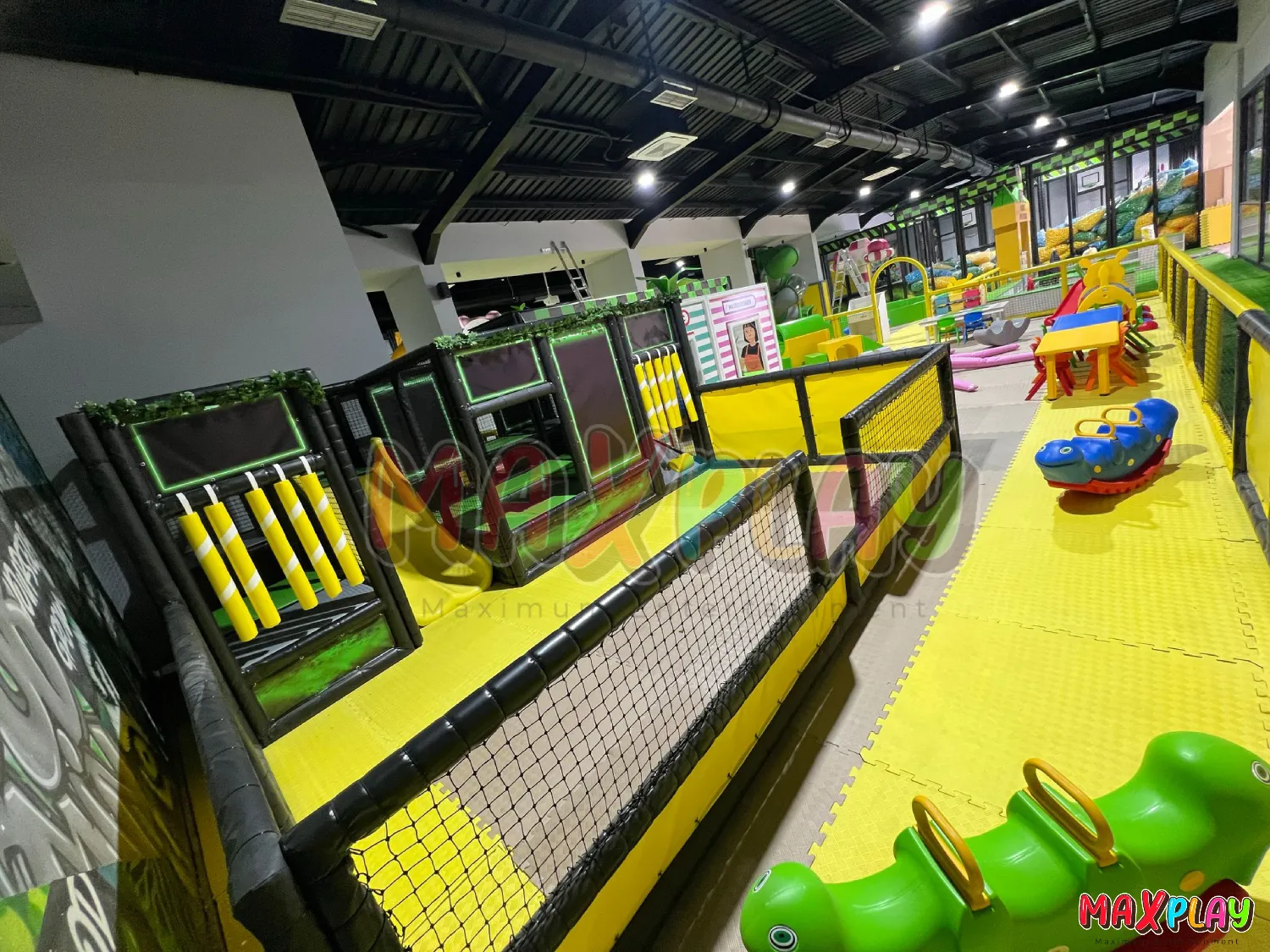
As MaxPlay Playground Equipment, we provide professional solutions for indoor playgrounds and soft play areas. We design, manufacture, install, and assemble indoor playground equipment and soft play systems for commercial spaces. Contact us for turnkey indoor playground projects.
| Landline: | 0216 377 10 88 |
| Mobile / WhatsApp: | 0532 069 53 17 |
| E-Mail: | info@maxplay.com.tr |
| Address: | Google Maps |
You can contact us for all your projects across Türkiye and international markets.
Our Services:
- Trampoline Manufacturing – Trampoline Park Installation
- Ball Pit Manufacturing – Ball Pit Playground Installations (with slides, etc.)
- Interactive Play Systems (Moving Soft Play Toys & Equipment)
- Sand Pit – Sand Play Areas
- Playgrounds and Role-Play Houses for Kindergartens & Nurseries
- Indoor playgrounds for businesses such as shopping malls, cafés, restaurants, etc.
- And all customized playground projects tailored to your specific needs.
In practical field engineering, sourcing play equipment locally in Romania often encounters capacity limits regarding heavy structural metalwork, certified non-toxic rotationally molded plastics, and high-density fire-retardant foam processing. Operators planning a multi-level indoor play set or high-capacity adventure zones must evaluate full factory capabilities, including metal extrusion strength, precision CNC tube bending, and anti-tear vinyl welding. Sourcing high-performance commercial soft play equipment requires partnering with a production setup that can guarantee fast turnaround times, international safety certifications, and scalable manufacturing without compromising structural durability.

What Should Businesses Look for in an Indoor Playground Factory?
Selecting an industrial manufacturing partner determines the operational viability, child safety, and financial lifecycle of an FEC. A qualified commercial playground supplier must demonstrate comprehensive playground manufacturing capabilities, moving beyond light assembly to advanced structural engineering. Sourcing directly from modern production facilities eliminates the markup of trading intermediaries while providing direct oversight of technical blueprints, metal load calculations, and fire safety ratings.
A critical indicator of manufacturing quality is the technical mastery of raw materials. High-grade systems utilize minimum 2.0 mm wall-thickness galvanized steel pipes, multi-density flame-retardant sponge (minimum 30 kg/m³ density), 0.55 mm heavy-duty anti-microbial PVC tarpaulin, and certified high-density polyethylene (HDPE). When auditing a manufacturer’s factory experience, evaluate their portfolio of completed international projects. Manufacturers accustomed to strict regulatory environments consistently enforce stringent internal production standards, guaranteeing that every weld, clamp, and protective net meets commercial-grade safety requirements.
Which Turkish Soft Play Equipment Is Most Popular in Europe?
Across European commercial entertainment centers, multi-level modular play labyrinths and hybrid adventure structures manufactured in Turkey have gained widespread adoption. Family entertainment center operators and shopping mall developers frequently specify multi-tier soft play structures integrated with interactive obstacle tracks, web climbing towers, and high-capacity ball pools. These installations combine heavy-duty structural galvanization with premium, anti-tear vinyl surfacing that satisfies rigorous European commercial safety benchmarks while maintaining vibrant aesthetic appeal across multi-year operational cycles.
In practical operational environments, the demand for specialized toddler zones equipped with high-density sensory foam components and dynamic digital integration is surging. Turkish manufacturers excel in delivering certified interactive playground equipment, such as motion-activated projection games, air-powered ball transport systems, and illuminated climbing grids. This diverse product mix allows European venues to engage varied age groups within a unified footprint, driving higher dwell times and recurring visits.
Furthermore, commercial operators consistently select Turkish-made heavy-duty slides and integrated trampoline park equipment due to their balanced capital cost and proven structural longevity. Engineered to absorb continuous kinetic loads, these systems utilize high-grade European-standard steel connections, flame-retardant padding, and certified protective netting. The combination of European design sensibilities, strict compliance with EN standards, and fast road freight makes these equipment categories the primary choice for investors across the continent.
MaxPlay Playground Equipment Overview
| Equipment Name | Description | Key Benefits |
| Ball Pool | Colorful pit filled with balls for safe sensory play. | Safe fun for toddlers, easy to clean, encourages motor skills. |
| Trampoline | High-quality indoor trampolines. | Builds balance and strength, child-safe design, durable materials. |
| Interactive Game Sets | Digital and physical interactive play stations. | Boosts learning, cognitive skills, and engagement. |
| Profession Houses | Role-play houses designed for kids. | Encourages creativity, social interaction, and imagination. |
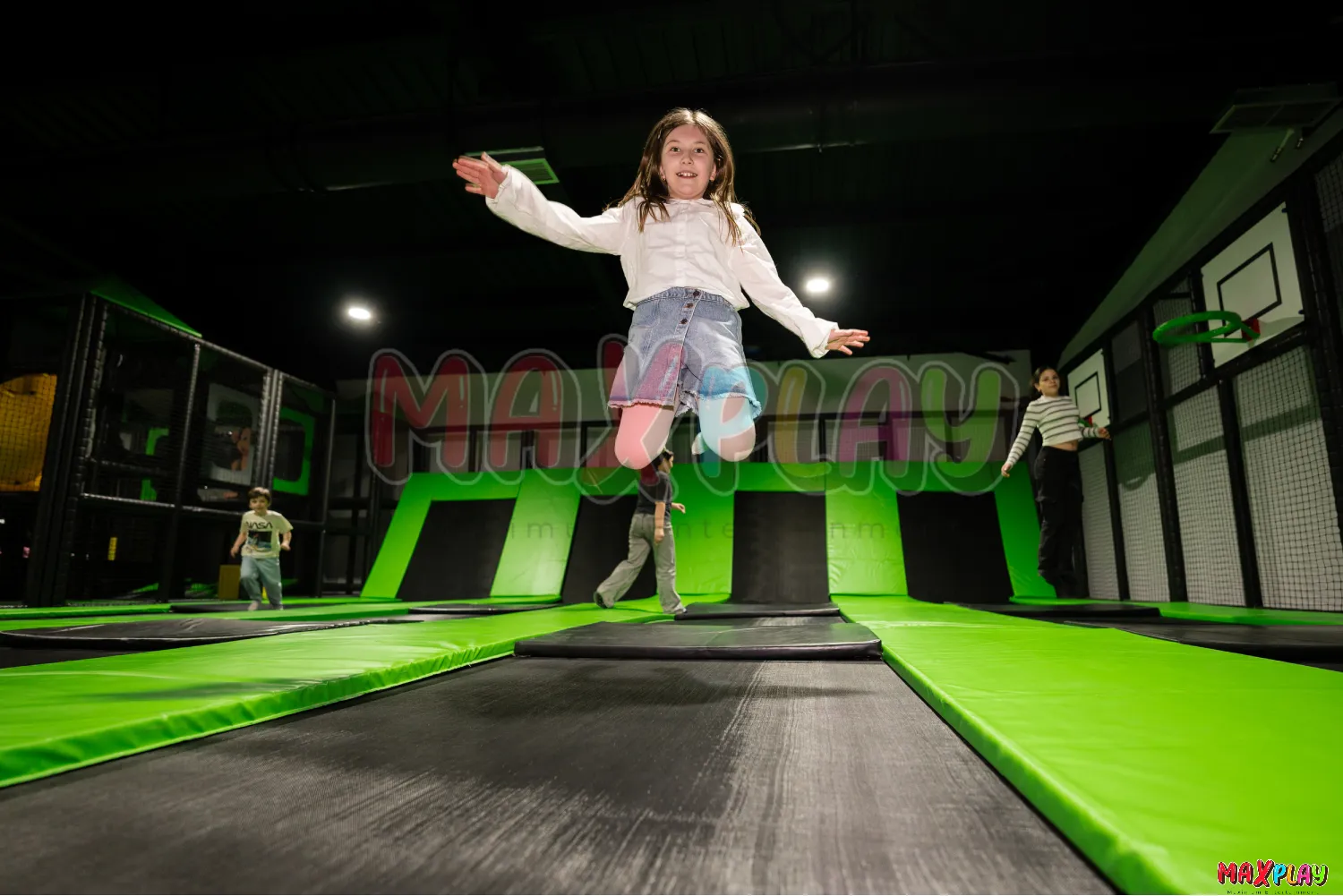
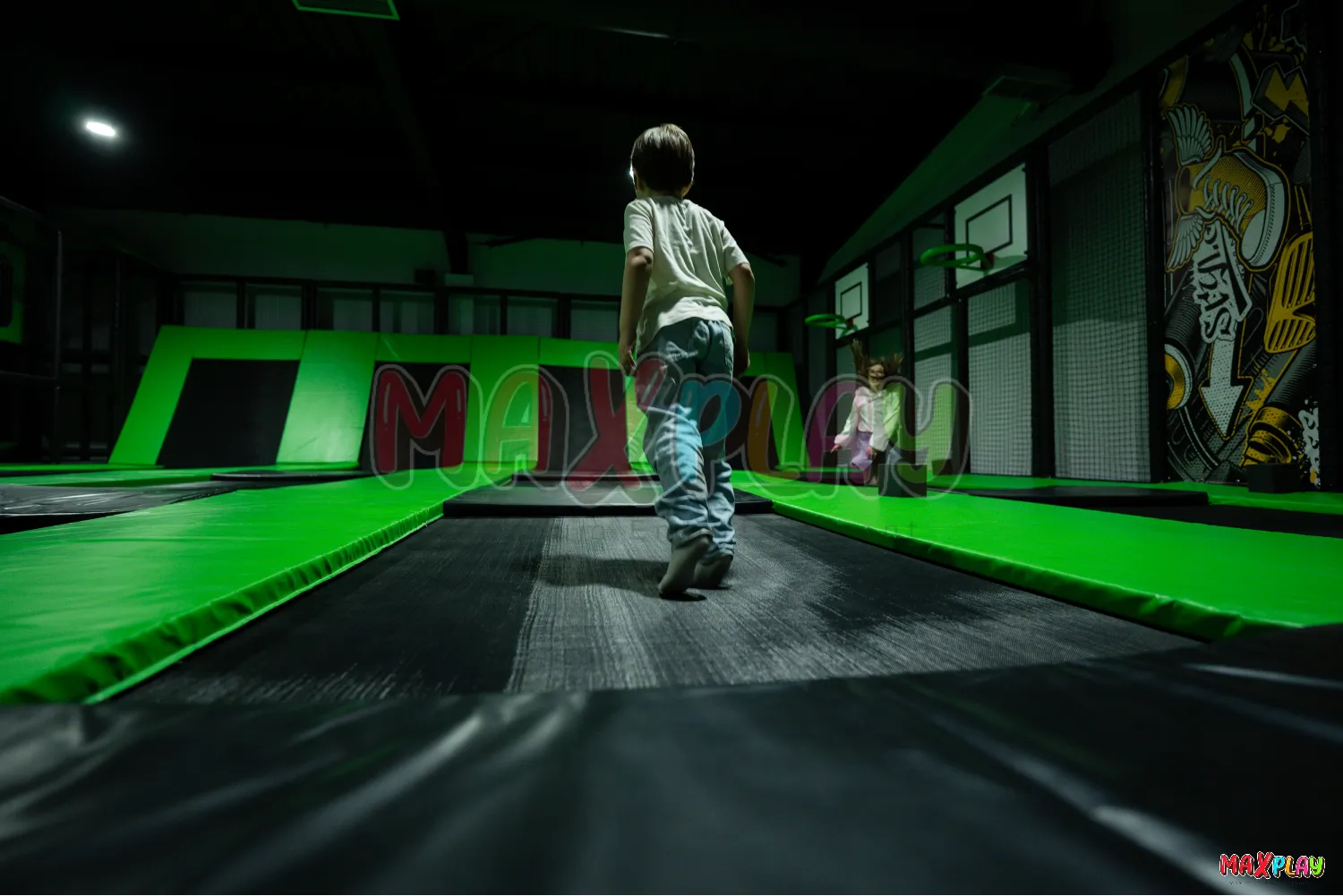
| Trampoline Park | Large-scale trampoline structures. | Suitable for older kids, high durability, safe design. |
| Roller Slide | Conveyor-style (roller) slides for continuous fun. | Efficient design, fun motion play, safe structure. |
| Tower Slide | Tower slides designed for adventure play. | Exciting design, strong safety standards, eye-catching feature. |
| Climbing Wall | Indoor climbing walls. | Builds strength and coordination, safe grips, customizable difficulty levels. |
| Volcano Slide | Volcano-shaped slides with climbing and sliding features. | Combines climbing and sliding, unique design, fun for multiple age groups. |
Which Turkish Playground Systems Are Best for Limited Spaces?
Venues operating within constrained footprints—such as urban boutique cafes, daycares, hotel kids’ clubs, and compact retail entertainment corners—require high play value per square meter. In these settings, compact vertical modular play towers and customized toddler play set indoor units deliver optimal engagement without overcrowding circulation paths. Turkish engineering teams design vertical, multi-deck systems that maximize ceiling height, utilizing integrated spiral crawl chutes, elevated observation domes, and compact ball zones within footprints as small as 25 to 80 square meters.
In real-world spatial planning, wall-mounted sensory activities, modular soft play foam agility sets, and suspended obstacle bridges offer extensive physical engagement while preserving essential floor space. Turkish factories manufacture bespoke, low-profile indoor soft playground equipment tailored to tight column layouts, odd room geometries, and low ceiling clearances. These installations allow smaller venues to offer safe, multi-activity environments without requiring expansive horizontal square footage or major structural building modifications.
For compact family entertainment hubs, compact combo units that merge small-scale trampoline jump beds with integrated foam pits and micro-climbing walls have proven exceptionally effective. Sourcing specialized compact systems from an experienced indoor playground supplier ensures that every corner, landing deck, and access ramp complies with strict clearance and safety zone requirements, preventing spatial bottlenecks and maximizing venue revenue per square meter.
How Do Turkish Playground Manufacturers Ensure Long-Term Durability?
Industrial structural durability begins at the raw material stage, where leading Turkish playground factories utilize heavy-gauge, hot-dipped galvanized steel framing (minimum 2.0 mm wall thickness) treated with electro-galvanized or electrostatically applied powder coatings. This metal preparation prevents frame corrosion, structural fatigue, and joint degradation even under continuous, heavy daily foot traffic. Precision CNC tube cutting and automated bending guarantee exact tolerances across all interlocking joints, eliminating the mechanical play that often causes premature structural wear.
The soft components rely on industrial-grade 0.55 mm (650 g/m²) high-density, anti-microbial PVC tarpaulins paired with high-resilience, flame-retardant sponge (minimum 30–35 kg/m³ density). In actual field use, lower-density foams flatten within months, leading to painful bottoming-out and torn seams; Turkish manufacturers prevent this by applying reinforced multi-stitch nylon threading, heavy-duty marine-grade zippers, and dual-layer protective vinyl wraps over high-impact contact zones. This engineering approach ensures that steps, ramps, and protective deck pads retain their cushioning and structural shape over millions of play cycles.
Quality control protocols conclude with rigorous pre-dispatch trial assemblies and mechanical load validation inside the factory. Welds, fasteners, slide seam transitions, and safety netting tensions are systematically inspected to verify structural integrity and full compliance with EN 1176 and EN 1177 safety directives. Sourcing certified commercial soft play equipment directly from an experienced industrial builder guarantees that the installation withstands aggressive commercial use, reduces ongoing maintenance overhead, and delivers sustained long-term asset value.
How Much Production Capacity Is Needed for Different Playground Projects?
Production demands vary significantly based on project scale, architectural footprint, and target demographic. Small-scale playground projects, such as specialized toddler zones in nursery schools, residential clubhouses, or cafes (typically under 150 m²), require compact structural engineering. These zones prioritize modular components, soft-edged enclosures, and intuitive low-impact activities. For these setups, sourcing specialized toddler play set indoor units with quick-ship modular frames keeps lead times short and installation straightforward.
Conversely, large commercial playgrounds located within shopping malls or dedicated entertainment buildings (500 to 2,500+ m²) demand high-volume manufacturing and rigorous industrial capacity. These installations integrate multi-level multi-tier labyrinths, high-drop slides, aerial obstacle tracks, and integrated climbing networks. Managing these high-throughput venues requires a partner capable of custom production and seamless project scalability. A factory with sufficient manufacturing resources can process several metric tons of structural steel and hundreds of square meters of soft padding simultaneously without bottlenecking delivery schedules.
In practice, a balanced manufacturing facility must handle both modular sub-assemblies for standard zones and dedicated fabrication lines for large-scale custom architecture, ensuring that mid-size commercial family hubs (150 to 500 m²) maintain a consistent turnaround of 3 to 5 weeks from technical sign-off to loading.
Which Indoor Playground Systems Can Be Manufactured for Romanian Venues?
Romanian leisure operators are shifting away from generic play pens toward diversified, multi-zone entertainment centers that accommodate a wider demographic. Modern entertainment centers integrate multi-level soft play structures equipped with deep ball pits, crawl tubes, and web bridges. These central features connect seamlessly with interactive ball transport systems and pneumatic blasters that keep children engaged in active play.
To serve distinct age brackets safely, venues typically incorporate dedicated toddler play areas with low-profile soft shapes and sensory panels, alongside dynamic adventure zones containing high-capacity climbing systems, fiberglass wave slides, and drop chutes. Facilities are also adding high-tech interactive play equipment such as motion-reactive projection floors and LED target games, as well as educational role-play areas that replicate real-world townscapes.
Engineering soft playground equipment for heavy public usage requires certified, wear-resistant, and non-toxic materials. When outfitting large spaces with integrated trampoline park equipment, structural frames require reinforced heavy-gauge structural steel tubing and specialized high-tensile music-wire springs. Working with an experienced trampoline park manufacturer ensures jump beds and safety mats absorb cyclic kinetic loads safely over long operational lifecycles, whether installing an expansive ball pool or a multi-tier adventure labyrinth.

How Custom Design Affects Manufacturing Time and Project Planning
Every commercial venue presents distinct architectural parameters, such as irregular column grids, varying ceiling heights, mezzanine floors, and dedicated fire escape routes. A standard catalog layout rarely maximizes space efficiently. Investing in custom playground design enables operators to turn structural constraints into engaging attractions, utilizing multi-tier climbs around load-bearing concrete pillars or wrapping spiral slides around mezzanine levels.
Developing bespoke play structures begins with spatial scanning and structural drafting to produce an accurate 3D playground layout. During this phase, engineering teams integrate themed playgrounds—such as space expeditions, enchanted forests, or cyberpunk urban hubs—while factoring in tailored dimensions for optimal pedestrian clearance and emergency egress. Structural modifications directly influence the timeline: complex design approval loops, mold fabrications for unique slides, and structural load calculations can add 7 to 15 days to initial production planning. Clear dimensional surveys provided upfront prevent costly rework on the factory floor.
In real-world engineering, custom structural plans must balance creative aesthetic elements with standard modular hardware to maintain production efficiency. When custom dimensions are modeled with standardized structural joints, manufacturing speed remains rapid while preserving the uniqueness of the installation.
Why Turkish Playground Factories Are Worth Considering for Romanian Buyers
Romanian developers frequently evaluate procurement options between Western European manufacturers, Asian exporters, and Turkish industrial centers. Western European suppliers offer solid engineering but carry steep price points that lengthen ROI timelines. Sourcing from East Asia frequently introduces high international ocean freight costs, container port delays, extended transit times (40 to 60 days), and challenging cross-border warranty or component-replacement logistics.
Partnering with a Turkish playground manufacturer gives Romanian buyers a balanced, highly competitive alternative. Sourcing playground equipment from Turkey bridges the gap between competitive manufacturing economics and European engineering quality. In the Turkey Romania sourcing corridor, geographical proximity allows factory-to-site road freight deliveries within 2 to 4 days. Turkish industrial centers utilize high-grade certified steel, certified European-standard vinyl, and automated CNC machinery to supply the European market supply chain, making international playground production from Turkey a preferred option for operators targeting rapid ROI and high build quality.
Furthermore, Turkish facilities offer direct access to engineering teams, straightforward customs alignment, and rapid spare-part fulfillment. This proximity eliminates the multi-week supply chain blackouts often experienced when importing hardware from East Asian factories.
What Factors Determine Indoor Playground Production Lead Times?
Understanding the variables of manufacturing lead time is critical to coordinating real estate lease agreements, fit-out works, marketing campaigns, and opening dates. The total production schedule is governed primarily by overall order volume, spatial footprint, and the proportion of custom-molded elements versus modular inventory.
Beyond dimensional scale, customization requirements—such as custom Pantone-matched PVC coatings, specialized automated sensory games, or intricate fiberglass thematic covers—dictate material preparation speed. Stable material availability at the facility shields buyers from raw material supply chain disruptions. Furthermore, quick design approval from the client and transparent management of existing factory workload ensure manufacturing schedules stay on track without unannounced line delays.
In factory practice, a project moves through distinct structural gates: 3D engineering sign-off (4 to 7 days), raw material staging (3 to 5 days), CNC metal fabrication and welding (7 to 14 days), soft foam padding and upholstery wrapping (7 to 14 days), and final factory test assembly (3 to 5 days). Knowing these technical phases allows operators to align venue renovation work with equipment fabrication schedules.
From Factory Quality Control to Final Product Testing
A rigorous quality control process must run through every stage of fabrication rather than serving as a quick sign-off before dispatch. Industrial manufacturing starts with inbound material quality validation: checking tensile strength, verifying anti-tear warp and weft counts on PVC fabrics, and confirming that high-density foams meet fire-retardancy standards.
During active manufacturing, factory inspection protocols focus on structural weld penetration, the removal of sharp burrs or weld spatter, and the application of anti-corrosion electro-galvanization or powder coatings. Before packing, reputable builders execute full pre-shipment product testing, including mock structural assemblies of multi-level frame towers to confirm that load-bearing interfaces, slide joints, and bolt holes align cleanly.
This trial phase assesses overall structural durability, executes dynamic safety testing, and ensures all commercial-grade equipment is fully validated before leaving the factory floor. Pre-assembling critical connection nodes in the factory prevents costly structural alignment delays during final venue assembly.
Understanding Delivery Options from Turkey to Romania
Logistical efficiency provides a clear operational advantage when sourcing from Turkey into Romania. Unlike long-haul maritime routes that carry demurrage risks, customs bottlenecks, and port handling transfers, Turkey Romania shipping operates primarily via direct roll-on/roll-off (Ro-Ro) or direct overland road transportation through Bulgaria directly into Romanian destinations like Bucharest, Cluj-Napoca, Timișoara, or Iași.
Efficient playground equipment logistics requires smart container and truck space optimization. Soft play cubes, tubular netting, and steel frame bundles must be mapped during packing to avoid in-transit friction damage. Streamlined delivery planning includes high-density wrapping, impact-resistant edge protectors, and comprehensive secure packaging to keep components pristine.
Working under direct European transit corridors ensures clean customs documentation (such as ATR or EUR.1 certificates), reducing border clearance times to a routine operational step. As a result, complete shipments reach Romanian sites within 48 to 96 hours of dispatch, keeping site timelines intact.
How Installation Requirements Can Affect the Project Timeline
The delivery of playground components to a venue marks the transition to the critical site execution phase. Successful playground installation relies heavily on thorough prior site preparation. Facilities must guarantee level subfloors, secure HVAC duct clearances, verify ceiling load-bearing points, and ensure accessible primary electrical drops before the assembly team arrives.
Relying on inexperienced local handymen to assemble an indoor play equipment system can lead to compromised frame geometry, safety hazards, and voided warranties. Contracting an experienced, professional installation team ensures that steel frames are anchored plumb, cross-braced, padded, and wrapped with uniform tension.
Proper installation planning prevents delays, ensuring efficient on-site assembly, streamlined commissioning, and timely project completion that passes independent safety inspections smoothly. Field technicians systematically anchor primary frames, fasten protective perimeter netting, mount fiberglass deck hardware, apply protective PVC foam wraps, and perform final clearance verifications.
Safety Standards and Certifications to Check Before Ordering
Child safety in commercial entertainment spaces is non-negotiable. Commercial operators must ensure their equipment complies with European standards, primarily EN 1176 (governing commercial playground equipment design, structural integrity, and entrapment prevention) and EN 1177 (defining critical fall heights and requirements for impact-absorbing flooring).
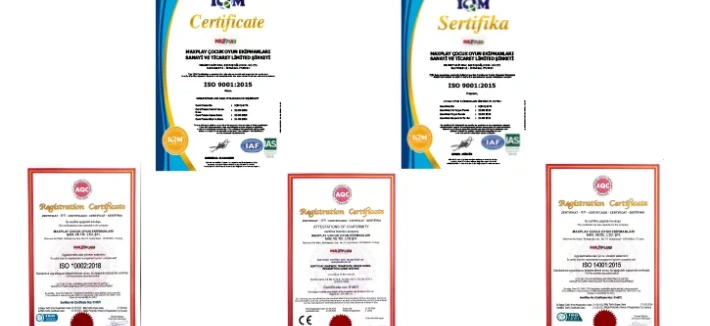
Manufacturers must provide verifiable third-party certification showing compliance with ASTM standards and relevant ISO certification protocols. Core playground safety requires that every crawl tube, safety net mesh size, and bridge guardrail prevents head, neck, torso, and finger entrapments. Sourcing certified child-safe materials guarantees that vinyl fabrics, safety paddings, and rotational plastics are free from toxic phthalates, heavy metals, and volatile organic compounds (VOCs), ensuring full safety compliance during official audits and venue licensing.
Operators should also request certified test reports for fire performance (such as EN 13501-1 or equivalent class ratings) on all soft play upholstery and EVA flooring mats. Verifying these documents prior to dispatch ensures hassle-free fire authority inspections in commercial shopping malls.
How to Balance Production Speed, Customization and Long-Term Durability
FEC operators often balance three competing project demands: fast lead times, bespoke thematic designs, and long-term durability under heavy daily foot traffic. Achieving reliable fast playground production without sacrificing structural strength requires partnering with industrial soft play manufacturers that maintain modular component platforms ready for custom manufacturing.
Cutting corners with low-grade soft play materials or thin steel quickly leads to torn seams, flattened foam, sagging netting, and structural wobble within months of operation. Sourcing durable playground equipment engineered for heavy-use structures protects long-term investment value. High-quality vinyl coverings, industrial-grade nylon webbing, and powder-coated steel significantly extend overall product lifespan and minimize routine maintenance requirements, keeping operating margins healthy and attractions open.
In commercial practice, choosing 0.55 mm double-coated PVC over light 0.35 mm alternatives increases initial tear resistance threefold. This structural choice prevents frequent foam replacements and reduces long-term operational downtime in high-traffic entertainment centers.

Why MaxPlay Can Be Considered for Indoor Playground Projects in Romania
For developers and leisure operators seeking an experienced indoor playground supplier, MaxPlay stands out as a premier Turkish indoor playground factory serving the European market. Operating as an established commercial playground manufacturer, the company provides full turn-key solutions that bridge industrial-grade engineering with custom spatial designs.
From single toddler play set indoor units to multi-hectare entertainment centers, the factory manufactures complete systems, including structural indoor soft playground equipment, specialized interactive playground equipment, modern trampoline park equipment, and comprehensive soft play equipment wholesale solutions. MaxPlay manages every phase of development—from initial concept design to final freight delivery, on-site assembly, and dedicated after-sales support.
By sourcing directly from MaxPlay, Romanian operators gain competitive pricing against Asian imports alongside faster lead times and European-standard engineering. Project design and 3D architectural layout planning are provided completely free of charge. Request your free 3D design project today and contact our technical engineering team to launch your indoor playground installation.