





Interactive Indoor Playground Equipment in Sweden: Key Benefits for Facilities
The strongest use of interactive indoor playground equipment in Sweden is to solve a specific problem in the way families use a venue. At a leisure centre, a short activity can engage siblings while they wait for a lesson to finish. In a shopping centre, a play station with a clear start and finish can give families a reason to pause without drawing a queue across a shop entrance. In a hotel, a quiet activity that children can understand on their own can make the time between check-in and dinner easier for families. The distinction matters when specifying commercial interactive play equipment for Swedish facilities because each venue has a different visit length, staffing model and tolerance for noise.
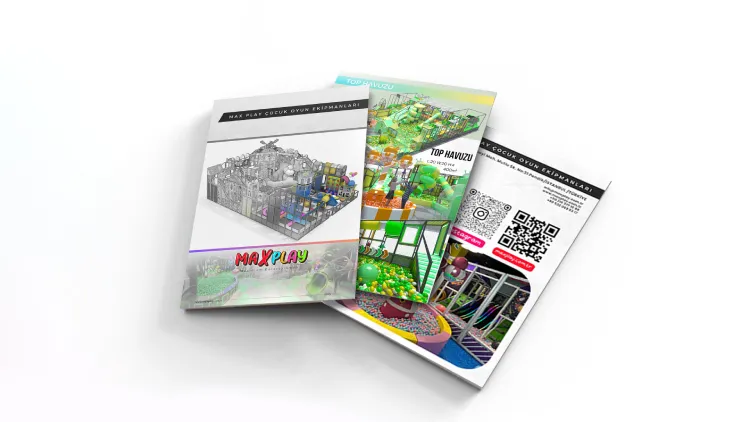
As MaxPlay Playground Equipment, we provide professional solutions for indoor playgrounds and soft play areas. We design, manufacture, install, and assemble indoor playground equipment and soft play systems for commercial spaces. Contact us for turnkey indoor playground projects.
| Landline: | 0216 377 10 88 |
| Mobile / WhatsApp: | 0532 069 53 17 |
| E-Mail: | info@maxplay.com.tr |
| Address: | Google Maps |
You can contact us for all your projects across Türkiye and international markets.
Our Services:
- Trampoline Manufacturing – Trampoline Park Installation
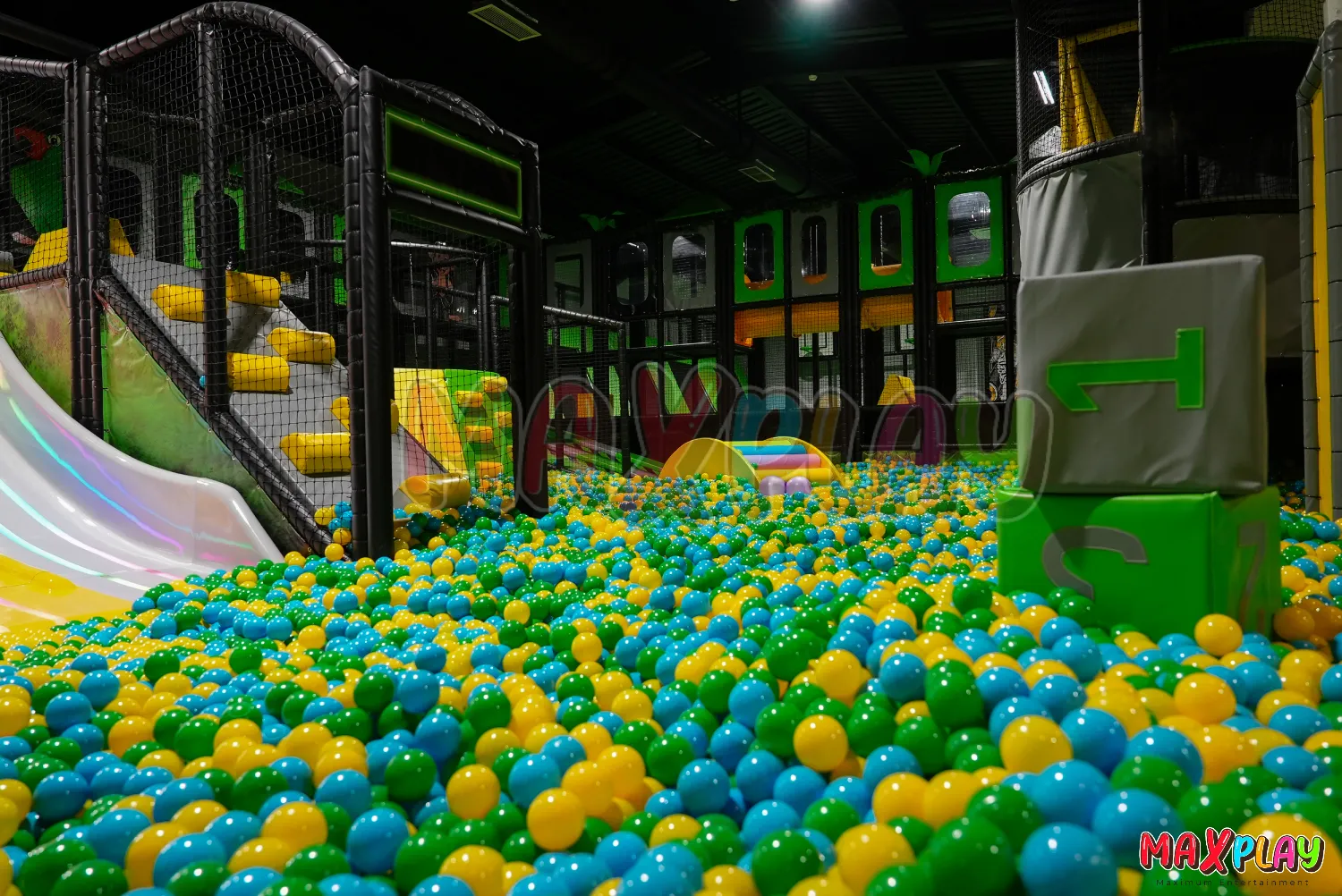
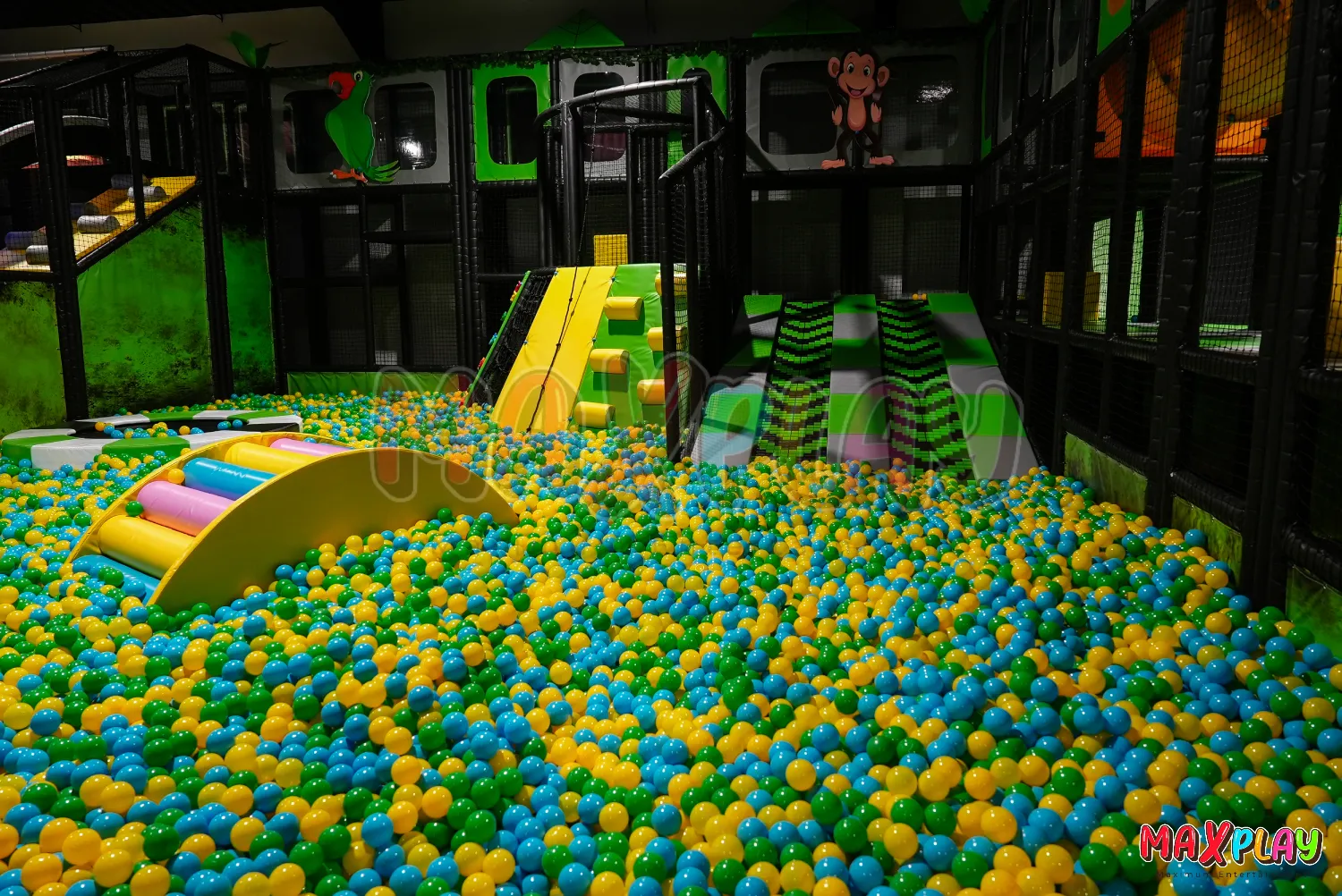
- Ball Pit Manufacturing – Ball Pit Playground Installations (with slides, etc.)
- Interactive Play Systems (Moving Soft Play Toys & Equipment)
- Sand Pit – Sand Play Areas
- Playgrounds and Role-Play Houses for Kindergartens & Nurseries
- Indoor playgrounds for businesses such as shopping malls, cafés, restaurants, etc.
- And all customized playground projects tailored to your specific needs.
A common planning mistake is to select the attraction before observing where families already stop. A hotel may have a generous lobby on paper, yet the only practical parent seating may face away from the proposed play corner. A shopping centre may have a vacant alcove, yet the space outside it may already fill with pushchairs. Observe both a quiet period and a busy one before choosing a location. The places where adults can pause and supervise naturally are often better candidates than the largest vacant area.
For a small property, an indoor play set with one interactive feature and room for open-ended play can serve more families than a large attraction with a fixed session length. At a higher-volume leisure venue, combining interactive features with commercial soft play equipment gives visitors several routes through the space, including something to do when the featured station is occupied.
How Do Cooperative Games Give Siblings and Mixed-Age Groups More Ways to Play Together?
Well-designed cooperative play equipment for children gives each participant an action they can perform at their level. In a shared target game, for example, one child can activate an easy-to-reach target while an older sibling follows a faster sequence. Both actions contribute to the same result. A play station that simply lets two children compete can work well for confident players of similar ages. In a family venue with a broad age range, a shared task often gives younger children a clearer role and helps siblings stay together.
During a demonstration, watch who performs the first action and who is still participating 30 seconds later. A familiar pattern is an older child starting the game, standing in the centre and handling every prompt while the younger sibling watches. For multi-player indoor play stations, confirm that two or more children can act simultaneously from separate positions. Check whether targets at different heights have a meaningful part in the game. If the system can handle several inputs but the cabinet only gives one child useful standing room, the installation still behaves like a single-player station.
Searches for toddler play set indoor products often lead to compact packages that suit a hotel or family café. When younger children share the room with older siblings, low-level soft playground equipment can give toddlers a predictable base for play. Position the shared activity so children can approach it without crossing the faster route through the older children’s area.
Which Interactive Features Can Make Better Use of Underused Floor Space?
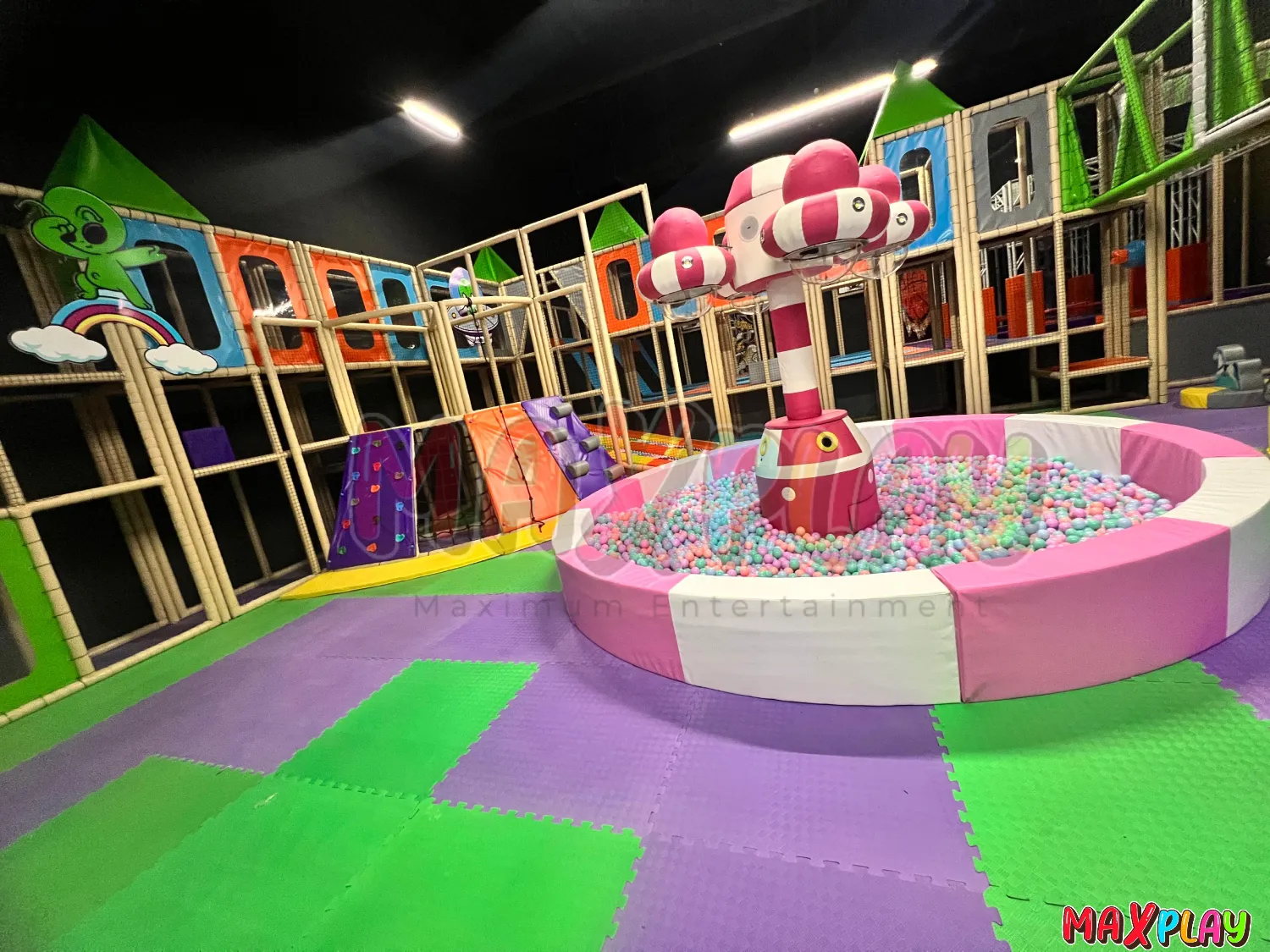
An underused wall, a wide recess or the edge of a seating area can accommodate interactive soft play upgrades without displacing a popular attraction. A shallow activity panel can activate a quiet corner where the floor area would never support a full play structure. A musical unit can give an existing playroom a focal point. A compact ball feature may suit a deeper bay where children have room to retrieve balls and rejoin the activity. In each case, useful capacity depends on the space around the equipment as much as its footprint.
On a floor plan, an unused strip beside an existing frame can look ideal for new indoor play equipment. On the floor, that strip may be where children emerge from a slide, where parents stand to supervise, or where staff move cleaning equipment. Draw the full activity area with children approaching, playing and leaving. Then mark likely waiting positions and service access. For a retrofit beside indoor soft playground equipment, establish how the new station will be supported and who will verify any interface with the existing structure before the layout is approved.
Wall-based activities suit sites where a clear approach and adequate waiting room can be maintained. A freestanding unit has more flexibility when the layout is likely to change, provided its base and operating area fit the room. A contained ball pool can improve the use of a larger pocket of floor space if staff can reach the perimeter for cleaning and children can get in and out without converging at a single busy point.
How Can Short Play Sessions and Multi-Player Stations Keep Weekend Queues Moving?
Weekend queues depend on the entire cycle between one group arriving and the next group beginning. A 60-second game with 30 seconds of instruction, reset and changeover has a theoretical capacity of 40 rounds per hour. If two children can play in every round, that is up to 80 player turns per hour. In real operation, some rounds start with one child, and some groups need extra time to enter or leave. For capacity planning, account for that gap between the theoretical maximum and what the venue can sustain.
First-time players tend to hesitate at the point where the queue meets the attraction. They may have watched the previous round and still need help finding the start button or understanding where to stand. Clear pictograms, a brief visual prompt and a visible end-of-round cue help keep the handover predictable. The waiting position should allow the next group to see how play starts. At the same time, children finishing a round need a clear route out that avoids the queue.
Short rounds suit high-volume walk-up attractions and shopping centre play attractions in Sweden where families may have only a few minutes to spare. Longer rounds can work at booked parties or staffed stations where the group and time allocation are known. Compare one shared station with two independent stations by observing the first minute of play. Two units may offer better availability during a fault. A shared station may use the available space more effectively if children can join without waiting for the next round.
How Can Adjustable Sound and Lighting Make Play Areas More Welcoming to Children with Different Sensory Preferences?
Effective sensory-friendly indoor play design starts with a child being able to see what will happen before deciding to participate. A musical unit near the entrance, for example, should be easy to observe from a comfortable distance. A visible response to a touch or step can make an activity understandable at lower volume. Where the equipment supports adjustable settings, venues can use a quieter profile during designated sessions and keep the same basic play sequence familiar to returning visitors.
On site, the difficulty often comes from several individually acceptable effects happening together. Music carries into the reception area, a second game plays an end-of-round sound, and a bright display reflects off a glossy finish. Assess the equipment in the proposed position with the surrounding attractions running. Ask which settings staff can change, whether changes are stored after a power interruption, and who can access the controls. Test any lowered-volume setting with someone who has never used the game. If they cannot tell whether their action registered, the visual or physical feedback needs to do more of the work.
For hotel playroom equipment, a quiet default can suit rooms next to dining or guest areas, especially when front-desk staff are also responsible for the playroom. In a large family entertainment centre, more energetic effects may suit an active zone with an easy route to calmer play nearby. Children and caregivers should be able to judge the likely intensity from the entrance and know what to expect if they return for a quieter session.
When Should Interactive Attractions Be Included in Admission or Offered as Paid Add-Ons?
Admission-inclusive play works well when an attraction is part of the main route, supports group play or helps distribute visitors away from crowded areas. A musical floor unit in a hotel playroom, for example, earns its space through use and guest experience. An optional charge makes more sense for a distinctive, time-limited experience with a clear start, defined capacity and an obvious reason to pay. The price and operating instructions need to be visible before a family joins the queue.
Leo’s Lekland provides a Swedish example of paid indoor play attractions. Its ValoJump combines a trampoline with an interactive game. Leo’s says players use tokens purchased at the counter for an additional fee, and the chain identifies Kungens Kurva as one location offering the attraction. The setup illustrates how a venue can charge separately for a defined game within a larger play visit. Its usefulness as a model depends on whether another facility can support the payment, queue and supervision requirements.
In day-to-day operation, the extra transaction can be the main source of friction. If a parent discovers the price after their child has waited several minutes, a short game can create a long conversation at reception. When evaluating trampoline park equipment, ask each trampoline park manufacturer to explain the handover between payment, game activation and the next turn. A staffed site with predictable weekend demand may be a good fit for tokens or booked sessions. A small venue with one person covering admissions and the floor may get more value from an activity that starts directly and is included in entry.
Which Musical Play Units, Interactive Ball Features and Climbing Modules Can Swedish Facilities Source from Turkey?
MaxPlay’s catalogue lists the Piano (31104), shown as 240 × 106 × 12 cm, and Galactic Ball Falls (31114). The Piano is a catalogue option for buyers evaluating musical play equipment for children, particularly where the activity needs to be understood quickly. Galactic Ball Falls gives operators a named option to specify when comparing interactive ball play equipment. Ordering by product code helps keep drawings, quotations and spare-parts requests tied to the same reference. The listed Piano dimensions describe the product. The layout also needs to account for approach, waiting and service space.
For indoor climbing modules, the buying decision starts with how children will get onto, through and off the activity. A low-level climbing route can give children several short attempts, while a module within a play frame may suit a longer sequence with a defined direction of travel. During layout review, look closely at the exit. A challenge can fit neatly into an existing frame and still create a bottleneck if children have to backtrack toward the next group. Ask the supplier to show the proposed access, exit and applicable surfacing on the drawing for the specific configuration.
Standard units make sense when the catalogue footprint, finishes and service connections fit the venue. Custom interactive play equipment from Turkey is worth considering when the existing play frame, ceiling or established colour scheme makes a catalogue layout difficult to install. When comparing interactive playground equipment, give each supplier the same site dimensions, age range and intended capacity so the quotations reflect the same job.
MaxPlay Playground Equipment Overview
| Equipment Name | Description | Key Benefits |
| Ball Pool | Colorful pit filled with balls for safe sensory play. | Safe fun for toddlers, easy to clean, encourages motor skills. |
| Trampoline | High-quality indoor trampolines. | Builds balance and strength, child-safe design, durable materials. |
| Interactive Game Sets | Digital and physical interactive play stations. | Boosts learning, cognitive skills, and engagement. |
| Profession Houses | Role-play houses designed for kids. | Encourages creativity, social interaction, and imagination. |
| Trampoline Park | Large-scale trampoline structures. | Suitable for older kids, high durability, safe design. |
| Roller Slide | Conveyor-style (roller) slides for continuous fun. | Efficient design, fun motion play, safe structure. |
| Tower Slide | Tower slides designed for adventure play. | Exciting design, strong safety standards, eye-catching feature. |
| Climbing Wall | Indoor climbing walls. | Builds strength and coordination, safe grips, customizable difficulty levels. |
| Volcano Slide | Volcano-shaped slides with climbing and sliding features. | Combines climbing and sliding, unique design, fun for multiple age groups. |
Why Is Turkey a Practical Sourcing Option for Swedish Facilities Adding Interactive Features to an Existing Play Area?
Working with a Turkish interactive playground manufacturer gives Swedish buyers a way to source a stand-alone unit or coordinate several elements of a retrofit under one order. That matters when an attraction also needs new padding, a revised approach or replacement trim to match the original structure. MaxPlay publishes an average production window of four to eight weeks, with delivery and installation dependent on project size and location. For fast indoor play equipment delivery from Turkey to Sweden, a project can be quoted with a road freight schedule and a separate expedited parcel option for eligible small components or spare parts.
Compare soft play manufacturers and other indoor playground equipment manufacturers on the installed cost, including freight, unloading, installation and the cost of closing part of the venue. Turkish manufacturing can compete on price with suppliers in China and other countries. A Turkish offer can also deliver sooner and offer higher-specification finishes when the quoted route is shorter and the material samples, build specifications and dated delivery commitments support the comparison. A recurring mistake on an interactive playground retrofit is accepting a production lead time as the reopening date. Drawing sign-off, transit, site access and commissioning each need their own milestone.
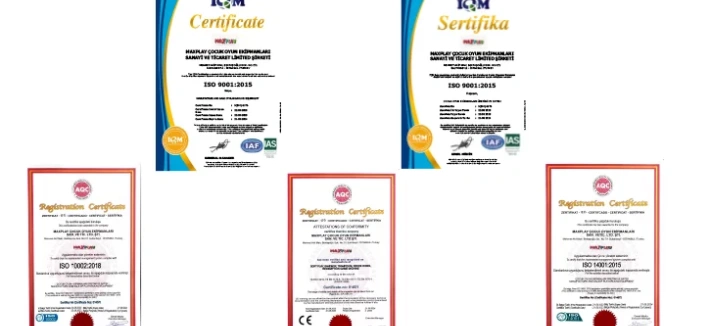
For first-class build quality, specify the details staff will inspect every day, including seams, high-wear surfaces and replaceable covers. MaxPlay describes certified production and equipment testing against applicable standards. For the actual order, ask for model-specific documentation, material declarations for child-contact surfaces and cleaning guidance. Buyers comparing soft play equipment wholesale offers across several sites should check whether repeat units will use the approved finish and component specifications.
What Should You Check About Controls, Power and Service Access Before Ordering?
Ask the indoor playground supplier for an installation drawing and a technical sheet for the exact equipment configuration. Verify the electrical load and connection location, how staff can isolate power, and which functions require a network connection. Request a demonstration of startup, everyday operation and recovery after a power interruption. At a site with rotating reception staff, restarting a game or changing its volume should be easy to explain during a shift handover. Confirm who is authorised to access each function.
On site, the access panel is easy to overlook because it is usually drawn as a line on the back or side of a unit. If the equipment sits flush against a wall, the technician may have no room to open the panel or remove a component. Mark the required service area on the floor plan and check it against fixed seating, neighbouring modules and cleaning routes. Establish which parts a technician can reach while the rest of the play area stays open and what needs to be fenced off during a repair.
At handover, verify the installed configuration against the approved drawings. The Swedish Consumer Agency provides specific guidance for indoor play centre operators. The Swedish Institute for Standards lists SS-EN 1176-1 for general playground equipment requirements and SS-EN 1176-10 for fully enclosed play equipment. Ask the supplier and the person responsible for inspection to confirm which standards and documents apply to the actual unit and its installed location. Keep those records with the power, operating and maintenance instructions.
How Can Staff Reduce Downtime Through Routine Checks and On-Site Spare Parts?
A practical commercial play equipment maintenance routine starts with an opening check that staff can repeat consistently. For an interactive feature, that can include one complete play cycle, a check that inputs respond as expected and a look at exposed seams, covers and surrounding surfaces. Use the supplier’s instructions for cleaning products and methods. Staff should know how to take a station out of service when a fault affects safe operation, how to record what they saw and when to hand the issue to a qualified technician. Swedish Consumer Agency guidance gives play centre operators a starting point for organising their safety work.
Intermittent faults are particularly easy to miss during a morning check. A target may work when tested once and stop responding after several consecutive rounds. Record the unit reference, time, game mode and conditions under which the fault appeared. A brief log makes it easier to recognise whether one unit has a recurring fault or whether an interruption came from something shared, such as the power supply. It also gives the supplier enough information to start diagnosing the issue before dispatching a part.
Build the spare-parts list around items that a supplier identifies as likely to wear and whose absence would close the unit. For each part, record the version, who can replace it, where it is stored and how quickly it can be replenished. During family entertainment centre upgrades, check whether several stations can share approved spare parts and whether one technician can service them. That can shorten repair time and reduce the inventory required across a group of venues.
Which Metrics Show Whether an Interactive Upgrade Is Worth the Investment?
Track indoor playground attraction utilisation with completed plays per hour and measure downtime over the same opening periods. Define a play before collecting data. One completed group round and one individual player turn answer different questions. If a two-player round counts as one play, record player turns separately when you want to understand visitor capacity. Sample comparable weekday and weekend periods, taking school holidays, party bookings and changes in opening hours into account. This makes it easier to see whether demand is steady or driven by a few busy sessions.
A frequent reporting error is to measure output only while the unit is running. Consider a paid station that completes 120 rounds over five scheduled hours and is unavailable for one hour. It delivers 30 plays per available hour and 24 plays per scheduled hour, with 20% downtime. At SEK 30 per completed paid session, it generates SEK 3,600 in gross sales and SEK 30 in gross revenue per session. If some rounds are discounted or refunded, calculate realised revenue per session using actual receipts. Keep the downtime figure visible when comparing results with the purchase forecast.
Assess interactive playground return on investment against installed cost and ongoing outgoings, including servicing, payment fees and any added staff time. For an admission-inclusive attraction, direct revenue per session may be unavailable. Measure the outcome that justified the purchase, such as shorter queues at an existing attraction, better use of a quiet area or stronger uptake of party packages. Compare it with a baseline, and review several representative periods before deciding whether to expand, relocate or revise the installation.
How Can MaxPlay Match Interactive Equipment to Your Swedish Facility’s Floor Plan, Visitor Profile and Operating Budget?
MaxPlay can use a dimensioned floor plan, photographs of the existing equipment and an outline of who visits to develop a layout for the site. A hotel with irregular demand may benefit from a low-maintenance unit near caregiver seating. A shopping centre may need fast turnover and clear boundaries around the attraction. A family entertainment venue planning a paid feature needs room for the queue and an operating plan for payments and supervision. MaxPlay offers customised layouts and 3D design, along with after-sales support and spare parts.
The layout review is where small purchasing decisions can prevent expensive adjustments later. Compare each option during ordinary operation, at weekend peak and while the equipment is being cleaned or serviced. Include delivery, installation and initial spare parts in the operating budget. For a venue that needs to stay open throughout the work, identify how equipment will reach the installation area and which access routes will be affected. An approval drawing should show workable visitor circulation alongside the equipment layout.
MaxPlay provides project planning and custom 3D design free of charge. Request your project today and share your floor plan, target age groups, budget and opening date. MaxPlay can use that brief to propose a layout, specify the equipment and quote delivery to Sweden around your installation schedule.