





Soft Play Centre Setup in Denmark: Maximizing Safety and Engagement
Urban family life across Nordic cities demands all-weather recreational solutions that merge physical motor development with uncompromising environmental safety. Establishing sustainable soft play centre setup in Denmark requires commercial investors to examine how Scandinavian family routines interact with commercial recreation. Danish parents consciously patronize indoor destinations that mirror their domestic priorities: exceptional acoustic dampening, non-toxic organic textiles, clear sightlines, and active play opportunities that encourage independent spatial discovery. Designing an indoor leisure venue in high-demand markets like Copenhagen, Aarhus, or Odense therefore involves far more than assembling modular toys; it requires executing a purpose-built architectural space engineered for community trust, hygienic durability, and sustained operational longevity.
As MaxPlay Playground Equipment, we provide professional solutions for indoor playgrounds and soft play areas. We design, manufacture, install, and assemble indoor playground equipment and soft play systems for commercial spaces. Contact us for turnkey indoor playground projects.
| Landline: | 0216 377 10 88 |
| Mobile / WhatsApp: | 0532 069 53 17 |
| E-Mail: | info@maxplay.com.tr |
| Address: | Google Maps |
You can contact us for all your projects across Türkiye and international markets.
Our Services:
- Trampoline Manufacturing – Trampoline Park Installation
- Ball Pit Manufacturing – Ball Pit Playground Installations (with slides, etc.)
- Interactive Play Systems (Moving Soft Play Toys & Equipment)
- Sand Pit – Sand Play Areas
- Playgrounds and Role-Play Houses for Kindergartens & Nurseries
- Indoor playgrounds for businesses such as shopping malls, cafés, restaurants, etc.
- And all customized playground projects tailored to your specific needs.
The commercial footprint of modern indoor family entertainment trends has decisively moved away from passive digital arcades toward kinesthetically demanding, tactile physical environments. Today’s commercial children’s activity centres fulfill a crucial community role by providing climate-resilient exercise hubs throughout long, damp Nordic winters. Operating these spaces requires satisfying two distinct audiences simultaneously: children seeking dynamic physical challenges and guardians requiring clean, ergonomic lounge spaces with quiet acoustics, functional co-working amenities, and specialty food-and-beverage offerings. Commercial facilities that successfully harmonize these twin operational priorities secure strong local loyalty and drive stable weekday footfall through structured preschool partnerships, mother-and-toddler sessions, and afternoon play groups.
Transitioning vacant retail real estate or light industrial units into high-performing modern play spaces presents a lucrative business case across Scandinavia. When properly planned, these venues function as premier family-friendly businesses Denmark, generating predictable year-round cash flows that remain fully insulated from outdoor weather volatility. In practice, the single most critical oversight during early feasibility assessments is prioritizing sheer equipment density over fundamental human comfort factors such as mechanical air change rates, natural daylighting, and acoustic management. Operators who balance engaging play architecture with healthy, well-ventilated public spaces build resilient commercial enterprises that establish lasting brand equity within the Nordic leisure market.
Key Planning Steps Before Opening a Soft Play Centre in Denmark
Executing a structured soft play centre planning trajectory requires complete alignment with Danish national building regulations (Bygningsreglementet BR18). Prior to equipment procurement, operators must satisfy stringent municipal standards regarding fire compartmentalization, emergency escape routes, minimum mechanical ventilation turnovers, and barrier-free accessibility. Navigating an indoor playground business setup in Denmark demands selecting commercial premises with minimum ceiling clearances of 4.5 to 5.5 meters, which provides sufficient vertical volume for multi-tier play structures without triggering costly roof structural alterations or interfering with overhead fire suppression sprinklers.
A disciplined play centre development process transitions systematically from demographic catchment modeling to zone-specific acoustic planning and pedestrian routing. During commercial play area planning, architects and operators must establish intuitive traffic flow: wide reception check-in plazas, secure digital check-ins, stroller parking corridors, barrier-free sanitary facilities, and acoustic isolation for private party suites. Neglecting pedestrian management around high-traffic reception zones leads to operational gridlock during peak weekend shifts and can compromise designated fire escape routes, exposing the operator to costly municipal compliance delays and operational licensing issues.
Location remains the paramount operational factor during venue selection for kids centres. Repurposing secondary commercial properties, peripheral retail parks, or vacant suburban light-industrial buildings offers favorable cost-per-square-meter rates, yet hidden structural columns and uneven concrete slabs can compromise equipment sightlines. A robust playground investment strategy earmarks at least 20% of initial liquid capital for ground-level structural remediation, certified acoustic wall paneling, subfloor leveling, and industrial HVAC balanced installations, rather than exhausting the entire capital budget solely on visible play equipment.
Designing Safe and Engaging Play Areas for Different Age Groups
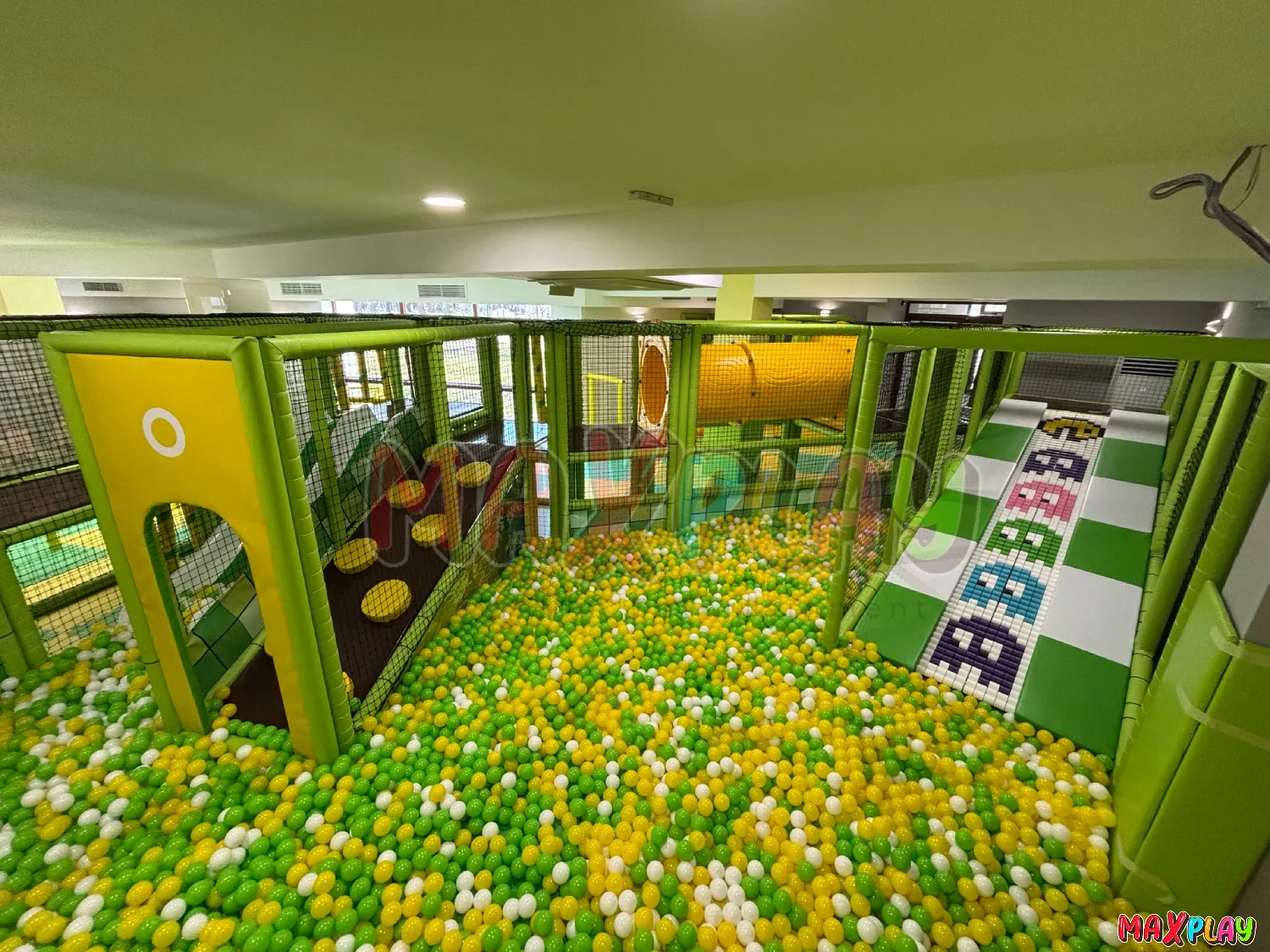
Segmenting floor space into dedicated age-appropriate play zones protects physical safety while optimizing sensory engagement across various childhood developmental phases. In real-world facilities, physical separation between infant exploration zones and high-velocity youth play systems prevents cross-cohort collisions and reduces parental anxiety. Placing early-years facilities directly beside perimeter guardian seating builds a calm, observable environment, while multi-level adventure labyrinths are best positioned deeper into the building footprint to circulate visitor density away from main entrance arteries.
A successful toddler soft play areas installation emphasizes low-height vestibular balance exercises, crawl tunnels, and tactile sensory wall panels. Incorporating a dedicated toddler play set indoor environment alongside a modular indoor play set ensures toddlers build foundational balance, depth perception, and motor coordination without interference from energetic older children. Conversely, youth aged 5 to 12 require complex interactive play environments equipped with elevated rope traverses, high-grade vertical climbing tubes, and interactive target games that incentivize repeat athletic output.
Designing resilient children’s activity spaces involves balancing intense kinetic motor tracks with quiet decompression corners for neurodivergent or overstimulated children. Achieving a safe indoor playground design requires calculating structural load tolerances, fall zones, and impact absorption materials to ensure equipment withstands continuous physical abuse without shifting or seam separation. Facilities that deliver thoughtful, engaging play experiences consistently outperform generic competitors by hosting morning sensory-motor classes for local kindergartens, thereby driving profitable utilization across otherwise quiet weekday operational windows.
Why Danish Businesses Benefit From Working With Turkish Soft Play Manufacturers
Supply chain efficiency has prompted Nordic family entertainment developers to look past distant, high-friction shipping corridors in favor of proximate European industrial centers. Partnering with a reputable Turkish soft play equipment manufacturer provides Danish operators with heavy-duty structural engineering, strict European safety compliance, and balanced capital expenditure. Turkey’s position within the European Customs Union eliminates onerous import tariffs and complicated paperwork, while direct road transit from manufacturing hubs in Istanbul, Bursa, or Kayseri reaches Danish installation sites in approximately 6 to 9 days—a stark contrast to lengthy maritime shipping routes from East Asia.
Working with an established indoor playground supplier Turkey delivers distinct commercial advantages over far-off overseas suppliers or expensive domestic Nordic agencies:
- Logistics Velocity and Reliability: Direct intermodal roll-on/roll-off (Ro-Ro) and overland trucking routes transport finished units to Denmark within ten days, eliminating costly demurrage fees, port transshipment damages, and supply chain delays.
- Material Integrity and Safety Certifications: Production lines utilize 650–900 g/m² heavy-duty, anti-bacterial PVC membranes, non-phthalate plasticizers, and Class B1 flame-retardant foam cores fully verified by recognized European certification bodies.
- Agile Engineering Collaboration: Minimal time-zone differences simplify live 3D CAD modeling, swift prototyping, and real-time revisions without multi-day communication lags.
Danish investors coordinating Denmark playground equipment sourcing benefit from direct factory oversight, ensuring authentic material traceability and strict production hygiene. Utilizing specialized European export playground solutions stabilizes operational schedules through predictable shipping terms and reliable freight insurance. Ultimately, commissioning bespoke custom soft play production from an agile indoor playground supplier allows Danish operators to customize structural configurations around existing venue columns, low beams, and angled ceiling heights to maximize usable commercial space.
MaxPlay Playground Equipment Overview
| Equipment Name | Description | Key Benefits |
| Ball Pool | Colorful pit filled with balls for safe sensory play. | Safe fun for toddlers, easy to clean, encourages motor skills. |
| Trampoline | High-quality indoor trampolines. | Builds balance and strength, child-safe design, durable materials. |
| Interactive Game Sets | Digital and physical interactive play stations. | Boosts learning, cognitive skills, and engagement. |
| Profession Houses | Role-play houses designed for kids. | Encourages creativity, social interaction, and imagination. |
| Trampoline Park | Large-scale trampoline structures. | Suitable for older kids, high durability, safe design. |
| Roller Slide | Conveyor-style (roller) slides for continuous fun. | Efficient design, fun motion play, safe structure. |
| Tower Slide | Tower slides designed for adventure play. | Exciting design, strong safety standards, eye-catching feature. |
| Climbing Wall | Indoor climbing walls. | Builds strength and coordination, safe grips, customizable difficulty levels. |
| Volcano Slide | Volcano-shaped slides with climbing and sliding features. | Combines climbing and sliding, unique design, fun for multiple age groups. |
Safety Standards and Quality Factors That Define Professional Soft Play Centres
Operating commercial entertainment infrastructure within the Nordic zone requires strict adherence to European safety standard EN 1176 (Parts 1–10) and building fire safety classifications EN 13501-1. Sourcing truly safe soft play equipment requires auditing structural load calculations, fall attenuation ratings, and dimensional tolerances that eliminate head, neck, finger, or clothing-toggle entrapment points. Field compliance inspections frequently fail venues due to improper interface gaps between slide entry hoods and structural platforms—defects that introduce severe operational liabilities for site operators.
Adhering to comprehensive playground safety standards demands uncompromised material selection throughout the manufacturing phase. Commercial facilities require certified play structures built on heavy-duty, hot-dip galvanized steel frames insulated with high-density, closed-cell polyethylene foam and sheathed in tear-resistant PVC. Prioritizing child-safe manufacturing means confirming that all synthetic materials, adhesives, and textile inks are certified free of toxic plasticizers, heavy metals, and volatile organic compounds (VOCs), maintaining clean air quality within enclosed, climate-controlled play spaces.
Consistent quality control in playground production is demonstrated by structural details: triple-stitched high-tensile nylon seams along high-friction pathways, concealed zip closures, and reinforced knotless perimeter netting engineered for heavy dynamic loads. Investing in high-grade commercial soft play equipment and heavy-duty indoor soft playground equipment prevents premature mechanical failure, including foam degradation and seam separation under concentrated foot traffic. Long-term commercial success relies on procuring durable soft playground equipment that retains its structural elasticity and aesthetic integrity through millions of customer use cycles.
Creating Memorable Experiences Through Custom Soft Play Themes and Designs
Scandinavian commercial design values visual coherence, balanced color palettes, and natural themes over visually overwhelming primary colors. Implementing a cohesive themed indoor playground design allows operators to establish a recognizable family lifestyle brand that appeals to modern Danish parents. Developing custom soft play concepts—such as Nordic maritime harbors, Scandinavian forest explorations, or clean-lined contemporary cities—builds distinctive local brand equity that shields the business from generic, price-cutting competition.
Creating standout creative children’s play areas requires stepping beyond two-dimensional surface vinyl printing into sculpted architectural foam, multi-tier climb chambers, and coordinated spatial lighting. Turning structural equipment into immersive play environments prompts imaginative social play, encouraging children to invent games and explore intuitive navigation paths. Facilities with well-executed, distinctive visual identities generate organic social media visibility and parental word-of-mouth, markedly lowering ongoing marketing and customer acquisition costs.
Executing sophisticated, unique entertainment spaces demands close coordination between architectural design teams and skilled factory fabricators. Developing personalised playground projects ensures that play elements, structural boundaries, reception furniture, and cafe counters share a consistent aesthetic and material palette. When a venue strikes the right balance between energetic physical play and refined interior architecture, family dwell times increase, leading directly to higher secondary spend across cafe, party, and merchandise offerings.
Choosing the Right Equipment Mix for Maximum Customer Engagement
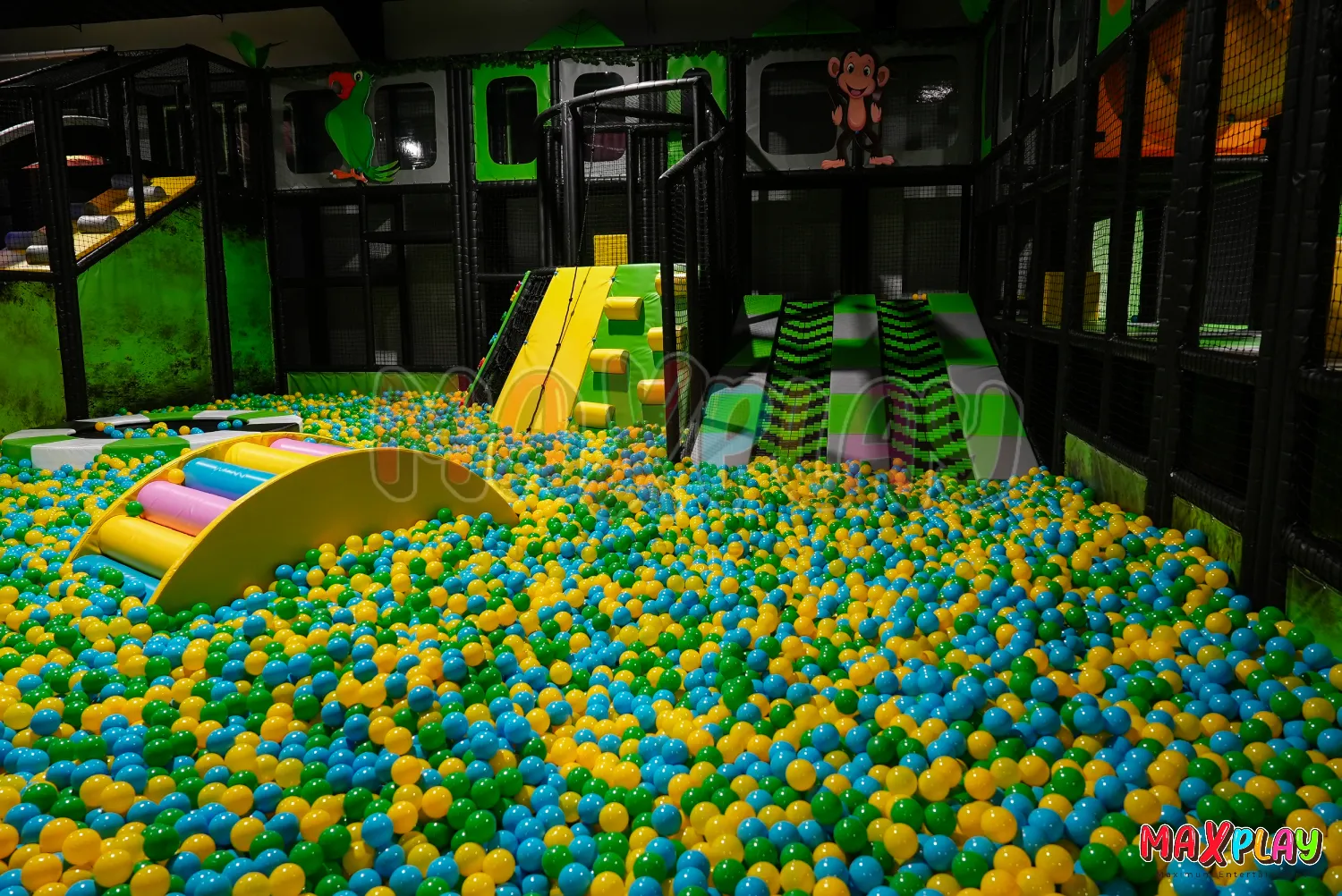
A profitable entertainment venue balances dwell times, continuous foot traffic flow, and broad age appeal. Anchoring the core footprint with multi-tier soft play structures guarantees varied physical challenges, while distributing fast indoor playground slides prevents congestion at upper-level platforms. Combining steep vertical drop slides with wide multi-lane wave slides maintains dynamic circulation, ensuring active play areas remain open and accessible even during peak Saturday sessions.
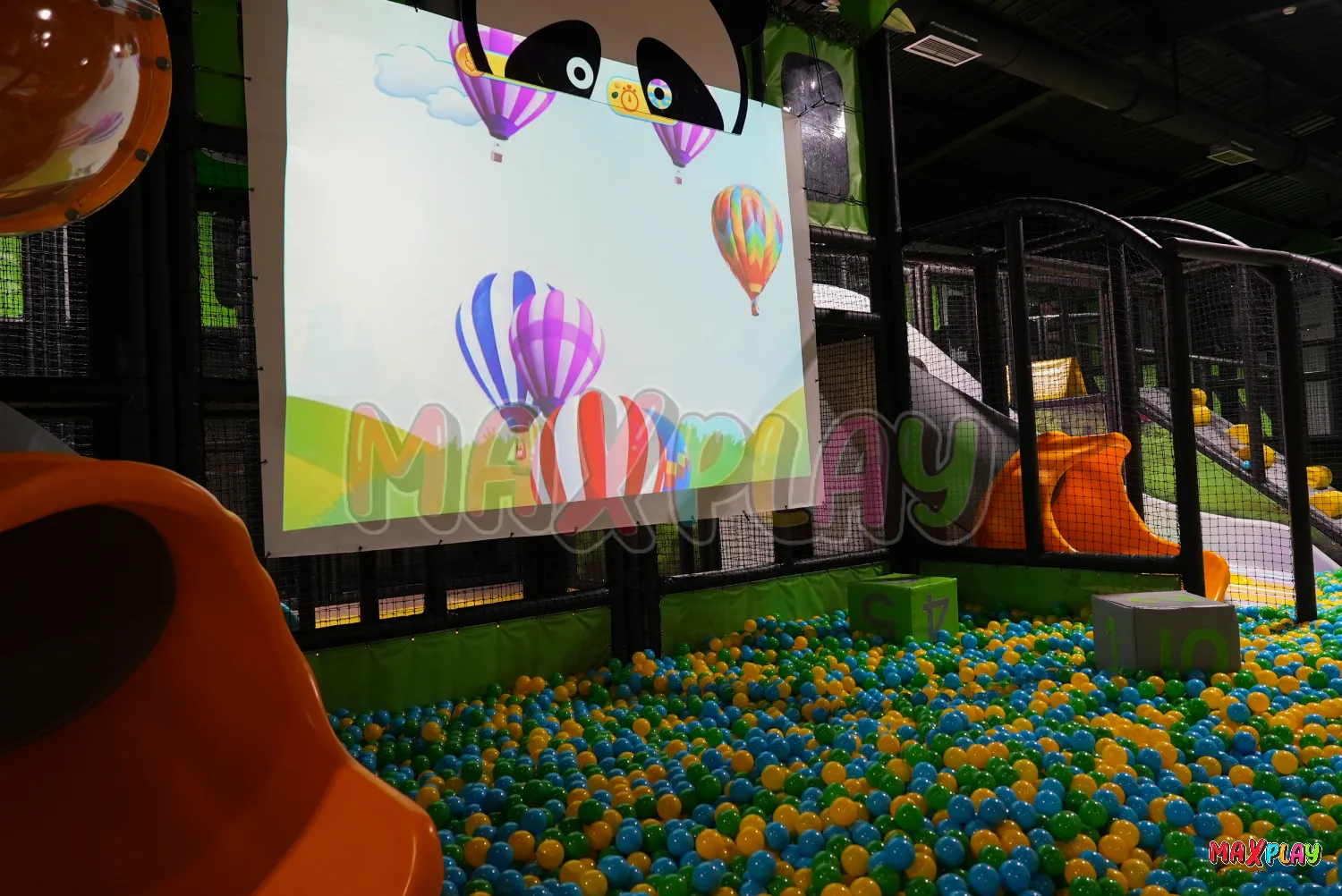
Integrating generous ball pits and climbing areas alongside an illuminated, sanitized ball pool provides foundational kinetic stimulation that attracts toddlers and early primary age groups alike. However, modern commercial venues must complement traditional foam obstacle runs with interactive playground features, such as wall-projected digital targets, pressure-sensitive floor tiles, and pneumatic ball canons. Merging classic kinetic play with responsive interactive playground equipment captures the attention of older children who might otherwise disengage from traditional playground equipment.
To broaden demographic reach, modern family entertainment centers frequently integrate high-energy zones featuring:
- Challenging Obstacle Courses: Engineered ninja tracks, balancing bridges, and agility routes that test dynamic balance, grip strength, and upper-body coordination.
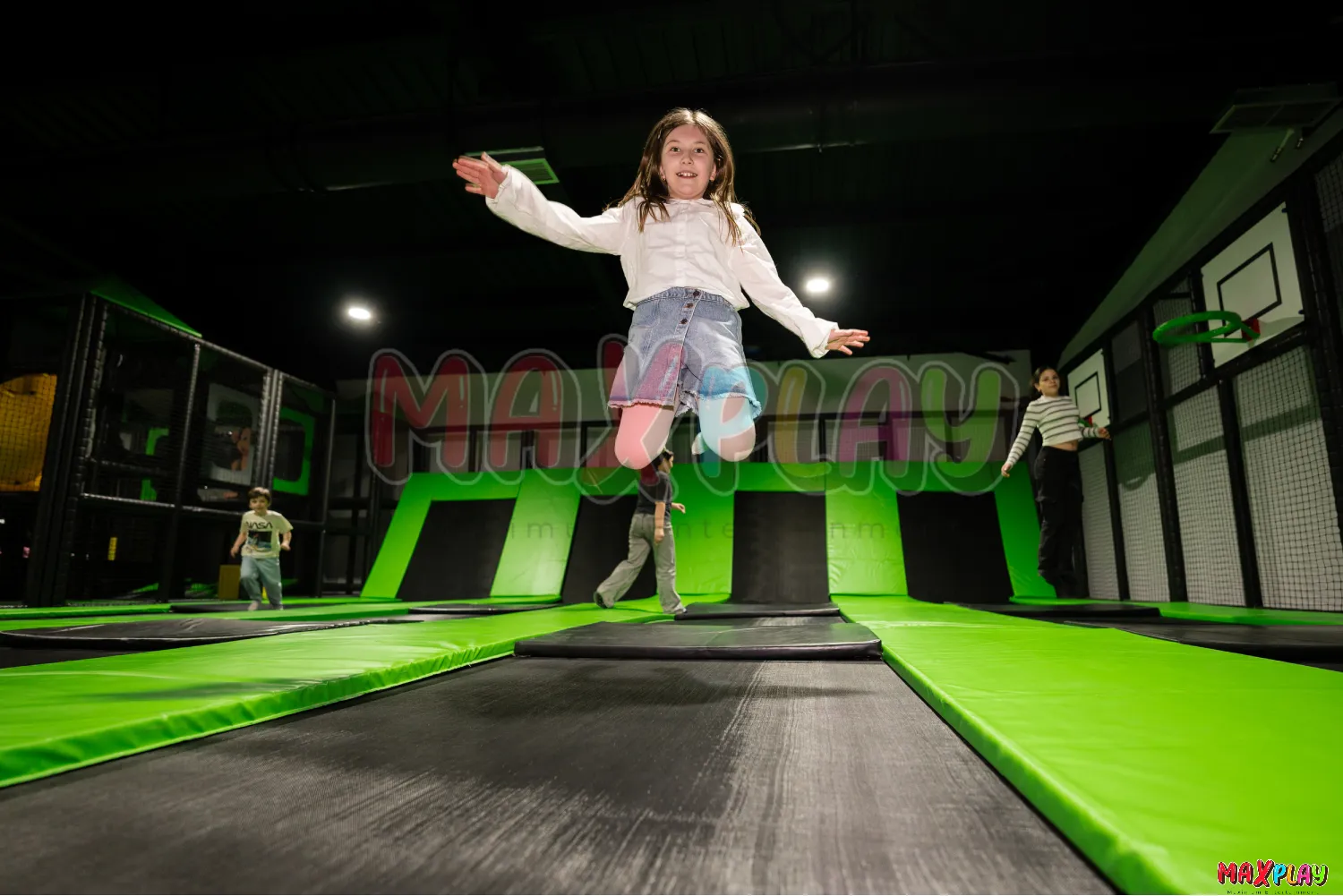
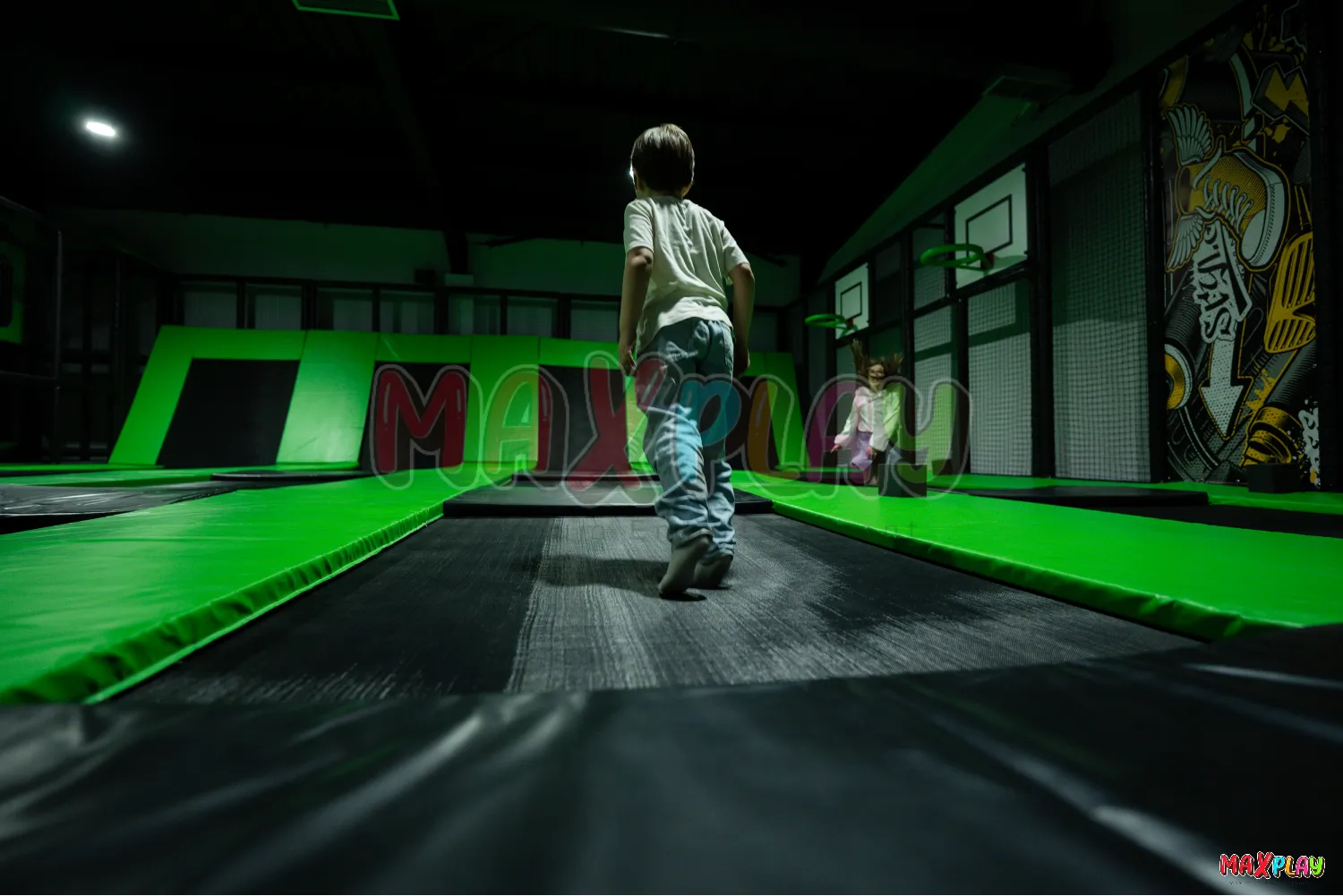
- Specialized Trampoline Arrays: Sourced from an accredited trampoline park manufacturer utilizing heavy-duty trampoline park equipment built to ASTM and EN standards.
- Modular Wall Climbs and Drop Zones: Self-belayed climbing features that combine physical challenge with verifiable fall protection systems.
Balancing classic and advanced adventure play elements stabilizes customer retention across multiple age brackets. Operators who curate balanced customer engagement strategies avoid demographic narrowing, ensuring their venues appeal equally to four-year-old motor-skills learners and active eleven-year-olds seeking social, energetic challenges.
Optimizing Space Usage for Small and Large Soft Play Facilities in Denmark
Spatial architecture in urban Danish centers often involves unconventional floorplans, including historic timber framing, low mezzanine drops, or concrete support arrays. An efficient indoor playground layout embraces these physical parameters rather than fighting them, transforming structural columns into play towers or central climbing trees. Precision spatial management ensures that safety run-outs, service corridors, and parent-accessible maintenance walkways do not cannibalize active play zones.
Deploying a compact play centre design for municipal infill sites (150–400 square meters) requires vertical multi-tier stacking and high-utilization equipment, such as integrated under-slide crawl mazes and vertical climb labyrinths. Conversely, developing large-scale soft play solutions (1,000+ square meters) requires strategic zoning to prevent acoustic amplification and visual disarray. High-capacity facilities require dedicated service corridors behind equipment perimeters, allowing maintenance technicians to inspect anchor bolts, netting tension, and structural joints without disrupting ongoing public operations.
Implementing smart space optimization techniques relies heavily on the integration of certified modular playground systems. Modular structures can be dismantled, expanded, or reconfigured as commercial footfall data reveals underutilized floor segments over time. Embracing flexible play area planning ensures that if a particular obstacle fails to capture long-term customer engagement, the operator can replace modular equipment cartridges without shutting down the broader commercial facility.
Building a Cost-Efficient Soft Play Centre With Turkish Production Advantages
Securing an advantageous return on investment (ROI) in the commercial entertainment sector requires balancing capital expenditure (CAPEX) with ongoing operational durability. Choosing affordable soft play solutions should never mean accepting sub-standard raw foam cores or toxic PVC skin layers that tear within months. Leveraging core Turkish playground manufacturing advantages allows investors to capture competitive production pricing while securing structural materials certified directly to rigorous Western European standards.
Direct factory-direct playground supply channels eliminate middleman margins and distributor markups that frequently inflate installation costs by 30% to 50%. A high-capacity indoor playground equipment manufacturers partner operates with lower overhead costs than domestic Nordic builders, passing these production efficiencies directly to the project developer. This cost efficiency allows Danish operators to reallocate crucial capital toward premium HVAC heat recovery systems, custom branding, and elevated hospitality spaces that maximize secondary margins.
Analyzing a strategic European playground investment reveals that equipment lifespan, spare parts availability, and initial manufacturing costs dictate overall profitability:
| Sourcing Dimension | Distant Maritime Importers | Direct Turkish Manufacturing | Domestic Scandinavian Providers |
| Logistics Lead Times | 7–11 Weeks (Vessel Dependent) | 6–9 Days (Overland Transit) | 2–4 Days (Local Freight) |
| Capital Expenditure | Baseline Cheap / High Hidden Freight | Highly Competitive Direct Factory Rates | Premium Rates / High Assembly Labor |
| Quality & Certification | Variable / Spot Audit Required | Certified EN 1176 / CE Compliant | Fully Compliant / Over-Engineered |
| Custom Flexibility | Rigid / Restrictive Modification | Live Agile CAD / Fast Modifications | Agile / Extremely Costly Additions |
Navigating customized equipment pricing through direct-from-source procurement provides predictable budget management throughout the construction cycle. Danish facility owners maintain fiscal control while acquiring durable indoor play equipment and specialized commercial soft play equipment that handles rigorous commercial operations without requiring early structural remediation.
From Manufacturing to Installation: Managing a Complete Soft Play Centre Project
Executing a flawless commercial entertainment rollout requires unified management from initial 3D design generation through physical site delivery. Utilizing end-to-end turnkey soft play centre solutions eliminates project misalignment between structural designers, steel fabricators, and on-site assembly technicians. A single missing interface detail between the base frame anchoring and venue subflooring can stall an entire commercial launch, generating expensive lease delays and operational disruptions.
Professional playground installation services deployed directly by the equipment fabricator guarantee that every joint, safety pad, and boundary net complies with EN 1176-1 safety requirements. During indoor play centre construction, assembly teams manage heavy structural anchoring, check bolt torque specifications, lace high-strength boundary netting, and eliminate any potential finger-entrapment points. Operators should avoid subcontracting assembly to uncertified general builders who lack specialized knowledge of safety clearances, impact drop margins, and protective foam tensioning.
Comprehensive project management support provides structured scheduling, including freight logistics, port clearance, and on-site delivery synchronicity. Streamlined international playground logistics coordinates overland flatbed and container transit directly to Danish destinations, bypassing logistics delays. Choosing comprehensive complete setup solutions provides verified installation logbooks, maintenance protocols, and structural sign-off documentation, streamlining mandatory municipal safety certifications and commercial operational approvals.
How to Select a Reliable Soft Play Equipment Partner for Your Danish Project?
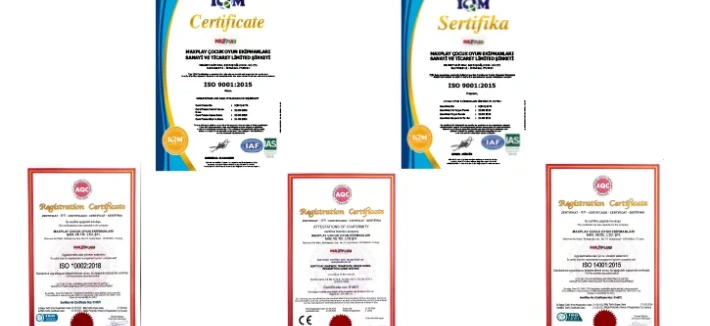
The long-term viability of an indoor leisure business depends entirely on the reliability, technical capability, and responsiveness of its manufacturing partner. Conducting a thorough soft play supplier evaluation requires looking beyond catalog renders to review factory credentials, welding certifications, material flammability test reports, and active project installations across Europe. Operators must confirm that prospective soft play manufacturers operate dedicated production facilities rather than functioning as speculative trading agencies.
Partnering with an experienced, professional playground manufacturer ensures access to seasoned engineering teams that understand how to design within complex spatial geometries. A truly trusted equipment partner offers transparent engineering assessments, advising operators against unsafe spatial choices or over-engineered features that inflate budgets without enhancing customer engagement. Establishing an open dialogue with an experienced indoor playground supplier or soft play equipment wholesale partner protects developers from operational pitfalls and code-compliance revisions down the road.
Ongoing success requires an investment partner committed to long-term supplier relationship management rather than one-off transactional sales. Reliable manufacturers maintain accessible spare parts inventories, supply replacement vinyl jackets for high-friction zones, and provide modular expansion components as your business scales. Investing time in targeted commercial playground consultation confirms your supplier possesses the verifiable manufacturing experience needed to design, fabricate, and guarantee reliable family infrastructure over years of demanding public service.
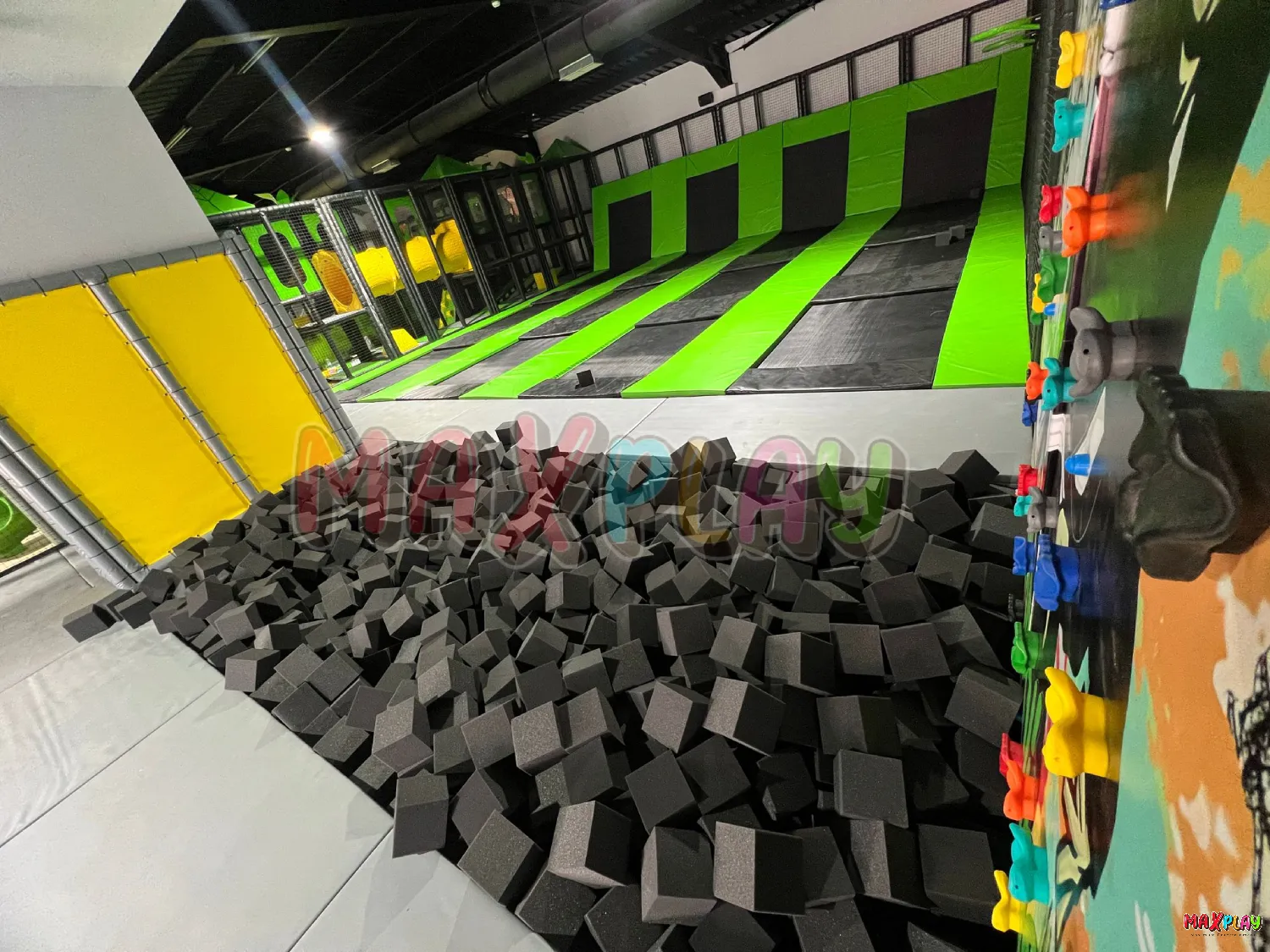
Create Safe and Engaging Soft Play Centres in Denmark With MaxPlay
Bringing an ambitious indoor entertainment project to fruition requires precision engineering, creative architectural design, and industrial fabrication built for public safety. Leveraging comprehensive MaxPlay soft play solutions enables commercial operators to turn vacant commercial properties into thriving community assets. As an internationally recognized MaxPlay indoor playground manufacturer, the company pairs innovative physical design with rigorous structural fabrication, guaranteeing that every installation meets and exceeds European EN 1176 benchmarks.
Developing successful custom soft play centre projects requires absolute synergy between imaginative visual themes and durable material performance. As an established Turkish playground export company, MaxPlay combines competitive manufacturing pricing with swift, reliable overland delivery across Europe and Scandinavia. By controlling every production phase in-house—from precision structural steel welding and flame-retardant foam integration to non-toxic PVC upholstery—the company delivers durable, child-safe leisure assets tailored to high-density commercial operations.
Delivering market-leading professional kids activity centre solutions requires deep industry experience and dedicated project alignment. MaxPlay leads the sector in international indoor playground design, transforming complex spaces into high-yield, engaging entertainment hubs. Every facility layout, structural calculation, and safety interface is tailored to your physical floorplan with complete engineering transparency. Design and spatial project planning are entirely complimentary; contact our engineering team today to claim your free custom 3D project design and initiate your commercial venture.