





Soft Play Equipment Wholesale Suppliers in Austria: Key Benefits for Resellers
The market for Soft Play Equipment Wholesale Suppliers in Austria is increasingly shaped by commercial buyers who expect more than attractive playground designs. Austrian distributors, entertainment facility developers, and hospitality suppliers need equipment that combines structural durability, child-appropriate materials, efficient installation, and predictable procurement costs. For resellers, success depends on selecting manufacturing partners capable of delivering consistent product quality while adapting individual projects to different building layouts, customer budgets, and operational requirements.
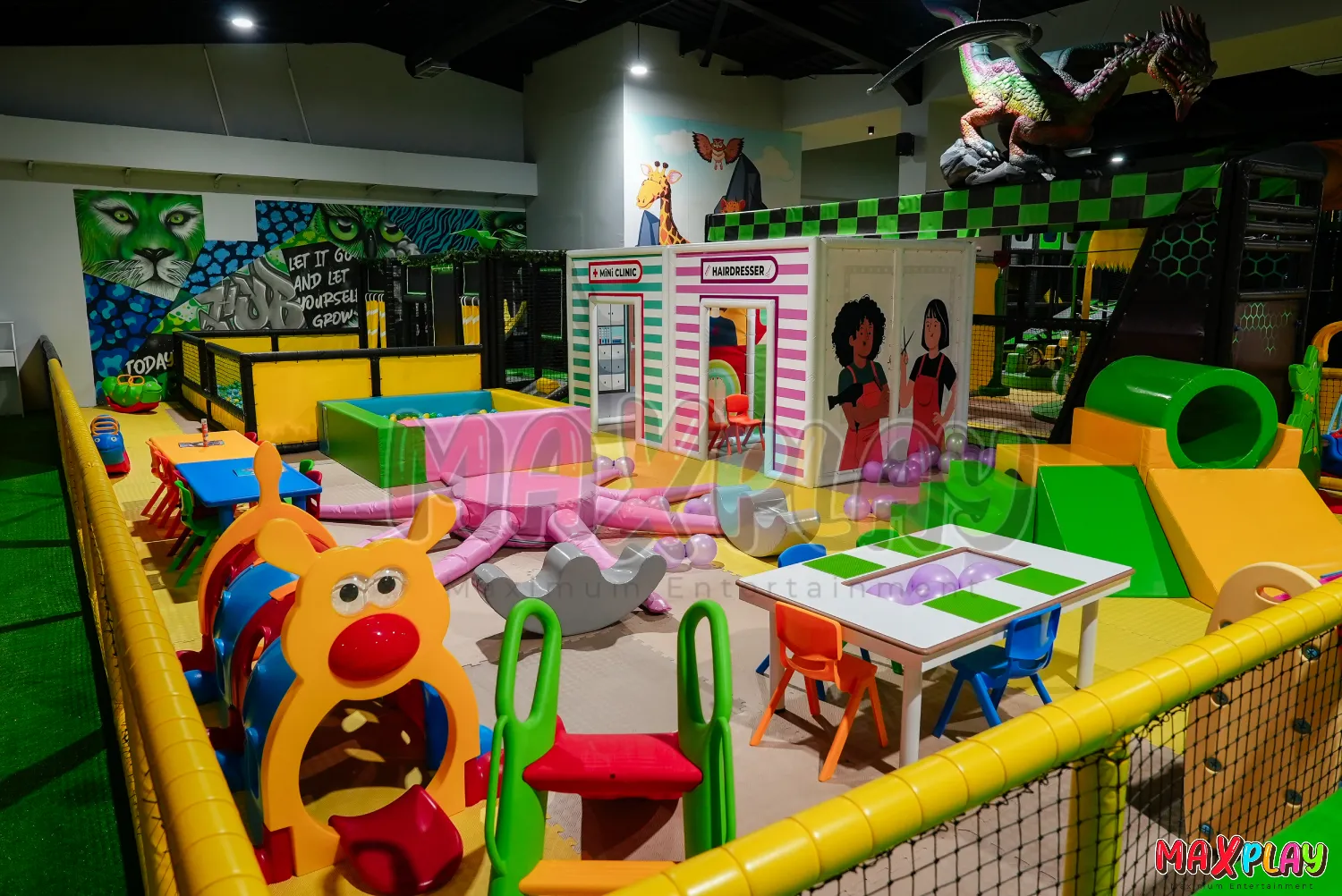
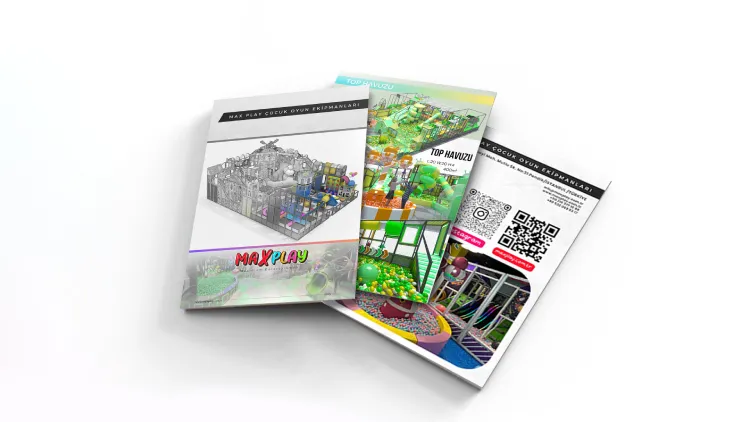
As MaxPlay Playground Equipment, we provide professional solutions for indoor playgrounds and soft play areas. We design, manufacture, install, and assemble indoor playground equipment and soft play systems for commercial spaces. Contact us for turnkey indoor playground projects.
| Landline: | 0216 377 10 88 |
| Mobile / WhatsApp: | 0532 069 53 17 |
| E-Mail: | info@maxplay.com.tr |
| Address: | Google Maps |
You can contact us for all your projects across Türkiye and international markets.
Our Services:
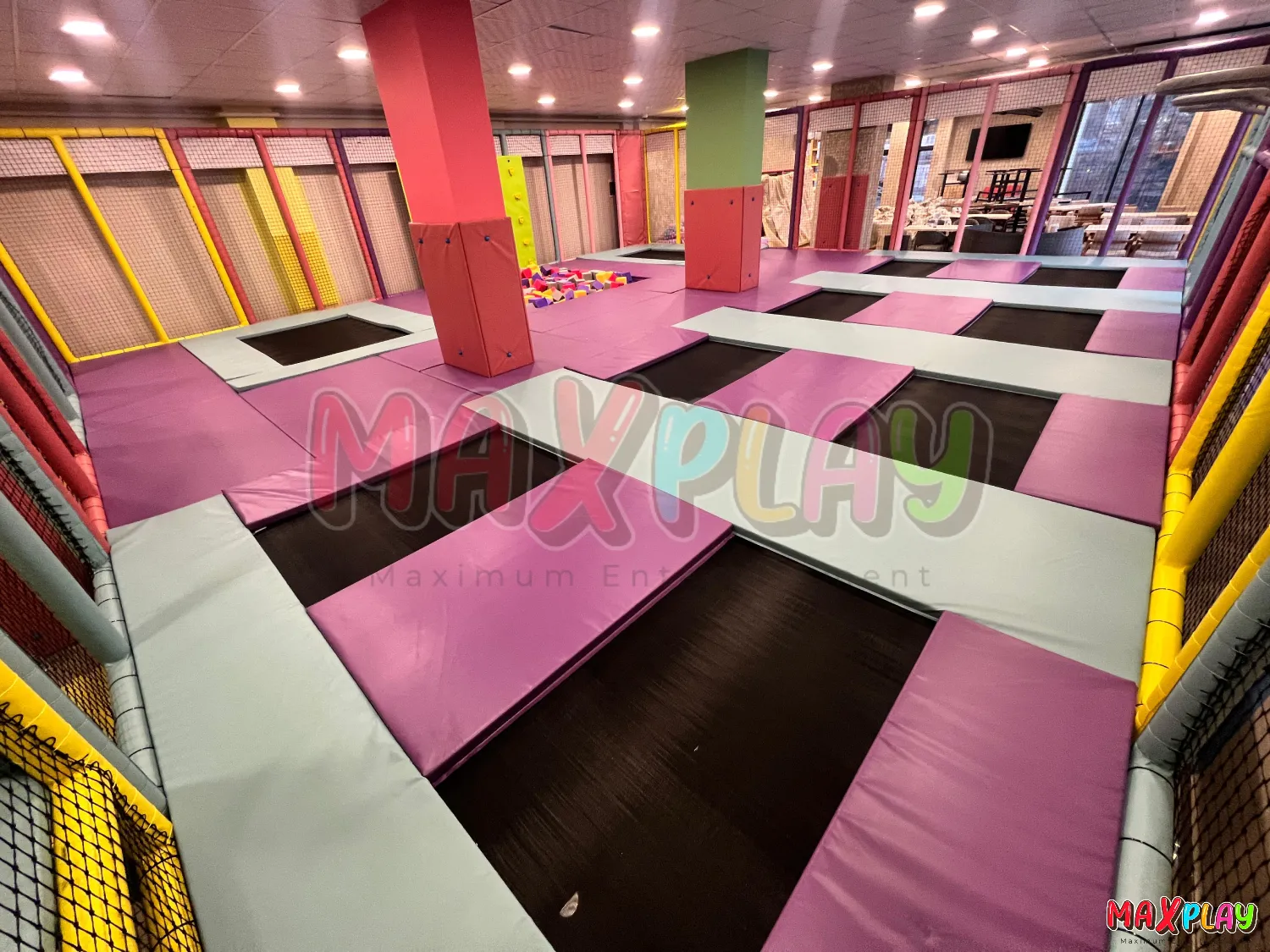
- Trampoline Manufacturing – Trampoline Park Installation
- Ball Pit Manufacturing – Ball Pit Playground Installations (with slides, etc.)
- Interactive Play Systems (Moving Soft Play Toys & Equipment)
- Sand Pit – Sand Play Areas
- Playgrounds and Role-Play Houses for Kindergartens & Nurseries
- Indoor playgrounds for businesses such as shopping malls, cafés, restaurants, etc.
- And all customized playground projects tailored to your specific needs.
Working with experienced Turkish soft play manufacturers offers an alternative to sourcing exclusively from European or Asian production centers. Turkey combines established manufacturing capabilities with geographical proximity to Austria, supporting competitive pricing, flexible customization, and comparatively short transport routes. MaxPlay operates within this manufacturing environment, providing project-based indoor playground solutions designed for commercial applications, including family entertainment centers, shopping malls, hotels, restaurants, and children’s activity facilities.
For businesses evaluating soft play equipment wholesale Austria opportunities, the most important consideration is not simply the initial purchase price. A commercially successful supply arrangement must account for installation complexity, maintenance accessibility, documentation, replacement components, and the ability to expand an existing product range. Understanding these factors allows distributors to build reliable customer relationships and protect long-term profitability.
Understanding the Austrian Wholesale Market for Commercial Soft Play Equipment
The Austrian playground equipment market serves several distinct customer groups, each with different purchasing priorities. Independent indoor entertainment operators typically focus on visitor capacity, available floor space, and equipment lifespan. Hotels and family resorts place greater emphasis on visual integration, child-friendly layouts, and straightforward maintenance. Educational facilities and supervised activity centers may require age-specific configurations, accessible circulation routes, and clearly defined activity zones. Distributors who understand these differences can position their product portfolios around actual operating requirements rather than offering identical playground packages to every customer.
In practical procurement situations, Austrian buyers often begin with a building plan and an approximate investment budget rather than a complete technical specification. A reseller must therefore translate commercial expectations into measurable design requirements, including usable floor area, ceiling clearance, entrance positions, emergency routes, structural anchoring conditions, and intended age groups. For example, an indoor activity area within a Vienna shopping center may require a compact multi-level arrangement, while a family hotel in Tyrol may prioritize lower-height play modules that can be supervised from an adjacent seating area. Both projects involve children’s entertainment, but their design and operational priorities differ considerably.
For commercial playground equipment distributors, this creates an opportunity to provide technical coordination alongside product supply. A supplier that can review architectural drawings, propose appropriate configurations, and prepare manufacturing documentation helps reduce uncertainty during quotation and installation. This service-oriented approach is especially valuable when resellers manage several projects simultaneously or work with customers who have limited experience operating commercial play facilities.
High-Demand Indoor Playground Products for Austrian Distributors and Resellers
Demand for commercial soft play equipment varies according to the type of facility, available space, and expected visitor behavior. Multi-level activity structures are suitable for larger family entertainment centers, where operators need several activities within a defined footprint. Compact toddler areas are more relevant to cafés, hotels, and smaller recreational venues. Climbing obstacles, tunnels, slides, interactive panels, and themed play elements can also be combined to create different levels of physical engagement. A commercially balanced portfolio should therefore include both complete playground systems and individual components that can be incorporated into existing facilities.
The distinction between a standard indoor play set and a purpose-designed commercial installation is particularly important. Products intended for domestic use may not be engineered for the frequency of use, maintenance requirements, or installation conditions associated with public facilities. A toddler play set indoor configuration, for instance, should be assessed according to its intended age range, platform heights, impact protection, access arrangements, and cleaning requirements. Commercial buyers should avoid treating residential and professional-use equipment as interchangeable simply because their appearance is similar.
In real operating environments, products with clear maintenance procedures and replaceable wear components can be more commercially attractive than highly decorative equipment that is difficult to service. Austrian resellers can strengthen their offerings by combining core indoor play equipment with selected activity enhancements, including sensory panels, role-play features, and age-appropriate climbing elements. The objective is to offer configurations that remain useful throughout daily operation rather than relying solely on visual appeal at the point of sale.
MaxPlay Playground Equipment Overview
| Equipment Name | Description | Key Benefits |
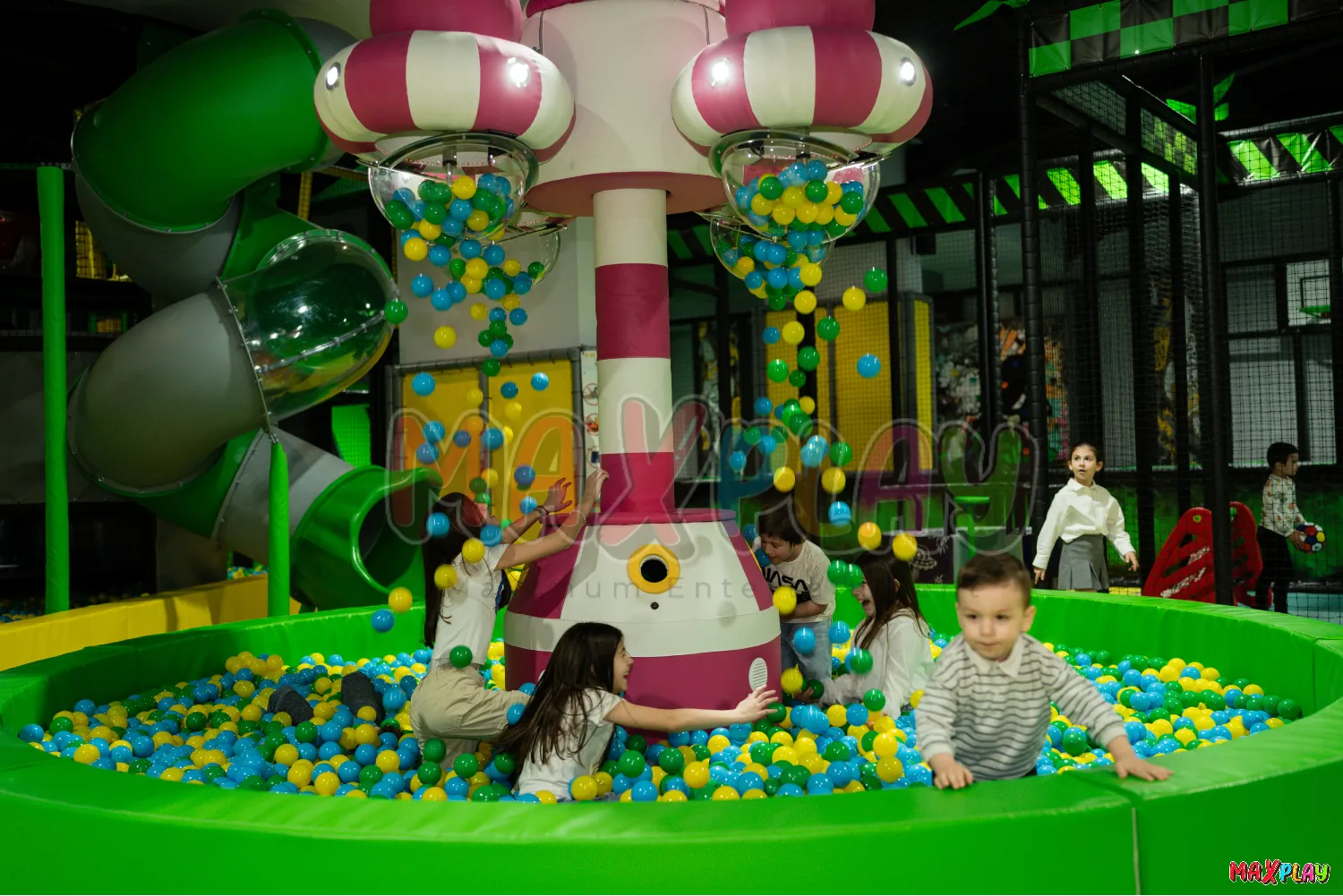
| Ball Pool | Colorful pit filled with balls for safe sensory play. | Safe fun for toddlers, easy to clean, encourages motor skills. |
| Trampoline | High-quality indoor trampolines. | Builds balance and strength, child-safe design, durable materials. |
| Interactive Game Sets | Digital and physical interactive play stations. | Boosts learning, cognitive skills, and engagement. |
| Profession Houses | Role-play houses designed for kids. | Encourages creativity, social interaction, and imagination. |
| Trampoline Park | Large-scale trampoline structures. | Suitable for older kids, high durability, safe design. |
| Roller Slide | Conveyor-style (roller) slides for continuous fun. | Efficient design, fun motion play, safe structure. |
| Tower Slide | Tower slides designed for adventure play. | Exciting design, strong safety standards, eye-catching feature. |
| Climbing Wall | Indoor climbing walls. | Builds strength and coordination, safe grips, customizable difficulty levels. |
| Volcano Slide | Volcano-shaped slides with climbing and sliding features. | Combines climbing and sliding, unique design, fun for multiple age groups. |
Wholesale Product Categories: Modular Soft Play Structures, Ball Pools, Slides and Climbing Equipment
A well-organized wholesale portfolio should distinguish between modular structures, individual attractions, and integrated entertainment systems. Modular soft play systems wholesale arrangements are particularly useful because standardized structural elements can be adapted to different footprints without requiring every project to begin from an entirely new engineering concept. Platforms, padded barriers, netted passages, tunnels, and activity obstacles can be arranged around the available building geometry. This approach also makes future extensions more manageable when the original installation has been designed with compatible connections and sufficient space.
Slides and climbing components require more careful selection than their appearance might suggest. Wholesale playground slides and climbing structures can include straight slides, enclosed tubes, curved slides, climbing ramps, rope-based obstacles, and padded ascending features. Each option creates different circulation patterns and supervision requirements. Enclosed slides may provide an engaging experience in a multi-level playground, but their entry and exit arrangements require appropriate visibility and access planning. Climbing elements must also be selected according to the intended users’ physical abilities and the surrounding fall-protection design.
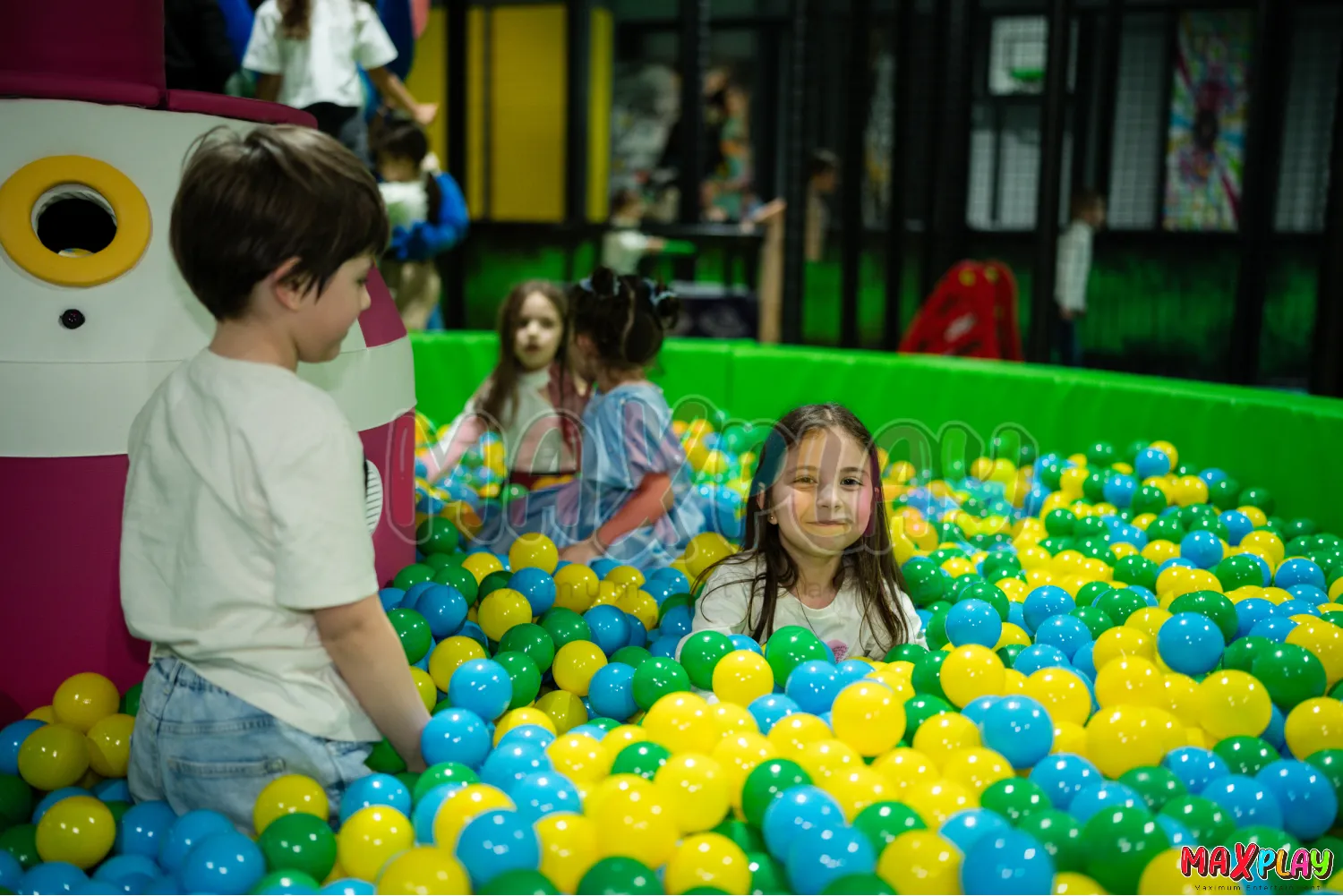
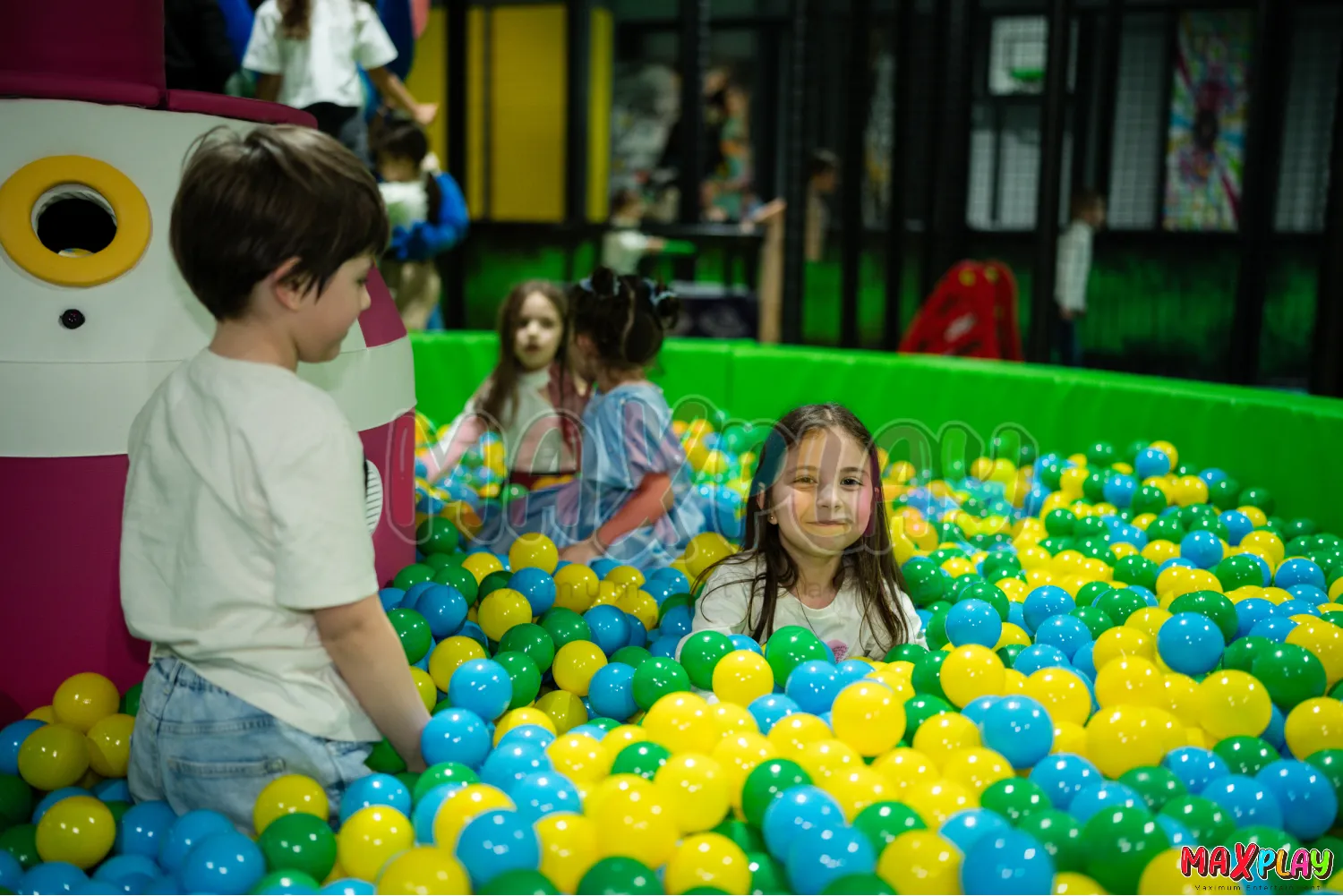
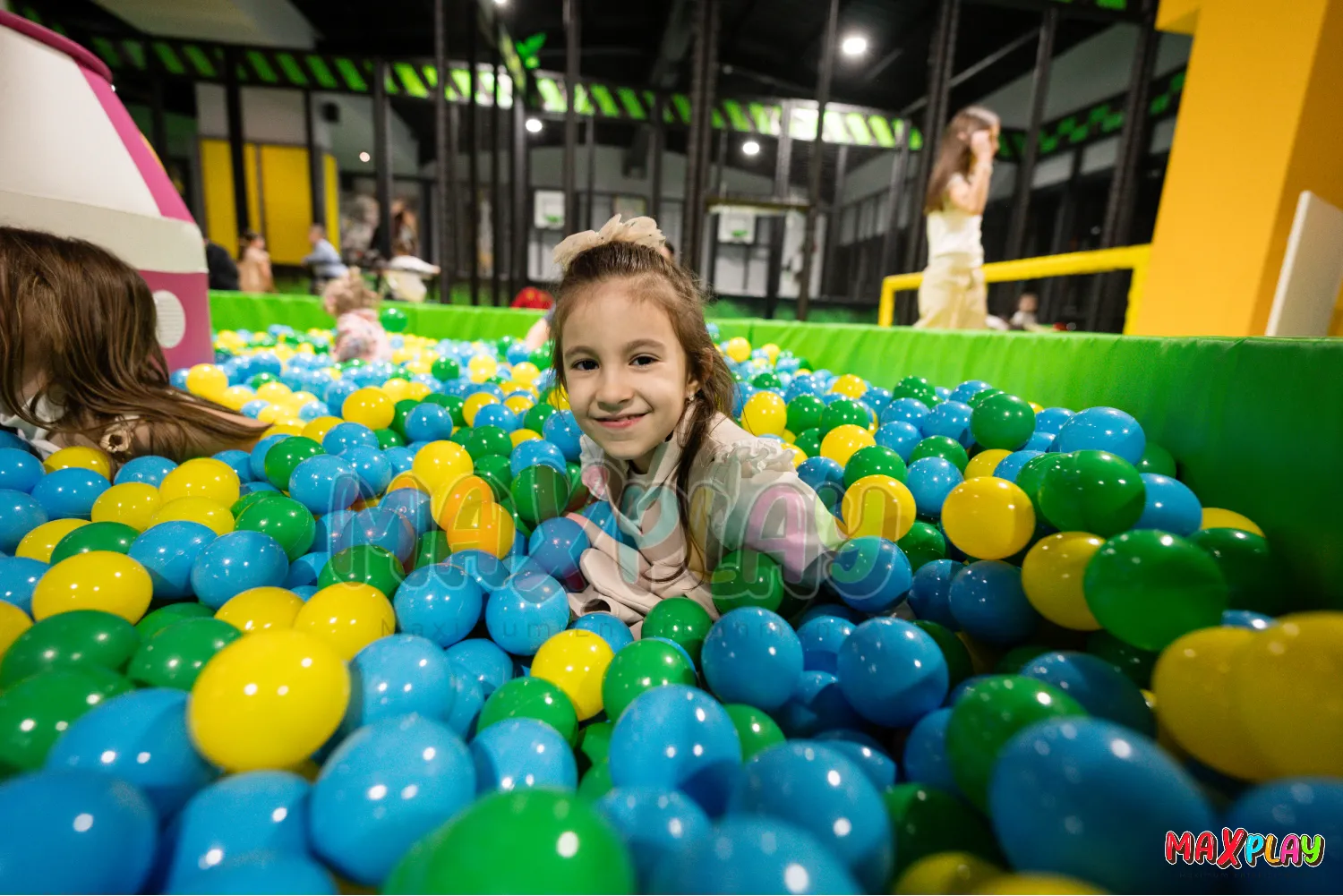
Ball pools represent another established category for commercial ball pit suppliers. A professionally designed ball pool requires attention to enclosure construction, ball specifications, depth, access, hygiene procedures, and separation from surrounding circulation routes. When integrated with soft playground equipment, ball pools can create a distinct activity area for younger visitors. However, facilities should also consider how balls will be collected, cleaned, inspected, and replaced. For resellers, providing practical maintenance information alongside equipment specifications adds value and reduces avoidable customer dissatisfaction.
Why Austrian Playground Equipment Resellers Choose Turkish Manufacturers for Bulk Procurement?
Turkey’s geographical position provides a practical sourcing advantage for Austrian distributors seeking alternatives to distant manufacturing markets. Road freight can connect Turkish production facilities with Central European destinations through established international transport corridors. Compared with long-distance ocean freight from East Asia, this can reduce shipping complexity and support shorter delivery schedules, depending on production readiness, customs processing, and carrier availability. For resellers coordinating installation deadlines, transport predictability can be just as important as the factory’s quoted manufacturing period.
Bulk soft play equipment procurement from Turkey can also offer a competitive balance between manufacturing costs and technical customization. Turkish producers can compete with Chinese and other international suppliers on price while offering accessible project coordination and European-market-oriented product configurations. However, product quality and delivery performance should always be compared using equivalent specifications. A lower quotation is not necessarily a better commercial offer if it excludes protective padding, structural components, installation documentation, or freight services. Likewise, superior quality should be demonstrated through materials, workmanship, inspection records, and applicable testing rather than assumed from manufacturing origin.
For B2B indoor playground sourcing, the strongest advantage is often the combination of manufacturing flexibility and geographical accessibility. Austrian businesses managing customized installations may need technical revisions before production, updated drawings, or replacement components after delivery. A supplier operating within a comparatively accessible transport network can make these activities easier to coordinate. MaxPlay’s project-based manufacturing approach is intended to support this type of relationship, particularly for distributors who need tailored solutions rather than a fixed catalogue of standard products.
Factory-Direct Purchasing from MaxPlay: Competitive Pricing, Flexible Order Volumes and Reseller Margins
Factory-direct procurement allows distributors to work more closely with the organization responsible for manufacturing their equipment. Through factory-direct playground suppliers, resellers may reduce intermediary markups, clarify technical requirements, and obtain more transparent information about production scope. However, the commercial benefit depends on the actual purchasing arrangement. Shipping charges, minimum order values, installation responsibilities, and after-sales commitments must all be included when comparing factory quotations with offers from regional wholesalers.
For soft play equipment wholesale, profitability should be evaluated through landed cost rather than unit price alone. A reseller’s landed cost includes equipment manufacturing, packaging, international transportation, insurance where applicable, customs administration, unloading, and any additional handling or installation expenses. For example, a supplier offering a lower equipment price but charging separately for every technical modification may ultimately be less economical than a manufacturer providing a more comprehensive project quotation. Comparing suppliers using the same bill of materials and service scope helps prevent misleading price differences.
Order flexibility is another important consideration. Some distributors specialize in complete commercial playground installations, while others supply individual attractions or replacement modules. MaxPlay’s customized production model supports discussions around different project sizes and equipment configurations, although minimum order quantities and commercial terms should be confirmed for each quotation. For resellers evaluating indoor playground reseller opportunities, the goal is to establish a repeatable purchasing structure that protects margins without compromising material specifications, safety requirements, or customer expectations.
Custom Manufacturing and Private Label Opportunities for Indoor Playground Equipment Distributors
Custom playground equipment manufacturing enables resellers to address building limitations and customer requirements that standard equipment cannot accommodate. A rectangular activity structure may be appropriate for an open retail unit, but an irregular hotel recreation room could require a completely different arrangement. Structural columns, ceiling services, ventilation outlets, windows, and existing circulation routes may influence the final design. These details should be assessed before manufacturing begins because changes made after fabrication can introduce significant additional costs.
Private label soft play equipment arrangements can also be relevant for distributors developing their own commercial identities. Depending on the manufacturer’s capabilities and contractual agreement, private labeling may involve branded documentation, coordinated product colours, custom visual themes, or approved identification elements. The technical manufacturer, traceability information, and legally required markings must nevertheless remain accurate. A private-label arrangement should never obscure responsibility for product conformity or make it difficult to identify the source of replacement components.
The most effective customized playground equipment for resellers balances visual differentiation with manufacturing consistency. A reseller supplying several hotel properties, for example, might use a shared equipment platform while adapting colour palettes, themed panels, and activity arrangements to each location. This reduces unnecessary design variation while allowing individual customers to maintain distinctive interiors. MaxPlay’s CAD-supported design and project-based production capabilities provide a framework for coordinating these requirements before fabrication, helping align appearance, usability, and installation feasibility.
Meeting Austrian and European Playground Safety Requirements: EN 1176, EN 1177 and Product Documentation
Compliance is a central consideration when supplying equipment for children’s public-use environments. European playground safety standards provide an important technical reference, particularly the EN 1176 series for playground equipment and surfacing-related requirements, and EN 1177 for impact-attenuating playground surfacing. Their applicability must be assessed according to the actual equipment type, installation environment, and relevant Austrian requirements. Not every indoor play product is governed by the same standards, and products such as trampolines or certain enclosed play installations may require additional or different technical assessments.
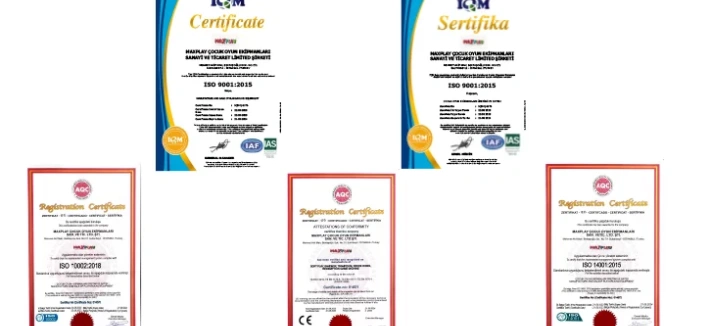
When evaluating EN 1176 compliant play equipment, distributors should request documentation relevant to the supplied configuration rather than relying on a general claim that a manufacturer produces certified products. Useful evidence may include material specifications, applicable test reports, risk assessments, installation instructions, inspection guidance, and traceable component information. Where third-party certification is offered, the certificate’s issuing body, validity, product scope, and covered standards should be verified. CE marking should only be used where applicable EU legislation requires or permits it; it is not a universal certification for all playground structures.
Material selection is equally important. First-class commercial construction should consider structural strength, appropriate protective padding, hygienic and cleanable surfaces, securely finished edges, and materials suitable for children’s intended contact. Flame-performance documentation, chemical compliance information, and impact-attenuation test results may be relevant depending on the installation. In actual use, a playground’s safety depends not only on its original manufacturing quality but also on correct installation, inspection, maintenance, and supervision. MaxPlay’s focus on standards-oriented manufacturing and appropriate material selection should therefore be assessed through project-specific technical documentation, especially when supplying regulated Austrian commercial environments.
Building a Profitable Soft Play Product Portfolio for Play Cafés, Hotels, Kindergartens and Entertainment Centers
A successful product portfolio should be organized around customer applications rather than equipment categories alone. Soft play equipment for hotels and play cafés generally needs to fit within relatively compact spaces, complement surrounding interiors, and support convenient parental supervision. Family entertainment centers may require larger structures with several activity levels, while childcare facilities may prioritize lower-height equipment and developmentally appropriate features. For a distributor, these distinctions influence everything from product presentation to quotation preparation.
Consider three practical portfolio segments:
- Compact family spaces: Padded toddler modules, low-level climbing elements, sensory panels, small slides, and appropriately designed ball-pool areas for cafés, hotels, and supervised children’s rooms.
- Medium-sized commercial facilities: Multi-activity structures combining tunnels, obstacle elements, enclosed slides, and interactive features for shopping centers and dedicated indoor play venues.
- Large entertainment developments: Integrated playground structures, climbing attractions, obstacle courses, and selected trampoline park equipment for facilities with sufficient floor area, ceiling clearance, staffing, and operational controls.
A trampoline park manufacturer should be evaluated separately from a conventional soft-play supplier because trampoline installations involve distinct structural, operational, and safety considerations. Similarly, interactive playground equipment may require electrical infrastructure, software support, maintenance access, and technical servicing arrangements. These products can increase the value of a distributor’s portfolio, but they are not automatically suitable for every customer. A small café with limited supervision capacity may benefit more from a durable, simple activity zone than from complex attractions requiring specialist maintenance. Matching product complexity to operational capability is essential for sustainable commercial performance.
Evaluating Wholesale Suppliers: Production Capacity, Material Quality, Lead Times and After-Sales Support
Selecting an indoor playground supplier requires a structured evaluation process that extends beyond catalogue images and initial quotations. Production capability should be examined in relation to the proposed equipment dimensions, materials, structural requirements, and customization needs. A manufacturer may have extensive experience with compact play areas but limited capacity for large multi-level entertainment installations. Resellers should therefore review relevant project examples, production documentation, quality-control procedures, and the manufacturer’s ability to coordinate complex equipment assemblies.
When comparing soft play manufacturers and indoor playground equipment manufacturers, buyers should evaluate several operational factors:
- Manufacturing quality: Material grades, padding construction, structural connections, surface finishes, workmanship, and inspection procedures.
- Project coordination: Drawing approval processes, specification changes, manufacturing milestones, and communication responsibilities.
- Delivery reliability: Realistic wholesale supplier lead times, packaging methods, freight arrangements, and procedures for handling delays.
- After-sales service: Spare-part identification, maintenance guidance, warranty scope, replacement procedures, and technical assistance.
One of the most common procurement mistakes is approving a quotation without defining the complete supply scope. A proposal may include equipment fabrication but exclude unloading, installation, site preparation, or certain protective elements. Buyers should also confirm whether drawings are preliminary concepts or approved manufacturing documents. For wholesale indoor playground structures, a reliable supplier should be able to explain what is included, what remains subject to approval, and which responsibilities belong to the reseller or final facility operator. This level of clarity reduces disputes and improves project execution.
Importing Soft Play Equipment from Turkey to Austria: Freight Consolidation, Customs and Delivery Coordination
Playground equipment import from Turkey involves several connected activities: manufacturing completion, protective packaging, transport planning, customs documentation, and delivery to the Austrian destination. Commercial playground systems frequently contain components of different dimensions and handling requirements, including structural members, padded modules, slides, netting, and decorative panels. Proper identification and packing lists help receiving teams match delivered components to the installation drawings and reduce the risk of missing parts being discovered only during assembly.
For international playground equipment logistics, road freight is often a practical option between Turkey and Austria, particularly when project volumes justify consolidated or dedicated vehicle arrangements. Smaller orders may be grouped with other cargo, while larger installations may require dedicated transport depending on total volume and loading constraints. Transit times depend on the departure location, routing, border conditions, transport permits where relevant, and customs procedures. Although Turkey’s proximity to Central Europe can offer shorter logistics cycles than intercontinental ocean shipping, no delivery commitment should be made without confirming the actual production and freight schedule.
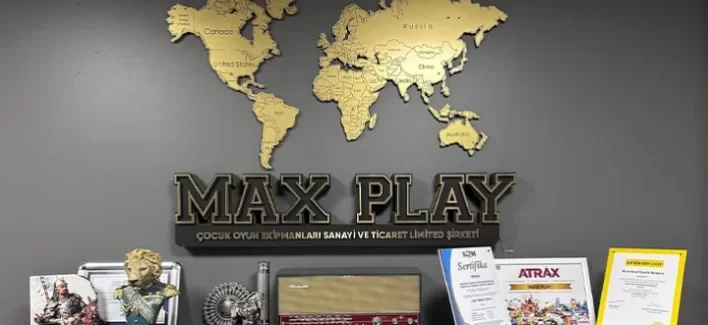
Customs planning also requires care. Turkey and the European Union have a customs union covering many industrial goods, and eligible products may benefit from preferential customs treatment when the relevant conditions and documentation are satisfied. An A.TR movement certificate, where applicable, establishes qualifying free-circulation status rather than preferential origin. Austrian importers must still consider tariff classification, import VAT, customs declarations, and product compliance obligations. For commercial play equipment distribution, agreeing on Incoterms, importer responsibilities, unloading arrangements, and document preparation before shipment is essential. MaxPlay’s international export and logistics coordination experience can support resellers in organizing these activities alongside manufacturing and project delivery.
Long-Term Supplier Partnerships: Repeat Orders, Replacement Components and Scalable Distribution Networks
A wholesale relationship becomes more valuable when it supports the equipment throughout its operating life. Indoor playground supplier partnerships should therefore address repeat procurement, technical records, product modifications, and the availability of maintenance components. A distributor may initially supply one play area to a hospitality customer, then receive requests for additional facilities, replacement padding, new activities, or expansion modules. Maintaining consistent component specifications and project documentation makes these follow-up orders easier to manage.
Access to replacement parts for soft play structures is particularly important because commercial playgrounds experience repeated daily use. Protective covers, padded barriers, netting, fasteners, and selected activity components may require inspection or replacement during normal operation. A well-organized supplier relationship should provide a method for identifying the correct component, confirming compatibility, and arranging replacement without unnecessary redesign. Resellers should also distinguish between routine wear, accidental damage, incorrect maintenance, and manufacturing defects when communicating warranty conditions to their customers.
For growing distributors, commercial play equipment distribution depends on predictable systems rather than isolated transactions. Standardized quotation procedures, approved drawings, component references, inspection records, and clear delivery responsibilities allow a business to handle more projects without sacrificing control. Long-term partnerships can also improve planning for recurring equipment categories and seasonal installation schedules. The most dependable arrangement is one in which both manufacturer and reseller understand the commercial expectations, technical responsibilities, and after-sales requirements of the Austrian market.
How MaxPlay Supports Austrian Resellers with Wholesale Soft Play Manufacturing and Customized Playground Solutions?
MaxPlay provides Turkish manufacturing expertise for commercial indoor playground projects, combining design development, engineering coordination, production, and international supply. Its product capabilities include indoor soft playground equipment, modular activity structures, slides, climbing elements, padded play zones, and other attractions suited to family entertainment environments. Rather than treating every project as a standard product order, MaxPlay’s approach considers the installation space, intended users, desired activities, and commercial requirements. This allows Austrian resellers to develop proposals suited to specific customers while working with a manufacturing partner experienced in customized playground solutions.
Competitive factory-direct pricing is an important part of MaxPlay’s value proposition, particularly for distributors comparing European production costs with alternative international supply markets. Turkey’s manufacturing base and relatively short transport connections to Austria can help create an attractive combination of cost efficiency, quality-focused production, and delivery flexibility. MaxPlay emphasizes first-class materials, child-appropriate manufacturing, safety-oriented engineering, and project-specific documentation. These characteristics should be supported by the relevant specifications and certification or test evidence for each installation. Its ability to coordinate international shipping, installation-related requirements, and after-sales support also helps distributors manage the full project rather than focusing exclusively on the equipment purchase.
MaxPlay also offers free preliminary playground project design, allowing prospective partners to explore layouts, equipment combinations, and initial project requirements before committing to manufacturing. For Austrian distributors seeking reliable soft play equipment wholesale arrangements, this provides a practical starting point for assessing technical feasibility and commercial potential. Request Your Free Playground Project Design Today and discover how MaxPlay can support your next indoor entertainment installation with customized manufacturing, competitive pricing, and coordinated delivery from Turkey. Contact MaxPlay to share your floor plan, preferred equipment categories, and project requirements, and begin developing a tailored wholesale playground solution.