





Turnkey Indoor Playground Projects in Romania: From Planning to Launch
Launching a successful indoor playground involves much more than purchasing play equipment. Turnkey Indoor Playground Projects in Romania require careful planning, commercial insight, engineering expertise, and seamless coordination from the first feasibility assessment to the grand opening. Investors who adopt a turnkey approach benefit from having every phase managed under a single project strategy, ensuring that concept development, custom design, production, logistics, installation, and operational preparation work together efficiently. This reduces project risks while creating a venue designed for long-term commercial performance rather than short-term cost savings.
As MaxPlay Playground Equipment, we provide professional solutions for indoor playgrounds and soft play areas. We design, manufacture, install, and assemble indoor playground equipment and soft play systems for commercial spaces. Contact us for turnkey indoor playground projects.
| Landline: | 0216 377 10 88 |
| Mobile / WhatsApp: | 0532 069 53 17 |
| E-Mail: | info@maxplay.com.tr |
| Address: | Google Maps |
You can contact us for all your projects across Türkiye and international markets.
Our Services:
- Trampoline Manufacturing – Trampoline Park Installation
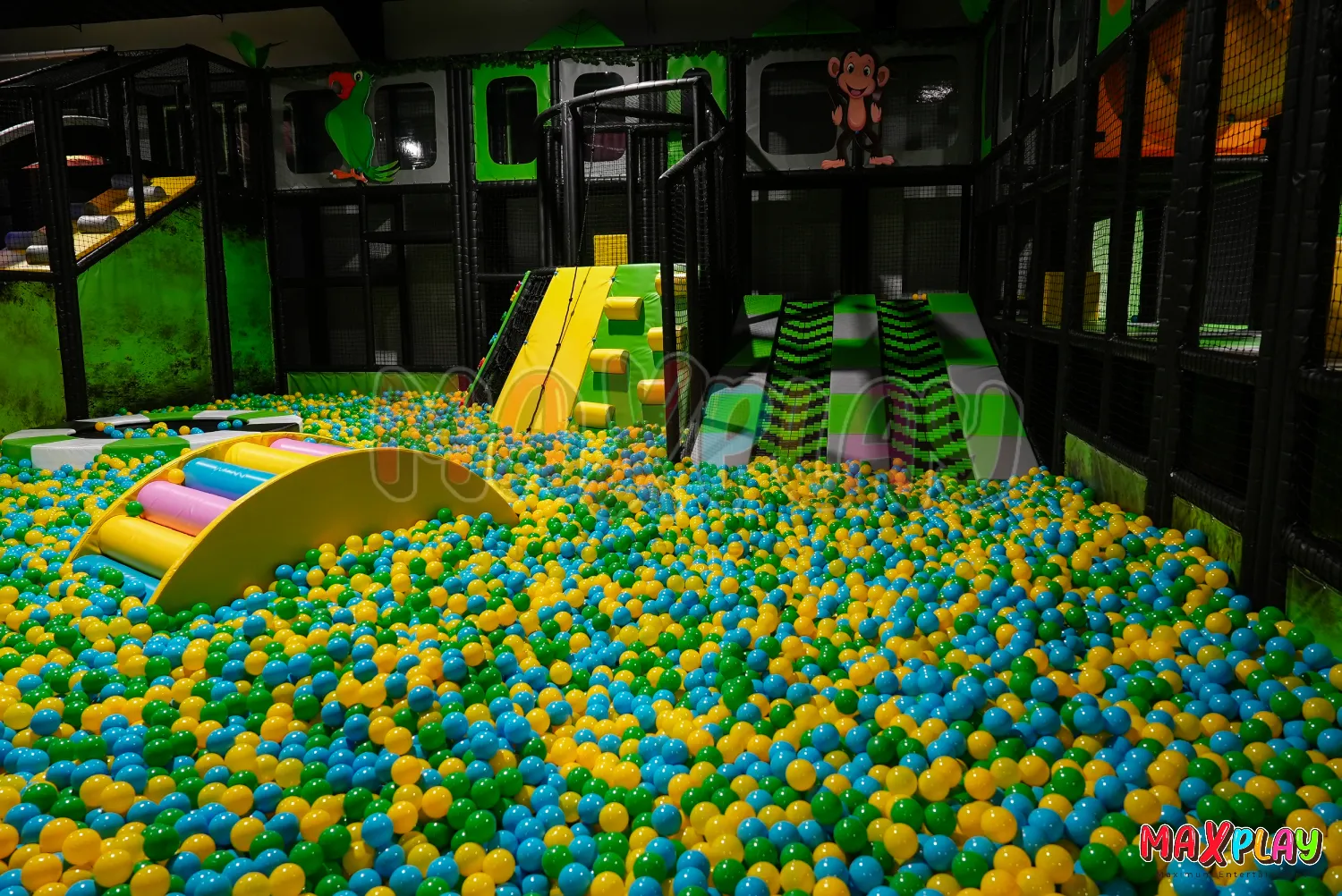
- Ball Pit Manufacturing – Ball Pit Playground Installations (with slides, etc.)
- Interactive Play Systems (Moving Soft Play Toys & Equipment)
- Sand Pit – Sand Play Areas
- Playgrounds and Role-Play Houses for Kindergartens & Nurseries
- Indoor playgrounds for businesses such as shopping malls, cafés, restaurants, etc.
- And all customized playground projects tailored to your specific needs.
Romania’s growing demand for modern family entertainment has also changed investor expectations. Today’s projects are expected to deliver engaging visitor experiences, maximise revenue per square metre, and remain operationally efficient for many years. In practical applications, one of the most common challenges is balancing creativity with commercial functionality. An attractive venue alone is not enough; successful projects are carefully engineered to support visitor flow, simplify maintenance, optimise staffing, and encourage repeat visits. These considerations should influence every design decision long before manufacturing begins.
An experienced turnkey partner helps coordinate architects, engineers, production teams, logistics specialists, and installation crews under one integrated process. This approach eliminates communication gaps between multiple suppliers while ensuring consistent quality throughout the project lifecycle. For Romanian investors, working with an established Turkish manufacturer also provides additional advantages, including factory-direct production, competitive pricing, certified manufacturing standards, rapid road transportation from Türkiye, and significantly shorter delivery times compared with many overseas suppliers. The result is a commercial entertainment destination that opens faster, operates more efficiently, and delivers stronger long-term value.
Understanding Romania’s Growing Demand for Commercial Indoor Entertainment Spaces
The market for Turnkey Indoor Playground Projects in Romania has expanded significantly over the last few years, driven by changing consumer expectations, rapid urban development, and growing investment in family-oriented commercial destinations. Shopping centres, mixed-use developments, hotels, restaurants, educational facilities, and private entertainment operators are all looking for attractions that generate year-round visitor traffic regardless of weather conditions. Unlike seasonal outdoor playgrounds, indoor entertainment venues offer predictable revenue opportunities and create longer visitor dwell times, making them attractive commercial investments across Romania.
One of the biggest changes in the Romanian family entertainment market is the shift from simple children’s play corners to professionally designed destinations where families spend several hours rather than a few minutes. Parents increasingly evaluate venues based on safety, cleanliness, educational value, comfort, and the overall experience rather than simply the number of play elements available. Developers who understand visitor behaviour from the planning stage generally achieve stronger occupancy rates, better customer retention, and higher secondary spending in cafés, restaurants, and retail stores located nearby.
In practice, one of the most common situations encountered during project development is that investors initially focus on purchasing equipment before validating whether the overall concept matches local demand. Experienced project teams approach the process differently. They first analyse visitor demographics, local competition, commercial objectives, available floor area, and expected customer flow before selecting attractions. This approach reduces operational risks while creating a balanced entertainment destination capable of adapting to future market trends.
Building a Business Concept Before Selecting Playground Equipment
Successful indoor entertainment businesses rarely begin with choosing slides or climbing structures. Instead, they begin with a detailed business strategy that defines who the venue serves, how visitors move through the facility, and how every square metre contributes to revenue generation. Whether the project targets shopping malls, family entertainment centres, hospitality venues, or standalone recreation facilities, the concept should be built around customer behaviour rather than equipment catalogues.
Real-world experience shows that commercial success depends on understanding several operational questions before production even starts. These include expected visitor capacity during weekends, ideal age distribution, birthday party demand, food and beverage integration, staffing requirements, maintenance access, and future expansion possibilities. These considerations influence every engineering decision later in the project.
A comprehensive feasibility assessment typically evaluates:
- demographic characteristics of the surrounding catchment area
- expected visitor circulation throughout the day
- commercial objectives and investment horizon
- operational costs versus projected revenue
- competitor positioning and market opportunities
Projects developed through this process usually outperform facilities where equipment selection becomes the starting point instead of the final stage.
Selecting the Right Combination of Play Attractions for Every Age Group
One of the defining characteristics of a successful family entertainment venue is its ability to engage visitors of different ages simultaneously. Parents prefer destinations where toddlers, younger children, older kids, and even teenagers can remain entertained within the same facility without compromising safety. Creating this balance requires much more than simply installing additional attractions.
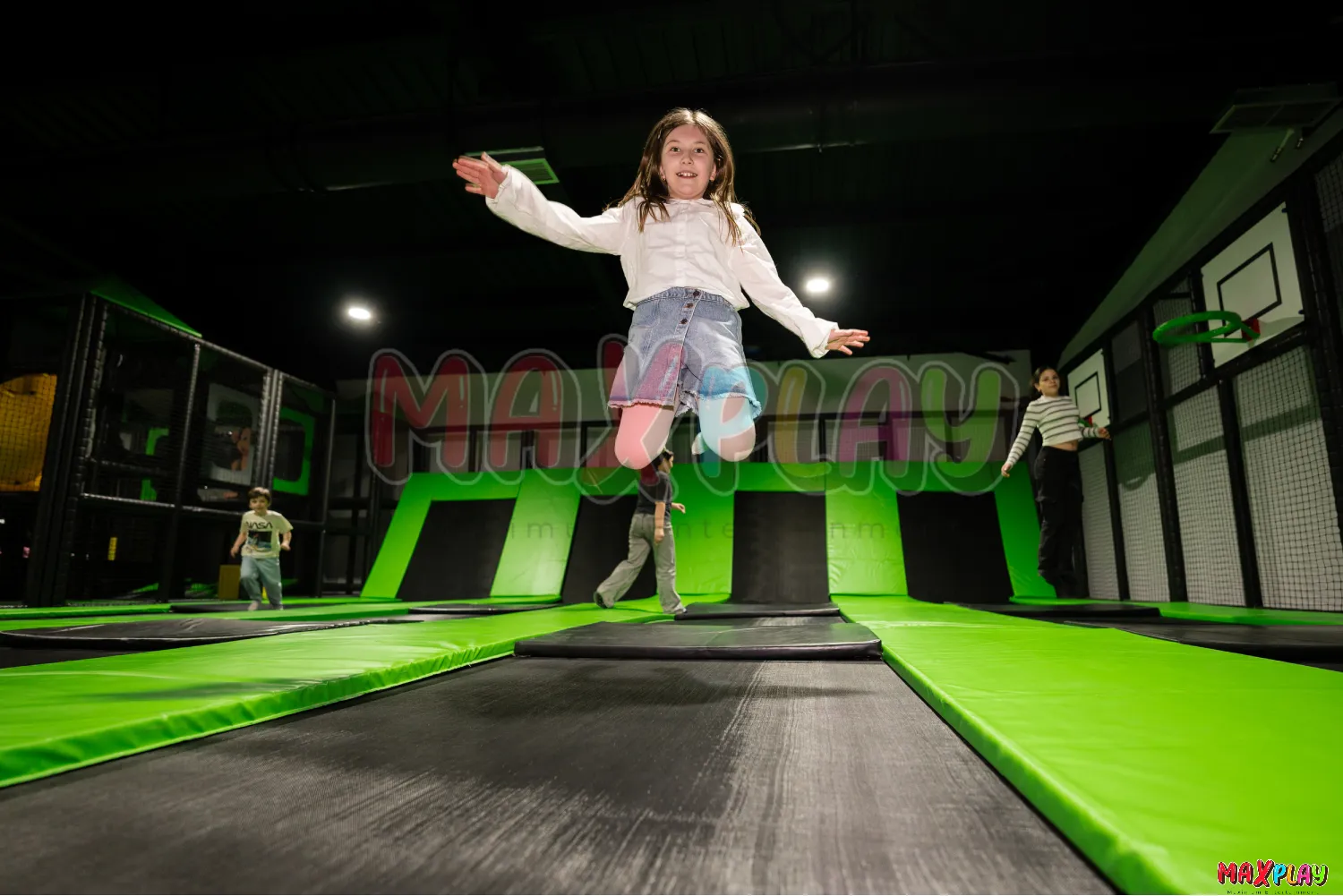
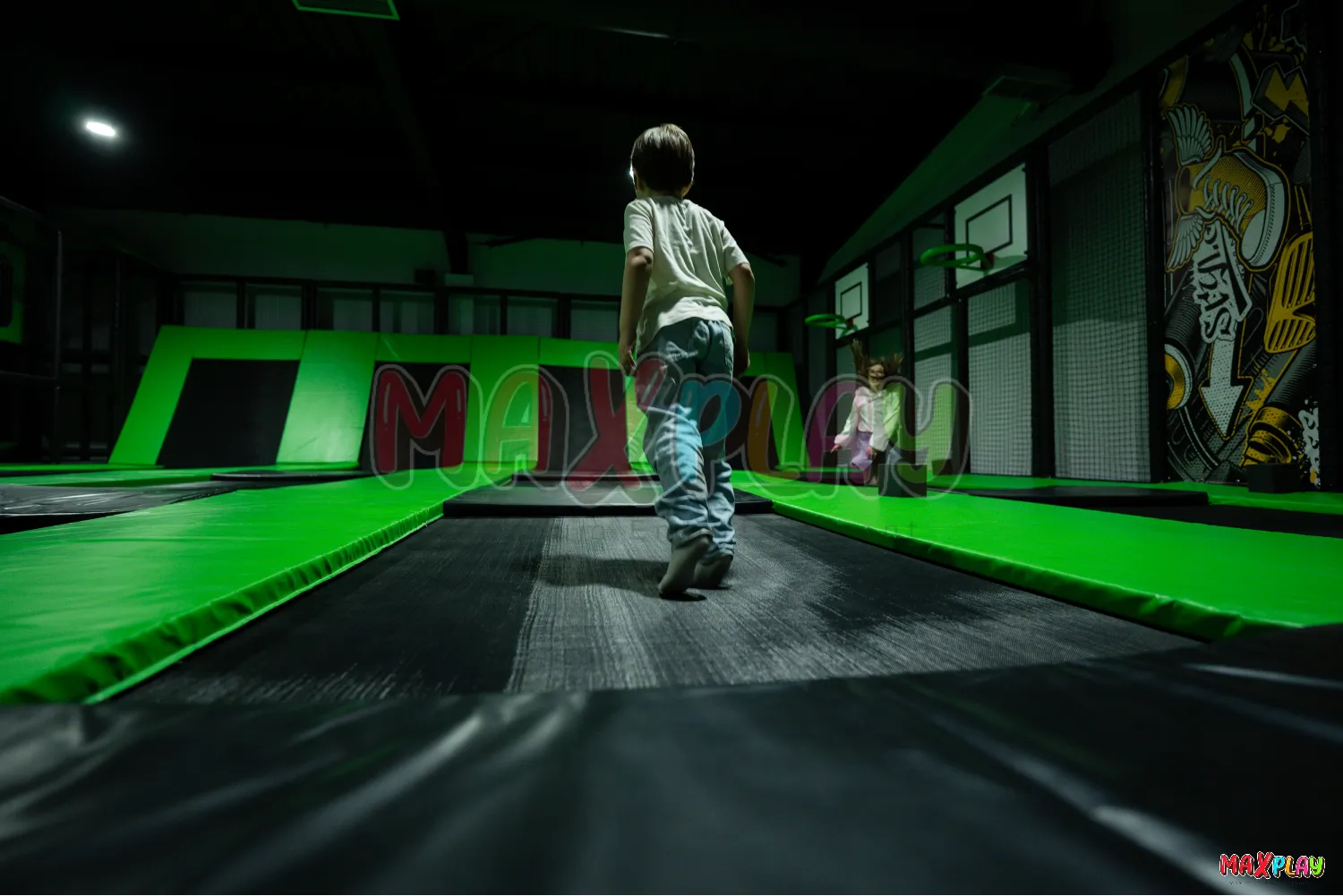
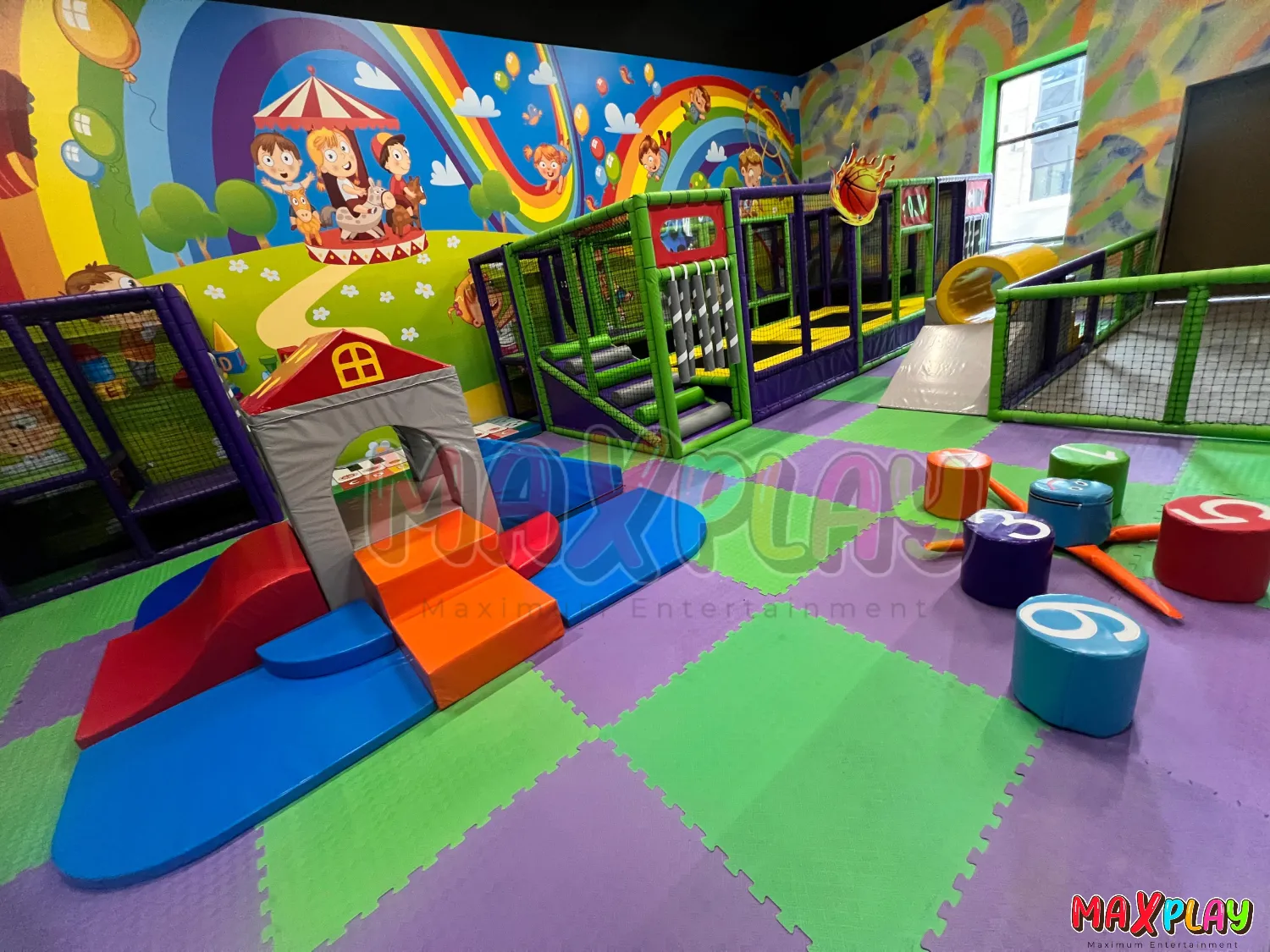
A carefully planned combination may include multi-level soft play structures, dedicated toddler exploration zones, trampoline park equipment, climbing activities, obstacle courses, interactive digital experiences, role-play villages, and educational play elements. Each attraction serves a different behavioural purpose. Toddlers require sensory development and low-impact exploration, while older children seek physical challenges, competition, and social interaction. Designing these areas separately improves safety while increasing visitor satisfaction.
In practical operation, one frequently overlooked issue is traffic distribution. When all high-demand attractions are positioned close together, congestion quickly develops during busy weekends. Experienced designers intentionally distribute major attractions throughout the venue to encourage continuous movement across the facility. This not only improves visitor comfort but also creates better visibility for cafés, seating areas, retail displays, and party rooms, ultimately supporting stronger commercial performance.
Why Romanian Investors Source Indoor Playground Equipment from Turkey?
Romanian developers increasingly compare suppliers not only by equipment prices but also by engineering capability, production quality, project support, and delivery reliability. While many international manufacturers can provide standard products, fewer companies are able to manage an entire commercial entertainment project—from concept development and technical drawings to manufacturing, international shipping, installation, and after-sales support. This integrated approach has made Turkish manufacturers a preferred choice for many commercial developments across Europe.
Another important consideration is total project value rather than initial purchase cost. A lower quotation may appear attractive at first, but extended production schedules, inconsistent quality, limited customization, or delayed logistics often increase the overall investment. Factory-direct production in Türkiye enables investors to work directly with engineers instead of intermediaries, allowing faster design revisions, greater flexibility, and more efficient project management. Compared with many Asian suppliers, Turkish manufacturers often provide significantly shorter lead times while maintaining European-quality production standards. This balance makes them highly competitive against suppliers from China and other manufacturing regions.
In real projects, one of the biggest advantages becomes visible during communication. Technical questions, engineering modifications, installation planning, and production updates can be handled quickly without waiting through multiple distributor layers. Combined with fast road transport to Romania and efficient international logistics, this significantly shortens the overall project timeline and helps investors open their facilities sooner, allowing revenue generation to begin earlier.
MaxPlay Playground Equipment Overview
| Equipment Name | Description | Key Benefits |
| Ball Pool | Colorful pit filled with balls for safe sensory play. | Safe fun for toddlers, easy to clean, encourages motor skills. |
| Trampoline | High-quality indoor trampolines. | Builds balance and strength, child-safe design, durable materials. |
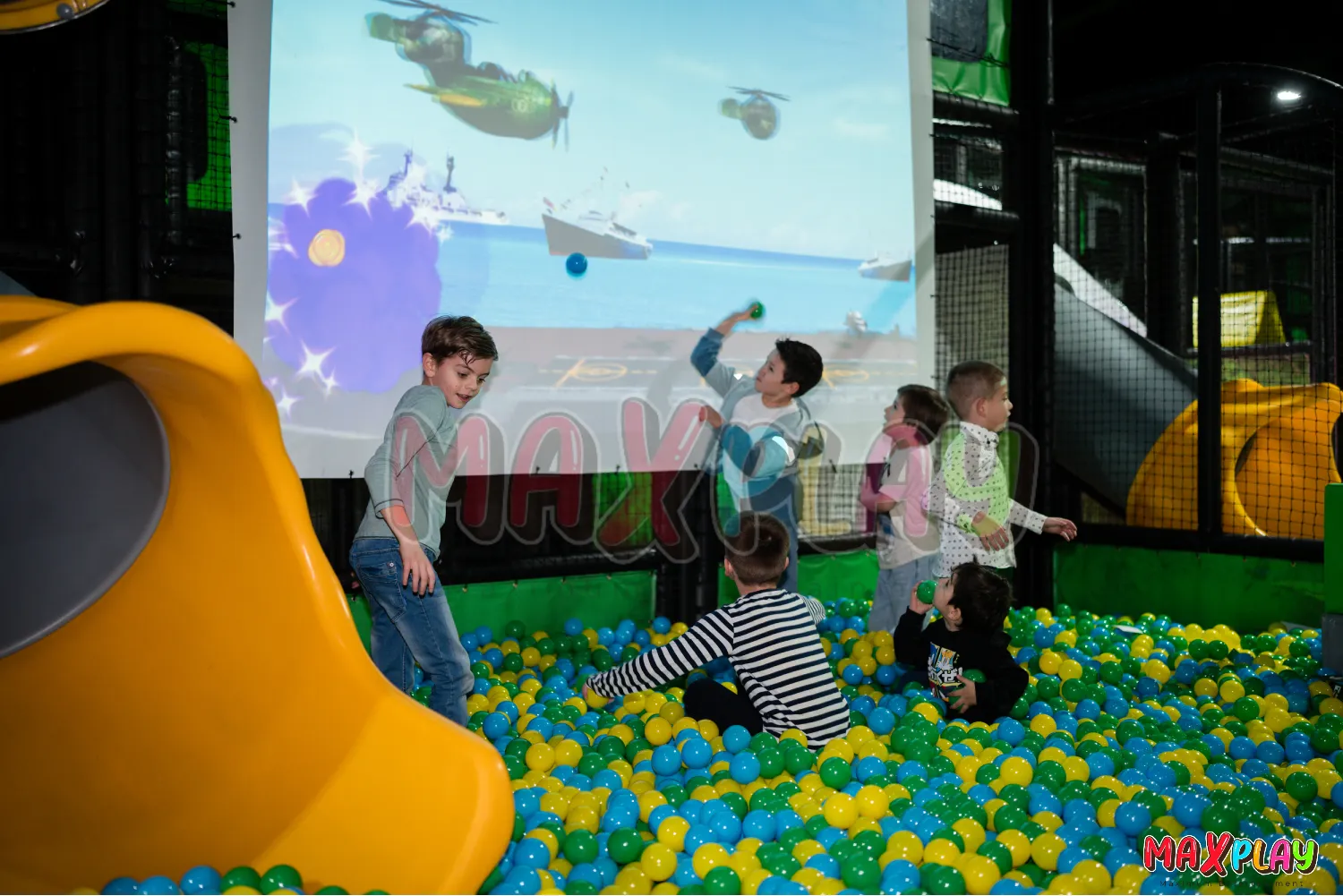
| Interactive Game Sets | Digital and physical interactive play stations. | Boosts learning, cognitive skills, and engagement. |
| Profession Houses | Role-play houses designed for kids. | Encourages creativity, social interaction, and imagination. |
| Trampoline Park | Large-scale trampoline structures. | Suitable for older kids, high durability, safe design. |
| Roller Slide | Conveyor-style (roller) slides for continuous fun. | Efficient design, fun motion play, safe structure. |
| Tower Slide | Tower slides designed for adventure play. | Exciting design, strong safety standards, eye-catching feature. |
| Climbing Wall | Indoor climbing walls. | Builds strength and coordination, safe grips, customizable difficulty levels. |
| Volcano Slide | Volcano-shaped slides with climbing and sliding features. | Combines climbing and sliding, unique design, fun for multiple age groups. |
Bespoke Indoor Playground Design That Maximizes Visitor Flow and Revenue
An attractive playground is not necessarily a profitable one. Commercial success depends on how efficiently visitors move through the venue, how comfortably families spend time inside the facility, and how every operational area supports the business model. Custom-designed environments outperform generic layouts because they are developed around the unique dimensions, customer profile, and operational objectives of each location rather than adapting a standard catalogue design.
Professional space planning considers much more than the placement of play equipment. Reception areas should remain visible from the entrance, seating zones should overlook children’s activities, birthday rooms require controlled accessibility, and circulation routes must minimise congestion during peak operating hours. Emergency exits, maintenance access, staff supervision points, and cleaning procedures should all be incorporated into the initial design instead of becoming later adjustments.
One of the most common mistakes encountered during implementation is trying to maximise equipment density at the expense of visitor comfort. Filling every available square metre with attractions often reduces visibility, creates operational bottlenecks, and limits future flexibility. Experienced designers understand that carefully balanced open spaces, comfortable circulation paths, and clear sightlines improve customer satisfaction, encourage longer visits, and ultimately generate higher revenue per visitor.
From Engineering to Installation: Managing Every Phase of a Turnkey Project
A genuine turnkey project extends far beyond manufacturing playground equipment. Every phase—from concept validation and structural engineering to logistics coordination and final commissioning—must operate according to a detailed schedule. Delays in one stage often affect contractors, electricians, flooring installers, HVAC teams, and interior finishing works, making project coordination just as important as production quality.
The engineering phase includes structural calculations, production drawings, material selection, safety reviews, and manufacturing planning. Once production begins, continuous quality inspections help ensure that every component matches the approved design documentation before packaging. International shipping schedules, customs documentation, installation sequencing, and on-site coordination are then organised to minimise downtime after delivery.
From practical experience, successful installations always begin long before equipment arrives on site. Preparing flooring, electrical infrastructure, ceiling conditions, loading access, and storage areas in advance allows installation teams to work efficiently and avoid unnecessary interruptions. When these preparations are overlooked, even high-quality equipment can experience avoidable installation delays, increasing both costs and project timelines.
Safety Standards, Material Quality and EN1176 Compliance for Commercial Play Areas
Safety represents one of the most important long-term investments in any indoor entertainment facility. Parents may initially be attracted by exciting attractions and creative themes, but they return because they trust the environment. For commercial operators, safety is therefore directly connected to reputation, customer retention, operational continuity, and long-term profitability rather than simple regulatory compliance.
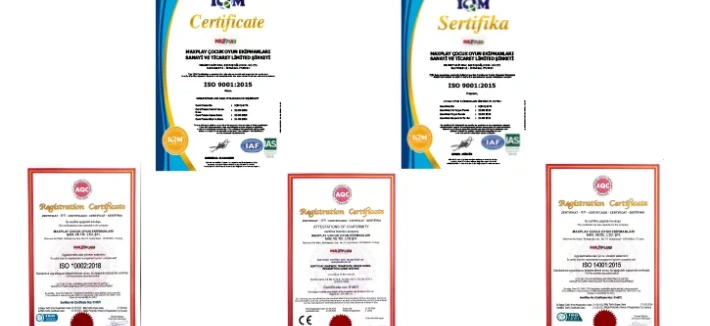
Professional indoor playground systems should be manufactured using certified materials selected specifically for intensive commercial use. High-density protective foam, durable structural steel, wear-resistant netting, reinforced connectors, fire-retardant vinyl surfaces, and hygienic finishing materials all contribute to safer daily operation. Compliance with EN1176 standards demonstrates that the equipment has been engineered according to recognised European playground safety requirements, while certified production processes provide additional confidence for investors operating in regulated commercial environments.
Another aspect often underestimated during purchasing is maintenance accessibility. In everyday operation, components occasionally require inspection, cleaning, replacement, or adjustment. Well-engineered systems are designed to simplify these procedures without requiring extensive downtime. Durable materials, modular construction, and accessible maintenance points reduce operational costs throughout the entire lifecycle of the facility while helping maintain consistent safety performance.
Creating Themed Indoor Play Environments That Encourage Repeat Visits
Today’s families expect more than colourful playground equipment. They are looking for memorable experiences that children want to revisit and parents are happy to recommend. A thoughtfully themed environment transforms a play centre into a destination, creating an emotional connection that encourages repeat visits, birthday celebrations, school events, and family gatherings. This is one of the reasons why modern entertainment venues increasingly invest in custom concepts instead of standard catalogue layouts.
A successful theme extends beyond decorative elements. Colours, lighting, graphics, play activities, circulation routes, interactive features, and even seating areas should contribute to a consistent visitor journey. Adventure jungles, underwater worlds, space missions, medieval castles, urban exploration, or educational discovery concepts each create different emotional responses and appeal to different customer groups. When the theme is integrated into the architectural design rather than added afterward, the entire venue feels more immersive and professionally developed.
In real projects, one of the most frequent planning mistakes is following short-lived design trends. Attractions based on temporary characters or rapidly changing themes often require expensive updates within only a few years. Experienced designers generally recommend timeless concepts that can be refreshed through graphics, lighting, or smaller decorative upgrades without replacing the core play structure. This approach protects the long-term value of the investment while keeping the visitor experience fresh.
Cost Planning Beyond Equipment: Logistics, Installation and Long-Term Operations
Many first-time investors calculate only the purchase price of the playground itself, but the total project budget extends well beyond manufacturing costs. A realistic financial plan should include transportation, customs procedures where applicable, site preparation, installation, flooring, electrical works, lighting integration, branding, operational staffing, maintenance, insurance, and future component replacement. Understanding the complete investment picture from the beginning reduces financial surprises during implementation.
Another important consideration is lifecycle cost rather than purchase price alone. Higher-quality components often require fewer repairs, experience lower wear rates, and minimise operational interruptions over many years. Choosing durable commercial-grade materials may involve a slightly higher initial investment, but it frequently produces significantly lower ownership costs throughout the operating life of the facility. This becomes particularly important in high-traffic locations where equipment is used continuously every day.
One practical advantage for Romanian investors working with Turkish manufacturers is logistics efficiency. Road freight between Türkiye and Romania enables considerably faster delivery than many overseas suppliers, reducing waiting periods before installation begins. Combined with factory-direct manufacturing, competitive production costs, and shorter lead times than many Chinese alternatives, investors benefit from an excellent balance between quality, delivery speed, and overall project value.
Common Planning Mistakes That Delay Indoor Playground Openings
Project delays are rarely caused by manufacturing alone. In practice, the most significant setbacks usually occur because essential planning decisions are postponed until construction has already started. Incomplete architectural drawings, inaccurate site measurements, delayed utility installations, and poor coordination between contractors can all extend opening dates and increase overall project costs.
Another common issue is selecting equipment before defining operational objectives. Every attraction influences staffing requirements, maintenance routines, visitor flow, and future expansion possibilities. Purchasing based solely on appearance or price often creates inefficiencies that become difficult and expensive to correct after installation. Experienced project teams therefore evaluate commercial objectives, customer demographics, expected capacity, and operational workflows before finalising equipment specifications.
Some of the most avoidable delays include:
- Inaccurate floor plans or structural measurements before production begins.
- Insufficient ceiling height or overlooked building restrictions.
- Delayed electrical, HVAC, or flooring completion before installation.
- Poor coordination between architects, contractors, and equipment suppliers.
- Underestimating delivery schedules or customs documentation.
- Staff recruitment and operational training starting too late.
Addressing these factors during the planning stage significantly reduces project risks and allows the venue to open according to schedule.
Preparing Your Indoor Playground for a Successful Launch and Sustainable Growth
Opening day represents the beginning of the business rather than the completion of the project. The most successful family entertainment centres dedicate considerable attention to operational readiness before welcoming their first visitors. Staff training, safety procedures, maintenance schedules, cleaning protocols, customer service standards, ticketing systems, and emergency response planning all influence the quality of the visitor experience from day one.
Real-world operation demonstrates that customer loyalty is built through consistency rather than novelty alone. Families return because the venue remains clean, organised, safe, and professionally managed on every visit. Preventive maintenance programmes, regular equipment inspections, responsive customer service, and continuous operational improvements help protect both visitor satisfaction and long-term profitability. Monitoring customer feedback also provides valuable insights for future attraction upgrades and marketing initiatives.
Long-term growth often comes from diversifying revenue streams instead of relying solely on admission fees. Birthday parties, educational programmes, seasonal events, branded merchandise, cafés, family memberships, and corporate bookings all contribute to stronger financial performance while increasing customer engagement. A well-planned facility is designed with these opportunities in mind from the earliest concept stage rather than attempting to add them later.
Why MaxPlay Is a Trusted Partner for Turnkey Indoor Playground Projects in Romania
Delivering a successful indoor entertainment venue requires much more than manufacturing equipment. It requires engineering expertise, commercial understanding, careful planning, reliable production, efficient logistics, and professional installation. MaxPlay manages every stage of this process under one roof, helping investors transform an initial concept into a fully operational family entertainment destination. From feasibility discussions and bespoke layouts to manufacturing, international delivery, installation, commissioning, and after-sales support, every project is coordinated by experienced specialists focused on long-term operational success.
As one of Türkiye’s experienced indoor playground equipment manufacturers, MaxPlay combines certified production with advanced engineering and extensive international project experience. Every project is individually designed rather than adapted from standard templates, allowing operators to optimise available space while creating engaging visitor experiences. Whether the project includes an indoor play set, interactive playground equipment, trampoline park equipment, a large ball pool, or complete indoor soft playground equipment, every solution is developed for intensive commercial use using certified, child-safe materials manufactured to recognised European quality standards. Factory-direct production, competitive pricing, rapid manufacturing, and fast transportation from Türkiye to Romania allow investors to receive premium-quality systems within shorter delivery schedules than many overseas suppliers.
If you are planning a new family entertainment centre or expanding an existing venue, partnering with an experienced indoor playground supplier from the earliest planning stage can significantly improve both project efficiency and long-term profitability. MaxPlay provides soft play equipment wholesale, custom engineering, complimentary project planning, transparent budgeting, and complete turnkey execution tailored to your commercial objectives.