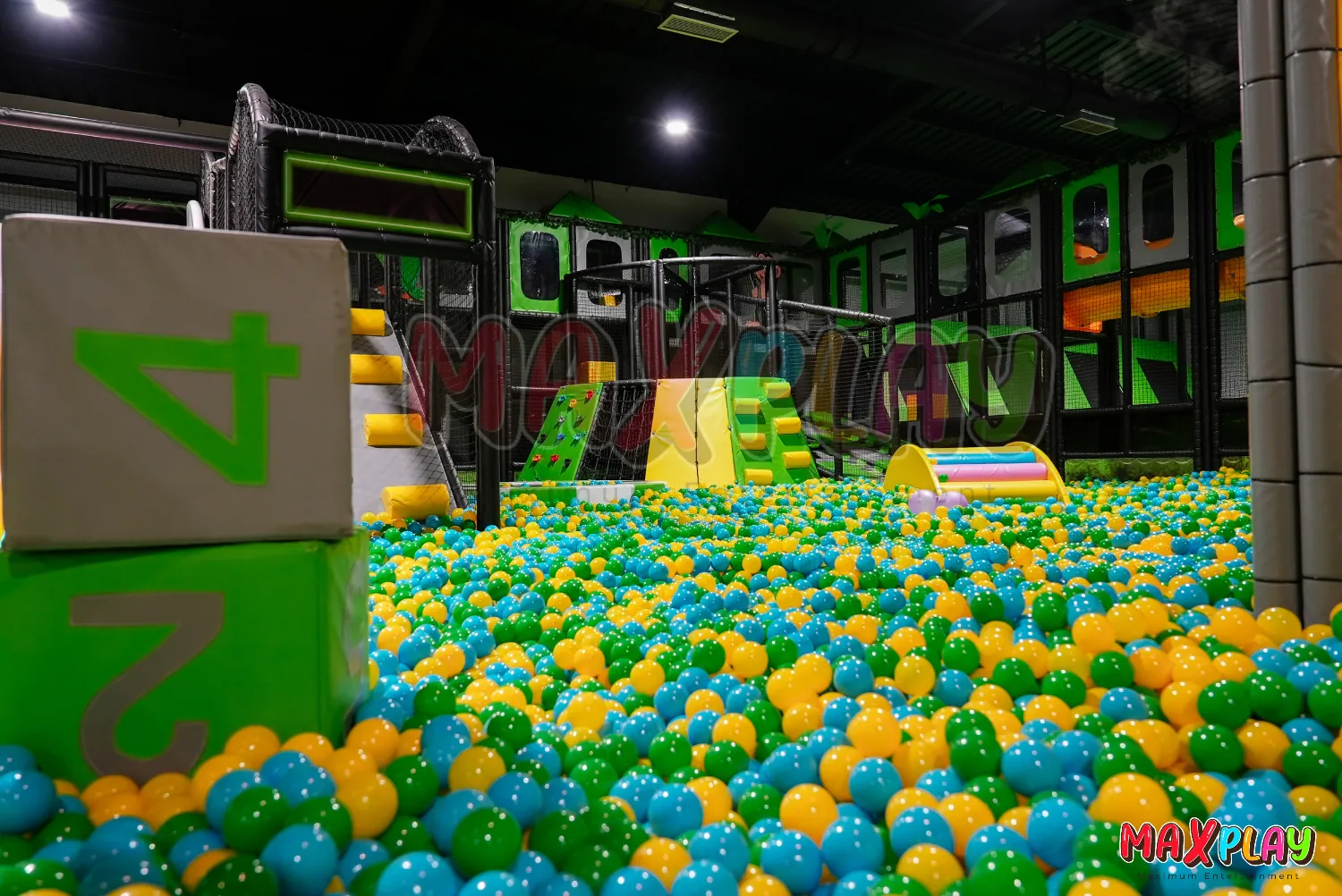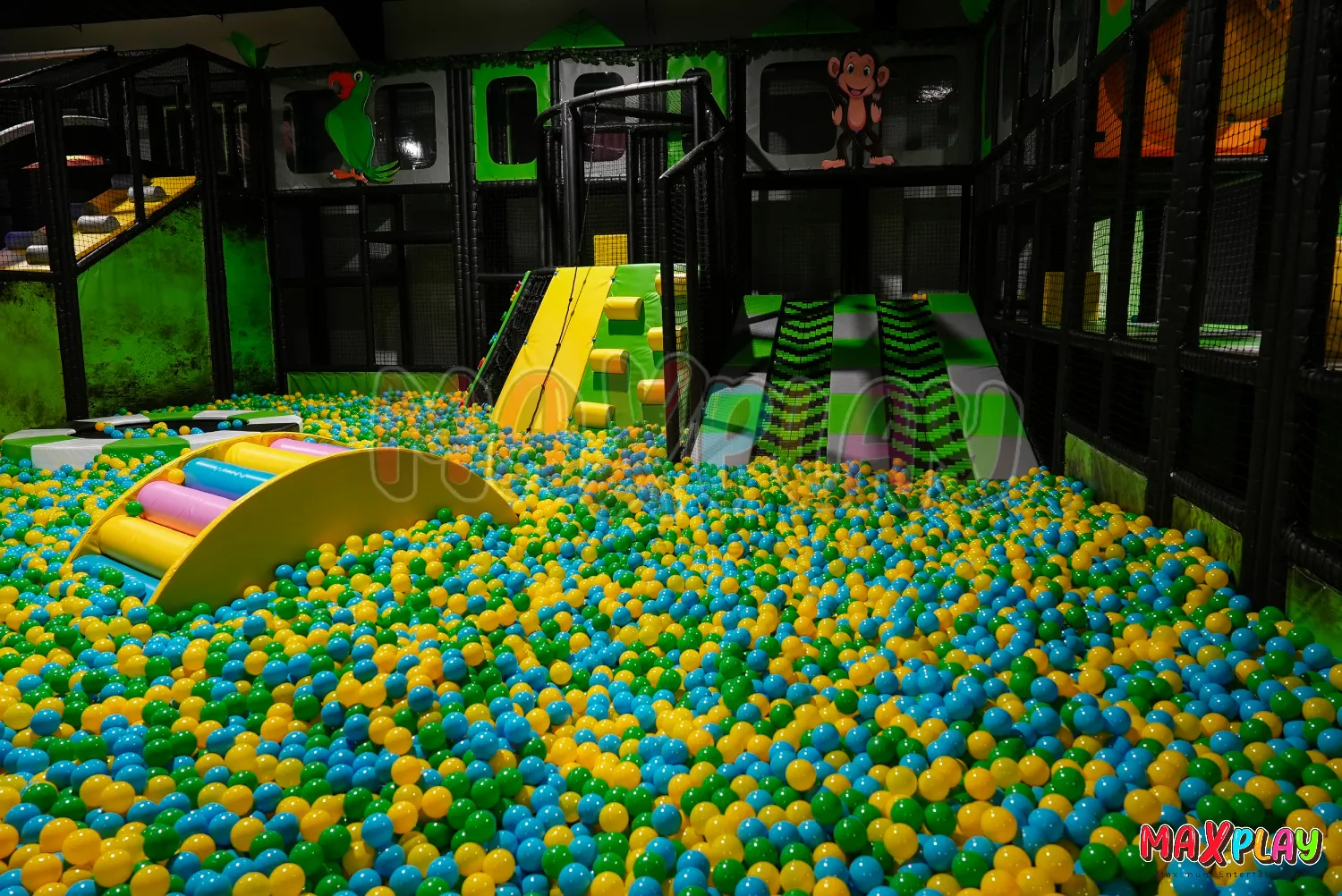







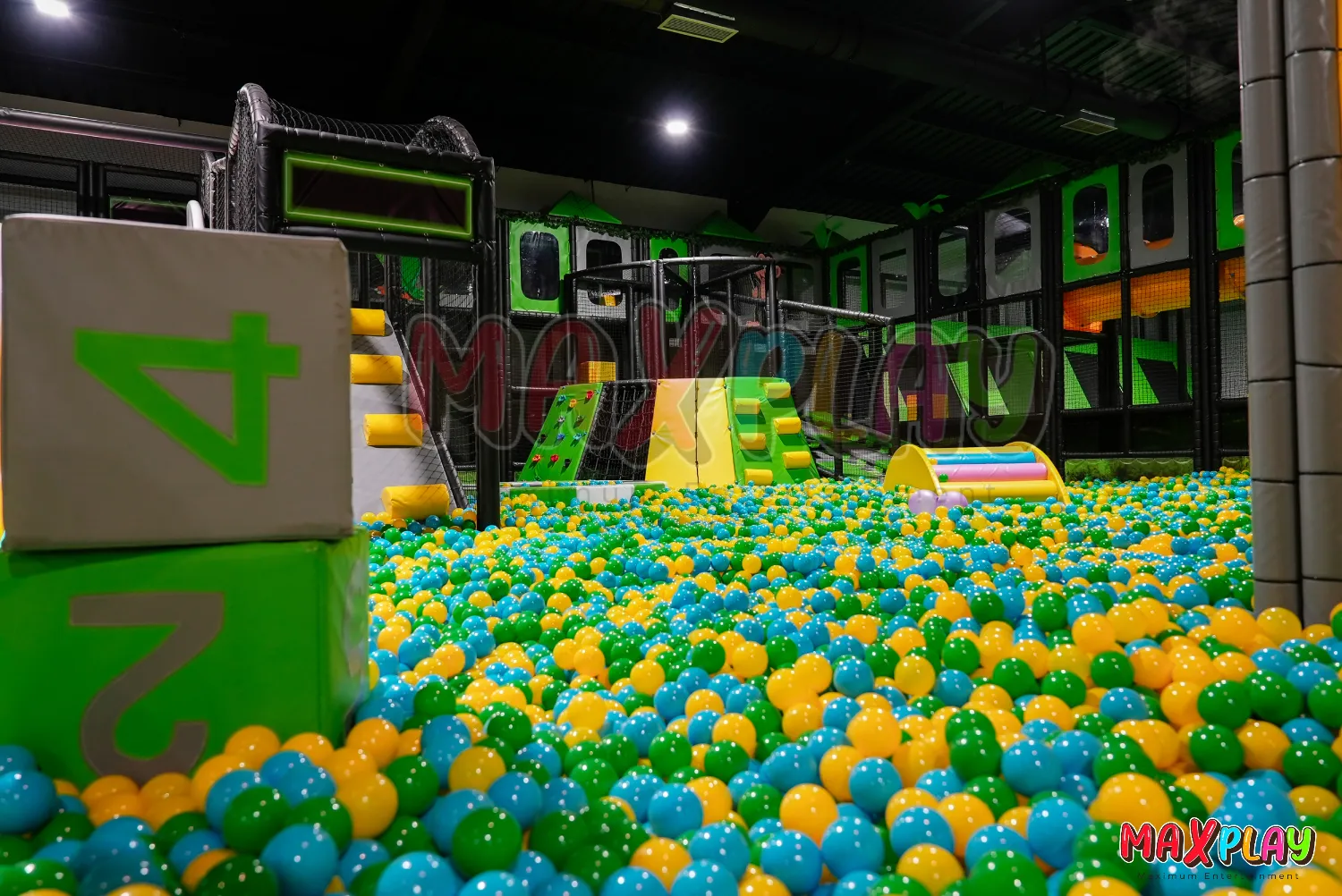
Indoor Playground Factories in Germany: A Look at the Production Process
Germany has become one of Europe’s most mature markets for commercial indoor recreation, with growing demand from shopping centres, leisure complexes, hotels, restaurants, educational facilities, and modern family entertainment centre operators. While many buyers initially search for Indoor Playground Factories in Germany, experienced investors quickly realize that selecting the right manufacturing partner is far more important than simply choosing a factory based on location. Design expertise, engineering capability, certified production, customization flexibility, installation experience, and long-term operational performance have a much greater impact on the success of a commercial play project.
As MaxPlay Playground Equipment, we provide professional solutions for indoor playgrounds and soft play areas. We design, manufacture, install, and assemble indoor playground equipment and soft play systems for commercial spaces. Contact us for turnkey indoor playground projects.
| Landline: | 0216 377 10 88 |
| Mobile / WhatsApp: | 0532 069 53 17 |
| E-Mail: | info@maxplay.com.tr |
| Address: | Google Maps |
You can contact us for all your projects across Türkiye and international markets.
Our Services:
- Trampoline Manufacturing – Trampoline Park Installation
- Ball Pit Manufacturing – Ball Pit Playground Installations (with slides, etc.)
- Interactive Play Systems (Moving Soft Play Toys & Equipment)
- Sand Pit – Sand Play Areas
- Playgrounds and Role-Play Houses for Kindergartens & Nurseries
- Indoor playgrounds for businesses such as shopping malls, cafés, restaurants, etc.
- And all customized playground projects tailored to your specific needs.
Today’s operators are looking beyond standard indoor play set solutions. They require integrated commercial indoor playground environments capable of attracting repeat visitors, maximizing throughput, reducing maintenance costs, and delivering memorable customer experiences. This shift has transformed the market from equipment purchasing into complete entertainment project development, where engineering and operational planning begin long before production starts.
European investors increasingly collaborate with Turkish manufacturers because they combine advanced engineering with flexible production capacity and shorter delivery times. Companies such as MaxPlay manage the entire process—from concept development and structural engineering to manufacturing, international logistics, installation, and after-sales support—providing turnkey solutions tailored to each project rather than offering standardized catalog products.
Understanding How Commercial Indoor Play Equipment Is Manufactured
Commercial playground manufacturing is a multidisciplinary engineering process rather than conventional equipment production. Every successful project begins by understanding the available space, customer demographics, visitor flow, expected daily capacity, emergency evacuation routes, ceiling height, and operational objectives.
In practice, one of the most common situations encountered during commercial projects is that building owners focus primarily on floor dimensions while overlooking ceiling clearance, structural load capacity, maintenance access, or circulation routes. These factors significantly influence the final design. Experienced manufacturers evaluate the entire environment before proposing a solution, ensuring that every component contributes to safe and efficient operation.
The engineering workflow typically includes:
- Site analysis and dimensional verification
- Visitor capacity calculations
- Structural engineering
- 3D concept development
- Manufacturing drawings
- Material selection
- Production planning
- Quality inspections
- Installation scheduling
Unlike residential products, indoor soft playground equipment is built to withstand continuous daily use by hundreds of children. Steel frameworks are designed to distribute loads efficiently, while protective padding, safety nets, connectors, and modular platforms are integrated into a cohesive structure. Every connection point is engineered for durability, ease of maintenance, and long service life.
Modern soft play manufacturing also incorporates digital fabrication technologies such as CNC machining, laser cutting, robotic welding, and precision powder coating. These technologies reduce production tolerances and improve consistency across large-scale projects, particularly for international installations.
Safety Standards & Certifications: The Backbone of European Play Zones
Safety is the defining factor that separates commercial-grade equipment from recreational products. European buyers prioritize compliance because certification directly influences insurance approvals, operational licensing, and long-term liability management.
Professional manufacturers build their systems around EN 1176 and EN 1177 compliance, ensuring that every structural element, impact surface, access point, protective barrier, and play component satisfies internationally recognized safety requirements. Compliance is not limited to the finished product; it begins during engineering and continues throughout production, testing, and installation.
One aspect often underestimated in real projects is the relationship between structural engineering and user behavior. Children rarely interact with equipment exactly as designers predict. They climb, jump, run, and play dynamically, creating complex load scenarios. For this reason, professional engineering considers dynamic movement rather than static calculations alone.
Manufacturers committed to quality also incorporate:
- Fire-retardant play structures using certified materials suitable for indoor commercial environments.
- Professional impact attenuation testing for landing zones and critical play areas.
- Compliance with applicable German safety regulations (DIN standards) where project specifications require national adaptations alongside European regulations.
- Routine production inspections to verify dimensional accuracy and component integrity.
High-quality systems are also manufactured using child-safe raw materials that comply with European chemical safety requirements. Foam, plastics, coatings, and protective coverings are selected not only for durability but also for hygiene, cleanability, and long-term indoor use.
For commercial operators, certified production reduces operational risks while increasing customer confidence. It also simplifies approval procedures for municipalities, insurance providers, and commercial property owners.
Why European Buyers Source Indoor Play Systems from Turkey?
Over the last decade, Turkey has become one of Europe’s strongest manufacturing hubs for commercial entertainment equipment. This growth is driven not only by competitive pricing but also by advanced engineering capabilities, modern production facilities, and extensive experience serving international markets.
One practical advantage frequently appreciated by German investors is production flexibility. While many manufacturers offer standardized catalog models, Turkish producers often develop completely customized layouts based on each client’s building dimensions, business model, and target audience. This approach allows operators to maximize usable space instead of adapting their facility to predefined equipment sizes.
Turkey also offers strategic commercial benefits that directly affect project timelines and investment efficiency.
The advantages include:
- Customs Union agreement advantages (Duty-free trade) that facilitate commercial exchange with many European markets.
- Strong geographical proximity to Germany, reducing transportation complexity compared with overseas suppliers.
- Rapid overland transit and logistics, enabling significantly shorter delivery schedules than intercontinental shipping.
- A well-established cost-efficient manufacturing hub supported by experienced industrial infrastructure and export-oriented production.
For developers working within strict opening schedules, shorter lead times can have a measurable financial impact. Earlier installation often means earlier revenue generation, making logistics efficiency an important part of overall project profitability rather than simply a transportation issue.
The Custom Design Phase: From CAD Blueprint to Structural Engineering
Every successful indoor playground begins long before production starts. The design phase determines not only how attractive the playground will appear but also how efficiently visitors move through the space, how safely equipment performs, and how effectively the operator utilizes available square meters.
Professional manufacturers start by developing detailed CAD layouts that translate architectural drawings into engineered play environments. Structural engineers calculate support systems, platform loads, suspended elements, climbing zones, and slide integration before manufacturing begins.
In real-world applications, one of the most frequent challenges is balancing excitement with operational efficiency. Adding more attractions does not automatically improve visitor satisfaction. Instead, experienced designers create activity sequences that distribute children naturally throughout the playground, reducing congestion and improving supervision.
This engineering process commonly includes custom playground engineering, allowing designers to integrate:
- Multi-level adventure zones
- Interactive activity stations
- Age-separated play areas
- Parent observation zones
- Emergency exits
- Maintenance access routes
- Future expansion capability
Rather than focusing solely on aesthetics, professional engineering ensures that every attraction contributes to visitor engagement, operational safety, maintenance efficiency, and long-term commercial performance.
Which Indoor Playground Concepts Are Most Popular in Germany?
German leisure operators increasingly prefer indoor attractions that provide more than traditional climbing frames and slides. Families now expect immersive experiences where physical activity, creativity, and social interaction are combined within a single destination. As a result, modern commercial indoor playground concepts are designed to keep children engaged for longer periods while encouraging repeat visits.
One of the most noticeable shifts in recent projects is the growing demand for activity zoning. Instead of placing every attraction in one open space, designers divide the facility into interconnected experiences that appeal to different age groups and interests. This approach improves visitor circulation while allowing parents to supervise children more comfortably.
Popular concepts currently include multi-level children’s activity area layouts with dedicated toddler zones, adventure sections, sensory experiences, climbing challenges, and interactive digital attractions. Carefully planned transitions between these zones reduce congestion during peak hours and create a more balanced visitor flow.
Another trend is the integration of several attractions into one destination rather than investing in standalone products. Modern projects frequently combine ball pool systems, interactive climbing activities, slides, and obstacle courses with digital games to increase overall play value without requiring additional floor space.
MaxPlay Playground Equipment Overview
| Equipment Name | Description | Key Benefits |
| Ball Pool | Colorful pit filled with balls for safe sensory play. | Safe fun for toddlers, easy to clean, encourages motor skills. |
| Trampoline | High-quality indoor trampolines. | Builds balance and strength, child-safe design, durable materials. |
| Interactive Game Sets | Digital and physical interactive play stations. | Boosts learning, cognitive skills, and engagement. |
| Profession Houses | Role-play houses designed for kids. | Encourages creativity, social interaction, and imagination. |
| Trampoline Park | Large-scale trampoline structures. | Suitable for older kids, high durability, safe design. |
| Roller Slide | Conveyor-style (roller) slides for continuous fun. | Efficient design, fun motion play, safe structure. |
| Tower Slide | Tower slides designed for adventure play. | Exciting design, strong safety standards, eye-catching feature. |
| Climbing Wall | Indoor climbing walls. | Builds strength and coordination, safe grips, customizable difficulty levels. |
| Volcano Slide | Volcano-shaped slides with climbing and sliding features. | Combines climbing and sliding, unique design, fun for multiple age groups. |
Custom-Themed Play Environments for Family Entertainment Centres
Theme development has become one of the strongest differentiators in today’s entertainment industry. Rather than purchasing standard equipment with generic colors, operators increasingly request customized environments that reinforce their brand identity and create memorable visitor experiences.
A professionally designed family entertainment centre often incorporates architecture, graphics, lighting, storytelling, and activity planning into a unified concept. Every component—from entrance features to climbing towers—is developed around a consistent visual narrative.
In practice, themed environments also provide measurable commercial benefits. Unique attractions are easier to promote through social media, encourage repeat family visits, and strengthen customer recognition. Operators frequently report that distinctive environments generate more organic online sharing than conventional play areas.
Popular themed play equipment concepts include:
- Jungle adventure parks
- Space exploration environments
- Underwater worlds
- Medieval castles
- Pirate villages
- Urban adventure cities
- Science and discovery themes
- Nature-inspired educational playgrounds
Beyond aesthetics, experienced manufacturers ensure that decorative elements never compromise structural safety or maintenance accessibility. Every themed component must remain practical for daily commercial operation while maintaining its visual appeal over many years.
Sourcing from Turkey: The Strategic Gateway for German Play Operators
Selecting the right manufacturing country influences project budgets, timelines, logistics, and future maintenance. For many German operators, Turkey has become a preferred sourcing destination because it offers a balanced combination of engineering quality, production flexibility, and transportation efficiency.
Unlike overseas procurement, sourcing from Turkey allows buyers to communicate directly with engineering teams throughout the project. This improves coordination during revisions, accelerates approval processes, and reduces misunderstandings during production.
From an operational perspective, proximity creates another important advantage. Spare parts, additional modules, replacement components, and future expansions can be supplied much faster than when working with distant manufacturers. This flexibility becomes particularly valuable for growing entertainment businesses.
Many commercial developers also appreciate Turkey’s established export infrastructure. Efficient container shipping, well-developed road freight networks, and reliable customs procedures contribute to predictable delivery schedules across Germany.
The combination of shorter transit distances and experienced export management helps minimize project delays while reducing transportation-related risks that are often associated with long-distance international shipments.
Why Turkish Manufacturers Offer Better Cost-to-Value Ratios?
Cost alone should never determine the selection of a commercial playground manufacturer. The true investment value lies in durability, operational reliability, engineering quality, maintenance costs, and long-term visitor satisfaction.
One misconception frequently encountered during procurement is the assumption that the lowest quotation represents the best financial decision. In reality, poorly engineered equipment often generates significantly higher lifetime costs through maintenance, replacement parts, operational interruptions, and customer dissatisfaction.
Turkish manufacturers have established a competitive position by balancing production efficiency with premium engineering standards. Modern factories utilize advanced CNC production, robotic welding, precision finishing, and rigorous quality control while maintaining lower operational costs than many Western European facilities.
Compared with many Asian suppliers, particularly China, Turkish manufacturers often provide:
- Faster production schedules
- Shorter delivery times
- Higher engineering flexibility
- Easier project communication
- Better adaptation to European standards
- Simplified after-sales support
This combination allows operators to receive first-class quality at highly competitive prices without compromising certification, safety, or customization. Instead of competing solely on price, Turkish manufacturers compete through overall project value, lifecycle performance, and responsive customer support.
Furthermore, child-safe production processes, certified raw materials, hygienic surface finishes, and premium structural components contribute to longer equipment lifespan and lower maintenance requirements throughout commercial operation.
Logistics and Installation Across Germany
Efficient logistics planning begins long before production is completed. Every large-scale playground project must be designed with transportation, packaging, customs procedures, unloading, and installation requirements already incorporated into the manufacturing process.
Professional manufacturers prepare every module according to optimized shipping dimensions while ensuring structural integrity during international transport. Components are labeled systematically to simplify installation once they arrive on site.
In real installations, one of the most common issues is inadequate coordination between delivery schedules and construction progress. If flooring, electrical systems, HVAC installations, or ceiling works are incomplete, installation teams may experience unnecessary delays. Experienced project managers coordinate closely with contractors to avoid these disruptions.
A comprehensive turnkey playground project typically includes:
- Export documentation
- Protective packaging
- International freight coordination
- Customs documentation
- Delivery scheduling
- Professional installation planning
- On-site assembly supervision
- Final safety inspection
Turkey’s strategic location enables rapid transportation into Germany through efficient road freight corridors. Compared with intercontinental shipping, significantly shorter transit times help operators maintain opening schedules and reduce inventory waiting periods.
How to Choose the Right Manufacturing Partner?
Choosing a playground manufacturer involves evaluating much more than product photographs or pricing proposals. A reliable partner demonstrates engineering capability, production transparency, international project experience, and long-term commitment to customer support.
One practical indicator is whether the manufacturer discusses operational requirements before recommending equipment. Experienced suppliers ask detailed questions about visitor demographics, expected capacity, business objectives, ceiling height, building regulations, and maintenance planning before preparing a proposal.
Buyers should carefully evaluate several factors:
- Engineering expertise
- Manufacturing capabilities
- International references
- Compliance documentation
- Installation experience
- Production quality control
- Spare parts availability
- Long-term technical support
Companies operating as an integrated indoor playground supplier, soft play manufacturers, and trampoline park manufacturer generally offer greater project consistency because design, engineering, manufacturing, and installation remain under one management structure.
Working with a manufacturer rather than an intermediary also provides direct communication with engineers, allowing faster revisions, better technical coordination, and improved project accuracy throughout development.
Common Mistakes When Importing Indoor Play Equipment
Importing commercial playground equipment involves far more than comparing quotations or selecting attractive product images. Many project delays, unexpected costs, and operational problems originate during the procurement stage rather than during manufacturing. Buyers who understand the complete project lifecycle make significantly better investment decisions.
One of the most common situations encountered in real projects is that operators evaluate suppliers primarily on unit price while overlooking engineering documentation, production quality, logistics planning, installation methodology, and after-sales support. A lower initial quotation can quickly become more expensive if replacement parts, structural modifications, or extended installation periods are required.
Another frequent mistake is assuming that all indoor playground equipment manufacturers deliver identical standards. In reality, production methods, material quality, structural calculations, and testing procedures vary considerably. Professional manufacturers document each stage of production and ensure that structural integrity, finish quality, and installation accuracy meet commercial expectations.
Buyers should also avoid choosing equipment solely based on catalog appearance. A visually attractive design may not provide efficient visitor circulation, optimal capacity, or long-term durability. Successful projects balance aesthetics with operational efficiency, maintenance accessibility, and business profitability.
Additional procurement risks include:
- Selecting suppliers without proven export experience.
- Ignoring future maintenance and spare parts availability.
- Underestimating installation requirements.
- Failing to verify certification documentation.
- Choosing non-modular systems that limit future expansion.
- Prioritizing purchase price instead of lifecycle value.
Professional manufacturers minimize these risks through detailed engineering reviews, transparent production planning, comprehensive documentation, and project management that extends beyond factory delivery.
Future Trends in Children’s Indoor Recreation Spaces
The indoor entertainment industry continues to evolve as visitor expectations change and operators seek higher returns on investment. Today’s successful facilities are designed not simply as playgrounds but as destinations that combine physical activity, creativity, education, and digital interaction within a single environment.
One emerging trend is the integration of interactive playground equipment that responds to movement, sound, and touch. These technologies encourage active participation while creating dynamic play experiences that remain engaging even after multiple visits. Rather than replacing traditional play structures, interactive elements enhance them by adding new layers of engagement.
Another important development is the growing popularity of modular expansion strategies. Instead of constructing a fixed facility with limited flexibility, operators increasingly invest in modular play systems that can be expanded as visitor demand grows. This approach allows businesses to introduce new attractions without interrupting existing operations.
Adventure-based activities are also becoming central to modern indoor recreation. Multi-level obstacle courses, rope adventure elements, advanced climbing structures, and integrated trampoline integration solutions encourage longer visitor stays and appeal to broader age groups. These attractions transform a conventional playground into a comprehensive entertainment destination suitable for children, teenagers, and families.
Health and sustainability are equally influential in purchasing decisions. Commercial operators increasingly request child-safe materials, hygienic surface finishes, environmentally responsible production processes, and certified components that support healthier indoor environments. Manufacturers investing in sustainable production are becoming preferred partners for long-term commercial developments.
Looking ahead, operators are expected to prioritize adaptable entertainment environments capable of evolving alongside customer expectations. Flexible engineering, digital interaction, and scalable layouts will play an increasingly important role in future play centre development projects across Europe.
Why MaxPlay Is Trusted by International Playground Investors?
Selecting a manufacturing partner is ultimately a decision about long-term business performance. Investors require more than attractive equipment—they need dependable engineering, certified production, predictable delivery schedules, and professional project management from concept to installation.
MaxPlay has established its reputation as a professional indoor playground supplier by managing every stage of the project under one roof. Design, structural engineering, manufacturing, quality control, international logistics, installation, and after-sales support are coordinated through a single integrated workflow. This approach reduces communication gaps, accelerates project execution, and ensures consistent quality throughout every phase.
Unlike companies that simply distribute catalog products, MaxPlay develops fully customized commercial indoor playground environments based on each client’s building dimensions, operational objectives, visitor capacity, and brand identity. Every project is engineered individually, allowing entertainment operators to maximize available space while delivering engaging experiences for children of different age groups.
Production takes place using advanced manufacturing technologies and premium materials suitable for intensive commercial use. High-strength steel structures, impact-resistant soft components, child-safe finishes, precision-engineered connectors, and durable protective systems contribute to reliable long-term performance. Every project is manufactured with European safety standards in mind, incorporating certified materials, hygienic production methods, and engineering practices aligned with international commercial requirements.
From a commercial perspective, one of MaxPlay’s strongest advantages is its ability to combine first-class manufacturing quality with competitive pricing. Compared with many suppliers from China and other overseas markets, Turkish production offers shorter lead times, faster overland transportation, simplified communication, and greater flexibility throughout the design process. Customers benefit from premium engineering without the extended delivery schedules often associated with long-distance manufacturing.
International logistics represent another important strength. Germany can be supplied quickly through efficient road transportation networks, reducing transit times while improving project scheduling reliability. Professional export management, optimized packaging, comprehensive shipping documentation, and coordinated installation planning ensure that every project progresses smoothly from factory to final assembly.
Whether the project involves a boutique children’s activity space, a large-scale family entertainment centre, an integrated trampoline park equipment installation, or a fully themed recreational destination, MaxPlay delivers engineering-driven solutions designed for commercial success. Every project is supported by experienced designers, engineers, production specialists, and installation professionals working together to achieve long-term operational value.
If you are planning your next playground investment, looking for reliable OEM manufacturing, or searching for an experienced amusement equipment supplier capable of delivering a fully customized solution, MaxPlay is ready to support your project from the earliest planning stage. Project planning and concept development are provided free of charge, allowing you to evaluate the most efficient layout before production begins. Contact our team today to discuss your requirements and request your complimentary project proposal for a turnkey indoor entertainment solution tailored to your business goals.