






Interactive Indoor Playground Equipment in the Netherlands: Features That Stand Out
The Dutch leisure industry has rapidly evolved over the past decade, and Interactive Indoor Playground Equipment in the Netherlands has become a key investment area for operators seeking to create memorable family experiences. Today’s visitors expect far more than colourful climbing frames or traditional play structures. Parents look for engaging environments that encourage movement, creativity, problem-solving, and social interaction while maintaining the highest safety standards. At the same time, commercial operators require attractions that maximize visitor retention, generate repeat business, and remain durable under continuous daily use.
As MaxPlay Playground Equipment, we provide professional solutions for indoor playgrounds and soft play areas. We design, manufacture, install, and assemble indoor playground equipment and soft play systems for commercial spaces. Contact us for turnkey indoor playground projects.
| Landline: | 0216 377 10 88 |
| Mobile / WhatsApp: | 0532 069 53 17 |
| E-Mail: | info@maxplay.com.tr |
| Address: | Google Maps |
You can contact us for all your projects across Türkiye and international markets.
Our Services:
- Trampoline Manufacturing – Trampoline Park Installation
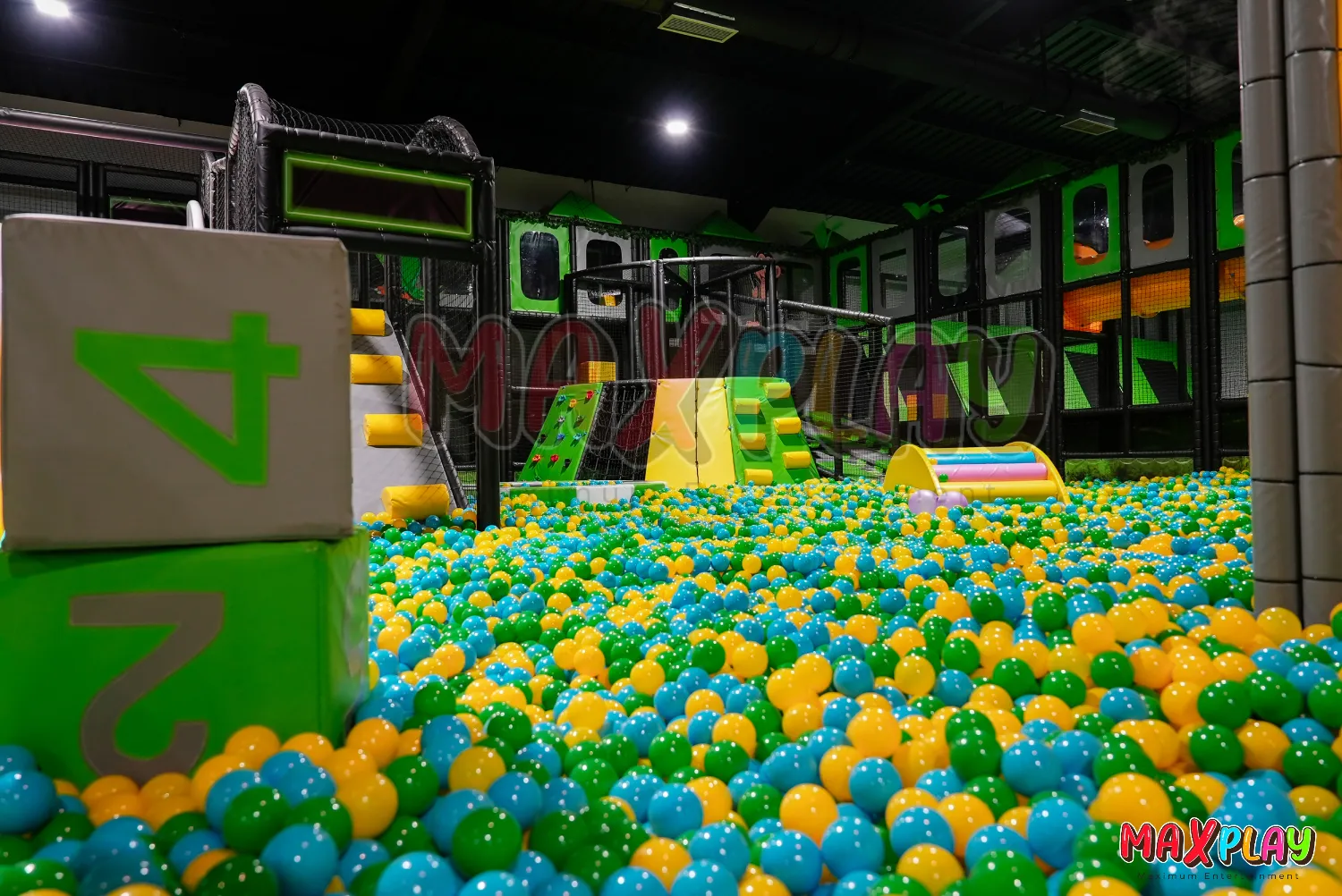
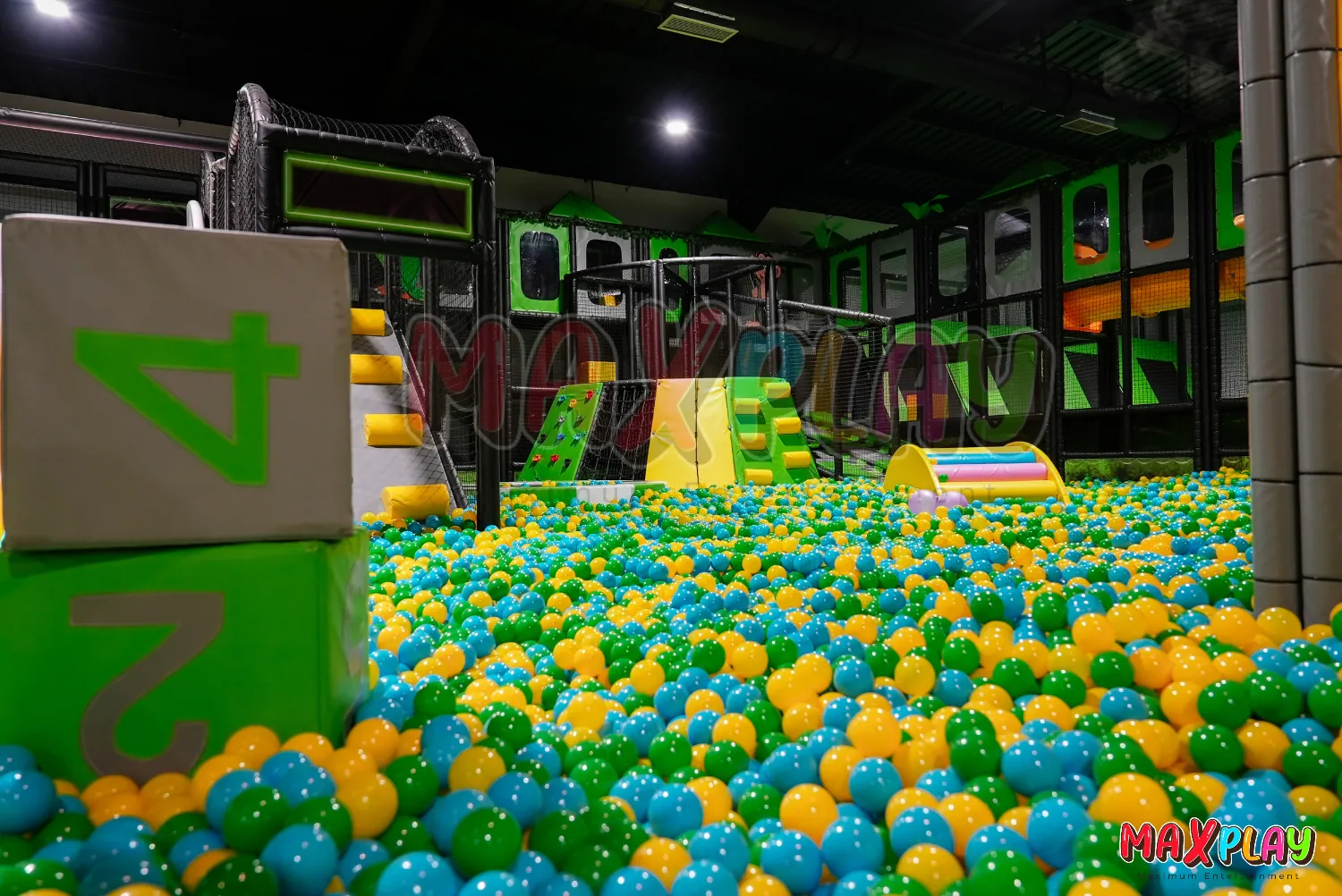
- Ball Pit Manufacturing – Ball Pit Playground Installations (with slides, etc.)
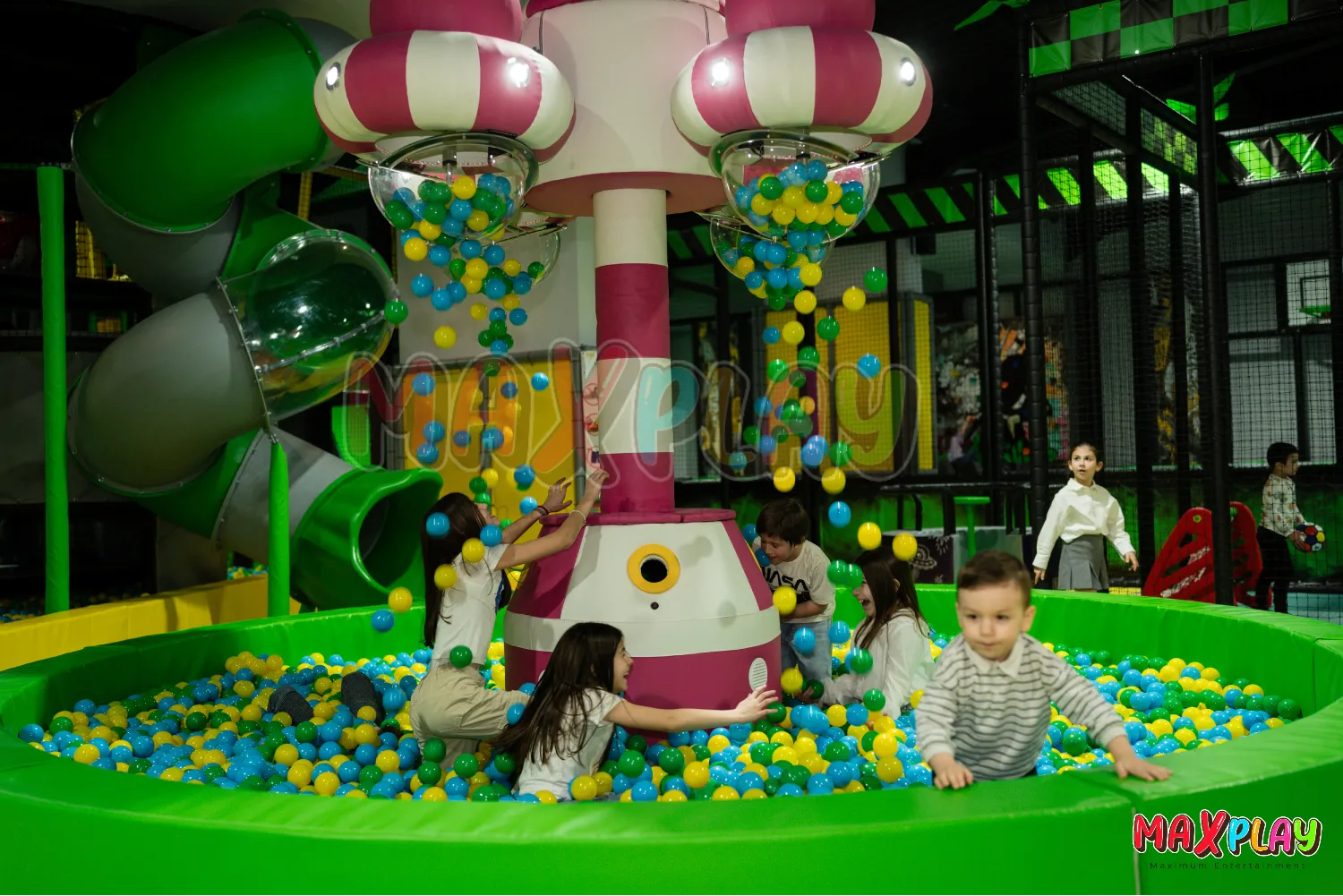
- Interactive Play Systems (Moving Soft Play Toys & Equipment)
- Sand Pit – Sand Play Areas
- Playgrounds and Role-Play Houses for Kindergartens & Nurseries
- Indoor playgrounds for businesses such as shopping malls, cafés, restaurants, etc.
- And all customized playground projects tailored to your specific needs.
This shift has transformed how modern entertainment venues are designed. Instead of treating play equipment as standalone products, successful projects now integrate digital interaction, themed environments, advanced engineering, and visitor flow planning into one cohesive experience. Whether the venue is a shopping mall, family entertainment center, hotel, restaurant, or children’s activity facility, operators increasingly prioritize scalable systems that can evolve alongside changing consumer expectations. This is precisely where experienced indoor playground equipment manufacturers distinguish themselves—not only through manufacturing quality but also through engineering expertise, project planning, and long-term operational understanding.
The Evolution of Indoor Play in the Netherlands: Moving Beyond Static Soft Play
Dutch family entertainment centers have experienced a noticeable shift in visitor expectations. Traditional climbing frames, plastic tunnels, and standard slides still have their place, but they are no longer enough to differentiate a commercial venue in a competitive market. Families increasingly seek destinations where children remain physically active while interacting with technology in meaningful ways rather than simply consuming screen-based entertainment. This growing preference has encouraged operators to invest in environments where movement, imagination, and digital interaction work together.
One of the most significant trends within the Dutch FEC industry is the emergence of physical-digital hybrid play. Instead of replacing physical activity with technology, modern playgrounds use sensors, projection systems, intelligent lighting, and responsive gaming elements to encourage children to climb, jump, run, and collaborate. In practice, the most successful venues avoid overwhelming children with excessive digital stimulation. They carefully balance interactive experiences with classic movement-based activities, creating spaces that remain engaging over repeated visits rather than becoming novelty attractions that quickly lose appeal.
Real-world project experience also shows that parents increasingly value environments designed for the whole family rather than only for children. Comfortable observation areas, logical circulation paths, quieter sensory-friendly indoor environments, and clearly separated age zones significantly improve the visitor experience. Operators who understand these behavioural patterns often achieve longer dwell times and stronger customer loyalty than facilities that focus exclusively on adding more equipment. Designing around visitor behaviour—not simply filling available space—has become one of the defining characteristics of successful indoor leisure developments in the Netherlands.
Key Features of Modern Interactive Playground Systems
Interactive playground technology has matured considerably in recent years. Today’s installations are no longer limited to flashing lights or simple push-button games. Instead, they combine intelligent software with engineered play equipment to create experiences that continuously respond to children’s movements and decisions. Modern interactive playground equipment encourages exploration by transforming physical activity into dynamic challenges, collaborative games, and educational experiences without sacrificing safety or reliability.
Among the most sought-after features are gesture-controlled projection walls that respond to body movement, responsive LED floor tiles that change according to player interaction, and gamified climbing structures that reward children for completing routes or solving physical puzzles. Multi-sensory trigger panels introduce sounds, colours, textures, and interactive feedback that appeal to children across different developmental stages. When integrated properly, these technologies support both active play and cognitive development while maintaining high throughput for busy commercial environments.
From an engineering perspective, reliability is often more important than technological complexity. In actual operation, one frequently encountered issue is the selection of entertainment technology without considering maintenance requirements. Systems exposed to thousands of daily interactions must be designed with industrial-grade electronics, protected wiring, modular replacement components, and software that allows future updates. Experienced indoor playground supplier companies understand that technology should enhance operational efficiency rather than increase maintenance costs. This practical approach ensures that interactive installations continue delivering value long after the initial launch.
Navigating Dutch Safety Regulations: Compliance with WAS and NEN-EN Standards
Safety compliance is one of the first considerations for commercial playground projects in the Netherlands. Operators are responsible not only for providing an enjoyable environment but also for ensuring that every attraction complies with applicable legislation throughout its operational life. The Dutch regulatory framework, including the Warenwetbesluit Attractie- en Speeltoestellen (WAS), establishes clear responsibilities regarding design, installation, inspection, maintenance, and ongoing operational safety. For investors, compliance is not simply a legal obligation—it is an essential element of long-term business sustainability and customer confidence.
Modern enclosed play structures are commonly designed in accordance with NEN-EN 1176-10, while impact-absorbing flooring systems are evaluated under NEN-EN 1177 requirements. Particular attention is given to HIC (Head Injury Criterion) certificate values, which assess the ability of surfacing materials to reduce head injury risks during falls. These standards influence far more than the visible play equipment; they affect structural engineering, fall heights, platform spacing, protective netting, access points, emergency exits, and maintenance planning.
In practical applications, one of the most common mistakes is assuming that certified individual components automatically create a compliant installation. They do not. Compliance depends on how every element performs as an integrated system after installation. Sightlines, evacuation routes, equipment spacing, maintenance accessibility, and operational procedures all contribute to overall safety performance. This is why experienced manufacturers integrate regulatory considerations into the engineering process from the earliest design stage rather than treating certification as a final administrative step.
Maximizing Return on Investment (ROI) for Dutch Leisure Businesses
Interactive attractions are commercial assets designed to improve visitor engagement and increase long-term profitability. While equipment quality remains essential, operators ultimately evaluate investments based on measurable business outcomes such as repeat visits, customer satisfaction, birthday party bookings, and average visitor spending. Well-planned interactive environments create multiple revenue opportunities that extend well beyond admission tickets.
One of the strongest performance indicators is dwell time optimization. Families who remain inside a venue for longer periods are more likely to purchase food, beverages, additional activities, and premium experiences. Modern play café revenue models increasingly combine children’s attractions with comfortable parent seating, café services, co-working spaces, and birthday celebration packages. Interactive experiences naturally encourage children to stay engaged longer, allowing parents to relax while increasing overall spending throughout the visit.
Operational experience also demonstrates that flexibility plays an important role in protecting long-term investment. Equipment designed with modular expansion capabilities allows operators to introduce new attractions without replacing entire play systems. Seasonal updates, themed events, digital game variations, and additional challenge levels help maintain customer interest while reducing future capital expenditure. Rather than viewing an interactive playground as a one-time installation, successful leisure businesses treat it as an evolving entertainment platform that continues generating value for many years.
Why Sourcing Playground Equipment from Turkey is Highly Advantageous for European Operators?
European buyers increasingly evaluate suppliers based on total project value rather than manufacturing cost alone. Although price remains important, factors such as engineering support, production quality, delivery reliability, communication efficiency, and after-sales service often determine the overall success of a commercial project. Turkish manufacturers have become strong partners for European operators by combining advanced production capabilities with competitive commercial conditions and significantly shorter lead times than many overseas suppliers.
For Dutch investors, Turkey offers strategic advantages that extend beyond manufacturing costs. The country’s proximity to Europe enables efficient logistics, easier project coordination, and faster response throughout production and installation phases. Combined with the benefits of the European Customs Union framework, procurement processes are generally more predictable than sourcing from distant markets. Stable production planning, efficient export procedures, and competitive shipping routes create additional value throughout the project lifecycle.
Another practical advantage lies in manufacturing flexibility. Unlike many high-volume factories that prioritize standardized production, experienced Turkish soft play manufacturers frequently develop custom-engineered solutions based on each project’s dimensions, visitor capacity, operational objectives, and branding requirements. This design-oriented approach allows entertainment venues to create distinctive attractions instead of relying on identical catalogue layouts that appear in multiple facilities across different countries.
MaxPlay Playground Equipment Overview
| Equipment Name | Description | Key Benefits |
| Ball Pool | Colorful pit filled with balls for safe sensory play. | Safe fun for toddlers, easy to clean, encourages motor skills. |
| Trampoline | High-quality indoor trampolines. | Builds balance and strength, child-safe design, durable materials. |
| Interactive Game Sets | Digital and physical interactive play stations. | Boosts learning, cognitive skills, and engagement. |
| Profession Houses | Role-play houses designed for kids. | Encourages creativity, social interaction, and imagination. |
| Trampoline Park | Large-scale trampoline structures. | Suitable for older kids, high durability, safe design. |
| Roller Slide | Conveyor-style (roller) slides for continuous fun. | Efficient design, fun motion play, safe structure. |
| Tower Slide | Tower slides designed for adventure play. | Exciting design, strong safety standards, eye-catching feature. |
| Climbing Wall | Indoor climbing walls. | Builds strength and coordination, safe grips, customizable difficulty levels. |
| Volcano Slide | Volcano-shaped slides with climbing and sliding features. | Combines climbing and sliding, unique design, fun for multiple age groups. |
Cost-Effective Logistics: Direct Transit from Turkish Factories to the Netherlands
Efficient logistics directly influence project timelines, installation schedules, and investment returns. For commercial entertainment venues, delays in equipment delivery often postpone opening dates, marketing campaigns, staff recruitment, and revenue generation. This makes transportation strategy an important part of overall project planning rather than a simple shipping arrangement.
Turkey’s geographical position allows direct road freight to Benelux countries through well-established European transport corridors. Compared with long-distance ocean freight from Asia, transportation times are significantly shorter, reducing uncertainty throughout the supply chain. Faster delivery also allows project teams to coordinate manufacturing, site preparation, electrical infrastructure, flooring installation, and final assembly with greater accuracy.
In practice, delicate electronic components integrated into interactive attractions require more than standard export packaging. Projection equipment, LED systems, control units, sensors, and digital interfaces must be protected using secure container packing techniques designed specifically for sensitive commercial equipment. Professional manufacturers integrate export engineering into their production process by using reinforced packaging, component labeling, installation sequencing, and comprehensive documentation. This preparation minimizes installation risks and enables smoother commissioning once equipment arrives at the project site.
Material Integrity: Choosing Hygienic and Heavy-Duty Soft Play Components
Material selection determines how well a playground performs after years of intensive commercial use. While visitors notice colourful designs and exciting attractions first, operators quickly learn that structural durability, hygiene, and maintenance requirements have a much greater impact on operating costs. A professionally engineered indoor soft playground equipment system should withstand continuous use by hundreds of children every day without losing structural integrity, comfort, or visual appeal.
Commercial-grade systems typically incorporate 650 g/m² fire-retardant PVC tarpaulin, high-strength steel frameworks, and non-toxic phthalate-free foam that maintains its shape under repeated compression. High-density impact-resistant padding protects children while reducing long-term deformation in heavily used areas such as climbing routes, landing zones, and obstacle courses. Equally important are anti-bacterial surfaces that simplify daily cleaning routines and support the strict hygiene expectations common in Dutch indoor leisure facilities.
From real installation experience, one issue appears more frequently than many first-time buyers anticipate: choosing equipment based solely on appearance. Two visually similar play structures may differ significantly in internal construction quality, foam density, fastening systems, and material lifespan. Inferior materials often require premature replacement, increasing maintenance expenses and disrupting daily operations. Investing in certified commercial-grade components from the beginning typically results in lower lifetime operating costs and greater customer confidence.
Inclusive Design: Creating Multi-Sensory Play Zones for All Abilities
Modern indoor entertainment venues are increasingly expected to welcome children with diverse physical, cognitive, and sensory needs. Inclusive design is no longer viewed as a specialist feature but as an integral part of responsible commercial planning. Well-designed environments allow every child to participate at an appropriate comfort level while encouraging shared experiences among families.
Successful inclusive spaces combine active play with quieter sensory experiences. Sensory-friendly escape corners provide children with opportunities to regulate stimulation before returning to more energetic activities. Tactile learning walls, interactive sound panels, textured surfaces, and carefully balanced lighting create varied experiences without overwhelming visitors who may be sensitive to noise or visual intensity. Rather than separating children by ability, effective design encourages flexible participation throughout the venue.
In practical projects, accessibility should be considered during the earliest planning stages rather than added after the design is complete. Circulation routes, platform access, resting areas, supervision points, and transition spaces all influence how comfortably families move throughout the facility. Many operators also incorporate ADA-compliant playground layouts and inclusive family entertainment spaces that accommodate wheelchairs, caregivers, and multi-generational visitors. These thoughtful design choices not only improve accessibility but also strengthen customer satisfaction and broaden the venue’s appeal.
Popular Interactive Play Formats Dominating the Dutch Market
Consumer preferences within the Dutch leisure sector continue to evolve as families seek attractions that combine physical activity with immersive experiences. Instead of installing isolated pieces of equipment, operators increasingly develop themed activity zones where multiple attractions work together to create longer visitor journeys. This integrated approach encourages exploration while supporting higher repeat visitation throughout the year.
Among today’s most popular concepts are interactive ball pits with digital targets, where projection technology transforms traditional play into cooperative games, and augmented reality trampoline parks that combine physical jumping with real-time digital challenges. Kinetic ninja obstacle courses continue gaining popularity because they appeal to older children and teenagers who seek greater physical challenges, while soft-play digital mazes blend exploration, lighting effects, and responsive gaming into one continuous adventure.
One trend becoming increasingly important is the creation of attractions that remain engaging across multiple visits. Operators have found that fixed experiences eventually lose their novelty, whereas programmable digital systems allow challenges, scoring methods, and visual themes to be refreshed without replacing the physical structure. This flexibility keeps the venue attractive for returning families while protecting long-term investment in trampoline park equipment, interactive attractions, and commercial play environments.
Step-by-Step Project Management: From Floor Plan to First Visitor
A successful indoor playground project begins long before manufacturing starts. The planning phase establishes the operational foundation by analysing visitor capacity, circulation patterns, target age groups, supervision requirements, and commercial objectives. Professional project teams typically begin with a 3D playground rendering and custom space-allocation planning, allowing investors to visualise the entire venue before production begins. This process often identifies opportunities to improve visitor flow, seating arrangements, food service integration, and revenue-generating activity zones.
Once the layout is approved, engineering teams develop production drawings, structural calculations, electrical integration plans for interactive systems, and detailed manufacturing schedules. During production, every component is fabricated, tested, labelled, and prepared according to its installation sequence. This organised workflow significantly reduces assembly time once equipment arrives on-site and helps avoid delays caused by missing or incompatible parts.
The final stage involves professional installation, on-site assembly supervision, system testing, and post-installation safety sign-off before the venue opens to visitors. In real commercial projects, close coordination between manufacturers, contractors, electricians, flooring specialists, and local project managers is one of the most important factors influencing a smooth launch. Well-managed installations reduce unexpected costs while ensuring that every attraction performs exactly as intended from the first day of operation.
Common Pitfalls in Indoor Playground Setups
Many indoor playground projects encounter difficulties not because of poor equipment, but because of decisions made during the planning stage. A visually attractive concept does not always translate into an efficient commercial operation. In practice, the most common issues appear after opening, when visitor behaviour reveals weaknesses in circulation, supervision, or space allocation. Correcting these problems later is often far more expensive than addressing them during the design process.
Some of the most frequently encountered planning mistakes include:
- Parent seating sightline mistakes, where caregivers cannot comfortably supervise multiple play zones from one location, reducing both safety and customer satisfaction.
- Age-zoning overlap issues, which allow toddlers and older children to share the same activity areas, increasing safety risks and reducing the overall play experience.
- Finger-entrapment hazards created by poorly engineered transitions, exposed mechanical connections, or inadequate protective spacing.
- Uncertified import liabilities, where attractive pricing results in equipment that lacks appropriate documentation, traceability, or compliance with European safety requirements.
Operational experience also demonstrates that expansion planning is frequently overlooked. Many venues fill every available square metre during the initial installation, leaving little room for future attractions or evolving customer expectations. Designing with flexibility allows operators to introduce new interactive experiences, seasonal themes, or additional challenge zones without interrupting daily business. Choosing experienced indoor playground equipment manufacturers that understand long-term operational planning often prevents these costly limitations before construction even begins.
Partnering with MaxPlay for Turnkey Indoor Playground Solutions in the Netherlands
Launching a successful indoor entertainment venue requires much more than purchasing equipment. It demands thoughtful engineering, commercial planning, regulatory understanding, efficient manufacturing, and reliable project coordination. MaxPlay brings all of these disciplines together under one roof by delivering fully customised commercial playground solutions designed specifically for shopping malls, family entertainment centers, hotels, restaurants, childcare facilities, and large-scale leisure destinations. As an experienced indoor playground manufacturer, trampoline park manufacturer, soft play equipment supplier, and producer of complete commercial entertainment systems, the company develops every project according to each client’s operational objectives rather than relying on standard catalogue layouts.
Every project begins with free concept development and professional planning. Design teams prepare bespoke layouts, optimise visitor circulation, integrate themed attractions, and engineer modular play systems that combine indoor play set concepts with digital interaction, climbing activities, slides, sensory experiences, ball pool areas, and custom-designed adventure zones. Production is carried out entirely in-house using premium commercial materials, including fire-retardant PVC, high-density impact-absorbing foam, heavy-duty steel structures, hygienic non-toxic components, and certified manufacturing processes that support compliance with EN standards and demanding European commercial environments.
For Dutch operators, sourcing from Turkey also provides important commercial advantages. MaxPlay combines first-class manufacturing quality with competitive pricing that successfully competes with suppliers from China and other international markets while offering significantly shorter production and delivery schedules. Direct transportation routes enable fast shipping to the Netherlands, reducing project lead times and allowing investors to open their facilities sooner. From engineering and manufacturing to international logistics, professional installation, and after-sales support, every stage is managed by a single experienced team. If you are planning your next interactive entertainment project, request your free project design today and contact MaxPlay to discover how bespoke interactive playground engineering can transform your commercial venue into a high-performing destination built for long-term success.