




Soft Play Manufacturers in Denmark: Pricing, Lead Times and Customization
Choosing between soft play manufacturers in Denmark and international production partners requires more than comparing equipment catalogues or initial quotations. For Danish businesses developing indoor entertainment facilities, the quality of a playground investment depends on how effectively the equipment fits the building, accommodates different age groups, meets applicable safety requirements, and performs under daily commercial use. Manufacturing location also influences customization opportunities, project coordination, transportation costs, and the time required to bring a facility into operation.
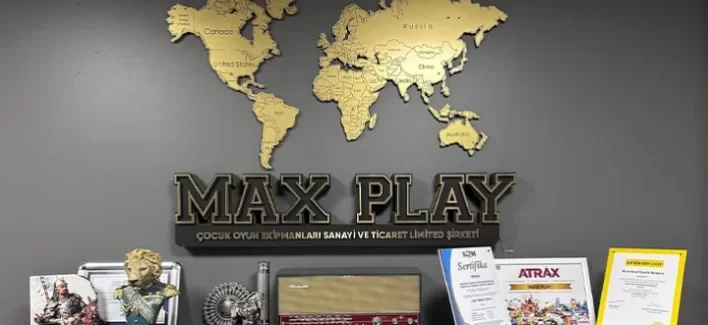
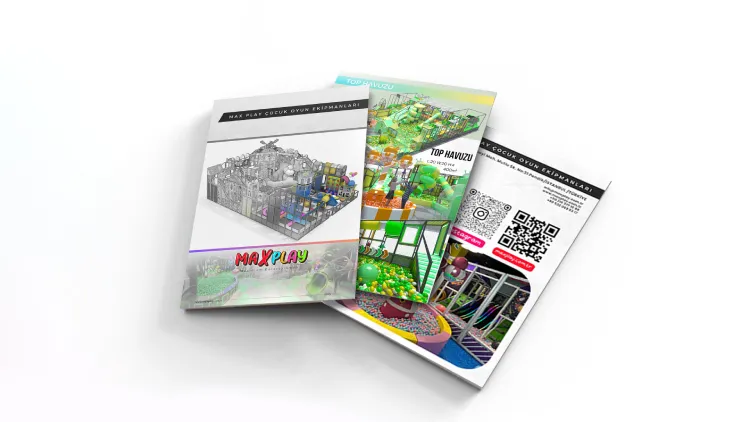
As MaxPlay Playground Equipment, we provide professional solutions for indoor playgrounds and soft play areas. We design, manufacture, install, and assemble indoor playground equipment and soft play systems for commercial spaces. Contact us for turnkey indoor playground projects.
| Landline: | 0216 377 10 88 |
| Mobile / WhatsApp: | 0532 069 53 17 |
| E-Mail: | info@maxplay.com.tr |
| Address: | Google Maps |
You can contact us for all your projects across Türkiye and international markets.
Our Services:
- Trampoline Manufacturing – Trampoline Park Installation
- Ball Pit Manufacturing – Ball Pit Playground Installations (with slides, etc.)
- Interactive Play Systems (Moving Soft Play Toys & Equipment)
- Sand Pit – Sand Play Areas
- Playgrounds and Role-Play Houses for Kindergartens & Nurseries
- Indoor playgrounds for businesses such as shopping malls, cafés, restaurants, etc.
- And all customized playground projects tailored to your specific needs.
Turkey has become a practical sourcing option for European operators seeking commercial indoor playground equipment with flexible engineering, competitive production costs, and efficient international transportation. Manufacturers such as MaxPlay combine project-specific design with factory-based production, enabling Danish investors to evaluate alternatives to standard catalogue systems. However, the right purchasing decision should consider the entire project lifecycle, from technical drawings and material selection to installation, inspection, maintenance, and future expansion.
Understanding the Danish Market for Commercial Soft Play Equipment and Indoor Entertainment Facilities
Denmark offers opportunities for indoor family entertainment businesses because weather-independent activities can provide a consistent recreational option throughout the year. Play cafés, shopping centres, hospitality venues, and dedicated entertainment facilities serve different customer expectations, making equipment selection highly dependent on location, available floor space, and operating strategy.
A neighbourhood play café in Copenhagen may benefit from compact climbing structures, imaginative activity panels, and comfortable parent seating. A larger entertainment centre in Aarhus might require several interconnected play levels, dedicated toddler facilities, and higher-capacity attractions. Hotels and holiday destinations may prioritise equipment that accommodates mixed-age families without requiring the staffing model of a standalone amusement facility. These differences make the Danish market unsuitable for a single standardized design approach.
In practice, one of the most common planning mistakes is selecting equipment before establishing the venue’s operating capacity. A structure may fit the available square metres while leaving insufficient room for circulation, supervision, emergency access, or accompanying adults. Effective soft play equipment for Danish businesses therefore begins with an assessment of visitor demographics, peak occupancy, ceiling clearance, building services, and the relationship between entertainment space and revenue-generating facilities.
Types of Soft Play Systems Available for Danish Play Cafés, Shopping Centers, Hotels and Family Entertainment Venues
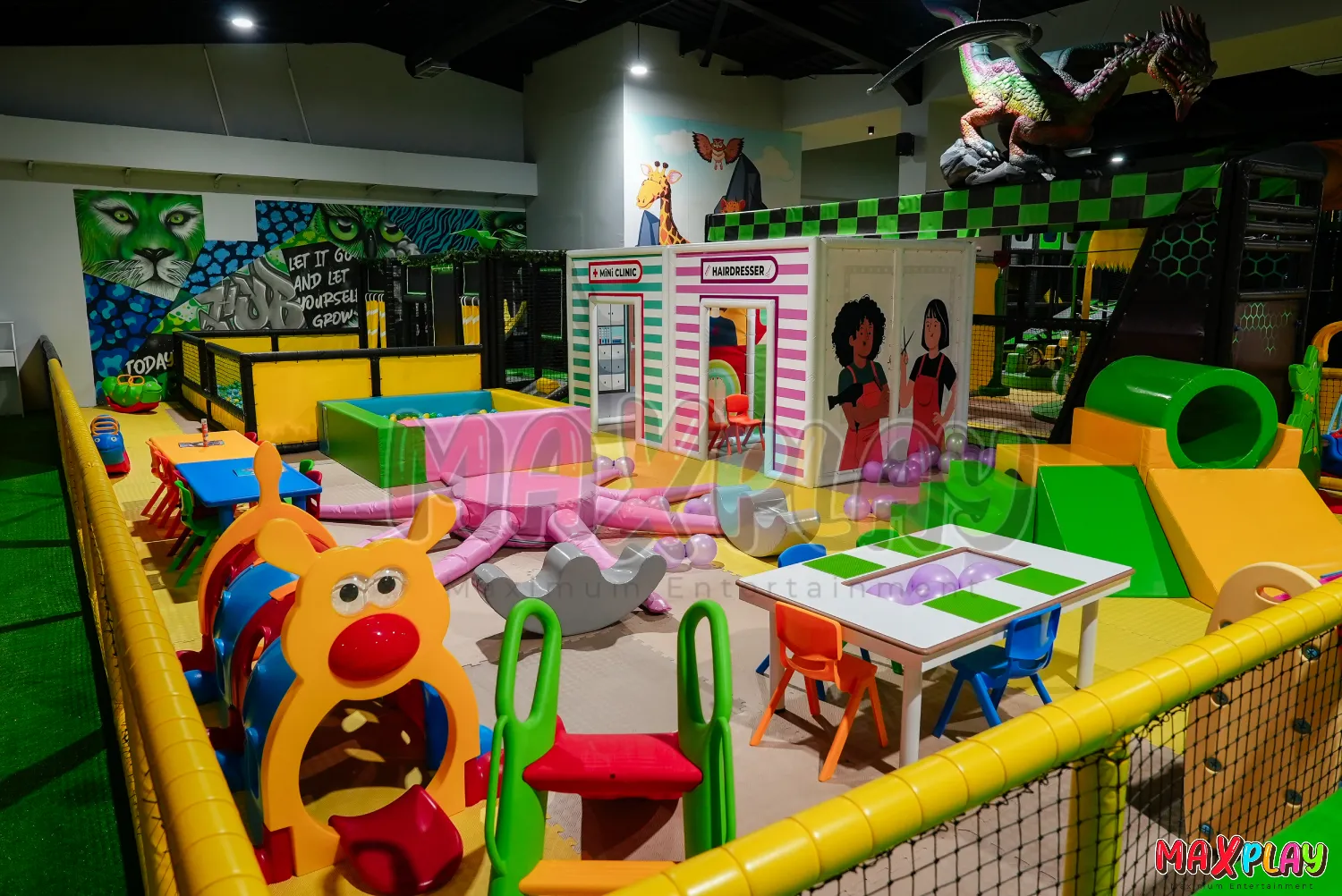
Different commercial environments require distinct combinations of physical activity, sensory engagement, and imaginative play. A successful indoor play set for a small hospitality venue may contain low climbing elements, cushioned obstacles, and a short slide, while a larger indoor soft playground equipment installation can incorporate interconnected platforms, tunnels, elevated passages, and multiple activity zones.
For family entertainment centres, equipment diversity becomes particularly important. A single large climbing structure may attract children initially, but repeat visits often depend on offering different levels of challenge. Role-play areas, obstacle courses, interactive games, and sensory activities encourage children to explore beyond a single attraction. Well-planned family entertainment center equipment also allows operators to manage age separation and distribute visitors throughout the facility.
Real-world operating conditions reveal an important distinction between equipment variety and functional variety. Adding numerous features does not automatically improve the experience if they all serve the same age group or create congestion in one location. A venue serving families with children aged two to twelve should provide developmentally appropriate alternatives, clear sightlines, and sensible transitions between activity areas. The most effective layout is not necessarily the one containing the greatest number of attractions, but the one that supports safe, engaging, and manageable play.
MaxPlay Playground Equipment Overview
| Equipment Name | Description | Key Benefits |
| Ball Pool | Colorful pit filled with balls for safe sensory play. | Safe fun for toddlers, easy to clean, encourages motor skills. |
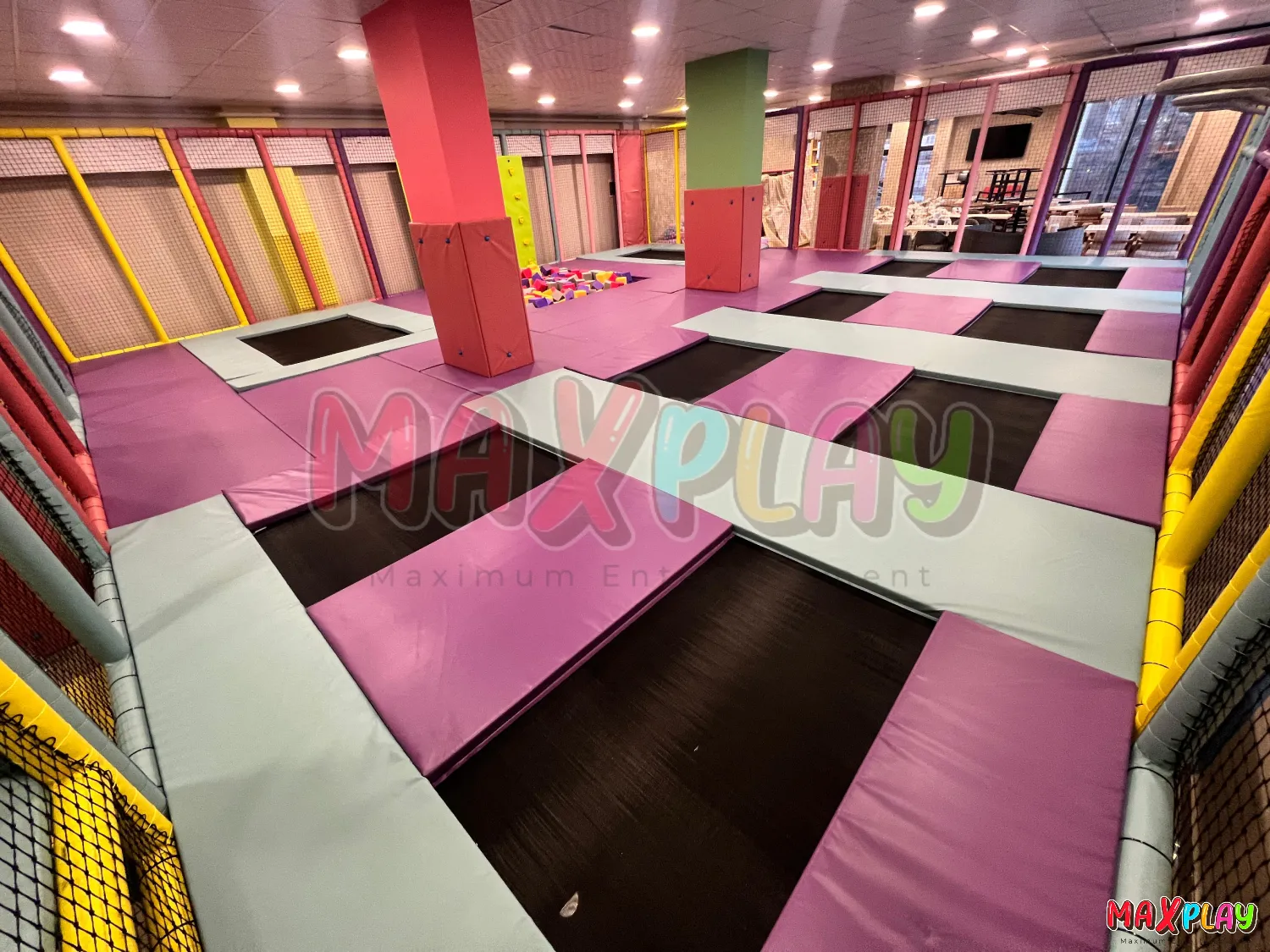
| Trampoline | High-quality indoor trampolines. | Builds balance and strength, child-safe design, durable materials. |
| Interactive Game Sets | Digital and physical interactive play stations. | Boosts learning, cognitive skills, and engagement. |
| Profession Houses | Role-play houses designed for kids. | Encourages creativity, social interaction, and imagination. |
| Trampoline Park | Large-scale trampoline structures. | Suitable for older kids, high durability, safe design. |
| Roller Slide | Conveyor-style (roller) slides for continuous fun. | Efficient design, fun motion play, safe structure. |
| Tower Slide | Tower slides designed for adventure play. | Exciting design, strong safety standards, eye-catching feature. |
| Climbing Wall | Indoor climbing walls. | Builds strength and coordination, safe grips, customizable difficulty levels. |
| Volcano Slide | Volcano-shaped slides with climbing and sliding features. | Combines climbing and sliding, unique design, fun for multiple age groups. |
What Determines the Price of Commercial Indoor Playground Equipment? Materials, Dimensions and Design Complexity
Indoor playground pricing Denmark depends on several interconnected variables, including usable floor area, equipment height, structural complexity, materials, safety features, and the extent of customization. Two playgrounds covering identical floor areas may have substantially different manufacturing costs because one contains a basic single-level arrangement while the other includes multi-level structures, enclosed slides, complex themes, and electronic activities.
Material specifications are another major cost factor. Commercial-grade structural components, durable protective padding, quality netting, wear-resistant surfaces, and suitable fastening systems contribute to long-term reliability. First-class manufacturing quality should be assessed through documented material specifications, workmanship, inspection procedures, and expected maintenance requirements rather than marketing descriptions alone. Materials used in accessible play areas should also be selected with hygiene, cleanability, and relevant chemical-safety requirements in mind.
A reliable indoor playground equipment cost estimation should distinguish essential safety and structural elements from optional attractions. In practical procurement, a common mistake is comparing a comprehensive quotation against a lower-priced offer that excludes flooring, transportation, installation, or technical documentation. Investors should request itemized specifications and confirm precisely what each supplier includes. This approach helps identify genuine savings without compromising the quality or functionality of the finished facility.
Comparing Turkish and European Soft Play Manufacturers: Production Costs, Engineering Quality and Overall Investment Value
The comparison between European and Turkish soft play equipment suppliers should focus on measurable project outcomes rather than manufacturing origin alone. European manufacturers may offer proximity, established regional service networks, and familiarity with local procurement procedures. Turkish producers can provide competitive factory-direct pricing, customized fabrication, and efficient access to European destinations. The relative advantages depend on the manufacturer’s capabilities and the complexity of the project.
Turkey’s manufacturing cost structure can allow suppliers to compete with producers in China and other international markets while offering attractive specifications and customization flexibility. For Danish customers, the shorter geographic distance compared with East Asian sourcing can also reduce transport complexity and enable faster deliveries under suitable production and freight conditions. However, higher quality or shorter delivery times should be demonstrated through material records, technical documentation, production schedules, and comparable quotations rather than assumed from country of origin.
An effective evaluation of indoor playground equipment manufacturers considers design revisions, spare-parts availability, warranty terms, manufacturing consistency, and installation coordination. The lowest initial price may become less attractive if the project requires expensive modifications after delivery. Conversely, a competitively priced Turkish manufacturer with strong engineering support can deliver substantial value when specifications, quality controls, and responsibilities are agreed upon before production begins.
Why Turkey Is a Competitive Manufacturing and Sourcing Destination for Danish Playground Businesses?
Turkey’s position between European and Asian markets provides logistical advantages for businesses importing specialized recreational equipment. Road freight networks, established export operations, and access to European shipping routes make the country a relevant production base for commercial playground projects. For Danish investors, these advantages can be particularly valuable when equipment is custom-built and must arrive in coordinated installation stages.
Factory-direct sourcing can also reduce the number of commercial intermediaries involved in a project. Experienced soft play manufacturers may coordinate design, material procurement, fabrication, protective packaging, and export preparation within a single production workflow. This structure can improve communication when clients request dimensional adjustments or project-specific modifications. Soft play equipment wholesale arrangements may offer further efficiencies for distributors or operators developing several locations, although pricing will depend on order volume and manufacturing requirements.
In practice, the strongest sourcing advantage comes from aligning manufacturing flexibility with disciplined project management. Turkish playground equipment exports should be evaluated according to production capacity, inspection procedures, packaging quality, and the supplier’s ability to provide complete technical information. Competitive pricing is meaningful only when accompanied by dependable workmanship, appropriate documentation, and realistic delivery commitments.
Custom Playground Design Options: Themed Play Zones, Modular Structures, Interactive Features and Age-Specific Layouts
Effective custom playground manufacturing starts with the building rather than the equipment catalogue. Floor plans, ceiling heights, columns, entrances, ventilation systems, and emergency routes establish the physical boundaries of the project. Designers must then determine how children will move between attractions, where parents and staff can observe activities, and which areas require additional separation or protection.
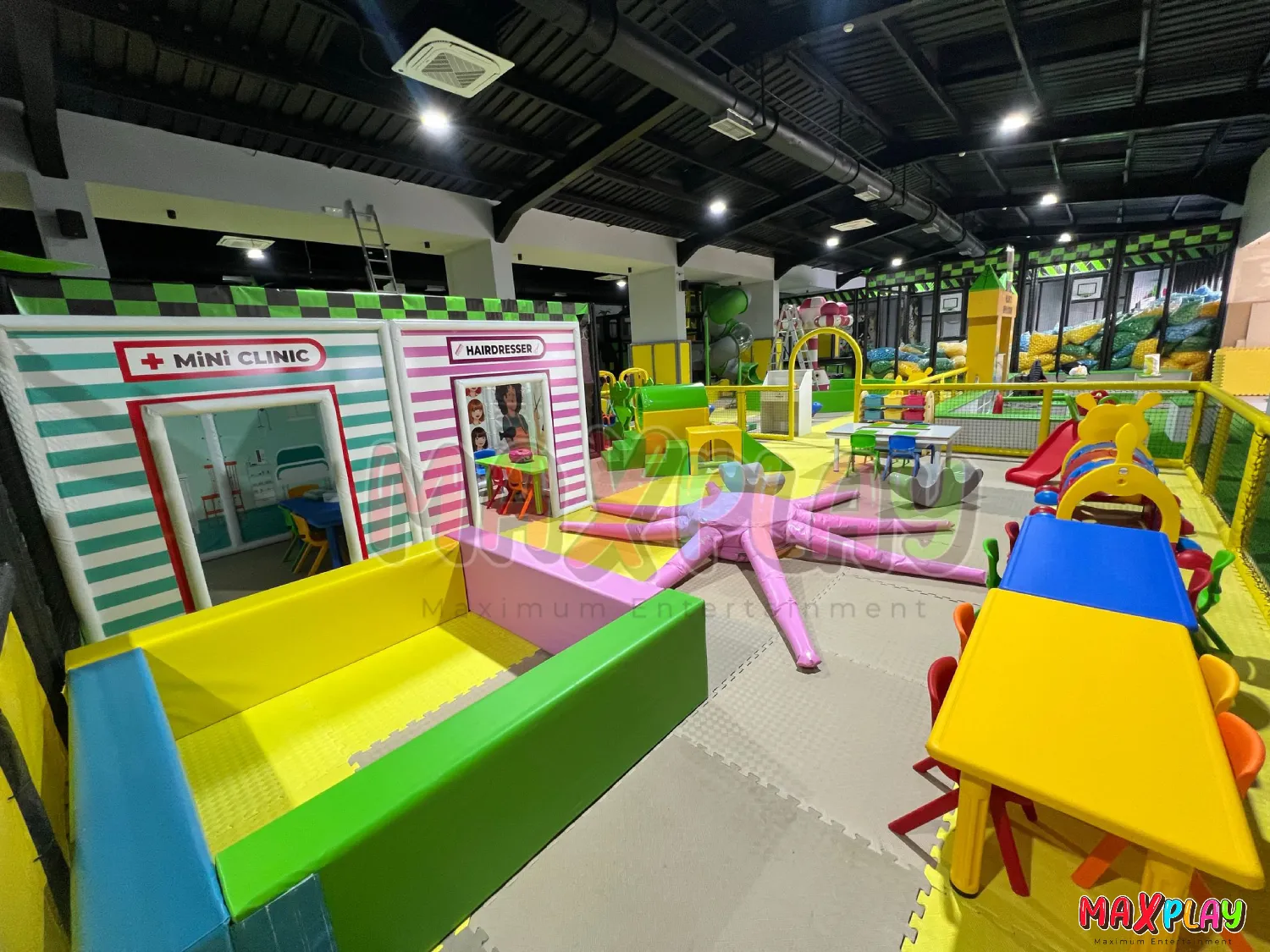
A bespoke indoor playground design can incorporate themed environments, elevated walkways, imaginative role-play spaces, climbing challenges, and interactive playground equipment. A maritime-themed venue, for example, might integrate ship-inspired platforms, crawl tunnels, and a blue-toned ball pool without allowing decorative features to interfere with visibility or safe access. Custom themes should support the play experience rather than introduce unnecessary structural complexity.
Modular soft play structures offer particular advantages when operators expect future changes. Individual zones can be designed around standardized connection principles while retaining distinctive visual features. This may simplify selected repairs, reconfiguration, or expansion, subject to engineering review. For commercial operators, the practical priority is balancing visual originality with durability, maintenance access, and the ability to replace high-wear components without dismantling the entire installation.
Choosing Between Ball Pits, Multi-Level Climbing Frames, Trampoline Areas and Toddler-Friendly Play Equipment
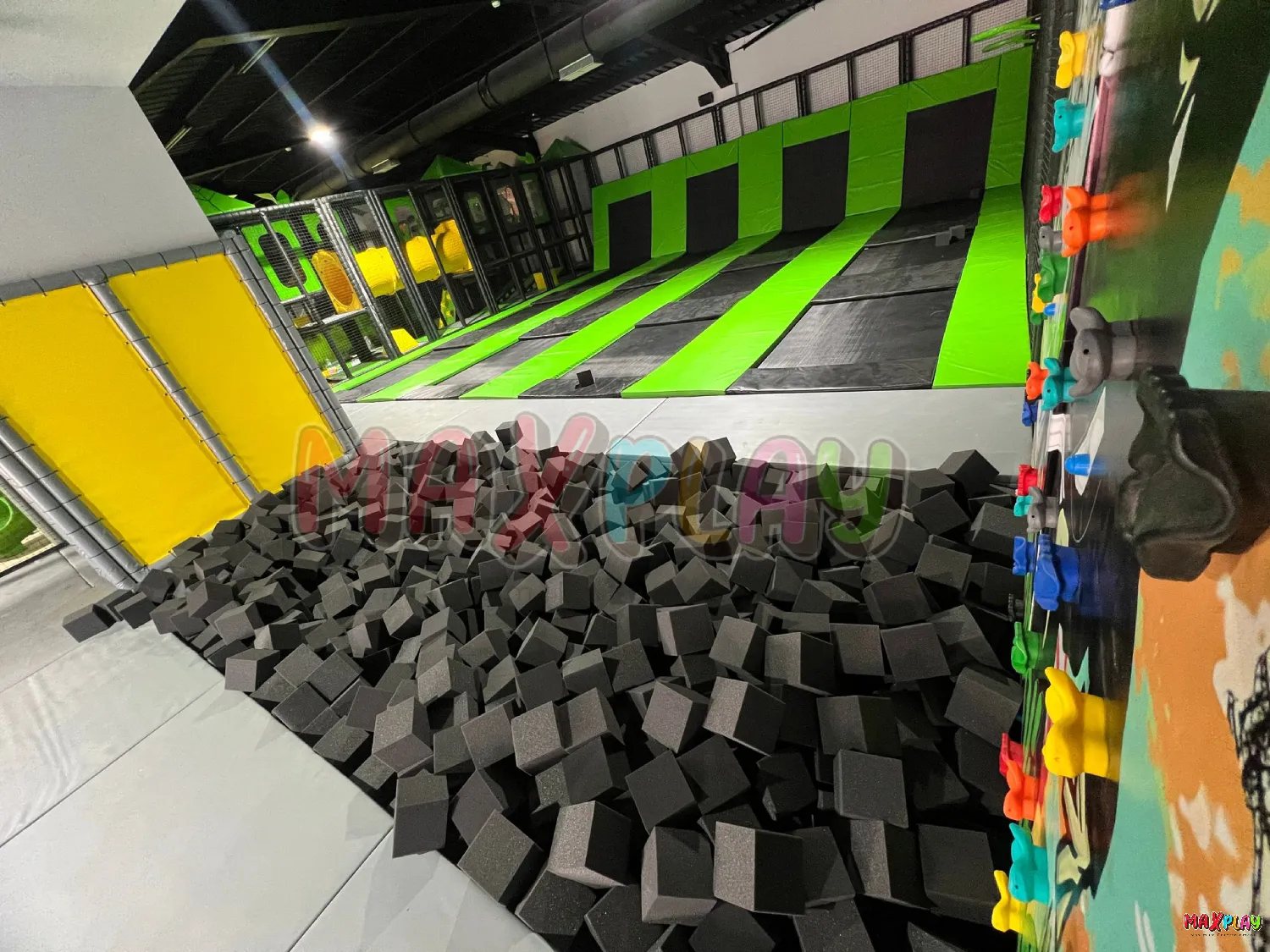
Selecting attractions requires an understanding of visitor age, physical development, supervision needs, and the facility’s business model. Ball pools encourage exploratory and social play, while climbing structures develop coordination and confidence. Trampoline activities introduce different movement characteristics and risk-management requirements, making them more appropriate for facilities designed and operated specifically to accommodate those activities.
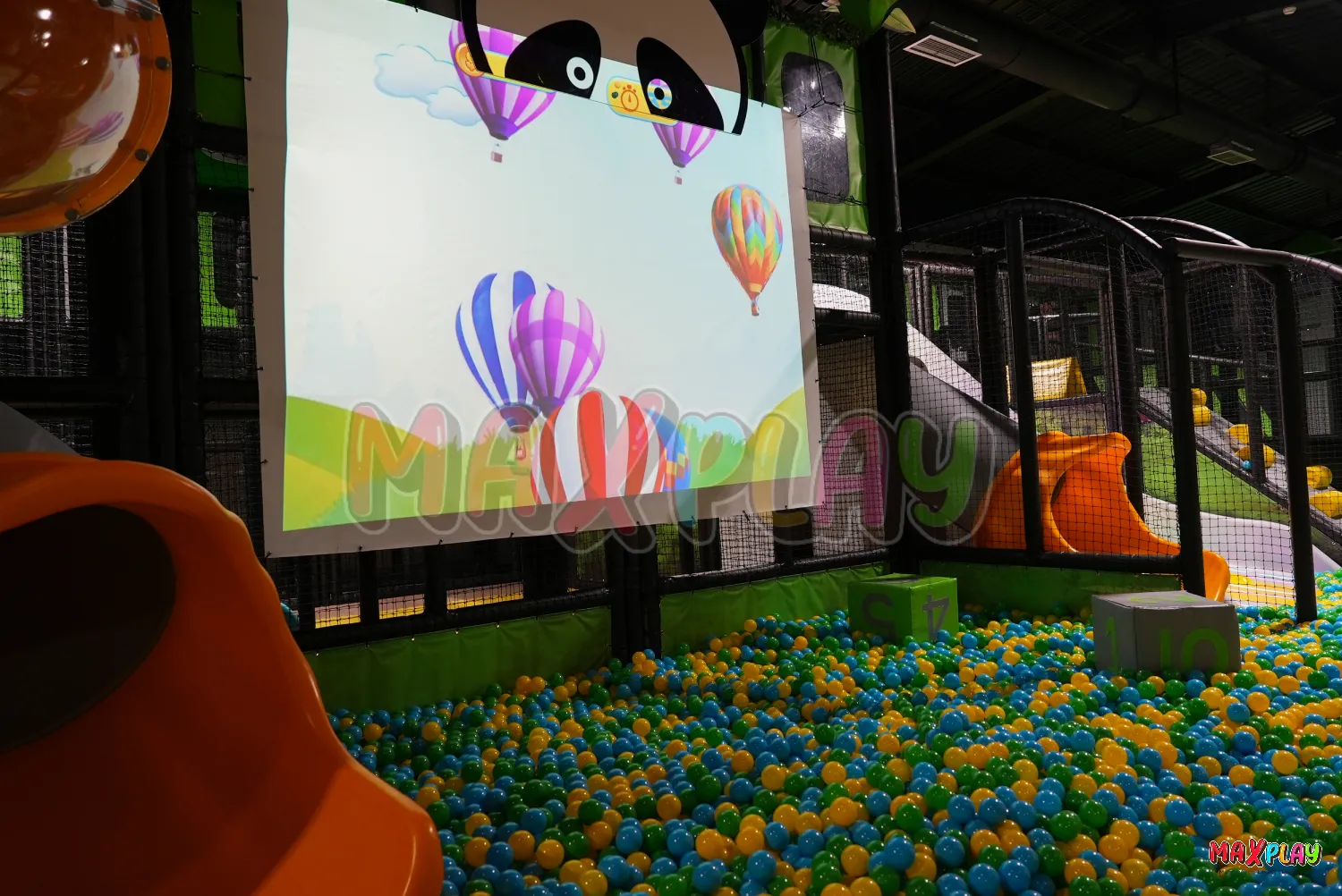
Experienced commercial ball pit manufacturers should account for enclosure design, entry and exit arrangements, cleaning access, ball specifications, and the separation of younger children from more energetic users. A toddler play set indoor configuration should prioritize low platforms, soft obstacles, age-appropriate sensory elements, and clear caregiver visibility. By contrast, a soft playground equipment layout for older children may incorporate challenging obstacle sequences, slides, and multi-level routes.
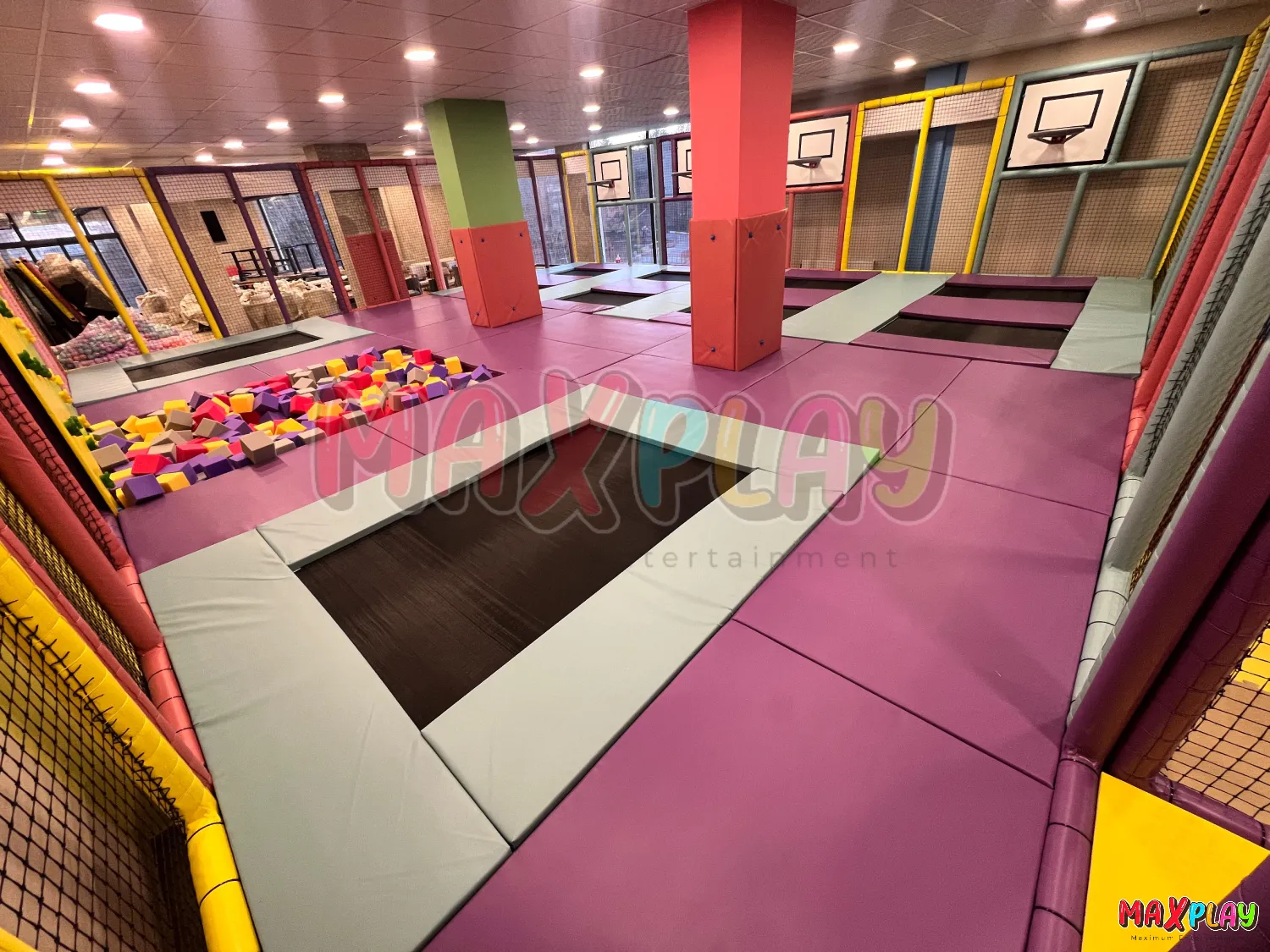
Operators considering trampoline park equipment should distinguish between conventional soft play structures and specialized trampoline installations. A qualified trampoline park manufacturer must address equipment-specific engineering, impact protection, operational supervision, and applicable safety requirements. Trampolines are not an ideal addition to every venue, especially where space, staffing, or visitor profiles do not support their safe operation. The correct attraction mix is determined by suitability, not simply by popularity.
Manufacturing Lead Times Explained: From Initial 3D Design and Technical Approval to Factory Production
Soft play equipment production lead times are influenced by project complexity, design approval, component availability, manufacturing capacity, and quality inspections. A straightforward modular installation generally requires less engineering than a highly customized entertainment centre featuring multiple elevations, themed structures, and integrated activities. MaxPlay publishes an indicative manufacturing period of four to eight weeks for its indoor playground projects, although actual schedules depend on specifications and production commitments.
The process typically begins with site measurements and 3D playground design and planning. Technical drawings establish structural dimensions, play-zone boundaries, equipment positions, and installation requirements. Once the customer approves the final configuration, production can proceed through material preparation, structural fabrication, protective covering, assembly checks, and packaging. A disciplined approval process is particularly important because changes introduced after fabrication begins may affect several interconnected components.
In practice, the most frequent scheduling problems originate before manufacturing starts. Incomplete architectural drawings, unconfirmed ceiling services, delayed material selections, and repeated design revisions can postpone production. Buyers should distinguish factory completion dates from arrival and installation dates. A realistic project programme includes time for documentation, transportation, unloading, assembly, final inspection, and any corrective work identified before opening.
Playground Safety and Material Standards for Denmark: EN 1176, EN 1177, Durability and Compliance Documentation
Safety requirements should influence every stage of playground development, beginning with the initial layout. European playground safety standards provide important technical references for equipment design, protective surfacing, accessibility, and risk management. EN 1176 addresses playground equipment and surfacing requirements, while EN 1177 concerns impact-attenuating playground surfacing and associated test methods. Their applicability must be assessed against the specific equipment type, installation, and Danish regulatory context.
For EN 1176 playground compliance, manufacturers and operators should examine potential entrapment points, structural stability, accessible openings, fall protection, and the relationship between equipment and surrounding spaces. Impact-absorbing safety flooring must be selected according to the relevant fall characteristics and tested performance, rather than appearance or thickness alone. Where applicable, buyers should request inspection reports, material test records, installation instructions, and evidence supporting the supplier’s compliance claims. A general certificate should not be treated as proof that every individual configuration has been assessed.
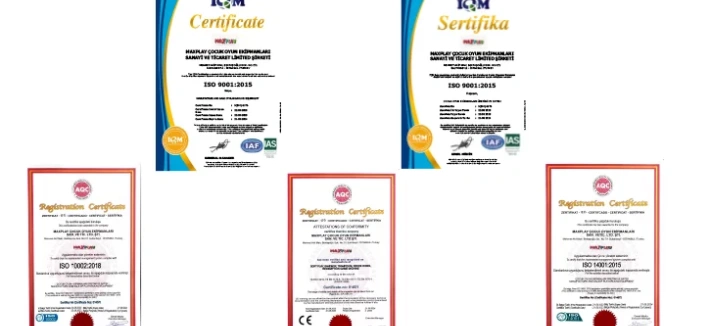
In real commercial environments, durability and hygiene are equally important operational considerations. Protective surfaces should tolerate repeated cleaning, accessible components should be suitable for children’s environments, and materials should meet relevant chemical-safety requirements. MaxPlay states that its equipment is developed with reference to internationally recognized safety and quality standards, including EN 1176 and EN 1177. Nevertheless, Danish operators should verify project-specific documentation and arrange appropriate independent assessment where required.
Shipping Soft Play Equipment from Turkey to Denmark: Freight Planning, Customs Procedures and Installation Scheduling
International transportation is a major consideration when comparing manufacturers. Playground equipment shipping to Denmark from Turkey can be arranged through road freight, consolidated cargo services, or multimodal transportation depending on shipment dimensions, delivery deadlines, and site accessibility. Road transportation can be especially practical for bulky equipment because it may reduce handling stages compared with certain longer-distance shipping arrangements.
Efficient logistics begin at the factory. Structural components should be identified, protected, and packaged according to their installation sequence. Fragile decorative elements, protective panels, fasteners, and specialized equipment require appropriate handling. For smaller shipments, consolidated freight may offer cost advantages, while larger installations may justify dedicated vehicles. Fast delivery from Turkey is possible when production completion, carrier availability, border procedures, and unloading arrangements are coordinated effectively.
Import procedures also require attention. Turkey and the EU have a customs union covering qualifying industrial goods, but preferential treatment depends on the applicable rules and documentation. Danish importers should establish responsibilities for customs declarations, import VAT, transport insurance, and delivery terms. In practical projects, delays can arise when the installation team is ready but the shipment cannot be unloaded or cleared. Confirming Incoterms, freight responsibilities, and site readiness in advance helps avoid unnecessary costs.
Calculating Total Project Costs: Equipment Pricing, Transportation, Assembly, Maintenance and Long-Term Return on Investment
A commercial playground investment should be evaluated through its complete operating lifecycle. Commercial playground project budgeting includes equipment manufacturing, transport, unloading, installation, safety inspection, facility modifications, cleaning, maintenance, and potential replacement components. Depending on the building, additional expenses may include electrical work, ventilation adjustments, lighting, flooring preparation, and fire-safety provisions.
For example, a compact installation with a relatively low purchase price may become expensive if it requires extensive building modifications or has limited capacity during busy periods. A more sophisticated structure may justify a higher investment when it accommodates a wider visitor demographic, supports longer visits, and reduces the need for frequent alterations. Indoor playground return on investment should therefore be assessed using realistic attendance projections, average revenue per visitor, staffing requirements, maintenance expenditure, and seasonal demand.
Operators should also evaluate soft play equipment maintenance and spare parts before choosing a supplier. Protective padding, netting, high-contact surfaces, and moving components require routine inspection and eventual replacement. A sensible purchasing strategy considers replacement availability, service responsibilities, warranty exclusions, and the practical consequences of equipment downtime. The objective is not simply to minimize the purchase price but to establish a reliable facility with predictable operating costs and sustainable commercial performance.
How MaxPlay Combines Turkish Manufacturing Expertise, Custom Engineering and Turnkey Soft Play Solutions for Danish Projects?
MaxPlay approaches playground manufacturing through an integrated process covering consultation, layout development, production, international transportation, installation, and after-sales assistance. Its product portfolio includes commercial soft play installations, ball pools, toddler areas, interactive activities, and trampoline facilities. This range allows projects to be developed around the venue’s intended audience rather than restricting the design to a single equipment category. MaxPlay also publishes examples of installations ranging from compact play areas to large entertainment facilities.
For Danish investors, MaxPlay’s factory-based production in Turkey offers opportunities to combine competitive pricing with customized engineering and coordinated international delivery. Its factory-direct playground equipment model supports tailored dimensions, themed designs, and project-specific configurations. The company emphasizes first-class materials, safety-conscious manufacturing, and internationally recognized technical standards. Its indoor playground installation services and ongoing technical assistance are intended to support the project beyond delivery, while the exact scope of installation, documentation, and service should be confirmed for each contract.
MaxPlay provides turnkey children’s play area solutions for businesses seeking a coordinated route from concept to completion. Preliminary playground project planning is available free of charge, allowing investors to explore a suitable configuration before committing to production. Whether developing a play café, hotel activity area, shopping-centre attraction, or dedicated entertainment facility in Denmark, businesses can benefit from a tailored proposal that considers available space, budget, equipment selection, and delivery requirements. Request your free playground project design today and contact MaxPlay to discuss your requirements.