





Interactive Indoor Playground Equipment in Ireland: Features That Add Value
The market for Interactive Indoor Playground Equipment in Ireland is evolving as family entertainment businesses look beyond conventional climbing structures and slides to create more engaging, adaptable, and commercially sustainable play environments. Shopping centres, leisure operators, hotels, and dedicated children’s activity venues increasingly need attractions that encourage physical movement, imaginative exploration, social interaction, and repeat visits. Combining interactive technology with professionally engineered play structures offers a practical way to address these expectations.
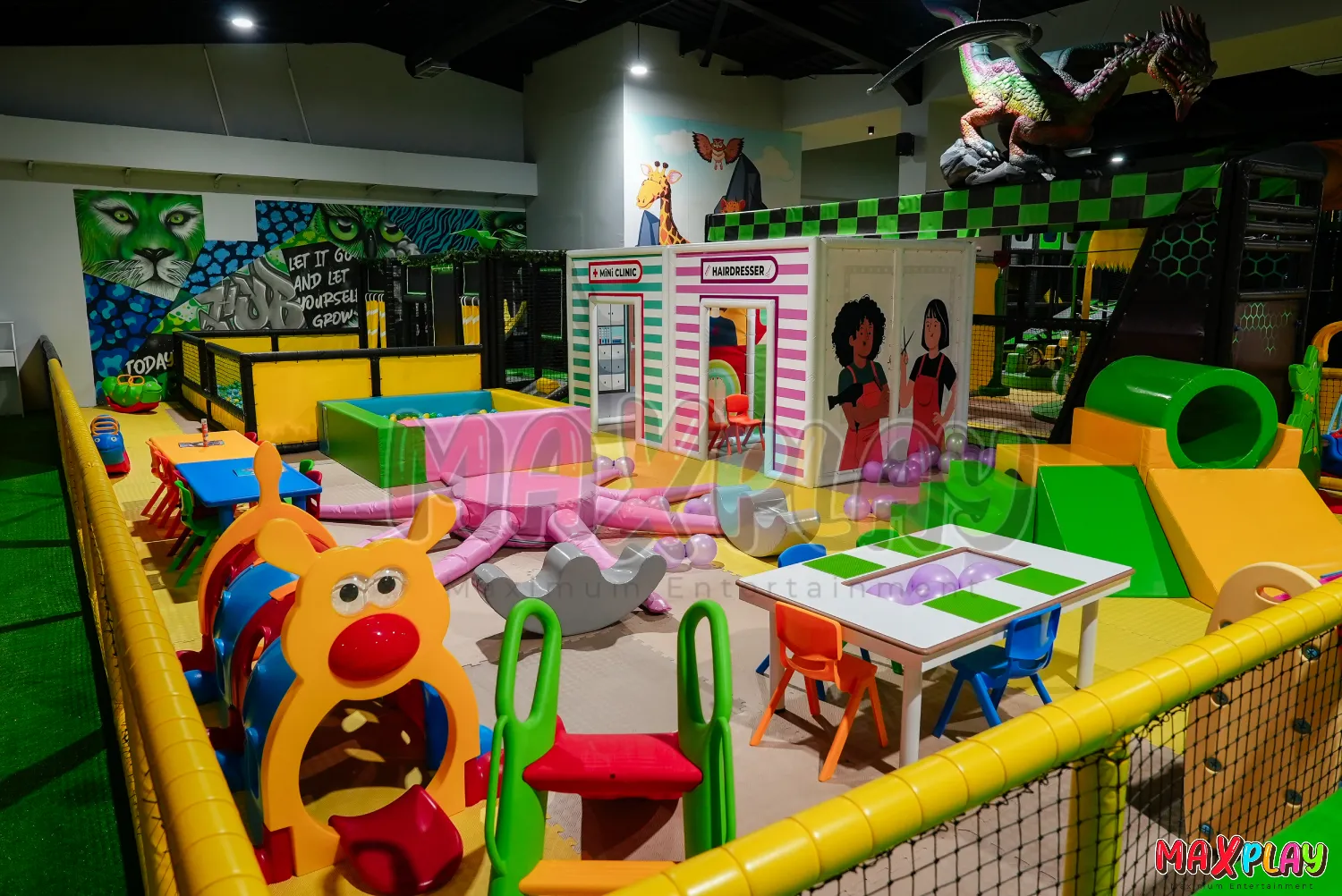
As MaxPlay Playground Equipment, we provide professional solutions for indoor playgrounds and soft play areas. We design, manufacture, install, and assemble indoor playground equipment and soft play systems for commercial spaces. Contact us for turnkey indoor playground projects.
| Landline: | 0216 377 10 88 |
| Mobile / WhatsApp: | 0532 069 53 17 |
| E-Mail: | info@maxplay.com.tr |
| Address: | Google Maps |
You can contact us for all your projects across Türkiye and international markets.
Our Services:
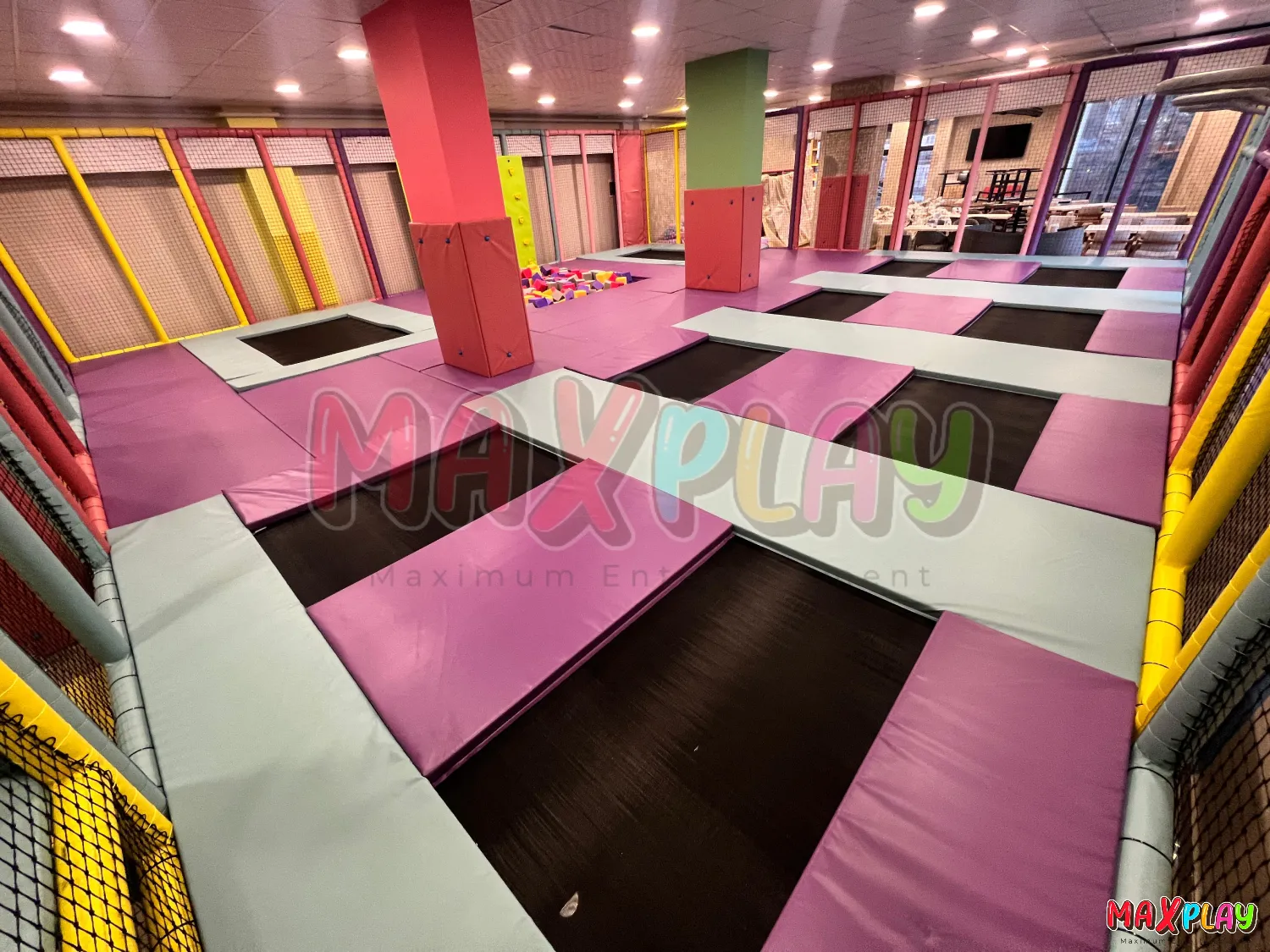
- Trampoline Manufacturing – Trampoline Park Installation
- Ball Pit Manufacturing – Ball Pit Playground Installations (with slides, etc.)
- Interactive Play Systems (Moving Soft Play Toys & Equipment)
- Sand Pit – Sand Play Areas
- Playgrounds and Role-Play Houses for Kindergartens & Nurseries
- Indoor playgrounds for businesses such as shopping malls, cafés, restaurants, etc.
- And all customized playground projects tailored to your specific needs.
For investors evaluating interactive playground equipment Ireland, the important question is not simply which attractions look impressive during a demonstration. Long-term value depends on how children interact with the equipment, whether different age groups can participate comfortably, and how effectively the attractions operate during busy periods. Equipment durability, maintenance requirements, supervision, accessibility, and available floor space should influence every purchasing decision.
Modern indoor playground equipment manufacturers can support this approach by combining custom layouts, integrated activity systems, and carefully selected materials. Turkish manufacturers such as MaxPlay offer Irish businesses an alternative sourcing route for bespoke indoor entertainment projects, bringing together engineering, manufacturing, international logistics, and installation planning.
How Interactive Play Attractions Are Changing Indoor Family Entertainment in Ireland?
Ireland’s indoor leisure sector serves families seeking dependable entertainment throughout the year, particularly during periods when outdoor activities are less practical. Traditional playgrounds remain important, but operators increasingly recognize that a successful facility must provide several types of experiences rather than relying on a single large climbing structure. This has encouraged interest in technology-enhanced children’s play areas that combine movement, discovery, competition, and collaborative activities.
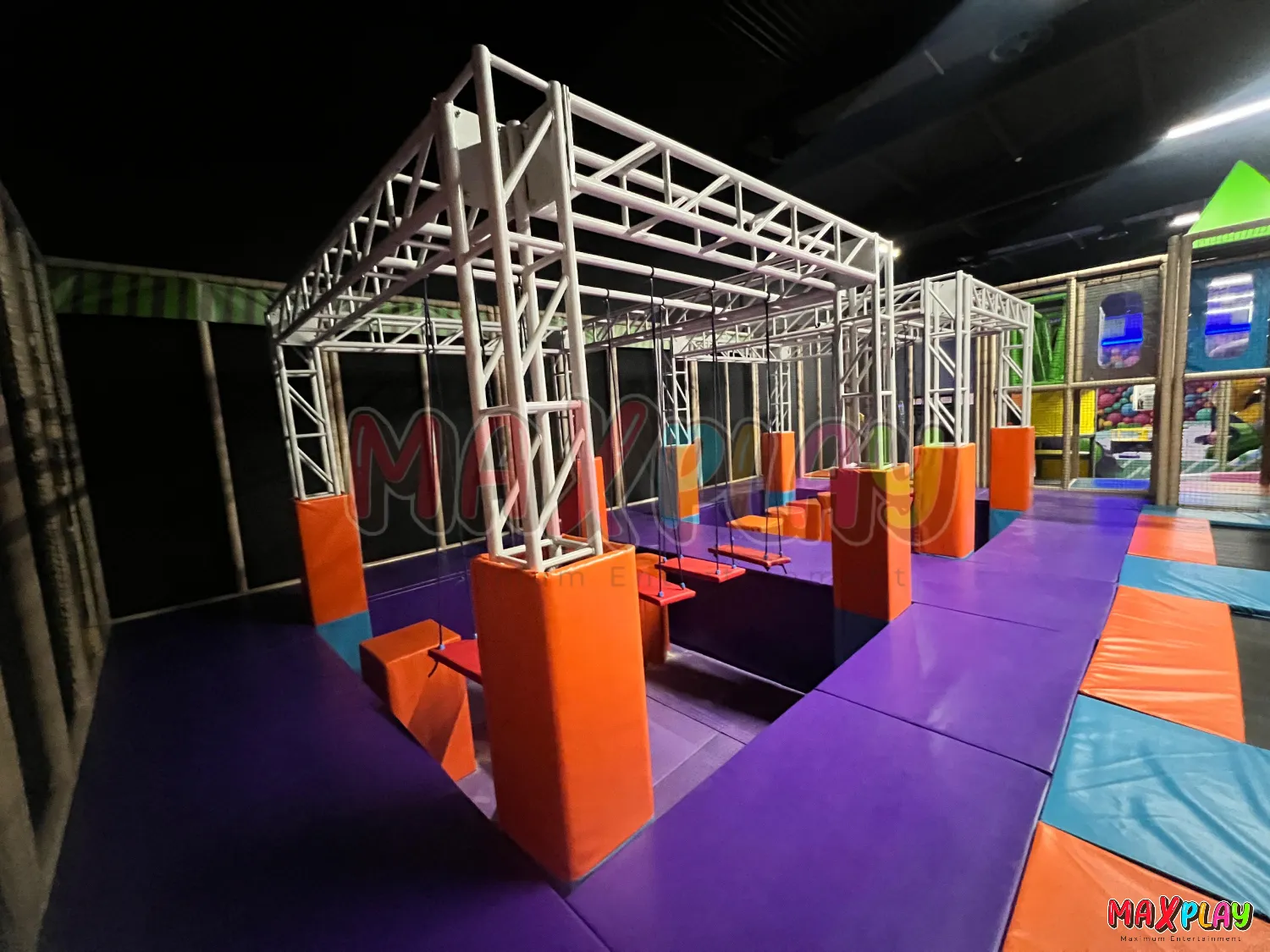
A practical example is a family entertainment centre where children move between an obstacle course, a projected floor game, and a themed climbing environment. Each attraction offers a different level of physical or cognitive challenge. Younger visitors can explore simpler activities while older children engage with more demanding tasks. This variety helps operators serve mixed-age family groups without requiring every visitor to use the same equipment.
In practice, one of the most common planning mistakes is investing heavily in a visually impressive attraction without considering how frequently children will return to it. A projection game with several activity modes may offer greater long-term variety than a single-purpose digital installation. However, its commercial value depends on reliability, age suitability, and the ease with which staff can manage the experience.
Understanding the Difference Between Traditional Soft Play and Technology-Enhanced Play Systems
Traditional commercial soft play equipment provides a physical environment where children climb, crawl, slide, balance, and explore. Foam-protected structures, enclosed tunnels, netted bridges, and ball pool installations remain fundamental because they encourage active movement without requiring complicated operating systems. Their main advantages include relatively straightforward supervision, predictable maintenance procedures, and suitability for continuous daily use.
Technology-enhanced installations add another layer of interaction. Sensors, projected graphics, responsive lighting, and digital challenges can change how children experience the same physical area. For example, a climbing route may incorporate illuminated targets that encourage participants to follow different paths. Unlike a fixed obstacle, the activity can potentially change through programmable sequences, provided the installed equipment supports those functions.
Neither approach is universally superior. Interactive soft play installations are particularly suitable for venues seeking distinctive attractions and varied visitor experiences, while conventional structures may be preferable where operating simplicity, limited staffing, or restricted maintenance budgets are priorities. In real-world facility planning, combining both approaches often creates a more balanced investment than replacing established physical play features entirely.
Interactive Floor Projection Games and Motion-Responsive Play Experiences
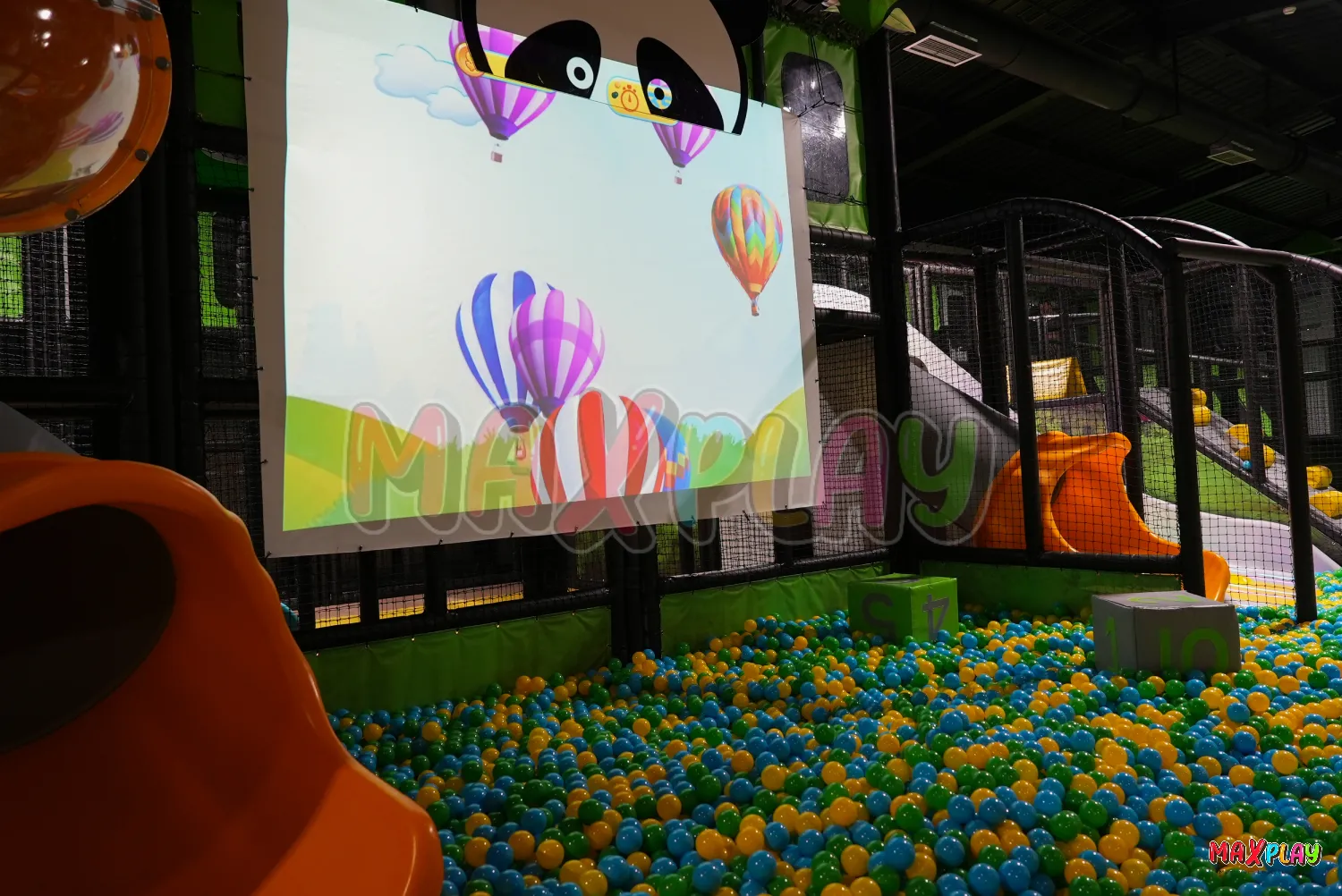
Motion-responsive floor projection games transform designated floor surfaces into active play environments using projection equipment and movement-detection technology. Children can interact with animated objects, follow illuminated pathways, complete educational challenges, or participate in cooperative games. Depending on the system, movement may be detected through cameras, infrared sensors, or other tracking technologies.
These digital indoor play attractions can work particularly well in shopping centre entertainment areas and family leisure venues where operators want activities that occupy relatively compact spaces. A floor-based game can provide several experiences without requiring permanent changes to the physical structure. For instance, the same surface might support a colour-matching challenge for younger children and a faster reaction-based activity for older participants.
Installation quality significantly influences performance. Ambient lighting, projector placement, floor reflectivity, detection accuracy, and visitor density all affect usability. In practice, excessive daylight or uncontrolled overhead lighting can reduce image contrast, while poor sensor positioning may create inconsistent responses. Before purchasing, operators should request demonstrations under lighting conditions comparable to their actual venue and confirm whether software updates, calibration, and technical support are included.
Combining Digital Activities with Physical Challenges, Climbing Courses and Adventure Zones
The strongest interactive concepts do not necessarily separate digital entertainment from physical movement. Instead, they use technology to encourage children to climb, balance, jump, and explore. Physical and digital play integration can transform familiar structures into more varied experiences while preserving the developmental benefits associated with active play.
Consider a multi-level adventure structure containing climbing nets, enclosed slides, interactive targets, and a small obstacle course. Children might complete a route by activating illuminated checkpoints before reaching the final platform. In another configuration, digital challenges could be positioned alongside climbing walls, allowing participants to respond to changing visual prompts while maintaining safe body positioning.
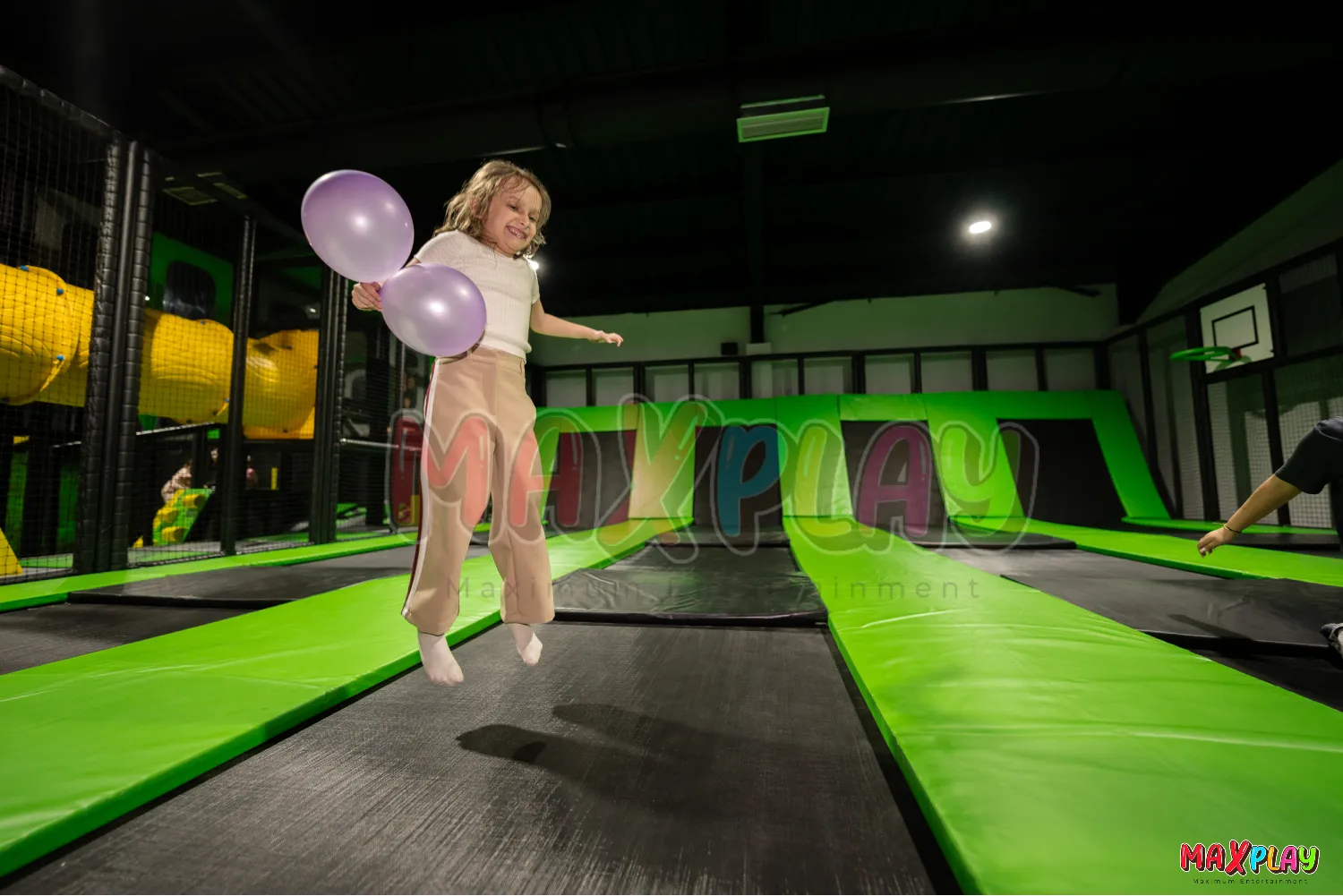
For commercial operators, equipment selection should follow the intended age range and supervision model. A physically demanding course with electronic scoring may appeal to older children, whereas a compact indoor play set with simple interactive features may better suit younger visitors. Trampoline park equipment can also complement an entertainment venue, but trampoline activities require dedicated safety planning, appropriate separation, and operating procedures rather than being treated as interchangeable with conventional soft play.
The critical design principle is that digital features should enhance physical activity without creating distractions that compromise safe movement.
MaxPlay Playground Equipment Overview
| Equipment Name | Description | Key Benefits |
| Ball Pool | Colorful pit filled with balls for safe sensory play. | Safe fun for toddlers, easy to clean, encourages motor skills. |
| Trampoline | High-quality indoor trampolines. | Builds balance and strength, child-safe design, durable materials. |
| Interactive Game Sets | Digital and physical interactive play stations. | Boosts learning, cognitive skills, and engagement. |
| Profession Houses | Role-play houses designed for kids. | Encourages creativity, social interaction, and imagination. |
| Trampoline Park | Large-scale trampoline structures. | Suitable for older kids, high durability, safe design. |
| Roller Slide | Conveyor-style (roller) slides for continuous fun. | Efficient design, fun motion play, safe structure. |
| Tower Slide | Tower slides designed for adventure play. | Exciting design, strong safety standards, eye-catching feature. |
| Climbing Wall | Indoor climbing walls. | Builds strength and coordination, safe grips, customizable difficulty levels. |
| Volcano Slide | Volcano-shaped slides with climbing and sliding features. | Combines climbing and sliding, unique design, fun for multiple age groups. |
Sensory Play Panels, Educational Games and Age-Appropriate Interactive Features
Sensory activities provide valuable opportunities for younger children and visitors with different developmental preferences. Sensory activity panels may include rotating elements, textured surfaces, colour recognition activities, tactile mechanisms, and simple cause-and-effect interactions. These features can support exploration without requiring children to navigate large climbing structures.
For toddler areas, educational playground equipment should prioritize understandable interactions, comfortable reach heights, and manageable stimulation. A well-designed toddler play set indoor environment might combine low-level padded obstacles, interactive wall panels, gentle movement activities, and clearly defined seating or observation areas for caregivers. Simple mechanical activities can be especially useful where electronic installations would introduce unnecessary complexity.
In real-world use, sensory zones require careful attention to accessibility and individual preferences. Bright flashing effects, excessive sound, or multiple competing digital displays can overwhelm some visitors. Adjustable sound levels, predictable activities, visual contrast, and alternative non-digital interactions help create more inclusive environments.
A common mistake is assuming that every interactive feature must incorporate a screen. Tactile exploration, mechanical puzzles, and collaborative building activities can deliver meaningful engagement without continuous electronic stimulation.
Designing Engaging Play Experiences for Irish Shopping Centres, Leisure Venues and Family Attractions
Effective Irish family entertainment centre design begins with the characteristics of the property rather than the equipment catalogue. Shopping centre units may have restricted ceiling heights, irregular structural columns, shared access corridors, or limitations on electrical modifications. Hotels and leisure complexes may prioritize quieter attractions, while dedicated entertainment centres can accommodate larger adventure structures.
The design process should establish the available floor area, clear heights, access points, emergency routes, visitor capacity, and intended operating model. These details determine whether a multi-level climbing system, interactive floor, toddler zone, or combination of attractions is technically appropriate. Equipment should also be positioned to maintain visibility for supervisors and minimize unnecessary crossing between active and passive play areas.
For example, a shopping centre operator working with a compact rectangular unit may achieve better results through a perimeter-based climbing structure and a central interactive activity zone than by installing several disconnected attractions. The arrangement can improve supervision while preserving circulation space.
Experienced soft play manufacturers should be able to interpret architectural drawings, identify spatial constraints, and develop equipment configurations that reflect the building’s actual dimensions. Early coordination with the landlord, fire safety advisers, and relevant building professionals helps prevent expensive redesigns after manufacturing has started.
Improving Visitor Flow, Replay Value and Parent Engagement Through Activity-Based Layouts
A commercially successful playground must function efficiently when visitor numbers increase. Indoor activity zone planning should consider how children enter attractions, where they naturally pause, and how families move between activities. Poor circulation can create congestion around popular features even when the facility has adequate overall floor space.
One practical approach is to organize the environment around complementary activity levels. High-energy climbing and obstacle attractions can occupy one section, while interactive learning stations and toddler facilities remain in quieter areas. Parents should have suitable observation points without blocking circulation or emergency access.
Commercial playground engagement features also influence repeat visits. Attractions offering different challenge levels, cooperative activities, or configurable game modes may encourage children to explore more than one experience during a session. However, replay value should be assessed through actual visitor behaviour rather than assumed from a manufacturer’s promotional material.
Operators can monitor queue formation, average activity duration, equipment utilization, and recurring maintenance interruptions. These observations provide useful evidence for future improvements.
The broader indoor playground visitor experience also depends on seating, acoustics, cleanliness, staff visibility, and straightforward movement between zones. A technically sophisticated attraction cannot compensate for uncomfortable waiting areas or poorly organized circulation.
Technical Considerations: Equipment Integration, Electrical Safety, Maintenance and Accessibility
Interactive installations introduce technical requirements beyond those of conventional padded structures. Electrical connections, sensor placement, cable routing, software operation, ventilation, and access to serviceable components should be addressed during the engineering stage. Commercial play system maintenance must therefore cover both mechanical components and electronic equipment.
For Irish projects, buyers should assess applicable European and Irish safety requirements, including relevant EN 1176 and EN 1177 provisions where appropriate to the equipment and its intended use. EN 1176 is not a universal certification for every indoor attraction. Depending on the installation, electrical safety, electromagnetic compatibility, fire safety, accessibility, and building regulations may also apply.
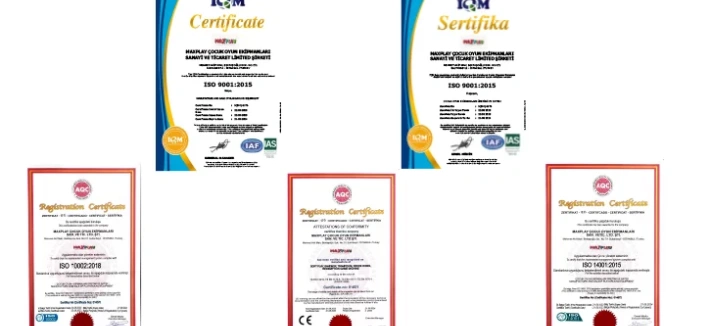
Certified production should be supported by verifiable documentation, appropriate testing, material specifications, and clear installation instructions. CE marking should only be used where the relevant legislation requires or permits it; it should not be treated as a blanket playground safety certificate.
For soft playground equipment, material selection is equally important. Commercial-grade padding, durable protective coverings, secure connections, and surfaces suitable for routine cleaning help maintain hygiene and operational reliability. Materials intended for children’s environments should be selected with appropriate chemical safety and intended-contact considerations.
In practical operation, one frequently overlooked issue is maintenance access. A projector mounted above a climbing structure may be difficult to service without closing a substantial part of the facility. Locating electronic components where technicians can reach them safely can reduce disruption and operating costs.
Accessibility should also influence the initial design, including entrance widths, circulation routes, sensory alternatives, and opportunities for children with different abilities to participate meaningfully.
Why Turkish Manufacturers Are Suitable Partners for Custom Interactive Playground Projects in Ireland?
Turkey has developed a competitive manufacturing position for customized commercial play structures, offering Irish investors an alternative to suppliers in China and other international production markets. Turkish interactive playground manufacturers can combine project-specific fabrication, flexible configurations, and geographically practical transport connections with European destinations.
For buyers comparing international suppliers, price alone provides an incomplete picture. Manufacturing quality, material traceability, production schedules, shipping arrangements, installation support, and replacement-part availability all affect the final investment. Turkish production can offer competitive factory-direct pricing while reducing certain transport and coordination challenges associated with longer supply routes from Asia.
Road freight and multimodal shipping from Turkey to Ireland can provide practical delivery options for commercial playground components. Depending on the shipment, routes may combine road transport, European transit networks, and ferry services. Air cargo may be considered for urgent replacement parts or smaller components, although it is generally less economical for large playground structures.
Turkish suppliers may achieve shorter delivery schedules than some overseas competitors, particularly when manufacturing capacity, component availability, and logistics planning are aligned. Nevertheless, actual lead times should be confirmed rather than assumed.
For bespoke interactive playground solutions, the strongest advantage is often the ability to coordinate custom dimensions, structural components, themed finishes, and interactive equipment within a single project plan.
Premium material specifications, documented quality control, and health-conscious manufacturing practices should remain central to supplier evaluation, regardless of country of origin.
Selecting Modular Play Equipment and Scalable Attractions for Future Facility Expansion
Expansion planning is particularly relevant for operators opening their first family entertainment facility. A modular concept allows businesses to begin with essential attractions and introduce additional activities as demand becomes clearer. Modular entertainment attractions may include expandable climbing structures, additional activity panels, themed extensions, and separate interactive stations.
A facility might initially install a central indoor soft playground equipment structure with slides, tunnels, and a toddler section. After reviewing visitor demand, the operator could add a projection activity or expand the adventure course. However, this strategy works only when the original design anticipates structural connections, circulation requirements, and future electrical capacity.
When comparing soft play equipment wholesale offers, buyers should distinguish between purchasing standard components and commissioning a fully engineered commercial installation. Wholesale purchasing can suit resellers or operators with established technical resources, while custom projects generally require more extensive design coordination and installation planning.
A reliable indoor playground supplier should explain which components are genuinely interchangeable, whether replacement parts will remain available, and how expansion may affect existing safety documentation.
The same principle applies when selecting a trampoline park manufacturer for a larger leisure development. Future expansion should be considered alongside structural loads, required clearances, supervision, and activity-specific safety requirements.
For investors, the most economical solution is not necessarily the lowest initial quotation. Equipment lifespan, adaptability, maintenance access, and the cost of future modifications should form part of the purchasing assessment.
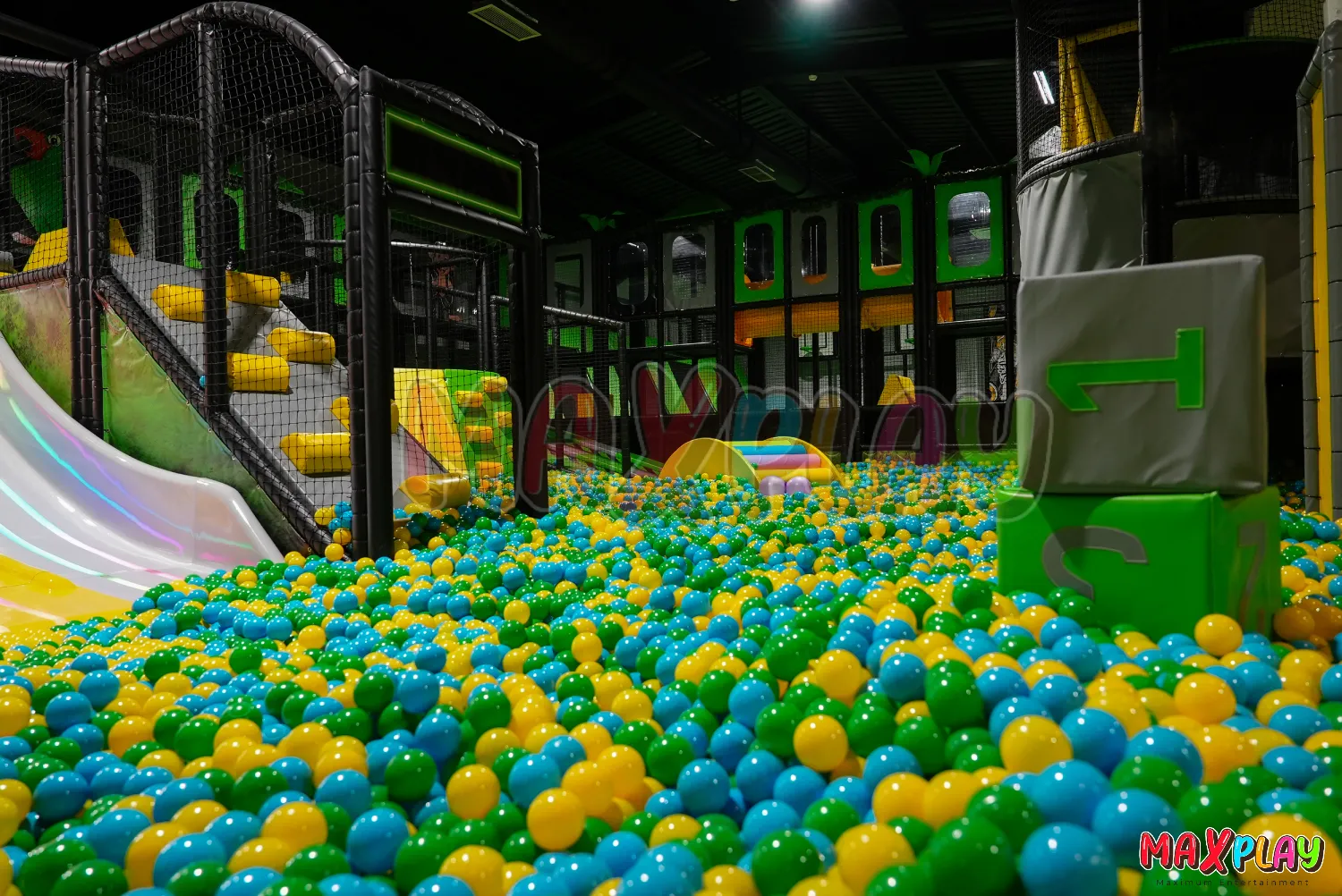
How MaxPlay Integrates Interactive Attractions and Custom Soft Play Solutions for Irish Entertainment Businesses?
MaxPlay approaches commercial playground development as an integrated design and manufacturing process, bringing together spatial planning, structural engineering, equipment production, and international project coordination. As a Turkish manufacturer, the company supports businesses developing indoor entertainment environments for shopping centres, family activity facilities, hospitality properties, and other commercial venues.
Its manufacturing scope includes multi-level adventure structures, climbing features, slides, padded activity areas, themed playground environments, and supporting attractions. Interactive elements can be considered within the overall design according to the project’s technical requirements, intended visitor groups, and available space. This coordinated approach helps avoid the problems that can arise when independently sourced equipment is introduced without sufficient consideration of structural compatibility or visitor circulation.
MaxPlay’s experience in custom indoor playground equipment development allows project requirements to be evaluated from the initial layout stage. Rather than relying entirely on standard catalogue dimensions, equipment configurations can be adapted to architectural restrictions, desired themes, operating capacity, and age-specific activity needs.
For Irish businesses, international delivery planning is another important part of the process. Factory preparation, protective packaging, freight coordination, installation sequencing, and technical documentation all influence whether equipment reaches the destination ready for efficient assembly. Turkey’s manufacturing infrastructure and access to European logistics networks can help MaxPlay offer competitive project pricing and practical shipping arrangements compared with more distant sourcing markets.