





Soft Play Equipment Wholesale Suppliers in Sweden: Advantages for Resellers
The market for Soft Play Equipment Wholesale Suppliers in Sweden presents significant opportunities for distributors, commercial playground developers, and businesses supplying children’s entertainment facilities. As Swedish operators invest in indoor leisure environments that accommodate different age groups and changing visitor expectations, resellers need more than competitively priced equipment. They require dependable manufacturing partners, flexible product configurations, documented safety standards, and predictable international delivery arrangements.
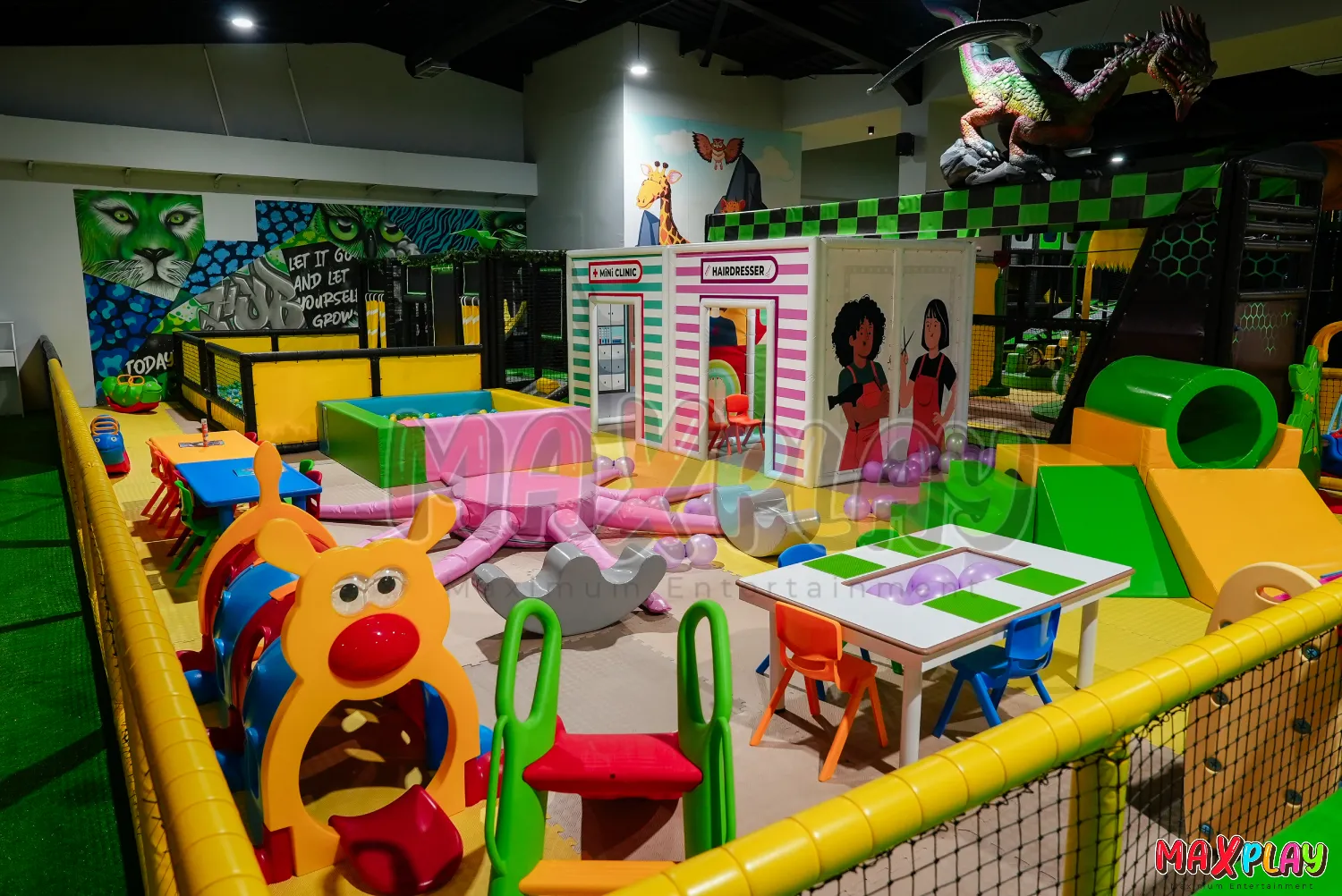
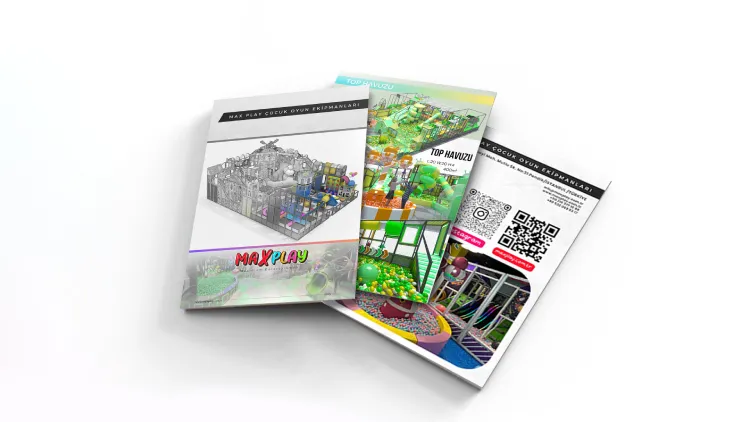
As MaxPlay Playground Equipment, we provide professional solutions for indoor playgrounds and soft play areas. We design, manufacture, install, and assemble indoor playground equipment and soft play systems for commercial spaces. Contact us for turnkey indoor playground projects.
| Landline: | 0216 377 10 88 |
| Mobile / WhatsApp: | 0532 069 53 17 |
| E-Mail: | info@maxplay.com.tr |
| Address: | Google Maps |
You can contact us for all your projects across Türkiye and international markets.
Our Services:
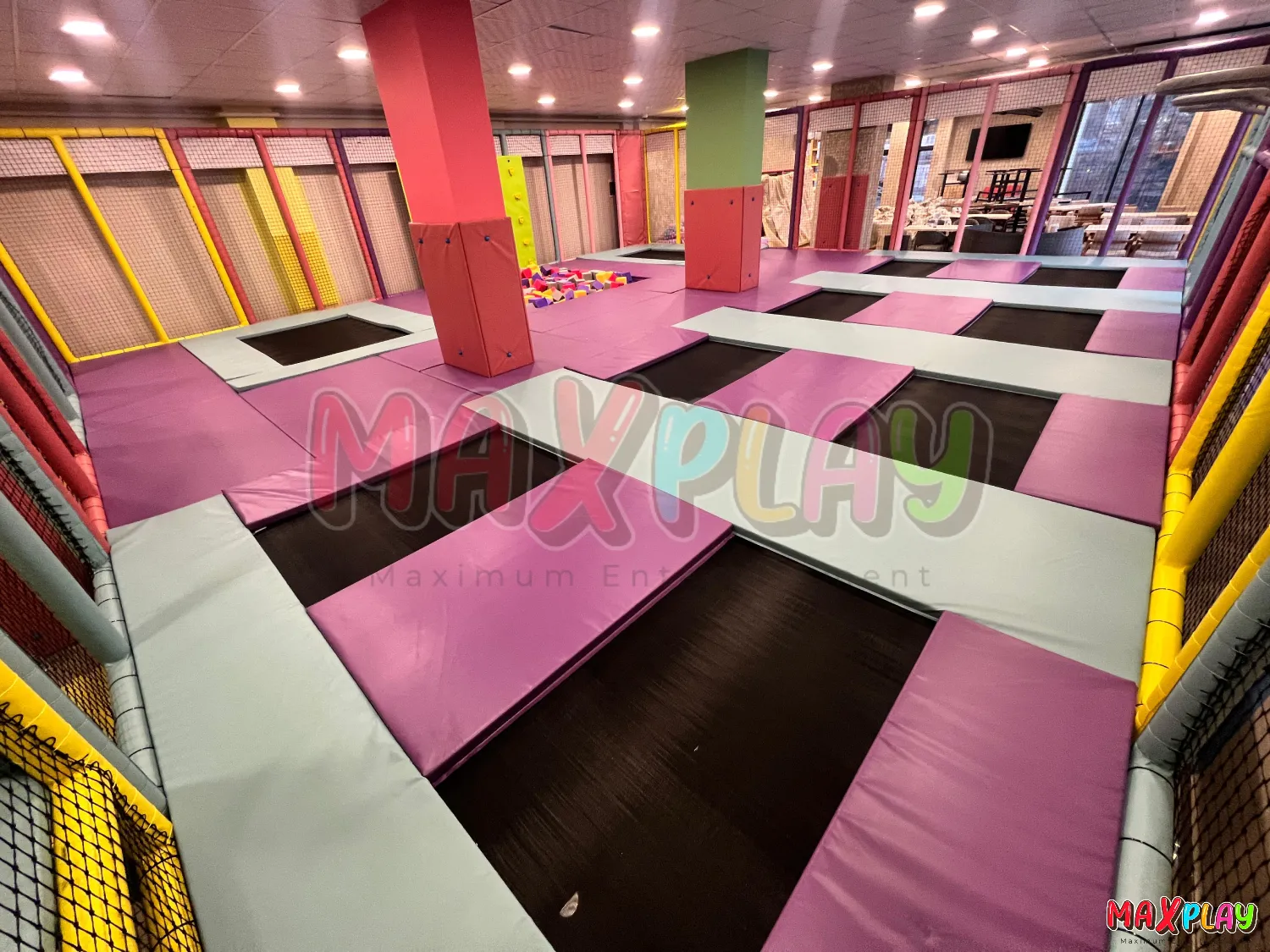
- Trampoline Manufacturing – Trampoline Park Installation
- Ball Pit Manufacturing – Ball Pit Playground Installations (with slides, etc.)
- Interactive Play Systems (Moving Soft Play Toys & Equipment)
- Sand Pit – Sand Play Areas
- Playgrounds and Role-Play Houses for Kindergartens & Nurseries
- Indoor playgrounds for businesses such as shopping malls, cafés, restaurants, etc.
- And all customized playground projects tailored to your specific needs.
For companies evaluating soft play wholesale suppliers Sweden, the central purchasing challenge is balancing product quality, acquisition costs, installation requirements, and long-term commercial value. Working directly with experienced manufacturers in Turkey offers an alternative to conventional European distribution networks and distant Asian sourcing arrangements. Turkish producers can combine custom engineering, competitive factory pricing, and established freight connections with Northern Europe, allowing Swedish businesses to develop commercially viable playground portfolios without compromising essential quality requirements.
Wholesale Opportunities in Sweden’s Commercial Indoor Play Equipment Market
Sweden’s indoor recreation sector serves a diverse range of commercial environments, including family entertainment centres, shopping destinations, children’s activity facilities, and hospitality businesses. Seasonal weather conditions make indoor recreation particularly relevant, while demand for organised family activities creates opportunities for operators offering distinctive experiences. For businesses involved in commercial playground equipment distribution, this variety supports multiple product categories rather than dependence on one standard playground configuration.
In practice, one of the most important considerations is the difference between supplying a complete entertainment facility and delivering individual replacement attractions. A new family entertainment centre may require a multi-level adventure structure, dedicated toddler section, climbing activities, and integrated seating arrangements. An established operator might need only additional slides, protective padding, or a redesigned activity zone. Distributors capable of serving both purchasing situations can reach a broader customer base while developing recurring relationships.
However, Sweden’s commercial market should not be approached as a uniform sales territory. Available floor space, building characteristics, regional competition, and customer demographics influence equipment selection. A supplier targeting compact urban venues will require a different catalogue from one serving large destination attractions. Successful wholesalers therefore build their portfolios around identifiable customer requirements, installation feasibility, and sustainable demand rather than simply importing the widest possible selection of products.
MaxPlay Playground Equipment Overview
| Equipment Name | Description | Key Benefits |
| Ball Pool | Colorful pit filled with balls for safe sensory play. | Safe fun for toddlers, easy to clean, encourages motor skills. |
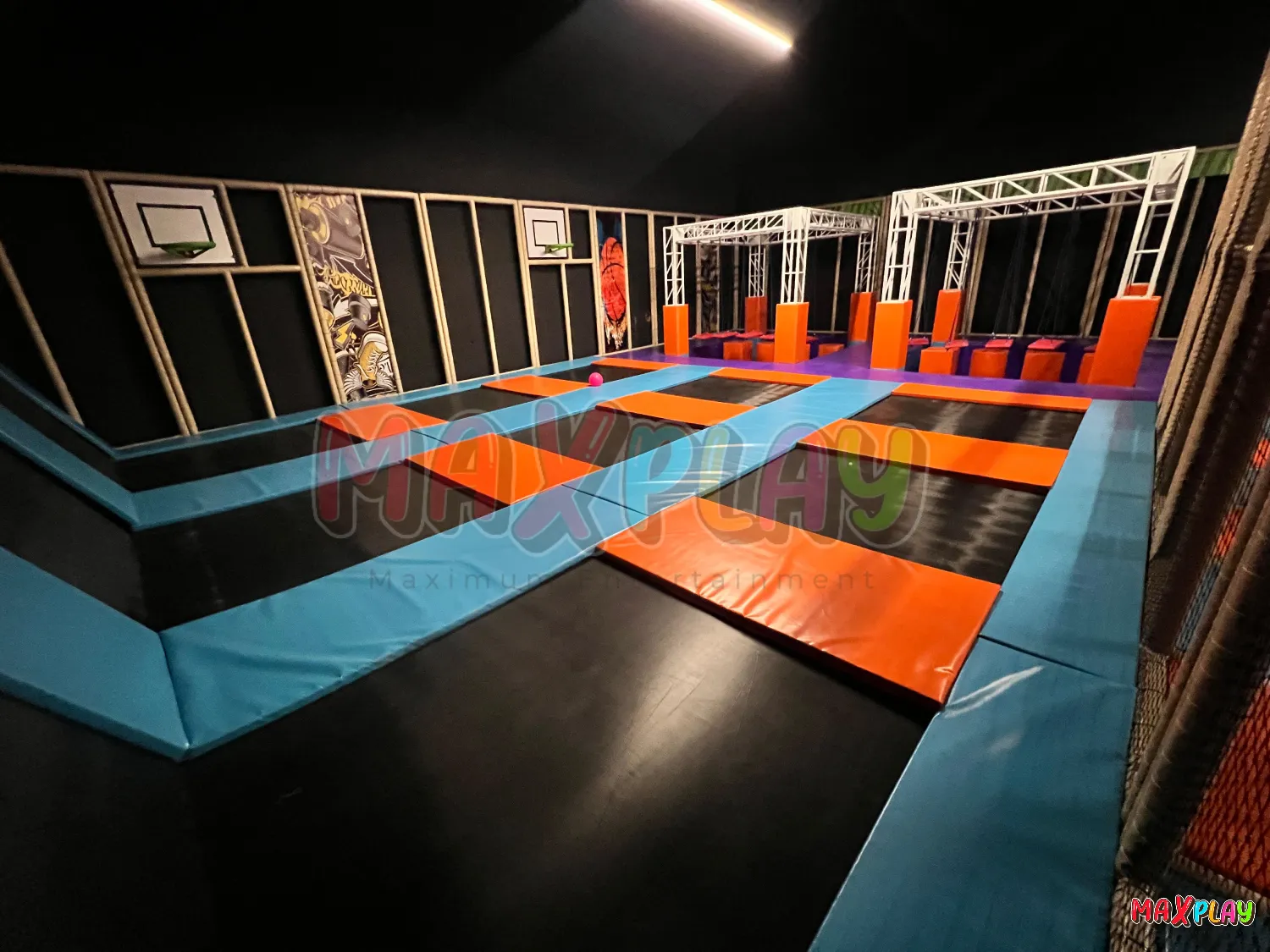
| Trampoline | High-quality indoor trampolines. | Builds balance and strength, child-safe design, durable materials. |
| Interactive Game Sets | Digital and physical interactive play stations. | Boosts learning, cognitive skills, and engagement. |
| Profession Houses | Role-play houses designed for kids. | Encourages creativity, social interaction, and imagination. |
| Trampoline Park | Large-scale trampoline structures. | Suitable for older kids, high durability, safe design. |
| Roller Slide | Conveyor-style (roller) slides for continuous fun. | Efficient design, fun motion play, safe structure. |
| Tower Slide | Tower slides designed for adventure play. | Exciting design, strong safety standards, eye-catching feature. |
| Climbing Wall | Indoor climbing walls. | Builds strength and coordination, safe grips, customizable difficulty levels. |
| Volcano Slide | Volcano-shaped slides with climbing and sliding features. | Combines climbing and sliding, unique design, fun for multiple age groups. |
Understanding the Purchasing Needs of Swedish Playground Distributors and B2B Resellers
Businesses operating in the Swedish playground reseller market generally face two purchasing models. Some maintain physical inventory and sell standard components through established distribution channels. Others work on a project basis, coordinating design, manufacturing, international transportation, and installation for individual commercial customers. These approaches require different supplier arrangements, particularly regarding minimum order quantities, payment schedules, customization, and production lead times.
A recurring procurement challenge is the gap between a manufacturer’s catalogue specifications and the actual requirements of the installation site. Ceiling heights, structural columns, emergency exits, ventilation equipment, and accessibility routes can significantly affect playground dimensions. Experienced resellers obtain accurate site measurements before requesting final production drawings, reducing the risk of modifications after equipment arrives. Reliable B2B playground supplier partnerships should therefore provide access to technical drawings, dimensional information, and engineering support during the quotation process.
Resellers must also evaluate whether a supplier’s production capabilities match their sales strategy. Standardized products may be appropriate for businesses prioritizing quick stock turnover, whereas bespoke structures suit distributors managing complete commercial developments. The strongest purchasing arrangement is not necessarily the one offering the lowest unit price. It is the partnership that enables consistent quotations, manageable delivery schedules, appropriate technical documentation, and predictable project execution.
Building a Wholesale Catalogue with Modular Play Structures, Ball Pools and Adventure Components
A commercially useful modular play equipment catalogue should contain products that can be combined, expanded, and adapted to different venue dimensions. Multi-level climbing frames, padded obstacles, crawl tunnels, rope activities, slides, and interactive elements provide the foundation for many indoor recreation projects. Modular engineering allows distributors to offer several configurations using compatible components, reducing unnecessary complexity in product selection and future maintenance.
Core catalogue categories should include indoor play set configurations, toddler play set indoor solutions, soft playground equipment, and ball pool systems. These products serve different developmental stages and operating environments. For example, toddler installations typically emphasize low platforms, accessible activities, soft surfaces, and clear supervision lines. Adventure structures for older children can incorporate elevated routes, climbing challenges, and more demanding physical activities, provided the design matches the intended age group and applicable safety requirements.
A practical catalogue should also distinguish between primary attractions and supporting components. Primary equipment creates the main visitor experience, while entrance gates, padding, netting, replacement covers, and modular barriers support daily operation. Distributors that organize their product ranges around installation dimensions, age suitability, material specifications, and maintenance requirements make purchasing easier for commercial clients. This approach also improves quotation accuracy and helps customers understand the operational differences between apparently similar products.
Choosing Products for Nordic Play Cafés, Activity Centres and Family-Oriented Hospitality Venues
The purchasing priorities of Nordic hospitality venues differ considerably from those of dedicated entertainment centres. A play café may require a compact, visually coordinated installation that allows parents to supervise children while seated. A large indoor activity centre, by comparison, may prioritize visitor capacity, varied physical challenges, and multiple independent attractions. Effective Nordic indoor play equipment sourcing begins with understanding how the venue generates revenue and how children move through the available space.
For smaller hospitality businesses, indoor soft playground equipment often provides a practical solution because padded climbing elements, low slides, and contained activity zones can be adapted to limited floor areas. Equipment should be selected according to the venue’s actual supervision arrangements, cleaning procedures, and expected user age range. An elaborate multi-level structure may be unsuitable for a narrow restaurant area, even when its initial purchase price appears attractive.
Larger leisure facilities may benefit from complementary attractions such as interactive playground equipment, climbing courses, and carefully planned trampoline park equipment. These systems introduce additional engineering, supervision, inspection, and maintenance considerations. Distributors should not present them as interchangeable with conventional soft play installations. In real operating conditions, the most successful equipment selection is often the one that matches staffing capacity, visitor behaviour, and maintenance resources rather than the most visually impressive catalogue option.
Why Swedish Resellers Should Consider Factory-Direct Soft Play Procurement from Turkey?
Direct purchasing from Turkish manufacturers can provide Swedish distributors with greater control over product specifications, manufacturing communication, and procurement costs. Unlike purchasing through multiple intermediary companies, factory-direct soft play procurement creates a clearer connection between the reseller’s commercial requirements and the production team responsible for manufacturing the equipment. This is especially valuable when projects require non-standard dimensions, custom colours, or integrated activity combinations.
Established Turkish playground equipment wholesalers and manufacturers can offer competitive pricing through direct production arrangements, adaptable engineering processes, and access to industrial supply networks. Turkey’s geographical position also supports road freight connections to European markets. Compared with some shipments originating in China, transportation from Turkey can involve shorter routes and potentially faster replenishment, depending on factory capacity, customs procedures, shipment size, and the selected logistics service. Quality advantages must still be established through material testing, production controls, and documented compliance rather than country of origin alone.
The most important practical advantage is coordination. When a Swedish distributor requests a modification to an adventure structure, direct access to the manufacturing team can simplify technical discussions and reduce the risk of specification misunderstandings. For Turkish manufacturing partnerships to deliver sustainable value, however, suppliers must demonstrate reliable communication, transparent production milestones, consistent component quality, and the ability to support future orders.
Comparing Wholesale Pricing Structures, Minimum Order Quantities and Distribution Margins
Wholesale pricing should be evaluated through total landed cost rather than factory quotation alone. Equipment dimensions, material grades, customization requirements, packaging volume, transportation arrangements, import administration, and installation responsibilities all influence the final commercial result. For bulk commercial playground orders, manufacturers may offer improved unit economics through consolidated production and optimized material purchasing, but these savings depend on the actual configuration and order volume.
A common mistake is comparing two suppliers using only their initial equipment prices. One quotation may exclude technical drawings, packaging, freight, replacement components, or installation support, while another includes several of these services. This creates misleading comparisons and can reduce playground distributor profit margins after the project is contracted. Resellers should request itemized quotations that distinguish manufacturing costs, optional equipment, logistics, and additional services.
Minimum order quantities also require careful assessment. Stock-based distributors may benefit from repeat orders of standardized components, whereas project-based resellers often need flexibility for individually configured structures. Turkish manufacturing can compete with Chinese and other international suppliers on overall procurement value, particularly when shorter transport distances, customization, and communication efficiency are considered. Nevertheless, distributors should compare equivalent specifications and realistic delivery terms before assuming one sourcing country offers the lowest overall cost.
Custom Manufacturing Options for Distributor-Specific Product Ranges and Branded Play Concepts
Customization is an important commercial advantage for distributors seeking to differentiate themselves from competitors offering standard catalogue products. Customized wholesale play structures can incorporate venue-specific dimensions, distinctive colour combinations, themed decorative panels, and age-appropriate activity arrangements. This allows resellers to address customer requirements without developing their own manufacturing facilities or engineering departments.
For private-label playground sourcing, the supplier agreement should clearly define branding permissions, product documentation, component identification, and responsibility for technical support. A reseller may wish to market a coordinated collection under its own commercial identity while retaining the original manufacturer’s production records for traceability. Private-label arrangements should not obscure the actual manufacturer or interfere with required product identification and compliance documentation.
Practical customization also involves balancing visual appeal with production efficiency. Reusing established structural components while modifying selected panels, entrances, colours, and activity modules can be more economical than developing every project from entirely new components. This method is particularly suitable for distributors supplying multiple branches of a hospitality chain or entertainment operator, where a recognizable design identity must be maintained across facilities with different dimensions.
Material Quality, Safety Documentation and Product Traceability for the Swedish Market
Material selection directly influences durability, hygiene, cleaning requirements, and long-term operating performance. High-quality commercial soft play equipment commonly incorporates engineered structural frames, protective foam padding, coated surface materials, secured netting, and impact-attenuating flooring selected for the intended use. First-class manufacturing should involve controlled material sourcing, consistent fabrication methods, suitable finishing, and documented inspection procedures rather than relying on premium-quality marketing descriptions.
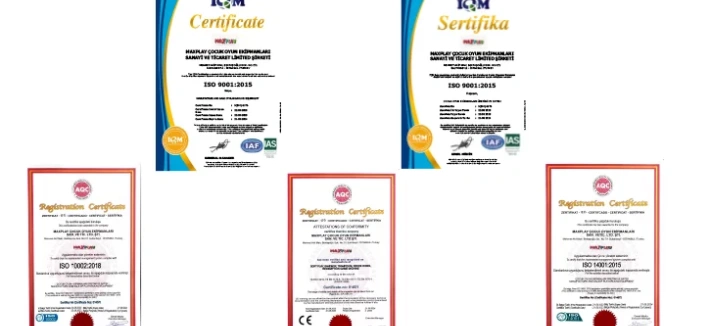
For Swedish projects, resellers should assess relevant European safety standards, including EN 1176 and EN 1177 where applicable, alongside the specific requirements of the equipment and installation. Fire performance, chemical safety, surface durability, and material suitability may require additional assessment. CE marking should only be claimed where the product falls within legislation requiring it; it is not a universal certification for every commercial playground structure. Similarly, TÜV inspection or certification claims must be supported by documentation identifying the assessed products and scope.
Reliable soft play product traceability helps distributors identify manufacturing batches, replacement materials, component specifications, and inspection records. In practical operation, traceability becomes particularly valuable when a damaged protective cover or worn component requires replacement several years after installation. Health-conscious production should prioritize appropriate material selection, documented chemical compliance, cleanable surfaces, and avoidance of unsuitable substances. Distributors should request supporting evidence instead of accepting general statements about certified or child-safe manufacturing.
Organizing Consolidated Shipments, Inventory Planning and Repeat Orders from Turkish Factories
International transportation can significantly influence the profitability of playground distribution. Large structures contain numerous components with different dimensions, weights, and protection requirements, making packaging design an important part of export preparation. Well-organized consolidated playground freight shipments combine compatible products into coordinated loads, potentially reducing transportation costs and simplifying delivery management compared with numerous separate consignments.
Turkey offers practical road freight connections to Sweden through established European transport networks, with additional sea freight and multimodal options available depending on shipment characteristics. Express cargo or air freight may be appropriate for selected small replacement parts, although these methods are generally less economical for complete playground structures. Delivery speed depends on manufacturing completion, packaging, carrier availability, transit arrangements, and customs clearance. Turkish sourcing can provide shorter transport routes than many Asian alternatives, but confirmed schedules should always be based on the specific shipment.
Effective reseller inventory planning also requires distinguishing between products worth holding in stock and components better ordered against confirmed projects. Frequently requested padding, connectors, netting, and standard accessories may justify safety stock. Large customized structures generally create unnecessary warehousing costs when produced without an identified customer. A structured commercial play equipment supply chain should therefore combine predictable replenishment, accurate component identification, and agreed lead times for repeat production.
Establishing Long-Term Supplier Agreements for Replacement Parts, Technical Assistance and Product Expansion
Long-term distribution success depends on supplier performance after the initial shipment. Playground structures operate in demanding commercial environments where frequent contact, cleaning, and continuous use gradually affect certain components. Access to replacement playground components is therefore an essential purchasing consideration. Resellers should confirm whether suppliers maintain technical drawings, component references, and compatible materials for previously manufactured projects.
A comprehensive supplier agreement should clarify warranty coverage, exclusions, spare-part availability, technical communication procedures, and responsibilities for installation-related issues. In real-world operations, minor replacement requirements can become expensive when component dimensions or material specifications are unavailable. Agreements should also establish how product modifications are documented so that future replacement orders remain compatible with existing installations.
Product expansion is another consideration. A distributor may initially supply indoor playground equipment manufacturers’ standard soft play systems before expanding into more specialized attractions. Cooperation with an experienced indoor playground supplier can support this development, provided the manufacturer has demonstrated competence in the relevant equipment categories. Resellers considering products from a trampoline park manufacturer should separately evaluate structural engineering, operating procedures, and specialized safety requirements rather than assuming conventional playground expertise automatically covers trampoline facilities.
How MaxPlay Supports Swedish Resellers with Custom Soft Play Production and Wholesale Supply Solutions?
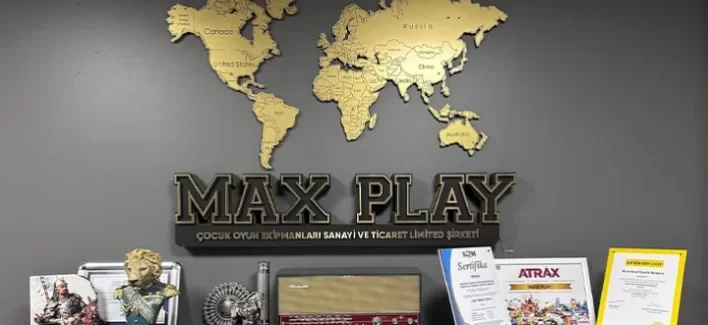
MaxPlay is a Turkish manufacturer specializing in commercial indoor playground systems, custom soft play structures, and integrated children’s entertainment environments. Its project-oriented approach combines design, engineering, production, international shipping coordination, and installation-related support. For Swedish distributors seeking soft play equipment wholesale solutions, this manufacturing model provides an alternative to purchasing fixed configurations through conventional intermediary networks.
MaxPlay’s production capabilities cover indoor play equipment, multi-level adventure structures, ball pools, slides, toddler activity areas, and complementary entertainment attractions. As one of the soft play manufacturers serving international commercial projects, the company focuses on adaptable configurations rather than limiting buyers to standardized layouts. Its manufacturing approach can support distributors requiring project-specific dimensions, themed designs, and modular expansion possibilities. Technical specifications, applicable certifications, and material documentation should be reviewed for each proposed installation to ensure alignment with Swedish project requirements.
For businesses comparing soft play equipment wholesale suppliers in Sweden with international production partners, MaxPlay offers factory-direct procurement, competitive pricing, customized engineering, and coordinated delivery from Turkey. Its manufacturing and export model can provide advantages over selected Chinese and European sourcing alternatives in transportation distance, project flexibility, and overall procurement value, subject to the requirements of each order. MaxPlay also offers free preliminary playground project design, allowing distributors to evaluate layouts and equipment combinations before committing to manufacturing. Request your free playground project today and contact MaxPlay to discuss wholesale pricing, custom manufacturing, and delivery solutions for your Swedish distribution business.