





Commercial Indoor Playground Equipment in Bosnia and Herzegovina: Investment Overview
Investing in commercial indoor playground equipment in Bosnia and Herzegovina involves more than purchasing play structures and preparing a suitable building. A successful family entertainment business requires a carefully developed concept, realistic financial planning, appropriate equipment selection, and an operating strategy that balances visitor experience with long-term profitability. For entrepreneurs entering the children’s entertainment industry, decisions made during the planning stage directly influence construction expenses, operating efficiency, customer satisfaction, and future expansion opportunities.
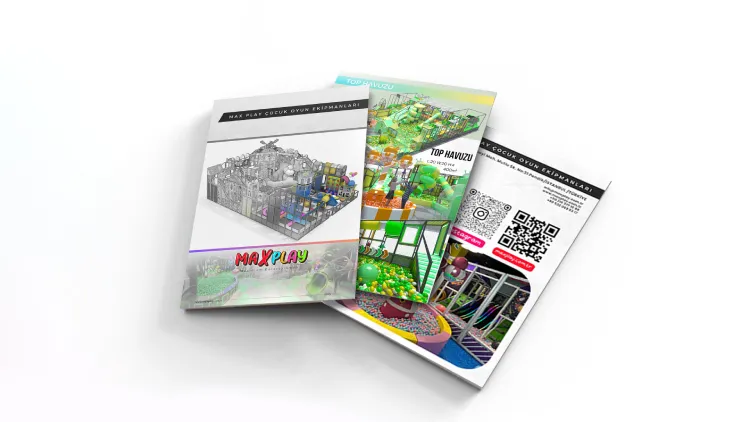
As MaxPlay Playground Equipment, we provide professional solutions for indoor playgrounds and soft play areas. We design, manufacture, install, and assemble indoor playground equipment and soft play systems for commercial spaces. Contact us for turnkey indoor playground projects.
| Landline: | 0216 377 10 88 |
| Mobile / WhatsApp: | 0532 069 53 17 |
| E-Mail: | info@maxplay.com.tr |
| Address: | Google Maps |
You can contact us for all your projects across Türkiye and international markets.
Our Services:
- Trampoline Manufacturing – Trampoline Park Installation
- Ball Pit Manufacturing – Ball Pit Playground Installations (with slides, etc.)
- Interactive Play Systems (Moving Soft Play Toys & Equipment)
- Sand Pit – Sand Play Areas
- Playgrounds and Role-Play Houses for Kindergartens & Nurseries
- Indoor playgrounds for businesses such as shopping malls, cafés, restaurants, etc.
- And all customized playground projects tailored to your specific needs.
Bosnia and Herzegovina offers opportunities for indoor recreation businesses in cities such as Sarajevo, Banja Luka, Mostar, Tuzla, and Zenica. Shopping centres, residential districts, hospitality establishments, and mixed-use commercial developments can accommodate different entertainment concepts. However, demand should be evaluated at the individual location level rather than assumed from national market conditions. Investors must consider family demographics, competing attractions, purchasing power, seasonal attendance, and accessibility before committing capital.
Working with experienced indoor playground equipment manufacturers can simplify the technical aspects of development. Manufacturers based in Turkey offer an alternative to European distributors and Asian suppliers through customized engineering, factory-direct production, competitive pricing, and relatively short transport routes. Understanding these procurement advantages alongside operating costs and revenue opportunities helps investors establish facilities designed for commercial sustainability.
Understanding Indoor Playground Business Opportunities in Bosnia and Herzegovina
The commercial children’s entertainment market serves several customer groups, including families seeking weekend activities, parents organizing birthday celebrations, shopping centre visitors, and hospitality businesses looking to improve their family-oriented services. Unlike outdoor attractions, indoor facilities can operate throughout the year, although visitor numbers still depend on school schedules, holidays, local competition, and weather conditions.
A reliable commercial indoor playground investment Bosnia and Herzegovina strategy begins with a local feasibility assessment. In practice, one of the most common mistakes is estimating demand from city population alone. The more relevant indicators are the number of families within a realistic travel radius, parking availability, competing entertainment options, and how frequently households can afford repeat visits. A neighbourhood with fewer residents but convenient access and limited competition may outperform a larger commercial district.
For playground project feasibility planning, investors should evaluate weekday and weekend demand separately. A facility near residential communities may attract preschool children during mornings, school-age visitors after classes, and family groups on weekends. These differences influence equipment selection, opening hours, staffing, and pricing. A well-positioned facility should serve identifiable customer needs rather than relying entirely on occasional high-attendance periods.
Choosing the Right Business Model: Standalone Play Centres, Shopping Mall Attractions or Family Cafés
The most suitable business model depends on available capital, location characteristics, target customers, and management capacity. A standalone family entertainment centre startup offers substantial flexibility in equipment selection, interior design, admission pricing, and additional services. However, independent premises generally require greater marketing investment because customer traffic must be generated rather than inherited from an existing commercial destination.
Shopping mall playground attractions operate differently. They benefit from established visitor traffic, convenient parking, and proximity to retail businesses. Compact shopping mall playground attractions can transform underused commercial space into family-oriented entertainment areas. Nevertheless, investors must examine rental agreements, operating-hour restrictions, ceiling height, emergency exits, and permitted noise levels. High pedestrian traffic does not automatically translate into paying customers, particularly when the attraction is poorly positioned.
Family cafés represent another business opportunity. These facilities combine supervised or parent-monitored play activities with food and beverage sales, creating multiple income sources. A smaller indoor play set with seating areas may be more commercially appropriate than a large adventure structure. In real operating conditions, the critical challenge is balancing visibility between the café and children’s activities. Parents should be able to observe play areas without obstructing circulation, while food preparation and consumption zones remain appropriately separated from active equipment.
Estimating Initial Investment Requirements for Commercial Indoor Entertainment Facilities
Accurate financial planning requires separating equipment expenditure from the complete cost of opening a facility. A commercial play equipment investment costs assessment should include design, manufacturing, transport, installation, flooring, electrical infrastructure, lighting, ventilation, fire protection, reception systems, furnishings, insurance, and initial marketing. Rent deposits, permits, staff recruitment, and working capital can represent substantial additional expenses.
A practical indoor playground budget estimation process starts with a measured floor plan and an agreed equipment specification. Investors should request quotations that identify individual attractions, structural dimensions, materials, installation responsibilities, and delivery conditions. Comparing two quotations solely by total price is misleading when one includes protective flooring and installation while another covers equipment supply only.
Working capital deserves particular attention. New venues rarely reach stable attendance immediately, so financial forecasts should account for an initial operating period with limited revenue. A realistic indoor playground return on investment calculation considers capital expenditure, monthly fixed costs, variable expenses, depreciation, financing, taxes, and expected utilization. Rather than relying on a single optimistic scenario, investors should prepare conservative, expected, and high-demand forecasts to understand how attendance fluctuations affect profitability.
Essential Equipment Packages for Small, Medium and Large Playground Projects
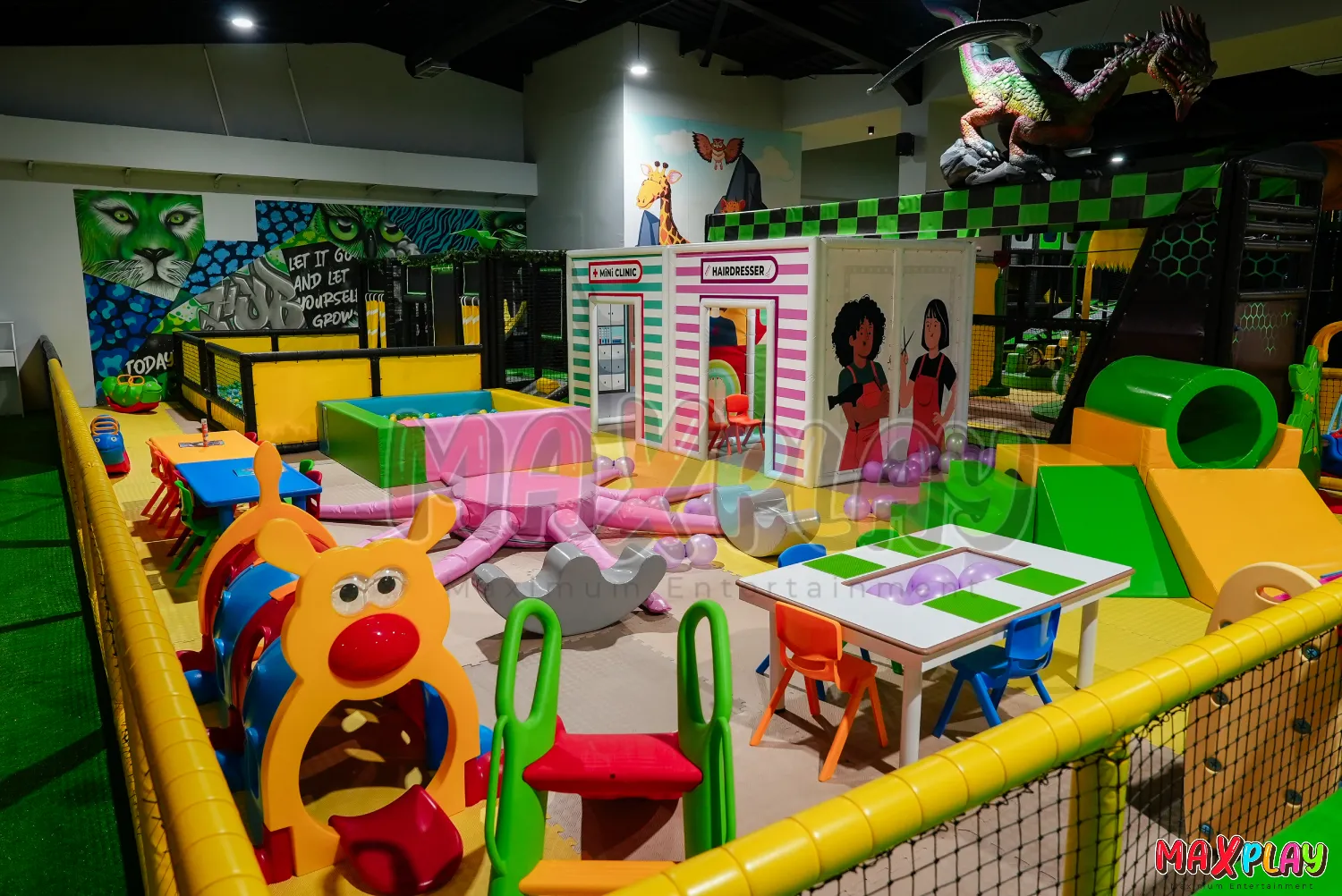
Equipment packages should reflect the usable area, target age groups, and expected attendance rather than simply filling the maximum available space. For smaller venues, modular soft play investment packages often include compact climbing modules, short slides, obstacle elements, and a ball pool. These attractions provide several activities within a controlled footprint and are particularly suitable for family cafés, smaller shopping centre units, and neighbourhood playrooms.
Medium-sized facilities can incorporate multi-level adventure structures, interactive games, dedicated toddler areas, and separate celebration rooms. A thoughtfully configured toddler play set indoor environment should include low climbing elements, padded obstacles, sensory activities, and age-appropriate movement challenges. Physical separation between toddlers and older children reduces collisions and supports more comfortable supervision.
Larger facilities may combine commercial soft play equipment, trampoline attractions, climbing challenges, interactive installations, and party facilities. Investors evaluating soft play equipment wholesale packages should distinguish between standardized modules and project-specific systems. Standard modules can simplify replacement and expansion, while custom-built structures provide greater flexibility for unusual floor plans. The most effective solution frequently combines both approaches, preserving design individuality without creating unnecessary maintenance complexity.
MaxPlay Playground Equipment Overview
| Equipment Name | Description | Key Benefits |
| Ball Pool | Colorful pit filled with balls for safe sensory play. | Safe fun for toddlers, easy to clean, encourages motor skills. |
| Trampoline | High-quality indoor trampolines. | Builds balance and strength, child-safe design, durable materials. |
| Interactive Game Sets | Digital and physical interactive play stations. | Boosts learning, cognitive skills, and engagement. |
| Profession Houses | Role-play houses designed for kids. | Encourages creativity, social interaction, and imagination. |
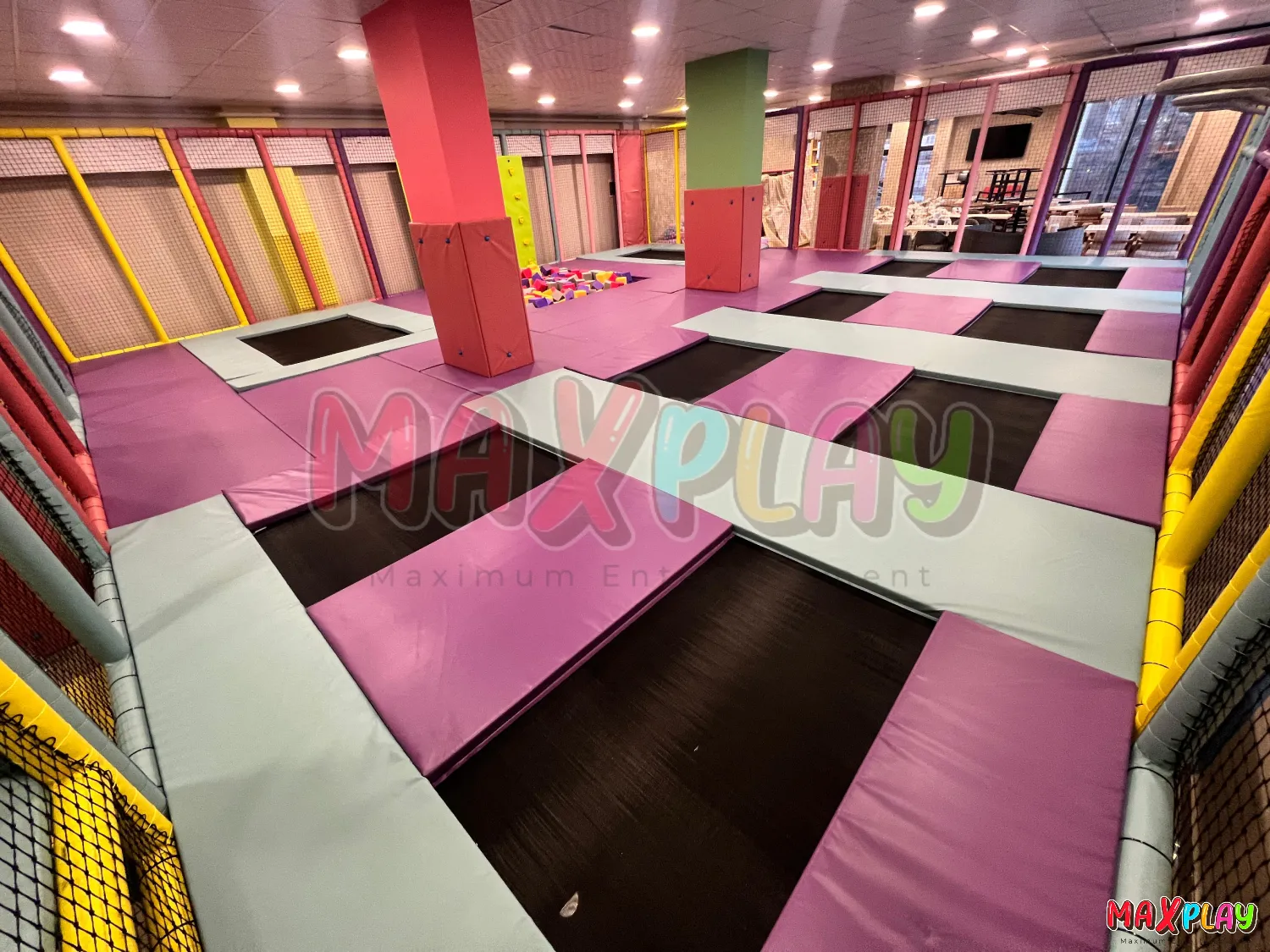
| Trampoline Park | Large-scale trampoline structures. | Suitable for older kids, high durability, safe design. |
| Roller Slide | Conveyor-style (roller) slides for continuous fun. | Efficient design, fun motion play, safe structure. |
| Tower Slide | Tower slides designed for adventure play. | Exciting design, strong safety standards, eye-catching feature. |
| Climbing Wall | Indoor climbing walls. | Builds strength and coordination, safe grips, customizable difficulty levels. |
| Volcano Slide | Volcano-shaped slides with climbing and sliding features. | Combines climbing and sliding, unique design, fun for multiple age groups. |
Revenue-Generating Attractions: Multi-Level Soft Play, Trampoline Zones and Party Areas
Attraction selection should support both visitor satisfaction and revenue generation. Multi-level soft playground equipment offers climbing, crawling, sliding, and obstacle activities within a relatively compact footprint. This makes it valuable for venues where usable floor area is expensive. However, greater structural height is not always better: visibility, rescue access, circulation, and the intended age range must remain central design considerations.
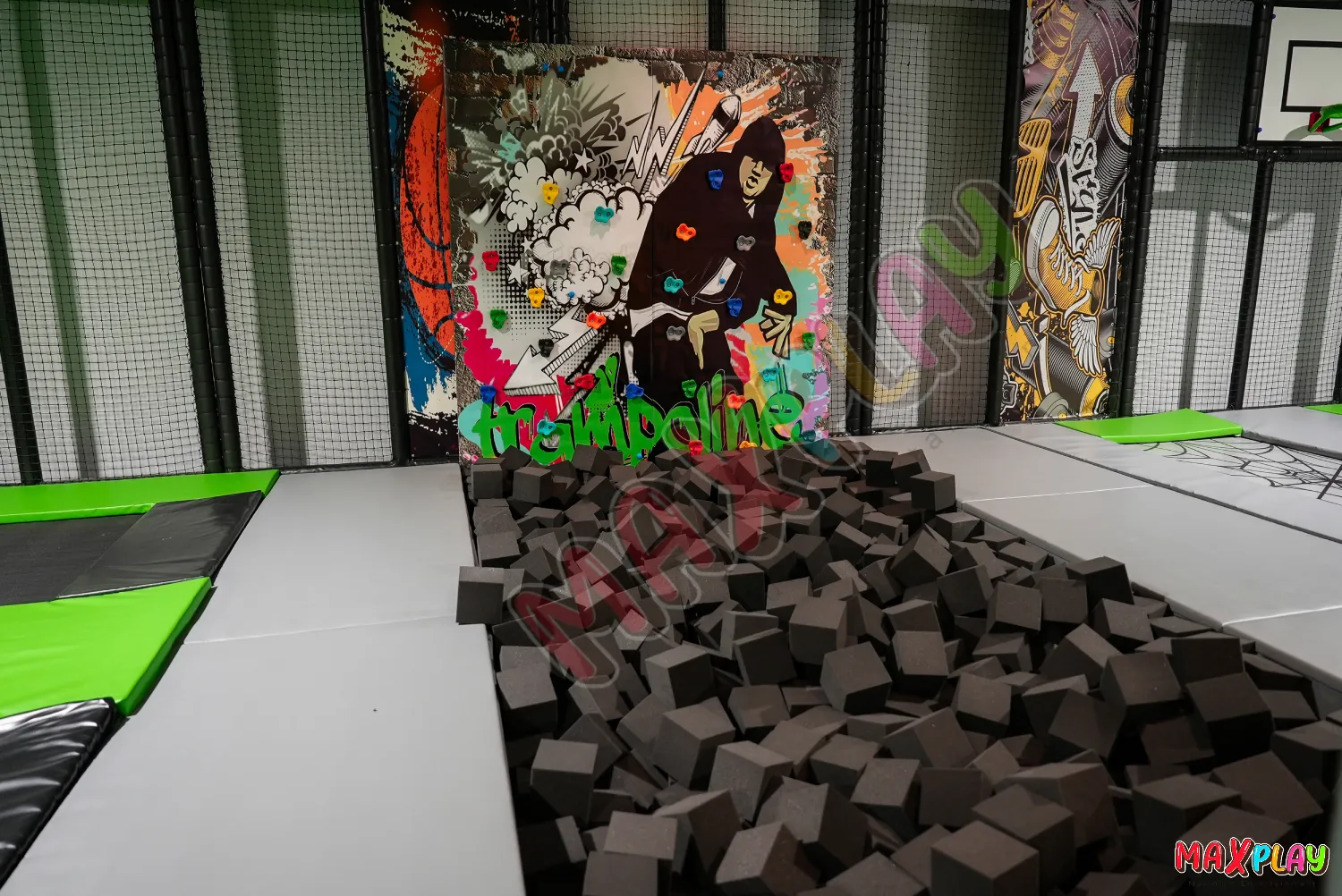
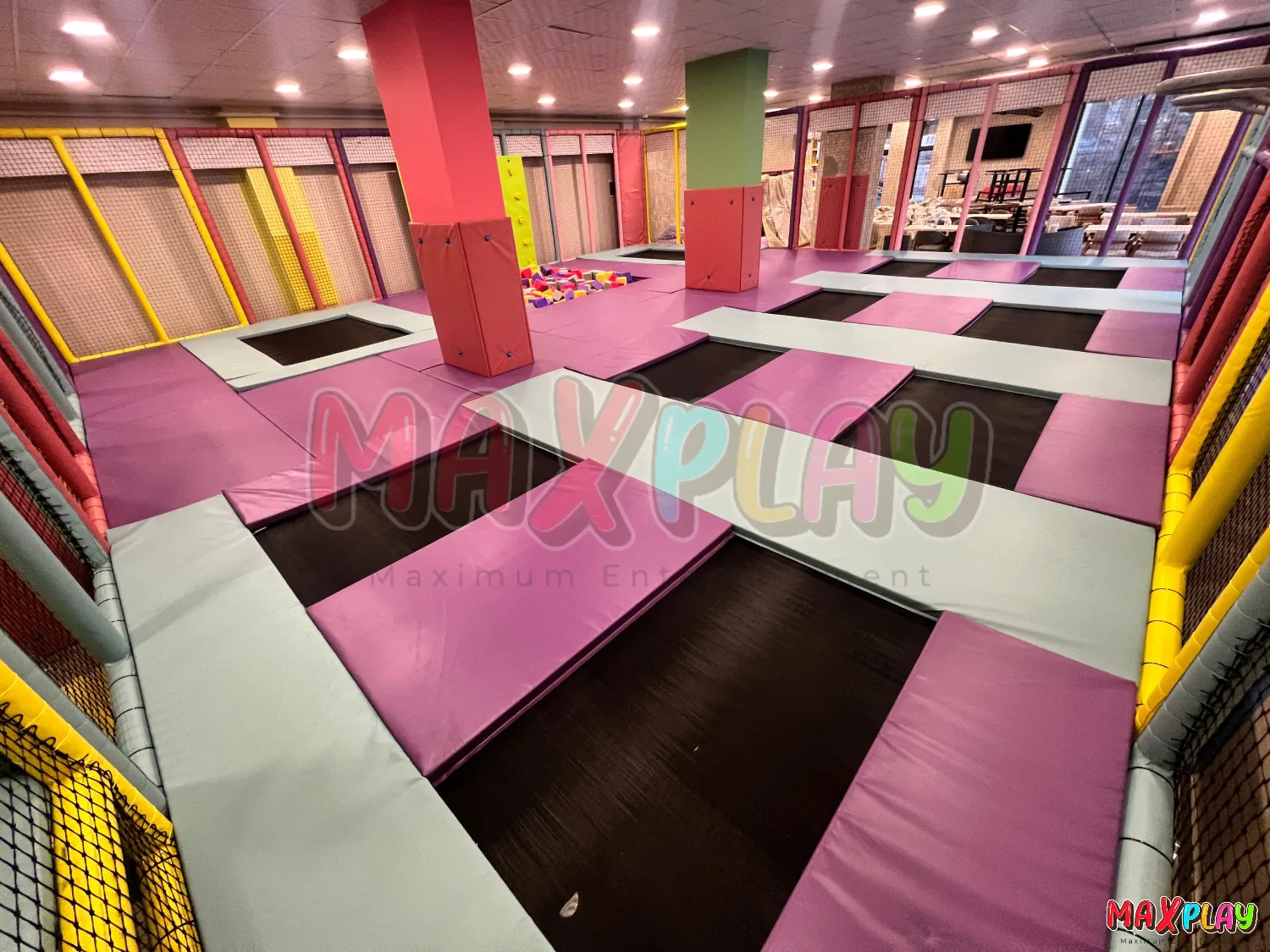
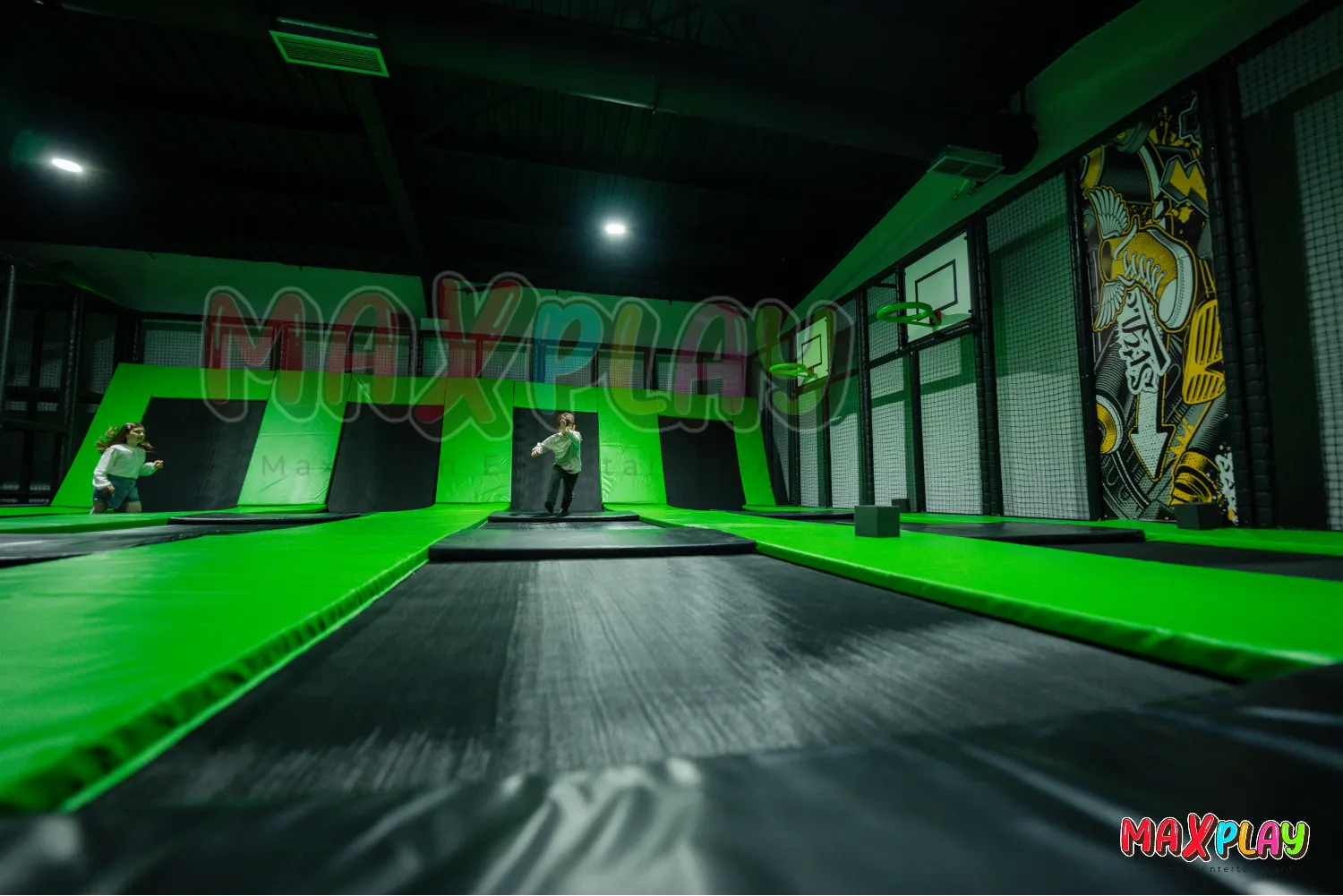
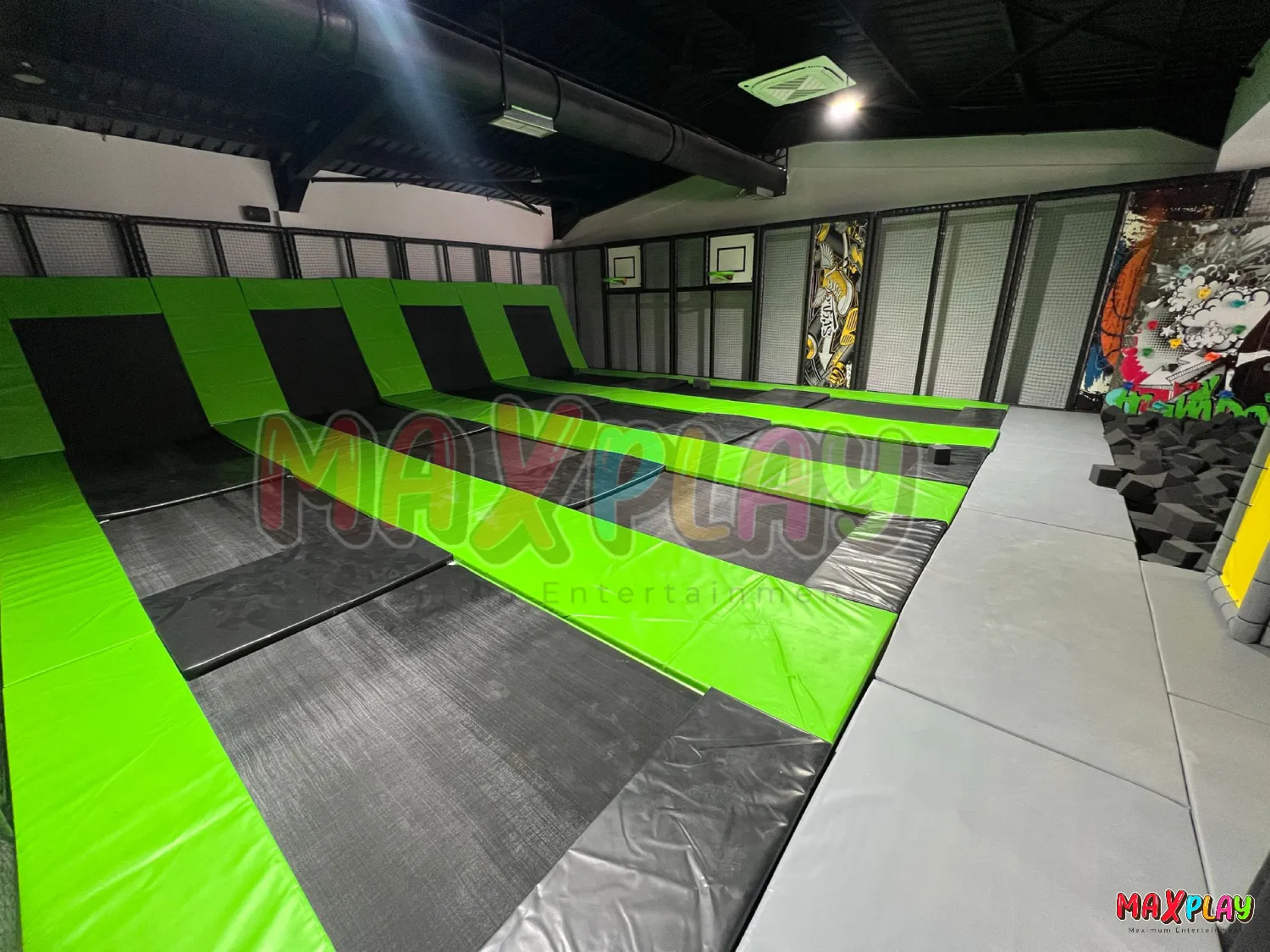
Trampoline attractions can appeal to older children and teenagers, expanding the potential customer base beyond traditional playground users. When evaluating trampoline park equipment, investors should examine structural engineering, impact protection, user separation, supervision requirements, and applicable safety standards. An experienced trampoline park manufacturer should provide clear information about installation specifications, operational limitations, and maintenance procedures. Trampoline areas require their own risk assessment and should not be treated as ordinary soft play modules.
Birthday celebrations are another important commercial opportunity. Dedicated children’s birthday party facilities can generate income through reservation packages, refreshments, decorations, and organized activities. Effective soft play centre revenue models may combine admission tickets, party bookings, memberships, group visits, and selected food services. In practice, a flexible party room that accommodates several booking formats can provide more consistent utilization than an oversized space designed only for occasional large events.
Space Allocation, Visitor Capacity and Age Segmentation in Commercial Playground Planning
A successful layout balances entertainment density with safe circulation and operational efficiency. Commercial playground visitor capacity should be determined through equipment specifications, applicable regulations, exit arrangements, supervision requirements, and the building’s permitted occupancy. Floor area alone cannot establish a safe visitor limit because individual attractions accommodate different numbers of children and require different clearance zones.
For example, a 300-square-metre premises cannot necessarily accommodate 300 square metres of equipment. Reception, storage, toilets, circulation routes, parent seating, emergency access, and service areas all consume space. A practical custom family activity centre design allocates these functions before finalizing attraction dimensions. Ceiling beams, columns, ventilation ducts, and existing electrical installations must also be incorporated into technical drawings.
Age segmentation is equally important. Toddlers benefit from low-height indoor soft playground equipment, sensory panels, and gentle movement activities, while older children generally prefer more demanding climbing and obstacle challenges. Interactive playground equipment can support different age groups through adaptable games and physical activities. In real use, the most effective layouts prevent faster-moving children from passing directly through toddler zones and provide staff with clear sightlines across critical play areas.
Equipment Durability, Safety Requirements and Long-Term Operational Responsibilities
Commercial equipment experiences considerably more intensive use than residential play products. Materials must withstand repeated climbing, sliding, impact, cleaning, and contact with different users. High-quality indoor play equipment should incorporate durable structural components, properly secured protective padding, appropriate netting, reliable connections, and surfaces selected for their intended use. First-class manufacturing quality is demonstrated through material specifications, workmanship, inspection records, and consistent production controls rather than marketing descriptions alone.
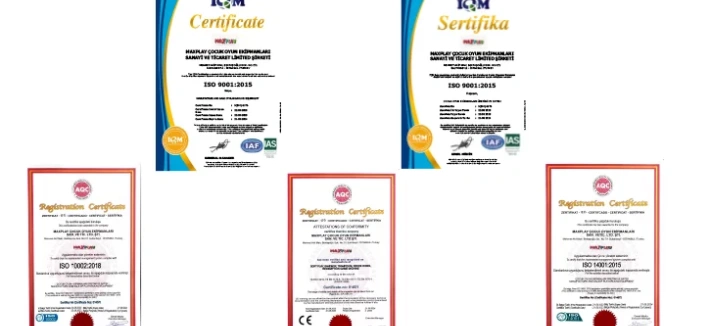
Certified production and documented safety compliance are essential procurement considerations. Depending on equipment type and installation, relevant requirements may include EN 1176, EN 1177, EN 1176-10 for fully enclosed play equipment, and EN ISO 23659 for trampoline parks. Applicable national regulations, building requirements, and conformity obligations should be verified for the specific project. Certificates must relate to the actual products, materials, or processes supplied; a general claim of CE or TÜV approval does not establish compliance for an entire playground.
Hygiene also influences equipment selection. Child-contact materials should have suitable safety documentation and be compatible with routine cleaning procedures. A professional indoor playground supplier should explain material properties, inspection intervals, replacement procedures, and maintenance responsibilities. Frequent operating problems include loose fasteners, worn padding, damaged netting, and inadequate cleaning access. Scheduled inspections and documented maintenance reduce avoidable downtime while protecting the long-term value of the investment.
Why Turkey Offers a Practical Procurement Route for Playground Investors in Bosnia and Herzegovina?
Turkey provides a geographically practical manufacturing and export base for investors purchasing children’s entertainment systems for Bosnia and Herzegovina. Established road freight connections through southeastern Europe can support efficient deliveries, while freight forwarding companies may arrange consolidated loads or dedicated vehicle transport depending on shipment dimensions. For bulky playground structures, road transportation is often a more practical option than air cargo.
One advantage of Turkish playground equipment sourcing is the combination of manufacturing flexibility and competitive production costs. Turkish factories can offer pricing that competes with Chinese and other international suppliers while providing opportunities for closer technical communication, customized production, and shorter regional transport distances. Actual price and delivery advantages depend on equipment specifications, factory schedules, shipment size, and contract conditions; they should be verified through comparable quotations.
For investors evaluating soft play manufacturers, proximity can also simplify project coordination. Detailed drawings, material selections, installation schedules, and spare-parts requirements can be discussed directly with the factory. Reliable manufacturers can supply technical documentation, suitable child-contact materials, and quality-controlled equipment. Shorter transport routes may also reduce logistics complexity compared with distant overseas procurement, especially when replacement components or additional modules are required after opening.
Comparing Factory-Direct Equipment Costs with Local Distribution and Installation Options
Purchasing through a distributor and ordering directly from a manufacturer offer different commercial advantages. Local distributors may provide convenient communication, site visits, installation coordination, and domestic after-sales assistance. However, their pricing can include distribution margins, storage expenses, and intermediary services. Factory-direct commercial play equipment procurement may reduce certain markups while giving investors greater influence over dimensions, colours, attraction combinations, and technical specifications.
A proper comparison should consider the landed and installed cost rather than the equipment invoice alone. Investors should request information about manufacturing, packaging, freight, customs documentation, applicable duties and taxes, unloading, assembly, and commissioning. For deliveries from Turkey, customs treatment should be confirmed using the product classification, origin documentation, and current trade arrangements. Transport quotations should specify the agreed Incoterm and clarify responsibility for unloading and customs clearance.
Selecting an indoor playground supplier also involves assessing installation competence and after-sales support. Some factories provide installation teams, while others supply technical drawings and supervise qualified local contractors. The appropriate arrangement depends on project complexity and available local expertise. For a multi-level structure, specialist installation may be preferable because connection details, protective elements, and final safety inspections are critical. The cheapest procurement route is not necessarily the lowest-cost option over the equipment’s operating life.
Building a Financially Sustainable Playground: Maintenance Budgets, Staffing and Revenue Diversification
Long-term profitability depends on consistent operational control. Indoor entertainment facility operating costs typically include rent, salaries, utilities, insurance, cleaning, consumables, marketing, payment processing, and maintenance. Some costs remain relatively stable regardless of attendance, while others increase with visitor numbers. Understanding this distinction helps management calculate the monthly revenue needed to cover operating expenses.
A useful financial model tracks average admission revenue, party income, additional spending per visitor, staffing hours, and occupancy by time period. For example, a venue that experiences strong weekend demand but limited weekday attendance might introduce preschool sessions, school group arrangements, or structured activity programmes. These services can improve space utilization without requiring major additional equipment investment. However, discounting should be evaluated against contribution margins rather than introduced solely to increase visitor numbers.
Playground equipment lifecycle expenses should be incorporated into annual budgets from the beginning. Protective padding, netting, movable components, and high-contact surfaces may require periodic replacement depending on usage and condition. Investors comparing turnkey playground investment solutions should ask which services remain available after installation, how spare parts are supplied, and what maintenance responsibilities belong to the operator. A sustainable facility is one that can maintain safe operating conditions and predictable service quality even as visitor numbers and equipment age increase.
How MaxPlay Helps Investors in Bosnia and Herzegovina Plan Custom Indoor Playground Projects?
MaxPlay is a Turkey-based manufacturer specializing in commercial children’s entertainment systems, customized soft play structures, and integrated indoor playground projects. Its project-oriented approach combines layout planning, equipment design, manufacturing, international shipping, and installation coordination. As one of the indoor playground equipment manufacturers serving international buyers, MaxPlay develops solutions for shopping centres, family entertainment venues, hospitality businesses, and dedicated children’s activity facilities.
The company’s product capabilities include modular climbing structures, adventure courses, slides, toddler activity zones, soft playground equipment, interactive attractions, and selected trampoline-based entertainment concepts. Project development considers the available building dimensions, age groups, desired attractions, operational requirements, and available investment budget. MaxPlay’s indoor playground business planning support focuses on translating these requirements into a practical equipment configuration, with attention to durable construction, appropriate safety documentation, hygienic material selection, and efficient space utilization.
For investors in Bosnia and Herzegovina, MaxPlay offers competitive factory-direct pricing, customized manufacturing, and international cargo arrangements from Turkey. Compared with distant sourcing markets such as China, regional transportation can provide shorter delivery routes and more convenient shipment coordination, subject to production schedules and customs procedures. MaxPlay provides free preliminary playground project design, allowing investors to explore suitable equipment arrangements before making a final purchasing decision. Request your free project design today, contact MaxPlay to discuss your facility dimensions and investment goals, and receive a customized proposal for your commercial indoor playground.