





Indoor Play Area Equipment in Croatia: Products for Malls, Schools and Indoor Centers
Choosing Indoor Play Area Equipment in Croatia involves more than identifying attractive play structures or comparing supplier quotations. Shopping malls, educational institutions, hospitality businesses, and dedicated entertainment facilities operate under different conditions. Each environment requires a carefully planned combination of safety, durability, age suitability, visitor circulation, and long-term maintenance. A successful installation must work within the building’s physical limitations while delivering an engaging experience for children and practical operating conditions for staff.
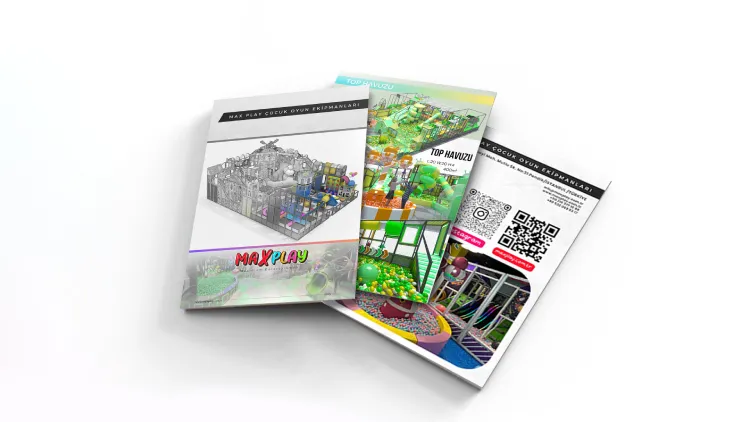
As MaxPlay Playground Equipment, we provide professional solutions for indoor playgrounds and soft play areas. We design, manufacture, install, and assemble indoor playground equipment and soft play systems for commercial spaces. Contact us for turnkey indoor playground projects.
| Landline: | 0216 377 10 88 |
| Mobile / WhatsApp: | 0532 069 53 17 |
| E-Mail: | info@maxplay.com.tr |
| Address: | Google Maps |
You can contact us for all your projects across Türkiye and international markets.
Our Services:
- Trampoline Manufacturing – Trampoline Park Installation
- Ball Pit Manufacturing – Ball Pit Playground Installations (with slides, etc.)
- Interactive Play Systems (Moving Soft Play Toys & Equipment)
- Sand Pit – Sand Play Areas
- Playgrounds and Role-Play Houses for Kindergartens & Nurseries
- Indoor playgrounds for businesses such as shopping malls, cafés, restaurants, etc.
- And all customized playground projects tailored to your specific needs.
For Croatian investors and facility managers, equipment selection also influences construction budgets, opening schedules, operational efficiency, and customer satisfaction. Working with experienced indoor playground equipment manufacturers can simplify these decisions by bringing architectural planning, technical engineering, material selection, and installation coordination into one process. Turkish manufacturers such as MaxPlay offer customized production, competitive factory-direct pricing, and established international transportation options, making them a practical alternative to sourcing equipment from China or higher-cost European suppliers.
Indoor Play Equipment Requirements Across Croatia’s Retail, Educational and Leisure Sectors
The market for indoor play area equipment Croatia projects covers several distinct commercial applications. A shopping centre typically needs attractions that encourage repeat family visits without interfering with surrounding retail activity. A preschool prioritizes developmental value, supervision, and hygienic surfaces. A family entertainment centre, meanwhile, must balance visitor capacity, attraction variety, ticket revenue, and operational costs. Although these venues may use similar components, their design priorities are fundamentally different.
In practice, one of the most common procurement mistakes is selecting equipment before defining how the facility will operate. For example, a three-level adventure structure may be suitable for a ticketed entertainment centre but unnecessarily complex for a small educational facility. Likewise, a basic indoor play set may satisfy a compact waiting area but provide insufficient entertainment for a destination-based attraction. Equipment specifications should therefore follow a clear operational brief covering children’s ages, expected attendance, supervision arrangements, available floor area, ceiling height, and cleaning requirements.
For projects in Zagreb, Split, Rijeka, Osijek, and other Croatian cities, building conditions can introduce additional considerations. Existing shopping centres may have fixed sprinkler positions, ventilation systems, columns, or emergency circulation routes that cannot be modified easily. Coastal hospitality properties may experience seasonal changes in visitor numbers and more demanding maintenance conditions. An experienced indoor playground supplier should account for these constraints during preliminary design rather than treating them as problems to resolve after manufacturing.
MaxPlay Playground Equipment Overview
| Equipment Name | Description | Key Benefits |
| Ball Pool | Colorful pit filled with balls for safe sensory play. | Safe fun for toddlers, easy to clean, encourages motor skills. |
| Trampoline | High-quality indoor trampolines. | Builds balance and strength, child-safe design, durable materials. |
| Interactive Game Sets | Digital and physical interactive play stations. | Boosts learning, cognitive skills, and engagement. |
| Profession Houses | Role-play houses designed for kids. | Encourages creativity, social interaction, and imagination. |
| Trampoline Park | Large-scale trampoline structures. | Suitable for older kids, high durability, safe design. |
| Roller Slide | Conveyor-style (roller) slides for continuous fun. | Efficient design, fun motion play, safe structure. |
| Tower Slide | Tower slides designed for adventure play. | Exciting design, strong safety standards, eye-catching feature. |
| Climbing Wall | Indoor climbing walls. | Builds strength and coordination, safe grips, customizable difficulty levels. |
| Volcano Slide | Volcano-shaped slides with climbing and sliding features. | Combines climbing and sliding, unique design, fun for multiple age groups. |
Designing Shopping Mall Playgrounds That Support Family Visits and Retail Engagement
Successful shopping mall playground installations contribute to the wider commercial environment by making retail destinations more convenient for families. However, a play zone should not simply occupy unused floor space. Its location must support natural pedestrian circulation, allow parents to supervise children comfortably, and prevent queues from obstructing neighbouring stores. Open-fronted play areas can work well for smaller installations, while enclosed attractions with controlled entry may be preferable when operators charge admission or provide supervised sessions.
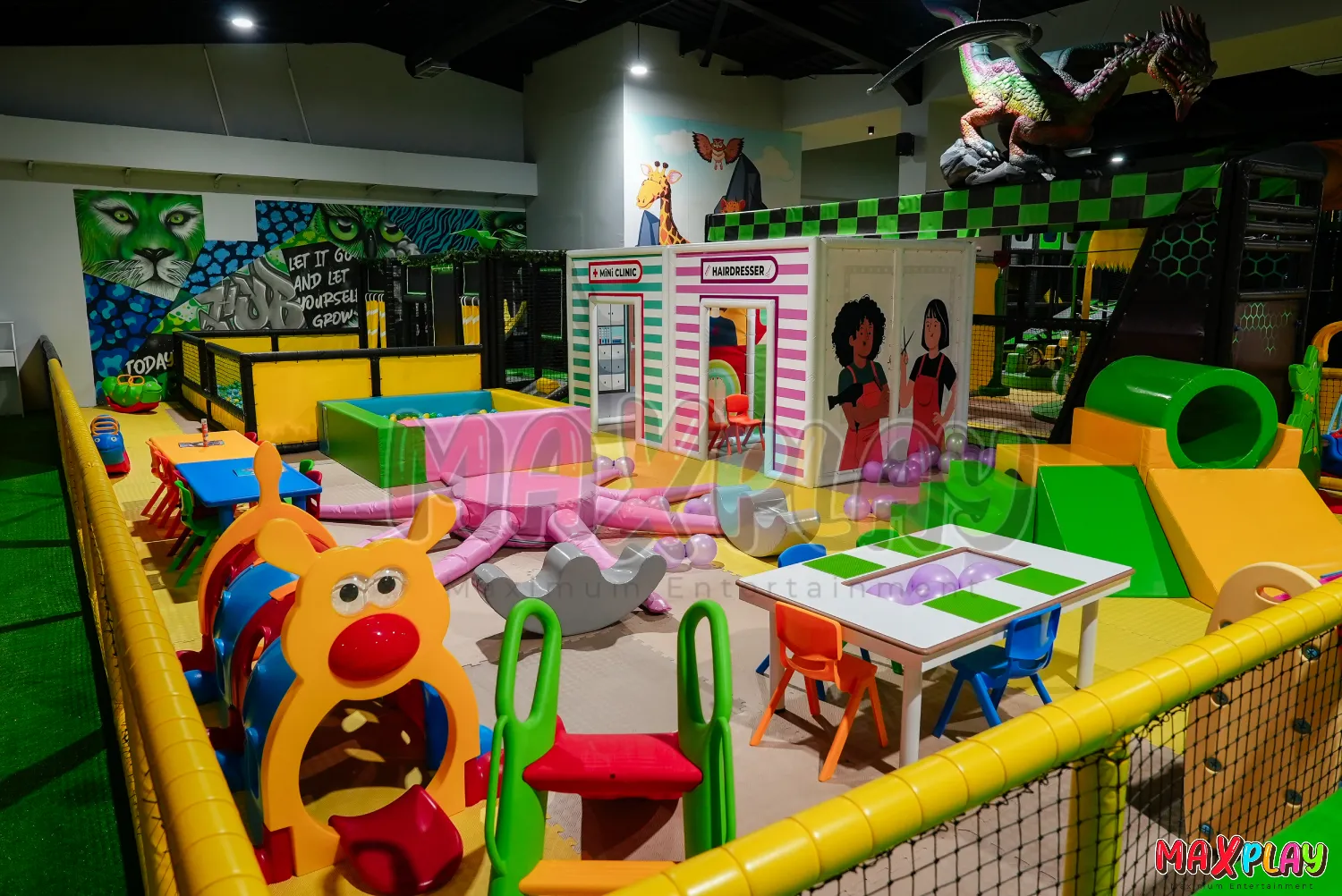
The selection of commercial playground equipment for malls should reflect both visitor behaviour and the surrounding architecture. Multi-level soft play structures, interactive activity panels, compact slides, and ball pools can create varied experiences within relatively limited footprints. A practical layout might position toddler activities near seating and place more physically demanding attractions toward the rear of the play zone. This arrangement helps separate children with different movement abilities and reduces accidental collisions.
One detail frequently underestimated in real-world mall operations is the relationship between visual design and supervision. Decorative walls, oversized features, and enclosed tunnels can create blind spots, even when the equipment looks impressive in architectural renderings. Transparent protective barriers, carefully positioned observation points, and controlled access routes help maintain visibility. For retail operators, the strongest design is not necessarily the largest attraction; it is the installation that combines consistent visitor appeal with manageable staffing, safe circulation, and straightforward daily maintenance.
Selecting Developmentally Appropriate Soft Play Equipment for Schools and Early Learning Facilities
Educational environments require a different approach from commercial entertainment venues. School soft play equipment should support physical coordination, sensory exploration, confidence, social interaction, and independent discovery rather than simply maximizing excitement. Early learning facilities benefit from activities that allow children to develop skills progressively, with challenges appropriate to their age and abilities. A well-designed environment can incorporate low climbing elements, balancing activities, tactile panels, imaginative play stations, and protected rest areas.
For younger children, a toddler play set indoor configuration may include low platforms, gentle ramps, padded obstacles, miniature slides, and sensory components positioned at accessible heights. Equipment intended for older preschool children can introduce more complex movement sequences, such as stepping challenges, short tunnels, and coordinated climbing routes. In both cases, the relationship between activity difficulty and developmental readiness matters more than the number of installed features.
The most important practical consideration is how educators will use the equipment throughout the day. A preschool may divide children into small groups, rotate activities, or combine structured learning with independent play. Therefore, age-appropriate play equipment should support flexible supervision and predictable transitions between activities. Materials must tolerate frequent cleaning, while openings, barriers, and access points require appropriate safety assessment. Schools should also avoid purchasing highly specialized attractions that demand intensive staffing or maintenance beyond their available resources.
Adventure Play Structures, Ball Pools and Climbing Systems for Dedicated Entertainment Centres
Dedicated entertainment venues require a more extensive attraction strategy because play activities form the foundation of the business model. Operators of Croatian family entertainment centres must consider how long visitors remain engaged, whether activities encourage repeat visits, and how different age groups can use the facility simultaneously. Multi-level adventure structures are particularly useful because they combine climbing, crawling, sliding, and obstacle navigation within a vertically organized layout.
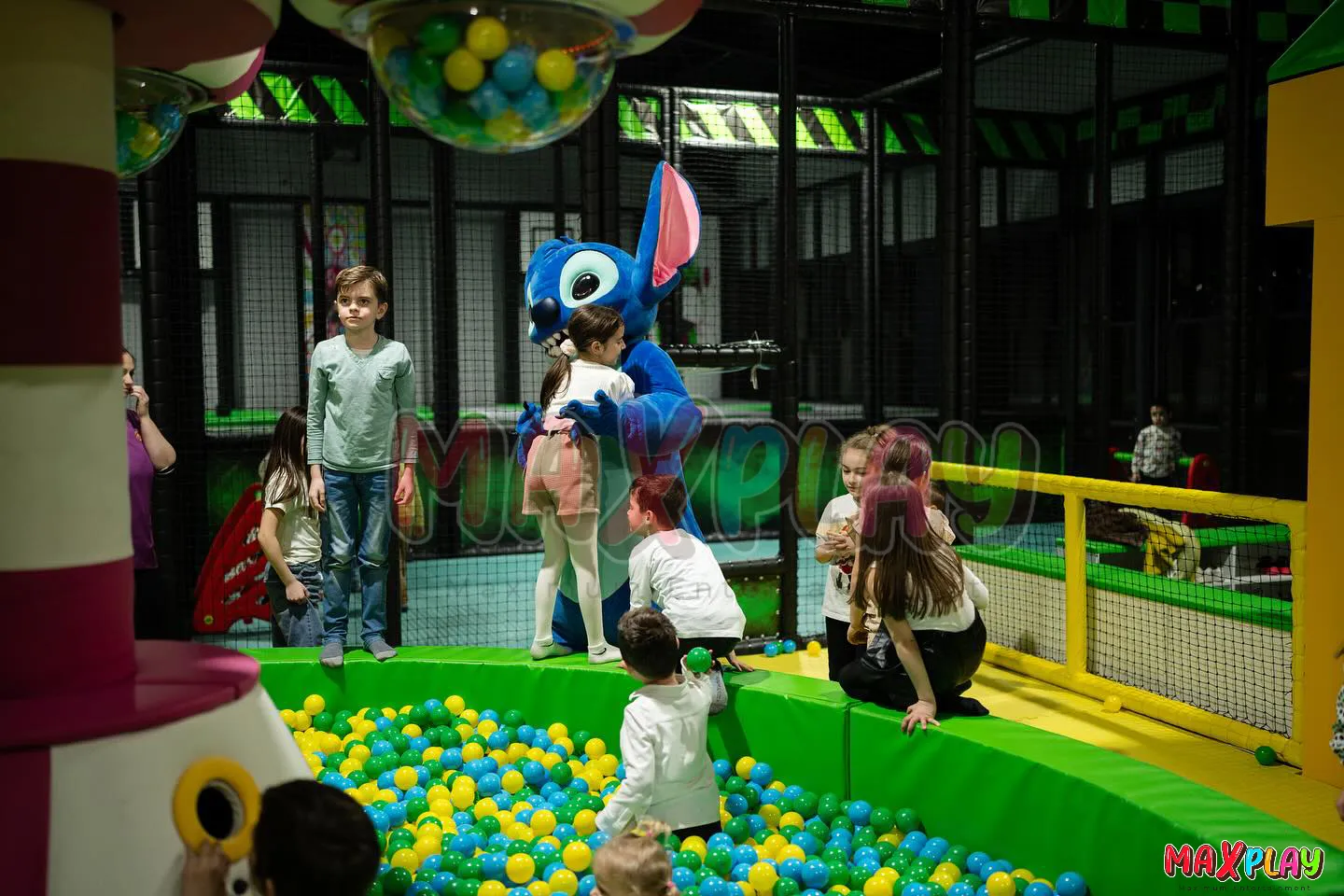
A typical entertainment centre may integrate commercial children’s play structures, themed tunnels, climbing frames, slides, interactive challenges, and a ball pool. Each component should serve a specific purpose within the overall play journey. For example, a climbing route can lead to a slide platform, while a separate ground-level activity area accommodates younger children who are not ready for elevated attractions. Properly designed indoor climbing frames for children also need suitable fall protection, accessible inspection points, and clearly defined operating rules.
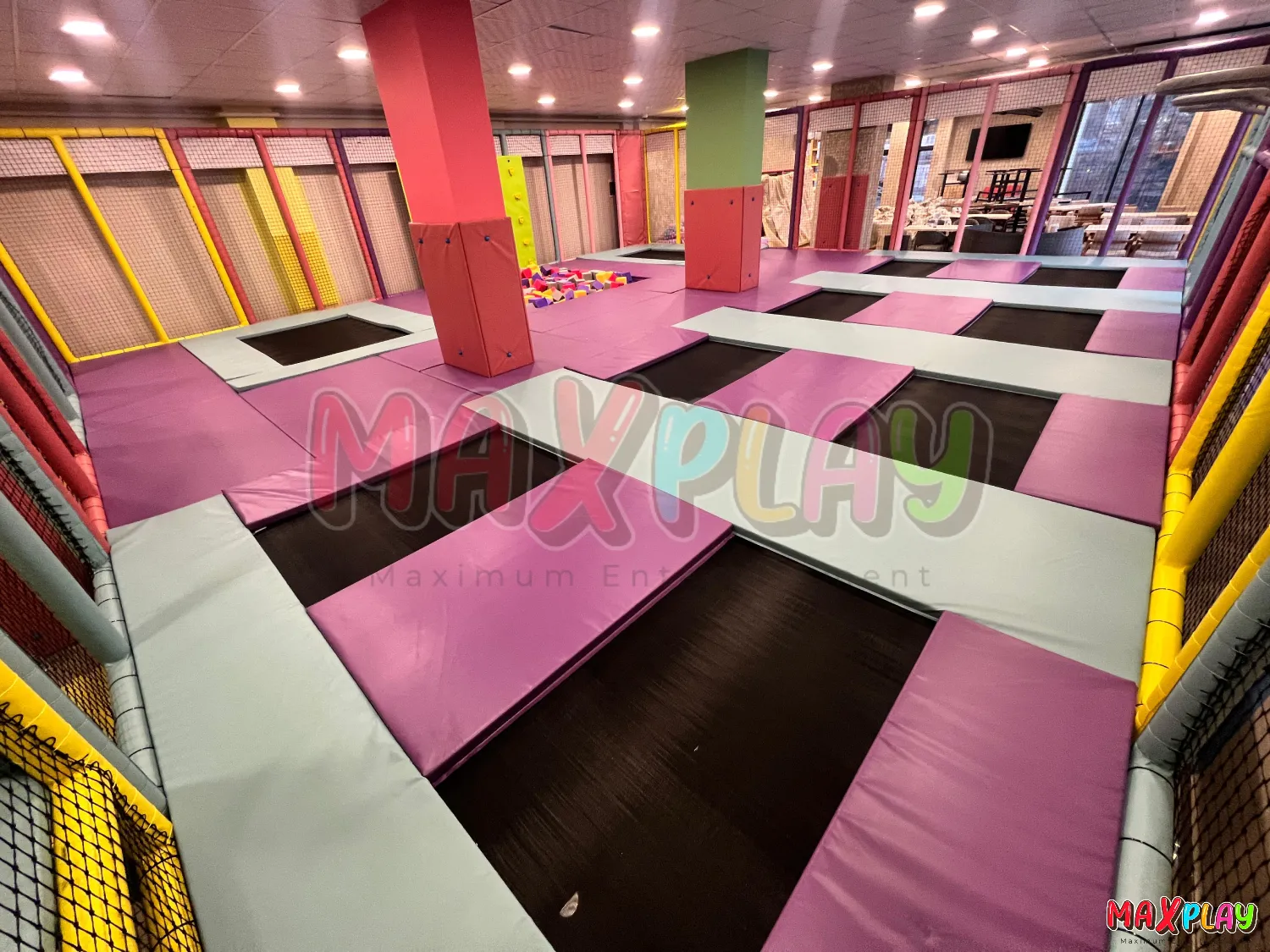
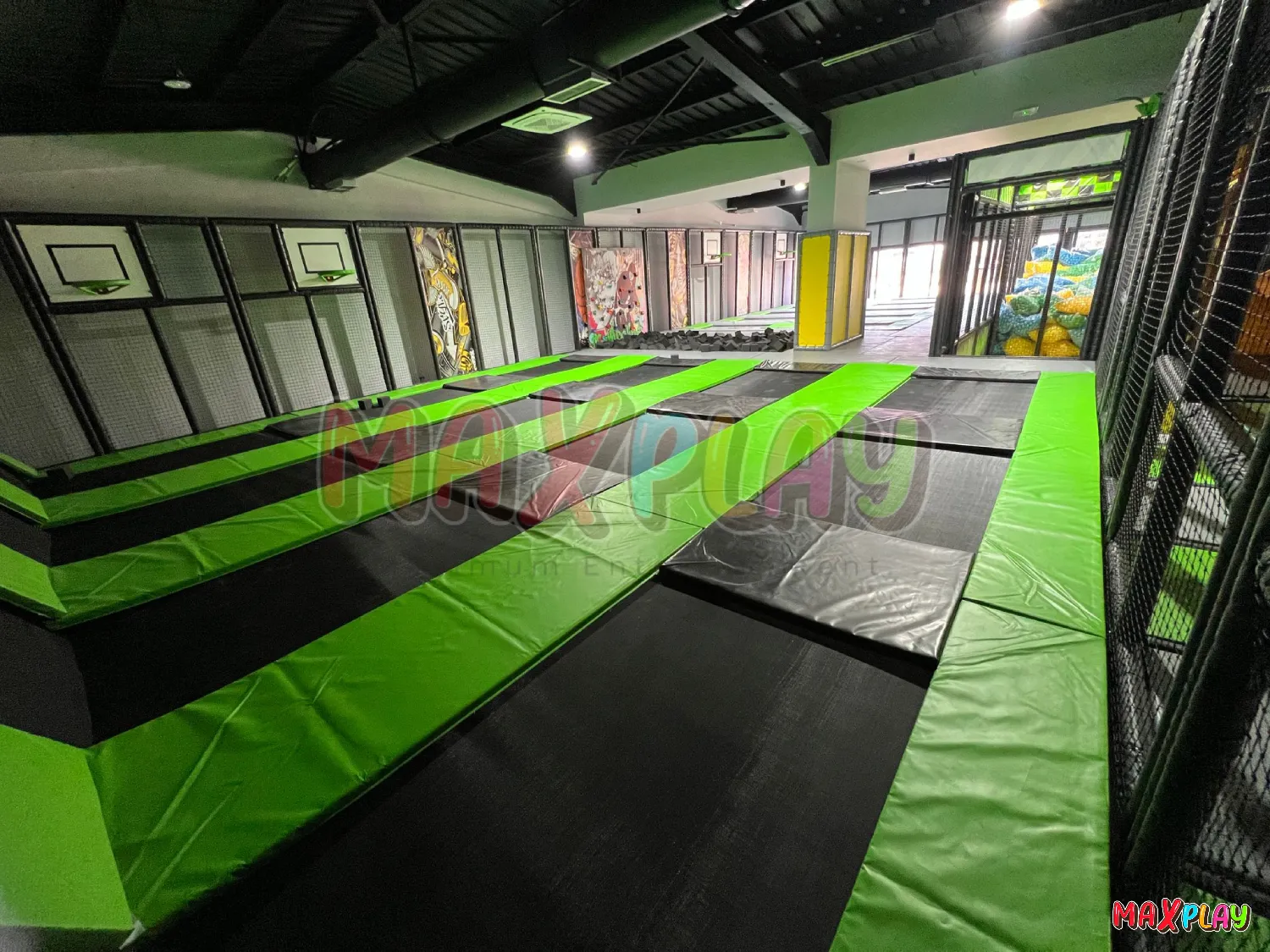
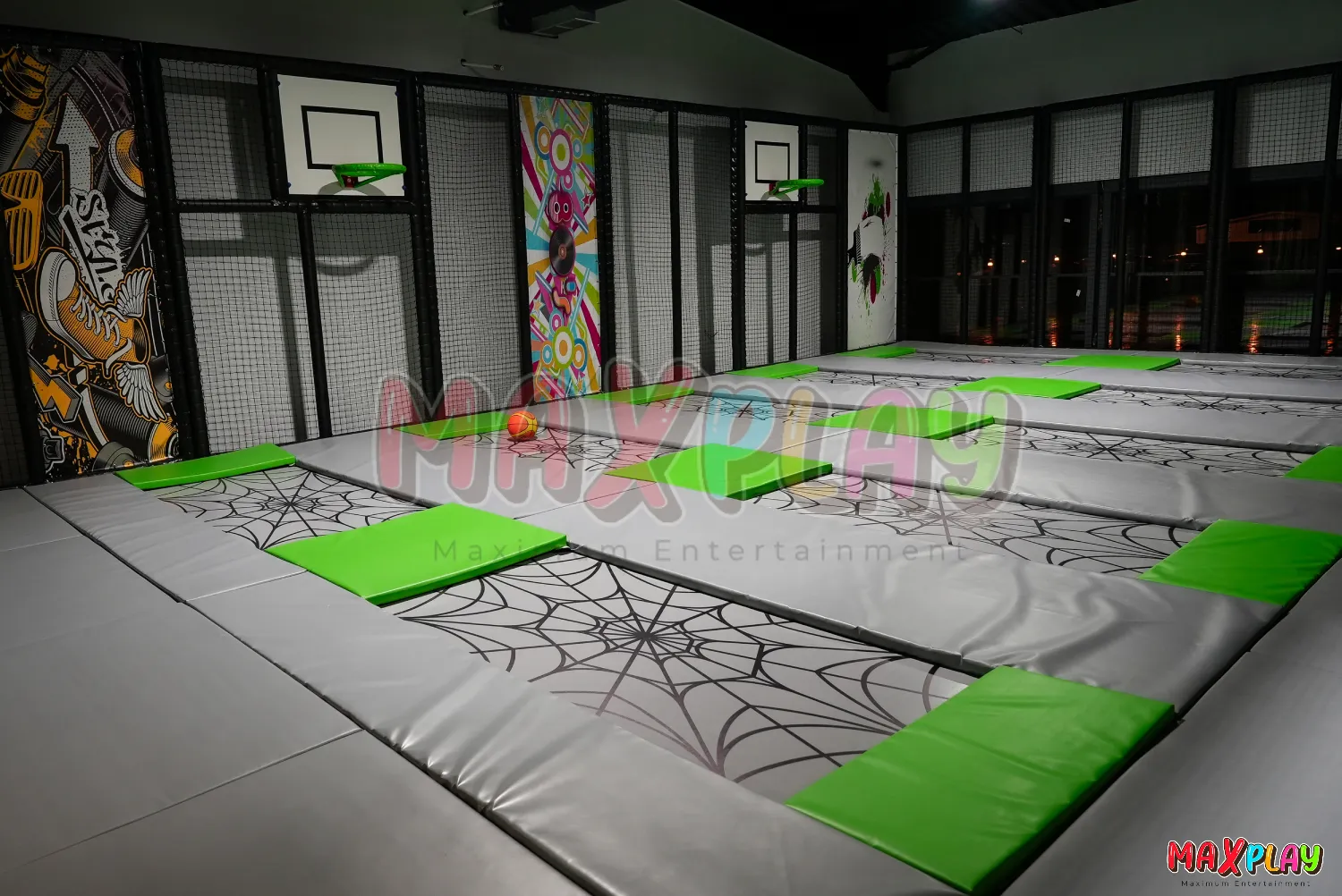
Larger venues sometimes consider combining adventure structures with trampoline park equipment to broaden their audience. These attractions, however, involve different movement dynamics, safety requirements, staffing arrangements, and maintenance responsibilities. A specialist trampoline park manufacturer may be needed for trampoline-specific engineering and technical documentation. For smaller facilities, adding trampolines without sufficient separation or operational planning can introduce unnecessary complexity. The correct investment decision depends on usable space, target age groups, supervision capacity, and the projected revenue contribution of each attraction.
Compact Play Corners and Modular Equipment for Hotels, Restaurants and Mixed-Use Venues
Hospitality environments benefit from children’s entertainment, but they rarely operate like dedicated play centres. Hotels, restaurants, holiday resorts, and mixed-use developments usually need equipment that complements their primary services. Family-friendly hospitality play zones can improve the guest experience by providing children with a safe, engaging activity while adults dine, relax, or use other facilities. The play area should remain proportionate to the venue and should not create excessive noise, congestion, or additional staffing demands.
Compact modular hotel playground systems are useful where floor space is limited or the layout may change over time. Small slides, padded climbing blocks, sensory walls, and low-height activity structures can be arranged around architectural obstacles. For a family restaurant, a compact play corner with clear visibility from dining tables may be more valuable than a large enclosed structure. In a coastal resort, the operator may prefer a larger indoor activity room that remains useful during hot weather or rainy days.
A common design mistake is positioning play equipment in an available corner without evaluating circulation or environmental conditions. Areas beside service doors, kitchens, stairways, or heavily trafficked corridors may be unsuitable even when the dimensions appear sufficient. Operators should assess acoustic comfort, ventilation, cleaning access, and parental visibility before choosing indoor play equipment. Modular systems offer flexibility, but they still require secure assembly, appropriate anchoring where specified, and a maintenance plan suited to frequent commercial use.
Matching Playground Dimensions, Activity Levels and Materials to Different Commercial Environments
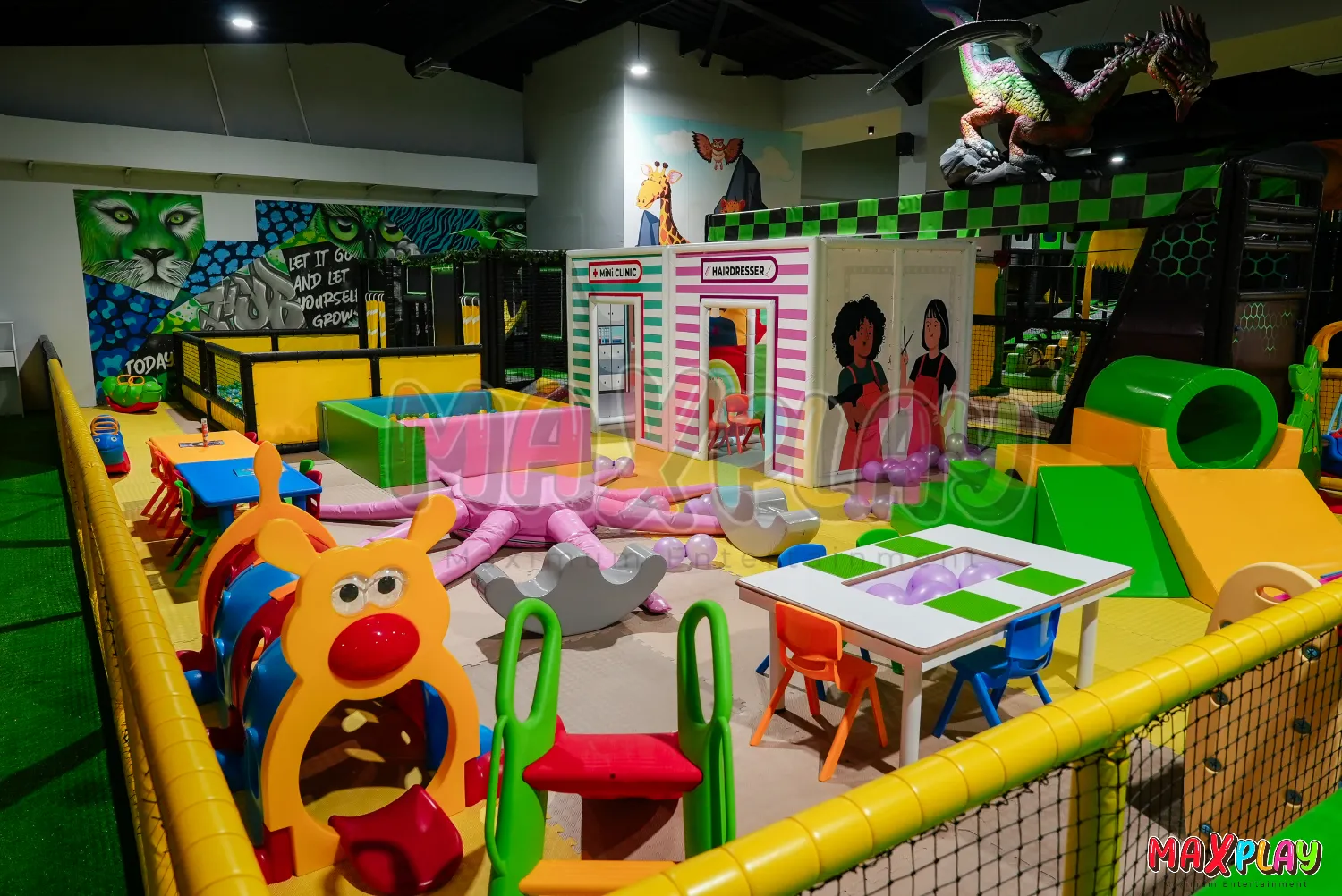
The dimensions of a play structure should be determined by more than the total floor area. Ceiling clearance, column spacing, entrance locations, fire protection systems, and maintenance access all influence usable space. In bespoke play area layouts, designers must account for the full operational footprint, including safety clearances, circulation routes, seating, storage, and emergency access. A structure that technically fits inside a room may still be unsuitable if staff cannot inspect or clean it properly.
Activity intensity is another essential design variable. Low-energy play areas can incorporate sensory activities, role-play features, soft blocks, and interactive walls. Medium-intensity environments may introduce ramps, tunnels, and smaller climbing challenges. High-energy facilities require more demanding obstacle systems, elevated platforms, and carefully managed movement routes. Selecting soft playground equipment should therefore involve a detailed assessment of expected behaviour, not simply a catalogue comparison.
Material selection has a direct impact on durability and operating costs. High-quality steel frameworks, appropriate protective coatings, resilient padding, durable nets, and commercial-grade surface coverings help equipment withstand repeated use. A soft playground equipment specification should also identify cleaning-compatible surfaces, securely finished joints, and suitable padding density. Premium materials may increase the initial quotation, but they can reduce premature replacement, service interruptions, and repair expenses. Buyers should request technical specifications rather than accepting vague descriptions such as premium quality or heavy-duty construction.
Safety, Accessibility and Maintenance Considerations for Public and Supervised Play Areas
Safety planning should begin during equipment specification, not after installation. For Croatian commercial facilities, the relevant European standards must be identified according to the equipment category and intended use. EN 1176 addresses playground equipment and surfacing requirements, while EN 1177 concerns impact-attenuating playground surfaces. Other standards may apply to enclosed soft play structures, inflatable attractions, or trampoline installations. Buyers should review indoor playground safety documentation, including applicable test reports, material specifications, installation instructions, and inspection procedures, rather than assuming that a general certificate covers every component.
First-class manufacturing quality also requires careful consideration of children’s health. Protective coverings, foam padding, coatings, plastics, and adhesives should be selected with appropriate chemical safety, durability, and cleaning characteristics. Materials intended for frequent contact with children should be supported by relevant compliance information, including applicable chemical restrictions. Accessibility deserves equal attention: suitable entrances, low-height activities, sensory experiences, and circulation space can make play environments more inclusive. For educational activity area equipment, inclusive design should be considered alongside developmental objectives and the institution’s supervision capabilities.
Real-world operation reveals that maintenance access is one of the most overlooked aspects of playground design. Ball pools require cleaning procedures, netting needs regular inspection, and padded surfaces must be checked for damage or exposed fixings. Operators should establish daily visual checks, periodic technical inspections, and documented maintenance responsibilities. Even certified equipment can become unsafe through wear, unauthorized modification, or inadequate supervision. A reliable installation combines appropriate manufacturing standards with disciplined operational management throughout its service life.
Why Turkish Playground Manufacturing Is a Competitive Sourcing Option for Croatian Projects?
Croatian buyers evaluating international suppliers often compare manufacturers in Turkey, China, and established European production markets. Turkish playground manufacturing suppliers offer an attractive balance between manufacturing flexibility, transportation accessibility, and competitive pricing. Turkey’s geographical position supports road freight connections with Croatia, reducing dependence on long-distance maritime shipping. This can be especially valuable for projects with fixed opening dates, phased installation schedules, or requirements for replacement components after commissioning.
Factory-direct purchasing can also improve budget control. Experienced soft play manufacturers in Turkey can integrate structural fabrication, protective padding, decorative components, and project-specific engineering within coordinated production processes. Compared with importing from China, shorter transport routes may reduce shipping uncertainty and support faster delivery, depending on production schedules and border procedures. Compared with some Western European suppliers, Turkish manufacturers may offer more competitive quotations because of differences in operating costs and production structures. These advantages are project-dependent, however, and should be evaluated through comparable specifications rather than price alone.
For commercial soft play procurement Croatia projects, the strongest comparison considers total landed and installed cost. A lower equipment price may lose its advantage when freight, customs handling, installation, replacement parts, and maintenance are included. Buyers should compare equivalent materials, safety documentation, warranties, engineering support, and delivery responsibilities. High-quality Turkish production can compete effectively with Chinese and European alternatives while offering shorter transport distances than Asian suppliers. The objective should be to secure dependable commercial performance at a sustainable investment cost, not simply the cheapest initial quotation.
Custom Equipment Production for Themed Spaces, Architectural Constraints and Institutional Needs
Standardized equipment packages can simplify purchasing, but they do not always make efficient use of available space. Custom playground equipment delivery begins with accurate architectural information and a design that reflects the facility’s intended activities. Columns, irregular walls, sloping ceilings, existing services, and restricted entrances may require adjustments to platform dimensions, climbing routes, and structural supports. Custom engineering allows these challenges to be addressed without sacrificing essential play functions or safe circulation.
Theme development is another important consideration. A shopping mall may favour a visually distinctive adventure concept, while a preschool might require calmer colours and educational features. Hotels may prefer play structures that complement their interior design. Custom ball pool installations, themed climbing elements, role-play houses, and interactive activity panels can be combined into a coordinated environment. However, decorative complexity should never compromise visibility, cleaning access, or the durability of frequently touched surfaces. The most successful themes are integrated into the structural design rather than added as fragile decorative attachments.
Buyers comparing soft play equipment wholesale options with individually engineered projects should consider future expansion and component replacement. Wholesale packages may suit operators purchasing standardized equipment for multiple locations, while custom manufacturing is generally more appropriate for unusual spaces or distinctive entertainment concepts. Modular construction can combine both advantages by allowing standardized components to be configured for specific architectural requirements. In practice, accurate site measurements and an agreed technical drawing are among the most effective ways to prevent installation delays and unexpected modifications.
Importing Commercial Playground Equipment into Croatia: Delivery Coordination, Documentation and Assembly
Importing commercial play equipment from Turkey requires coordination between manufacturing, freight planning, customs documentation, and installation teams. Because Croatia is an EU member state and Turkey has a customs union arrangement covering many industrial goods, qualifying shipments may benefit from applicable customs procedures when the correct documentation is supplied. However, the precise tariff treatment, VAT obligations, product classification, and documentation requirements should be confirmed for each shipment. An A.TR movement certificate, where applicable, documents qualifying customs status; it is not a product safety certificate.
Transportation planning should begin before production is completed. Large structures are generally divided into identifiable modules, packed to protect surfaces and mechanical components, and accompanied by assembly information. Road freight can provide a practical route from Turkish production facilities to Croatian destinations, while consolidated cargo may be suitable for smaller projects. For multi-purpose indoor activity facilities, delivery schedules should be coordinated with building completion, floor preparation, electrical installation, and access arrangements. Otherwise, equipment may arrive before the site is ready, creating storage expenses and potential damage risks.
A common mistake is treating delivery and installation as separate purchasing decisions without defining responsibilities. Buyers should establish who manages unloading, internal transportation, assembly, anchoring, final inspection, and handover documentation. Clear Incoterms, packaging lists, technical drawings, and installation schedules reduce misunderstandings. Indoor soft playground equipment should be assembled according to manufacturer instructions and inspected before public use. When selecting suppliers, Croatian operators should also evaluate access to spare parts, technical assistance, and future expansion components, since these services influence long-term reliability after the initial project is completed.
How MaxPlay Supplies Tailored Indoor Play Equipment for Croatian Malls, Schools and Family Centres?
MaxPlay is a Turkish manufacturer specializing in the design, production, and installation of commercial children’s entertainment equipment. Its product range includes multi-level adventure structures, toddler areas, climbing attractions, ball pools, interactive play systems, and trampoline facilities. The company provides project-based engineering for shopping malls, educational institutions, hotels, restaurants, and dedicated entertainment centres. Rather than relying exclusively on standardized packages, MaxPlay develops configurations around the customer’s architectural conditions, intended users, and investment objectives. Its published portfolio includes installations ranging from compact soft play environments to large commercial attractions.
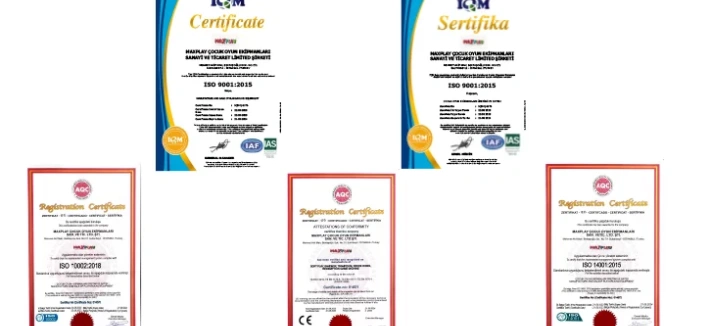
As one of the indoor playground equipment manufacturers serving international projects from Turkey, MaxPlay emphasizes first-class material selection, certified manufacturing practices, and long-term operational performance. Its stated production approach references internationally recognized standards, including EN 1176 and EN 1177, with project-specific compliance documentation requiring verification. Manufacturing coordination, secure packaging, international freight arrangements, and installation assistance help Croatian customers manage projects through a more integrated process. Competitive factory-direct pricing and efficient transportation routes from Istanbul can provide cost advantages against selected Chinese and European alternatives without sacrificing essential quality requirements. MaxPlay also provides technical assistance, spare parts, and after-sales support for completed installations.
For Croatian investors, MaxPlay offers free preliminary playground project design, including space planning and customized 3D layouts. This allows decision-makers to evaluate equipment arrangements, visual concepts, functional requirements, and budget considerations before committing to manufacturing. Whether the project involves a shopping mall attraction in Zagreb, a school activity room in Split, a hotel play zone on the Adriatic coast, or a family entertainment centre elsewhere in Croatia, MaxPlay can develop a tailored solution with competitive pricing and coordinated delivery. Request your free playground project today and discover how your available space can be transformed into a durable, engaging commercial play environment. Contact MaxPlay to discuss your requirements and receive a customized proposal.