





Indoor Playground Design and Build Services in Kosovo: Process and Planning Tips
Developing a successful children’s entertainment facility requires considerably more than purchasing play structures and installing them inside an available building. Indoor Playground Design and Build Services in Kosovo involve a coordinated process that brings together architectural planning, visitor safety, equipment engineering, manufacturing, logistics, and operational considerations. For investors developing family entertainment centres, shopping mall attractions, or hospitality-based play facilities, the quality of these early decisions directly influences construction efficiency, long-term maintenance costs, and customer satisfaction.
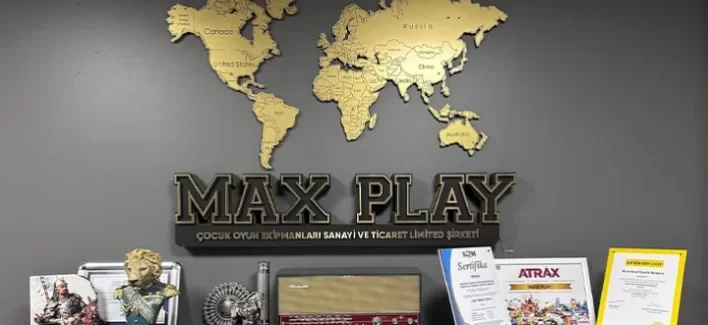
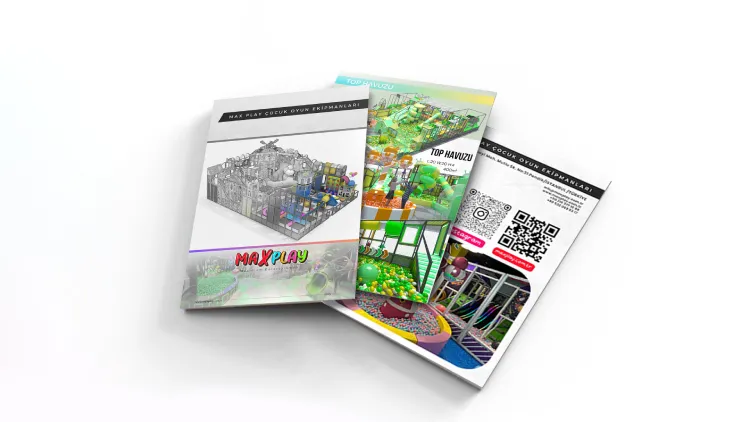
As MaxPlay Playground Equipment, we provide professional solutions for indoor playgrounds and soft play areas. We design, manufacture, install, and assemble indoor playground equipment and soft play systems for commercial spaces. Contact us for turnkey indoor playground projects.
| Landline: | 0216 377 10 88 |
| Mobile / WhatsApp: | 0532 069 53 17 |
| E-Mail: | info@maxplay.com.tr |
| Address: | Google Maps |
You can contact us for all your projects across Türkiye and international markets.
Our Services:
- Trampoline Manufacturing – Trampoline Park Installation
- Ball Pit Manufacturing – Ball Pit Playground Installations (with slides, etc.)
- Interactive Play Systems (Moving Soft Play Toys & Equipment)
- Sand Pit – Sand Play Areas
- Playgrounds and Role-Play Houses for Kindergartens & Nurseries
- Indoor playgrounds for businesses such as shopping malls, cafés, restaurants, etc.
- And all customized playground projects tailored to your specific needs.
A well-designed playground must respond to the characteristics of its location rather than follow a standard equipment catalogue. Ceiling height, structural columns, available floor space, customer demographics, and expected visitor numbers all influence the final configuration. Through professional indoor playground design Kosovo projects, operators can establish a practical relationship between entertainment value, supervision requirements, and commercial performance. Turkish manufacturers such as MaxPlay support this process by combining customized engineering, equipment production, and international installation coordination.
How Professional Playground Design and Build Services Support Commercial Projects in Kosovo?
Professional commercial play area construction services establish a structured development process from the initial concept to operational handover. Rather than treating equipment selection, interior planning, and installation as separate purchasing activities, an integrated approach ensures that the different elements function together. This is particularly important for projects involving multi-level structures, restricted ceiling heights, irregular floor plans, or several entertainment activities within one venue.
In practice, one of the most common problems occurs when investors select attractions before verifying whether the building can accommodate them. A visually impressive climbing structure may require additional clearance, while a trampoline installation may create unexpected demands involving floor construction, supervision, and circulation. Resolving these issues during preliminary planning is generally less expensive than modifying equipment after manufacturing. Effective custom children’s entertainment centre planning therefore begins with technical feasibility rather than decorative preferences.
For commercial operators in Pristina, Prizren, Peja, and other Kosovo municipalities, the development strategy should also reflect the intended business model. A shopping centre may prioritize short visits and visibility from surrounding retail areas, whereas a dedicated family entertainment facility may need extended play sessions, birthday party rooms, and refreshment services. The appropriate design partner should understand these operational differences and translate them into equipment specifications, spatial arrangements, and realistic project milestones.
MaxPlay Playground Equipment Overview
| Equipment Name | Description | Key Benefits |
| Ball Pool | Colorful pit filled with balls for safe sensory play. | Safe fun for toddlers, easy to clean, encourages motor skills. |
| Trampoline | High-quality indoor trampolines. | Builds balance and strength, child-safe design, durable materials. |
| Interactive Game Sets | Digital and physical interactive play stations. | Boosts learning, cognitive skills, and engagement. |
| Profession Houses | Role-play houses designed for kids. | Encourages creativity, social interaction, and imagination. |
| Trampoline Park | Large-scale trampoline structures. | Suitable for older kids, high durability, safe design. |
| Roller Slide | Conveyor-style (roller) slides for continuous fun. | Efficient design, fun motion play, safe structure. |
| Tower Slide | Tower slides designed for adventure play. | Exciting design, strong safety standards, eye-catching feature. |
| Climbing Wall | Indoor climbing walls. | Builds strength and coordination, safe grips, customizable difficulty levels. |
| Volcano Slide | Volcano-shaped slides with climbing and sliding features. | Combines climbing and sliding, unique design, fun for multiple age groups. |
Defining Project Objectives, Target Age Groups and Expected Visitor Capacity
The first planning decision concerns the purpose of the facility. Investors should establish whether the playground will operate independently, support another commercial activity, or function as one attraction within a larger entertainment destination. These distinctions influence admission policies, staffing requirements, equipment complexity, and revenue opportunities. A family café, for example, may benefit more from a compact, highly visible play structure than from an elaborate installation requiring a separate supervision team.
Age segmentation is equally important. An indoor play set designed for children aged three to six cannot automatically accommodate the movement patterns and physical abilities of older visitors. A dedicated toddler play set indoor configuration should prioritize low-level activities, stable surfaces, manageable climbing challenges, and clearly defined access points. Older children generally benefit from more complex routes involving tunnels, climbing elements, obstacle transitions, and interactive challenges. Separating these activities reduces collisions and improves the overall visitor experience.
Capacity planning should consider usable play space rather than gross building area alone. Reception desks, emergency exits, parent seating, circulation corridors, and equipment service access all reduce the area available for attractions. In real operating conditions, congestion often develops around entrances, popular slides, and transitions between activity zones. Designers should assess simultaneous occupancy, supervision arrangements, manufacturer capacity guidance, and applicable safety requirements before establishing the facility’s operational visitor limit. An appropriate capacity cannot be determined reliably from floor area alone.
Site Surveys, Building Constraints and Technical Measurements Before Playground Design
A detailed playground site assessment provides the technical foundation for equipment engineering. The survey should document clear ceiling heights, structural columns, wall positions, door openings, floor levels, electrical connections, ventilation infrastructure, and emergency escape routes. It should also identify practical limitations such as restricted delivery access, existing sprinkler systems, suspended lighting, and areas that cannot support additional loads without structural verification.
Accurate measurements are especially important when developing playground project technical drawings for multi-level installations. A difference between architectural drawings and actual site conditions can affect platform heights, enclosure dimensions, and assembly tolerances. Experienced project teams therefore work with verified as-built measurements and confirm critical dimensions before releasing manufacturing drawings. Where structural capacity is uncertain, a qualified building engineer should assess the supporting structure rather than relying on equipment supplier assumptions.
A common oversight is measuring only the finished playground footprint while ignoring how equipment will enter the building. Large components may need to pass through service corridors, elevators, staircases, or loading entrances. A structure that fits perfectly inside the designated area may still be difficult to install if access dimensions were not considered. Early coordination between the building owner, design team, logistics provider, and installation specialists helps prevent costly last-minute changes.
Developing 3D Concepts That Balance Play Value, Accessibility and Operational Efficiency
Professional 3D soft play layout development allows investors to understand how the completed facility will look and function before production begins. Three-dimensional concepts should illustrate equipment proportions, play routes, platform relationships, thematic elements, and surrounding circulation. Their greatest value, however, lies in identifying operational problems that may not be apparent in a two-dimensional floor plan.
During concept development, designers should evaluate how children move between attractions, where parents can observe activities, and whether staff can reach important areas quickly. A playground may look spacious in a rendering while containing hidden corners, congested passages, or unnecessarily complicated circulation. Effective children’s play facility accessibility planning also considers accessible approaches, inclusive activities, clear entry arrangements, and opportunities for children with different abilities to participate. Not every elevated activity can be universally accessible, but the overall experience should not depend exclusively on climbing ability.
For example, a rectangular 300-square-metre facility might combine a central multi-level structure, a separate toddler section, perimeter seating, and an interactive activity wall. The initial concept could place the main entrance opposite the reception desk, but operational review may reveal that this arrangement makes visitor control difficult. Adjusting the layout before manufacturing improves supervision without necessarily increasing the equipment budget. This is why experienced designers evaluate circulation, visibility, and maintenance access alongside visual appearance.
Selecting Suitable Attractions for Shopping Centres, Family Cafés and Dedicated Play Facilities
Equipment selection should reflect customer behaviour, available space, and the expected duration of each visit. Shopping centres often benefit from modular attractions that create strong visual interest without requiring excessive floor area. Family cafés generally need quieter activities positioned within comfortable viewing distance of dining areas. Dedicated entertainment centres can accommodate more extensive combinations of climbing routes, slides, obstacle courses, and group activities.
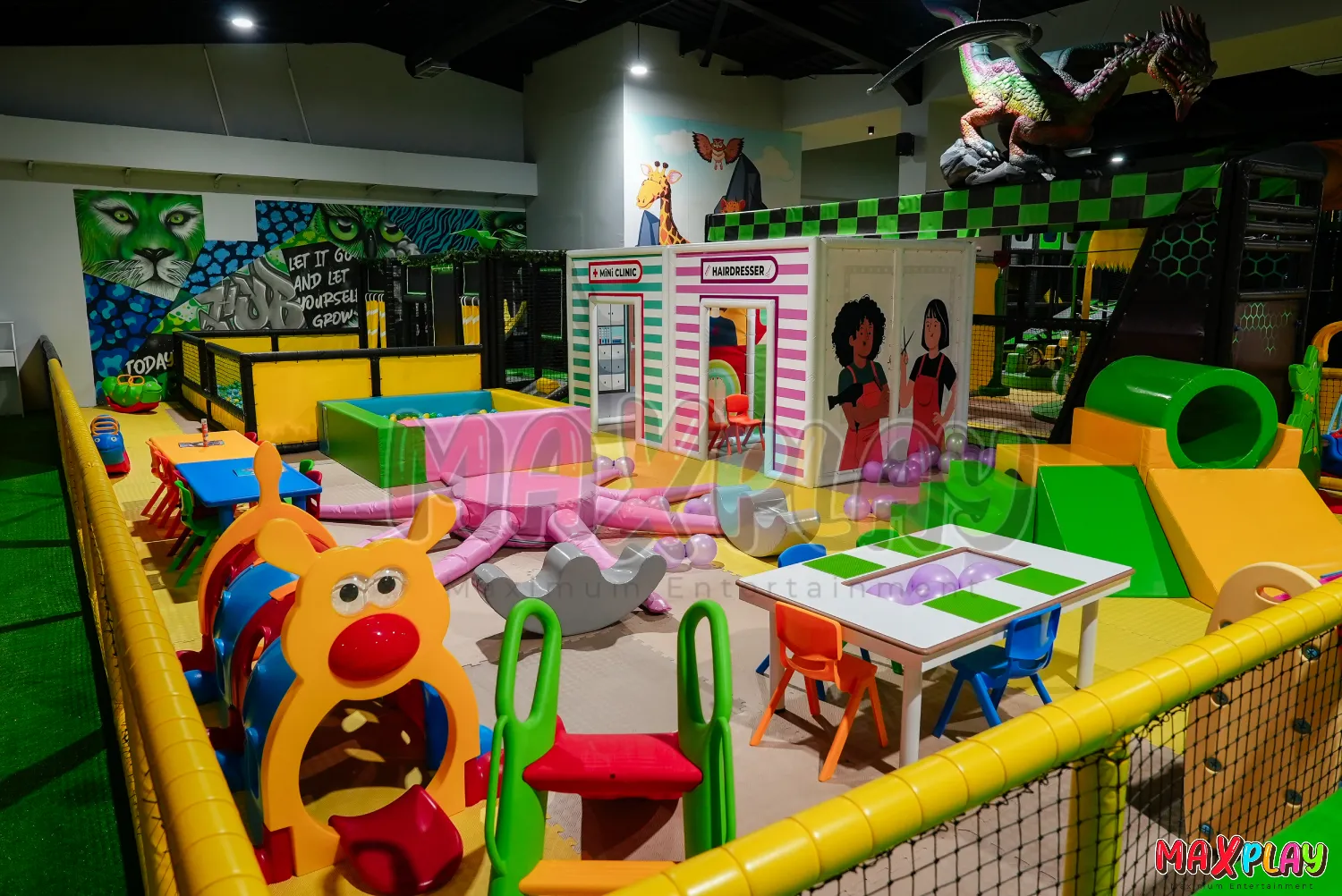
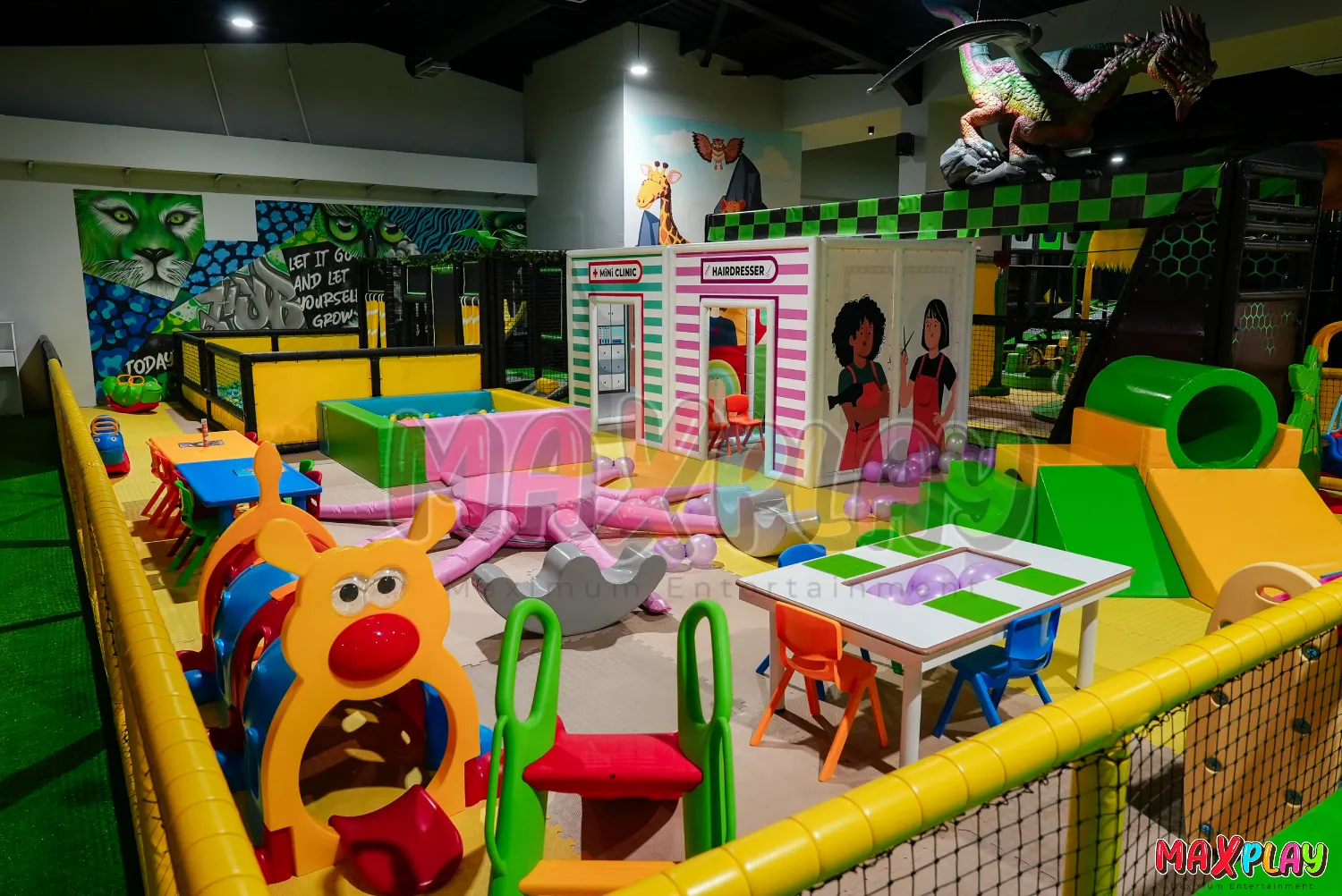
For younger visitors, soft playground equipment can include padded climbing features, sensory elements, small slides, and enclosed activity areas. Larger facilities may incorporate a ball pool, multi-level adventure structures, and interactive playground equipment such as projection-based games or responsive activity panels. The attraction mix should provide different levels of physical intensity rather than concentrating every activity in one crowded structure. A well-planned combination encourages children to explore the venue while allowing operators to distribute visitor traffic.
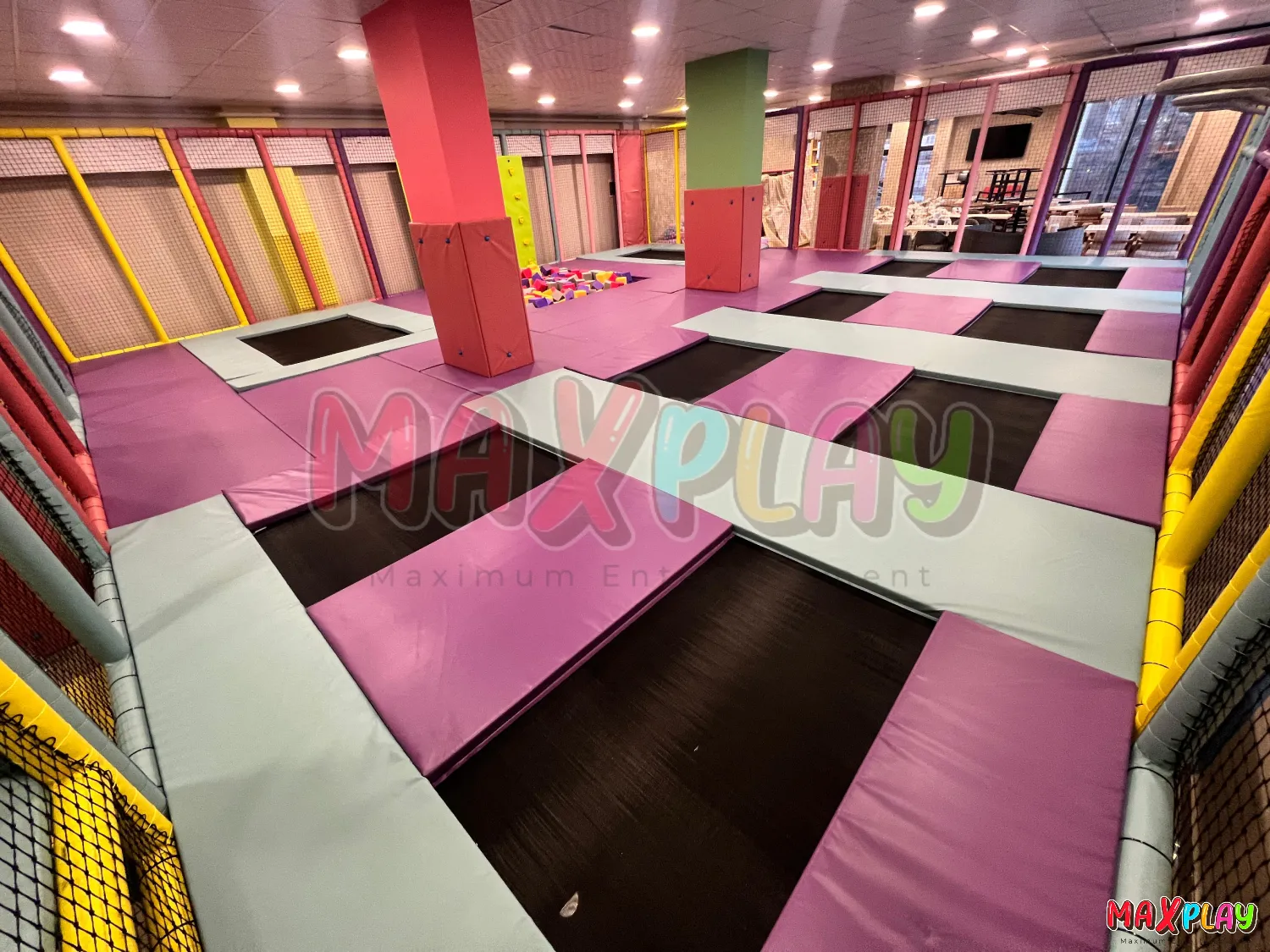
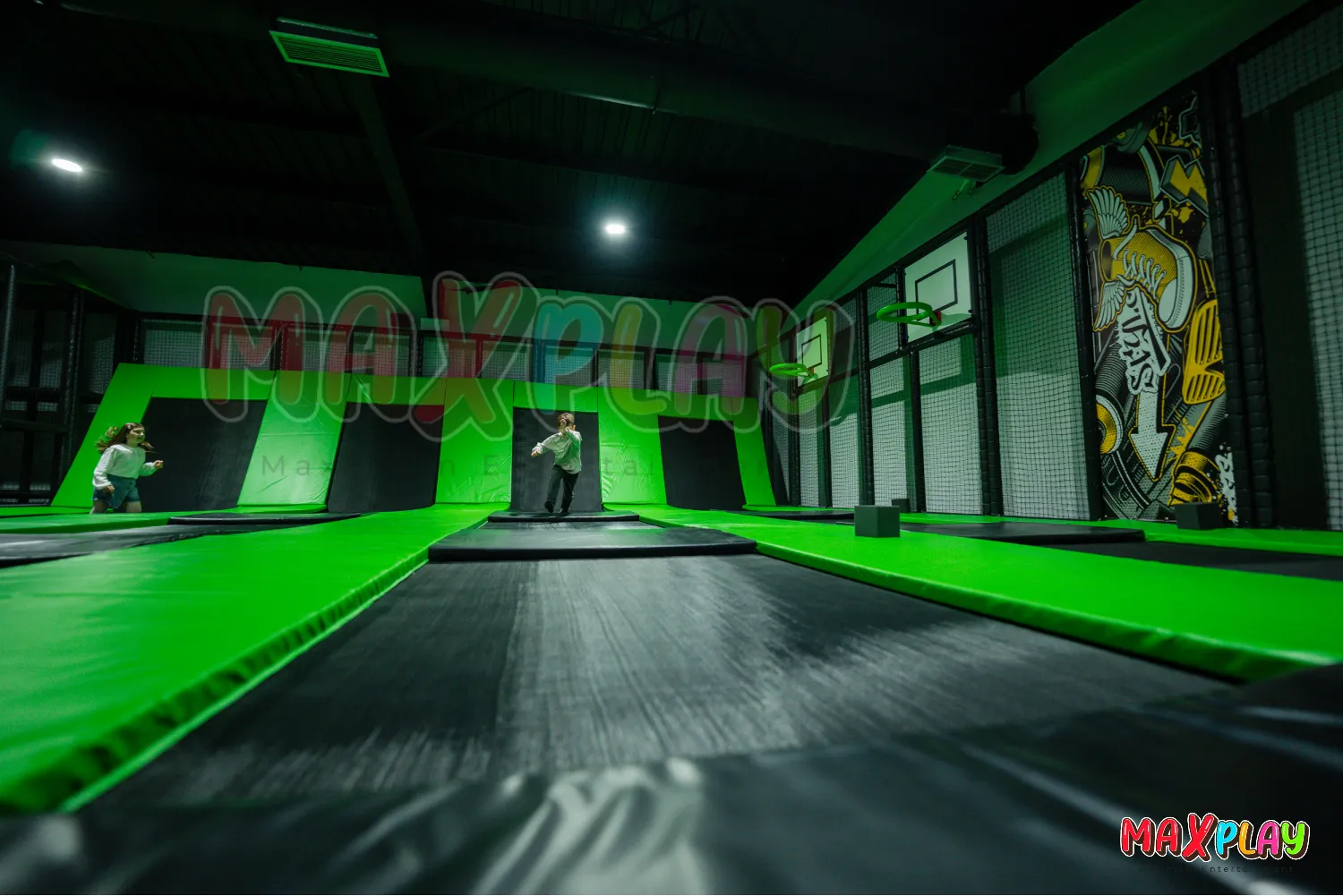
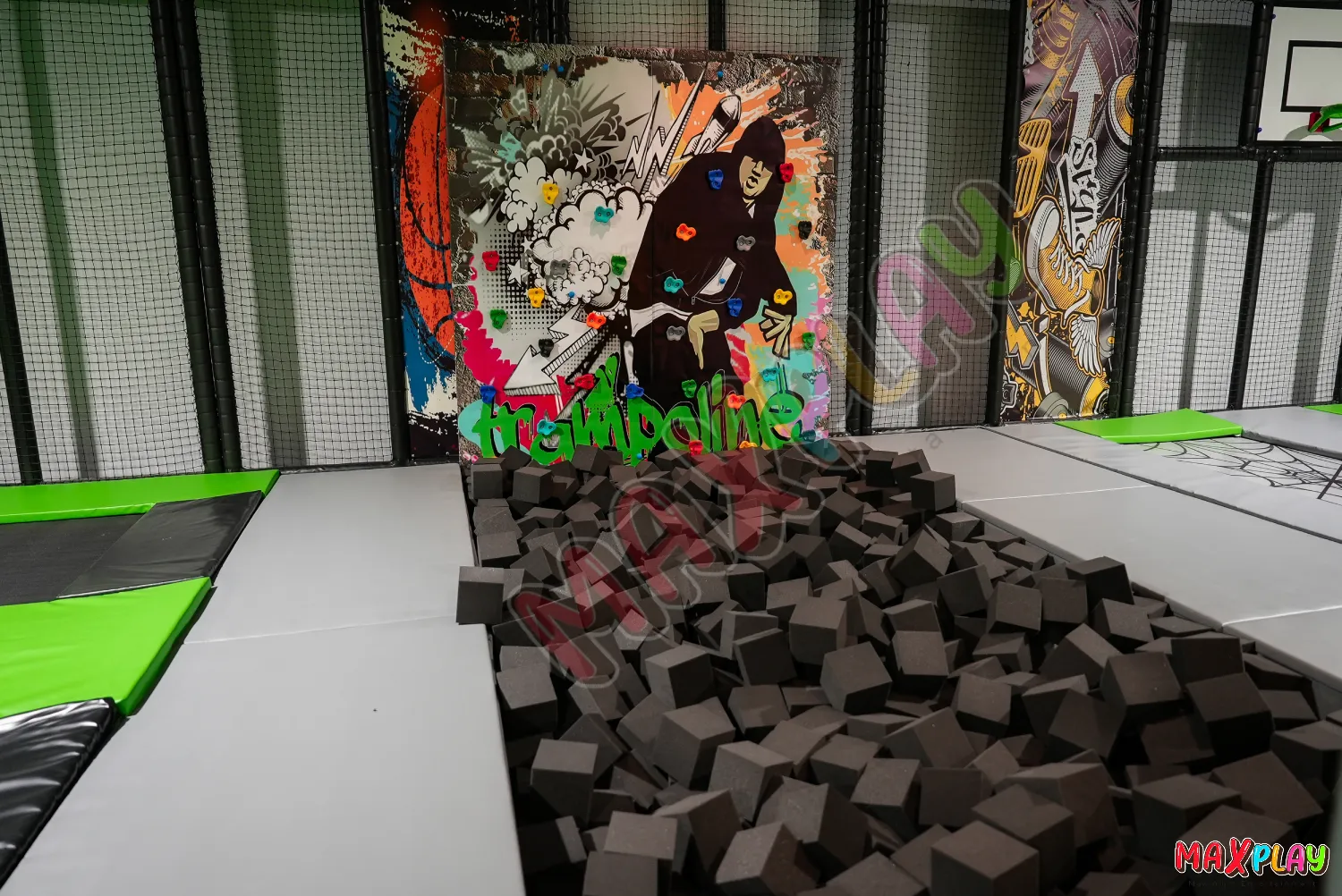
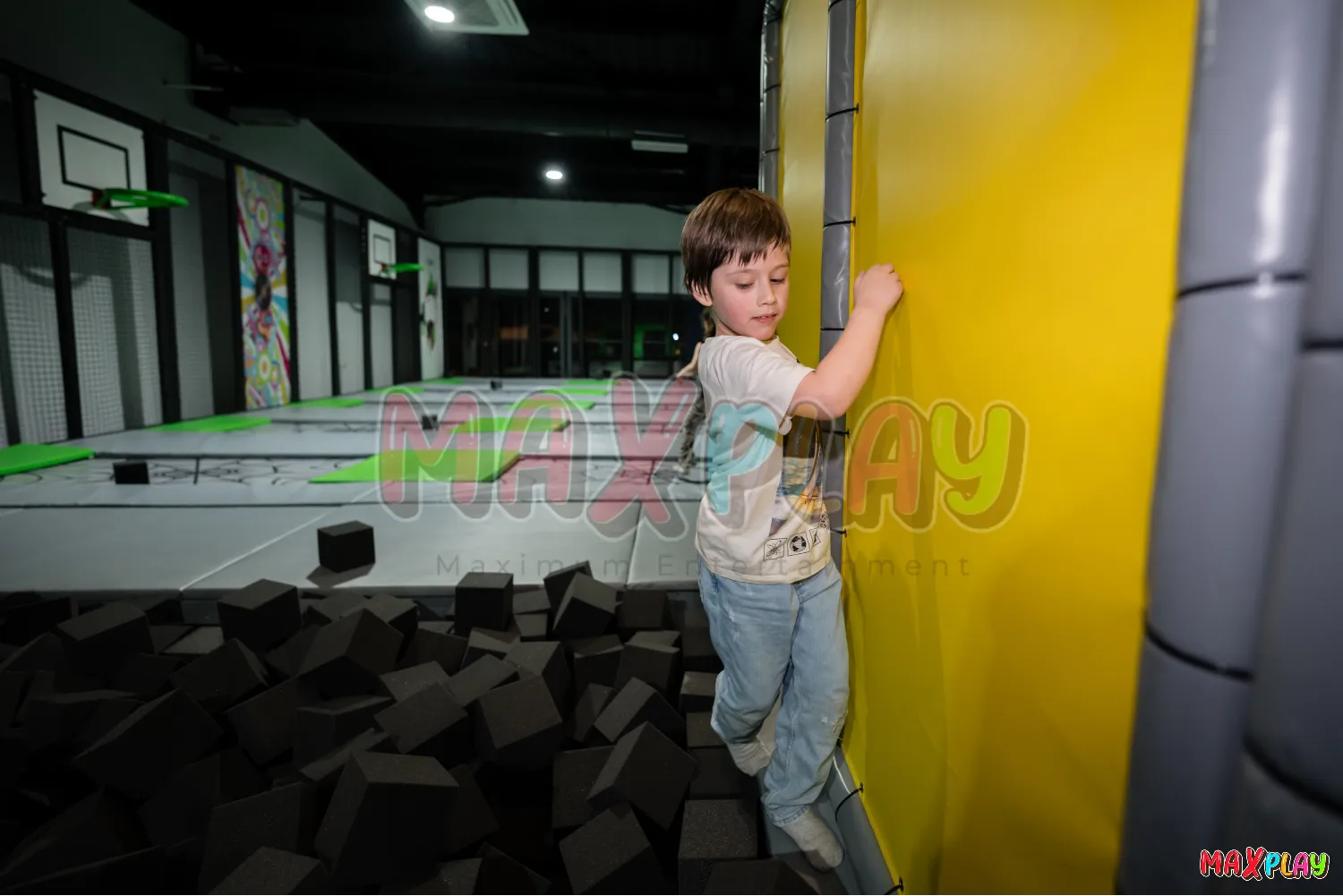
Trampoline attractions require a separate evaluation. Investors considering trampoline park equipment should examine usable ceiling clearance, landing arrangements, activity separation, supervision needs, and maintenance requirements. An experienced trampoline park manufacturer should provide technical guidance relevant to the proposed installation rather than treating trampoline modules as interchangeable playground accessories. For smaller cafés or venues with limited supervision resources, conventional soft play may be more suitable than high-intensity jumping activities. The strongest investment is not necessarily the one containing the greatest number of attractions, but the one whose activities can be operated safely and consistently.
Structural Design, Protective Materials and Safe Integration of Multi-Level Play Equipment
Reliable indoor playground structural design begins with an understanding of how equipment behaves under repeated commercial use. Platforms, connectors, support members, climbing features, and access points must work together as an engineered system. Multi-level structures experience dynamic loading as children run, climb, jump, and change direction. The design must therefore consider appropriate structural strength, connection integrity, anchoring arrangements, and safe separation between activities.
In modular play structure engineering, flexibility must not compromise stability. Modular construction can simplify transportation, assembly, future modification, and component replacement, but each connection requires appropriate mechanical design. Protective padding should cover relevant impact and contact areas, while netting, barriers, and enclosure systems must be selected for their intended function. High-quality commercial soft play equipment also requires durable surface finishes, secure stitching or fastening, and materials capable of withstanding repeated cleaning and everyday wear.
First-class quality involves more than attractive colours or thick padding. Responsible material selection includes documented composition, appropriate fire-performance characteristics, cleanable surfaces, and evidence supporting applicable chemical and product safety requirements. Materials used in children’s environments should be assessed for relevant harmful-substance restrictions and their intended exposure conditions. Certification and test documentation should relate to the actual products and configurations supplied; a generic supplier certificate is not a substitute for project-specific compliance. These considerations influence hygiene, service life, maintenance expenditure, and the confidence of facility operators.
Understanding Local Building Requirements, Equipment Safety Standards and Project Documentation
Before installation begins, investors should establish which indoor playground building requirements apply to their specific property and business activity in Kosovo. Relevant matters may include municipal construction permissions, occupancy classification, fire protection, emergency evacuation, electrical installations, accessibility, and operating authorizations. The applicable approval process can differ depending on whether the project involves an existing retail unit, a change of building use, or substantial construction work. Local authorities and appropriately qualified professionals should confirm these requirements before finalizing the design.
Equipment standards form another part of the compliance process. EN 1176 provides safety requirements and test methods for relevant playground equipment, while EN 1177 addresses impact-attenuating playground surfacing. Trampoline installations may require consideration of EN ISO 23659 or other standards appropriate to the equipment and its intended use. The scope of each standard matters: compliance with one playground standard does not automatically establish compliance for every attraction in a mixed-use entertainment facility. Investors should examine the manufacturer’s declarations, applicable test reports, material specifications, and installation instructions rather than relying exclusively on marketing descriptions.
In practical project reviews, documentation gaps can become more disruptive than equipment defects. A venue may be physically ready for opening but lack completed inspection records, verified electrical documentation, or agreed maintenance procedures. A properly organized technical file should include approved layouts, structural information where required, product identification, safety documentation, installation records, and operating instructions. Independent inspection and final acceptance should be arranged where required. This creates a documented foundation for safe operation, future maintenance, and regulatory discussions.
Why Turkish Manufacturers Are Well Positioned to Supply Custom Indoor Playgrounds for Kosovo?
Turkey offers practical sourcing advantages for Kosovo investors because of its regional proximity, established manufacturing capabilities, and access to international road freight networks. Compared with sourcing equipment from distant Asian production centres, transportation from Turkey can involve shorter routes and fewer logistics stages. For time-sensitive commercial openings, this geographical advantage may reduce delivery uncertainty and make coordination between the manufacturer, freight company, and installation team more manageable.
When comparing indoor playground equipment manufacturers, buyers should evaluate the complete delivered and installed cost rather than the initial factory quotation alone. Chinese manufacturers may offer competitive unit prices, particularly for standardized products, while European suppliers may emphasize established engineering systems and regional service networks. Turkish manufacturers can compete with both groups through flexible customization, competitive production costs, and comparatively convenient transportation to Kosovo. For bespoke projects, shorter communication cycles and accessible technical support can be as important as the original equipment price.
The strongest comparison involves quality, not simply geography. An experienced indoor playground supplier should demonstrate reliable materials, documented safety compliance, manufacturing consistency, appropriate packaging, and clear warranty conditions. Turkish production can offer an attractive balance between first-class manufacturing quality and cost efficiency, but actual lead times and performance depend on the supplier and project specification. Investors should compare equivalent equipment configurations, certification evidence, transportation terms, installation responsibilities, and after-sales commitments before selecting a manufacturing partner.
Coordinating Bespoke Manufacturing, Technical Approvals and Factory Production Milestones
Bespoke soft play manufacturing should begin only after the project scope has been sufficiently defined. The approved package typically includes layout drawings, equipment dimensions, material selections, colour schedules, thematic details, and the agreed scope of supply. Changes made after production begins can affect component compatibility, manufacturing sequences, and shipping arrangements. For this reason, a formal design approval stage is an important commercial safeguard for both the investor and the manufacturer.
Production planning should distinguish between standardized components and custom-engineered elements. A conventional slide or modular platform may follow an established manufacturing process, while a themed climbing tower, unusual enclosure geometry, or specially integrated interactive attraction may require additional engineering and fabrication time. Where projects include soft play equipment wholesale purchasing, larger quantities can improve procurement efficiency, but the buyer must still verify that the selected components are appropriate for the actual facility.
For commercial projects, production milestones provide a practical way to monitor progress without interfering with factory operations. A typical sequence covers:
- Approved technical drawings and finalized equipment specifications.
- Material procurement, structural fabrication, and protective component production.
- Quality-control inspections, assembly verification, and applicable testing.
- Final component identification, protective packaging, and shipment preparation.
One frequently overlooked issue is the relationship between factory completion and site readiness. Equipment may be manufactured on schedule while the building’s flooring, electrical infrastructure, ventilation, or interior construction remains unfinished. Coordinating these two schedules prevents unnecessary storage expenses and reduces the risk of components being damaged before installation. Reliable soft play manufacturers should communicate production milestones clearly and identify any technical decisions that could affect the agreed delivery date.
Managing Cross-Border Transport, On-Site Installation and Final Project Acceptance
Cross-border transportation is a critical stage of turnkey indoor playground development, particularly when a facility contains large structural elements, custom slides, padded components, and electronic attractions. Road freight from Turkey to Kosovo can provide a practical delivery solution, subject to route availability, border procedures, cargo dimensions, and transport arrangements. Depending on shipment size, equipment may be transported through dedicated trucks or consolidated freight services. Oversized components require additional planning to confirm vehicle suitability and unloading access.
Professional cross-border equipment transport Kosovo coordination should address packaging specifications, cargo identification, commercial invoices, packing lists, customs documentation, and the agreed Incoterms. The importer or appointed customs representative should confirm the applicable tariff classification, origin documentation, taxes, and clearance requirements. Trade preferences should never be assumed without verifying eligibility. Correct documentation reduces the likelihood of delays at border crossings and helps investors understand the full landed cost before dispatch.
Installation should follow an agreed assembly sequence and the manufacturer’s technical instructions. The process may involve positioning structural frames, installing platforms and enclosures, securing protective materials, fitting slides and activity modules, and integrating any electrical or interactive systems. Before acceptance, the project team should verify structural connections, protective clearances, access arrangements, equipment operation, and the condition of installed materials. Final inspection findings, corrective actions, and maintenance responsibilities should be recorded.
In real-world commercial playground installation coordination, the most expensive delays often result from responsibilities that were never clearly assigned. For example, the equipment supplier may assume that unloading machinery is available, while the building contractor expects the installation team to provide it. Similar misunderstandings can arise around electrical connections, flooring preparation, waste removal, and access permits. A responsibility matrix established before shipment makes the final installation phase considerably more predictable.
How MaxPlay Delivers Integrated Playground Design, Manufacturing and Installation Services for Kosovo?
MaxPlay provides integrated solutions for investors developing commercial children’s entertainment facilities, combining concept planning, customized equipment engineering, manufacturing, international shipping, installation coordination, and after-sales support. As a Turkish manufacturer specializing in indoor soft playground equipment, the company develops configurations for shopping centres, family cafés, dedicated entertainment venues, hospitality facilities, and educational environments. Its product portfolio includes multi-level play structures, toddler attractions, slides, climbing systems, ball pools, interactive activities, and trampoline solutions. Each project is adapted to the available space, intended audience, and commercial objectives rather than relying on a single standard layout.
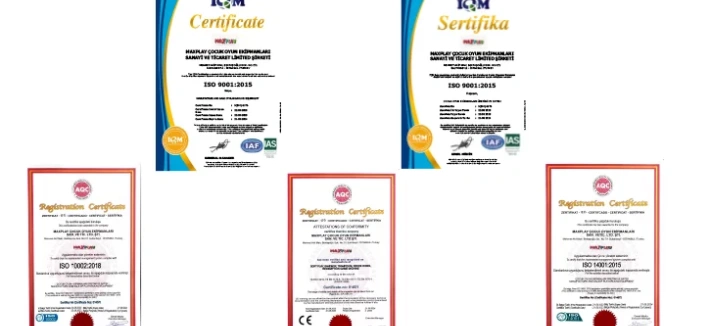
MaxPlay’s manufacturing approach emphasizes durable construction, quality-controlled production, certified equipment, and materials selected for children’s environments. The company identifies EN 1176, EN 1177, and other relevant international standards within its quality framework, with project-specific documentation to be confirmed according to the supplied equipment. Its factory-direct model supports competitive pricing and customized production, while Turkey’s proximity to Kosovo creates opportunities for faster and more economical transportation compared with many distant suppliers. This combination makes MaxPlay a practical alternative for investors comparing Chinese, European, and regional manufacturers. Its service model also includes technical assistance, spare parts, and ongoing support after installation.
For investors pursuing family entertainment venue development in Kosovo, MaxPlay offers free preliminary project planning and customized 3D design, helping evaluate available space, equipment options, operational requirements, and investment priorities before manufacturing begins. Whether the objective is a compact family café attraction or a large-scale entertainment centre, the company can develop a tailored proposal supported by professional engineering, competitive factory-direct pricing, international logistics, and installation services. Request your free playground project design today and contact MaxPlay to transform your commercial space into a professionally planned, high-quality children’s entertainment destination. Share your floor plan, available dimensions, and project requirements to begin the design process.