




Indoor Playground Factories for North Macedonia: Delivery, Support, and Standards
Selecting the right manufacturer is one of the most important decisions when developing a commercial children’s entertainment facility. For investors evaluating Indoor Playground Factories for North Macedonia, the purchasing process involves considerably more than comparing equipment catalogues and initial quotations. Production quality, engineering expertise, safety documentation, customization capabilities, international logistics, and technical assistance all influence whether a project becomes a reliable long-term investment.
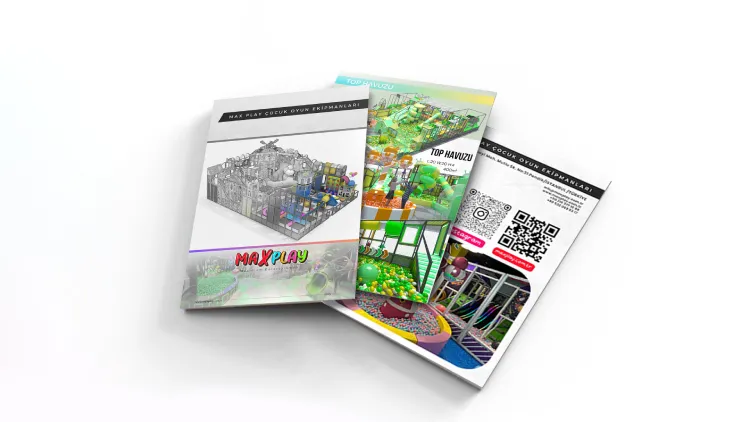
As MaxPlay Playground Equipment, we provide professional solutions for indoor playgrounds and soft play areas. We design, manufacture, install, and assemble indoor playground equipment and soft play systems for commercial spaces. Contact us for turnkey indoor playground projects.
| Landline: | 0216 377 10 88 |
| Mobile / WhatsApp: | 0532 069 53 17 |
| E-Mail: | info@maxplay.com.tr |
| Address: | Google Maps |
You can contact us for all your projects across Türkiye and international markets.
Our Services:
- Trampoline Manufacturing – Trampoline Park Installation
- Ball Pit Manufacturing – Ball Pit Playground Installations (with slides, etc.)
- Interactive Play Systems (Moving Soft Play Toys & Equipment)
- Sand Pit – Sand Play Areas
- Playgrounds and Role-Play Houses for Kindergartens & Nurseries
- Indoor playgrounds for businesses such as shopping malls, cafés, restaurants, etc.
- And all customized playground projects tailored to your specific needs.
North Macedonia offers opportunities for indoor entertainment concepts in shopping centres, family cafés, hospitality establishments, and dedicated leisure facilities. However, each location presents different operational requirements. A compact play corner in a Skopje restaurant requires a different approach from a multi-level adventure structure intended for a regional family entertainment centre. Professional indoor playground factories North Macedonia buyers consider should therefore be assessed according to their ability to translate commercial objectives into technically appropriate, durable, and efficiently installed equipment.
Turkey has become a practical sourcing destination for regional investors seeking European-oriented manufacturing practices, competitive production costs, and shorter transport routes than many distant overseas suppliers. Established Turkish commercial playground manufacturers can combine factory-direct production with tailored engineering, coordinated road freight, and installation assistance. The strongest purchasing decisions nevertheless depend on verifiable manufacturing capabilities, project-specific safety evidence, transparent commercial terms, and clearly defined responsibilities throughout the equipment’s operational life.
What North Macedonian Buyers Should Expect from a Professional Indoor Playground Factory?
A professional manufacturing partner should understand the operational purpose of a playground before proposing equipment. The initial discussion should establish the available floor area, ceiling height, anticipated visitor numbers, target age groups, investment budget, and business model. These details determine whether a modular soft play structure, toddler activity zone, climbing attraction, or combination of play systems is appropriate. A manufacturer that recommends products without examining these conditions may create unnecessary installation difficulties or underutilized floor space.
In practice, one of the most common purchasing mistakes is evaluating proposals solely by the number of attractions included. A densely equipped playground may appear attractive in a quotation but perform poorly when circulation routes, parental supervision, emergency access, and maintenance requirements are considered. Experienced indoor playground equipment manufacturers assess how children move between activities, where queues may form, and whether operators can supervise the entire facility without significant blind spots.
Buyers should also expect a clearly documented project workflow. This normally includes preliminary consultation, layout development, technical approval, material selection, production scheduling, factory inspection, packaging, delivery, and installation coordination. Working directly with an indoor playground supplier that controls manufacturing can reduce communication gaps between the design team and production department. However, buyers should confirm which services are included in the quotation and which require separate arrangements.
MaxPlay Playground Equipment Overview
| Equipment Name | Description | Key Benefits |
| Ball Pool | Colorful pit filled with balls for safe sensory play. | Safe fun for toddlers, easy to clean, encourages motor skills. |
| Trampoline | High-quality indoor trampolines. | Builds balance and strength, child-safe design, durable materials. |
| Interactive Game Sets | Digital and physical interactive play stations. | Boosts learning, cognitive skills, and engagement. |
| Profession Houses | Role-play houses designed for kids. | Encourages creativity, social interaction, and imagination. |
| Trampoline Park | Large-scale trampoline structures. | Suitable for older kids, high durability, safe design. |
| Roller Slide | Conveyor-style (roller) slides for continuous fun. | Efficient design, fun motion play, safe structure. |
| Tower Slide | Tower slides designed for adventure play. | Exciting design, strong safety standards, eye-catching feature. |
| Climbing Wall | Indoor climbing walls. | Builds strength and coordination, safe grips, customizable difficulty levels. |
| Volcano Slide | Volcano-shaped slides with climbing and sliding features. | Combines climbing and sliding, unique design, fun for multiple age groups. |
Understanding Factory Capabilities: Design Departments, Production Lines and Quality Control
The technical capacity of a manufacturing facility is reflected in how effectively it converts architectural measurements into buildable playground components. Established indoor playground production facilities typically coordinate design, structural fabrication, protective covering, netting preparation, component assembly, and packaging through an organized production process. Three-dimensional modelling helps communicate the visual concept, while detailed technical drawings establish actual dimensions, connection points, clearances, and installation requirements.
The distinction between a visually impressive design and a manufacturable design becomes particularly important in irregular commercial premises. Columns, ventilation ducts, sprinkler systems, low ceiling sections, and existing structural features can restrict equipment placement. In real projects, late discovery of these obstacles frequently results in costly redesigns. A competent factory should request accurate site information before approving final manufacturing dimensions and should identify where additional verification is necessary.
Effective commercial playground quality control involves more than examining the finished equipment before shipment. Dimensional checks, weld inspection, material verification, padding consistency, connection integrity, and component identification should be integrated into production. For large installations, staged inspection allows potential problems to be corrected before components are packaged. Buyers should ask whether inspection records, material specifications, and assembly references can be supplied for their particular order.
Commercial Playground Product Ranges for Play Cafés, Shopping Centres and Leisure Businesses
Different business models require different combinations of attractions. A play café usually benefits from compact, highly visible equipment that allows parents to supervise children while remaining seated nearby. A shopping centre may prioritize visual appeal, controlled entry points, high visitor turnover, and durable surfaces. Dedicated family entertainment centres generally require broader activity diversity to support longer visits, repeat customers, and different age groups.
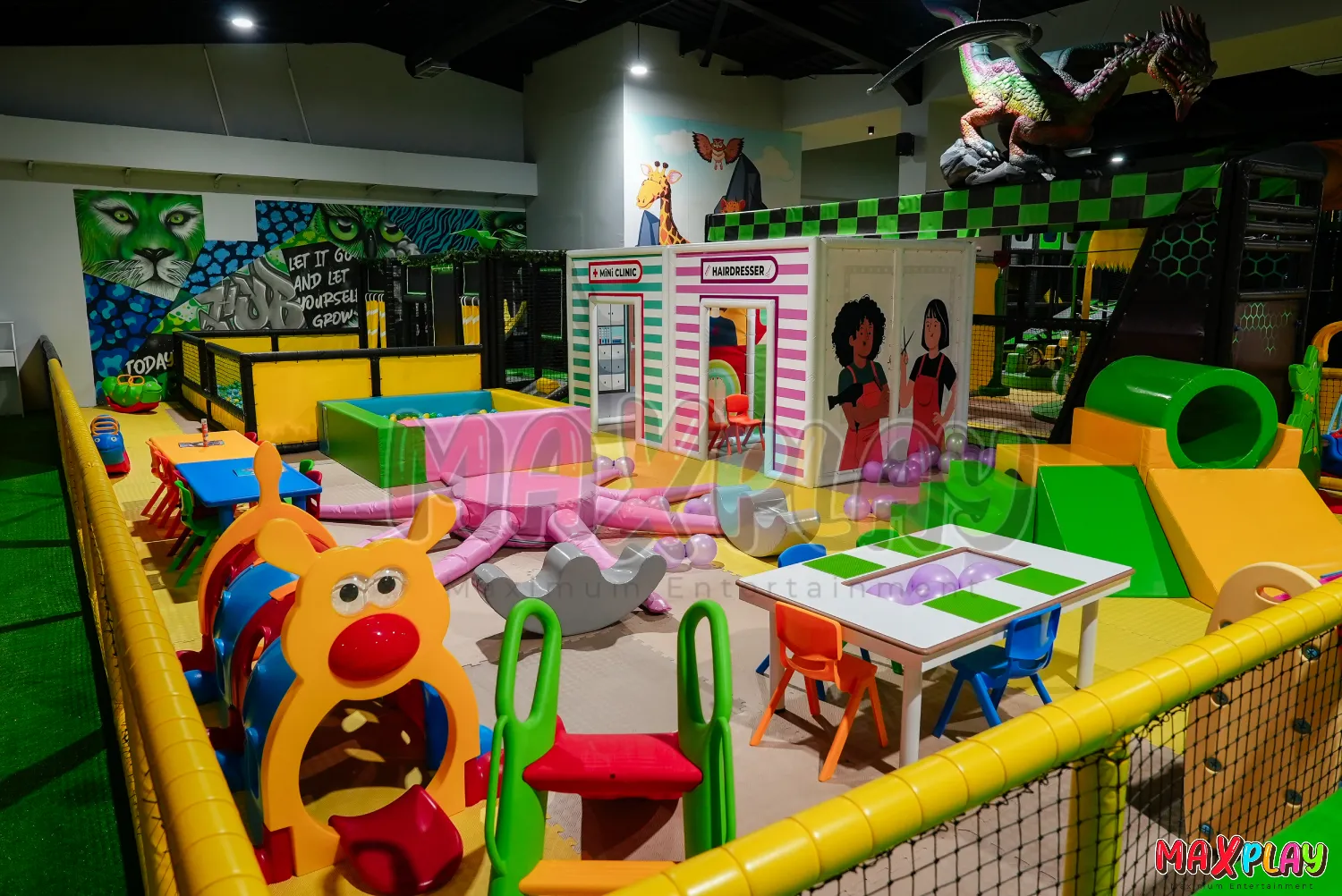
The product range may include commercial soft play equipment, multi-level adventure structures, indoor play equipment, slides, tunnels, obstacle courses, climbing elements, and ball pool installations. For younger children, an indoor play set can incorporate low climbing platforms, sensory activities, and soft obstacles. A carefully designed toddler play set indoor configuration should separate early developmental activities from more energetic play, reducing the likelihood of collisions between children with substantially different physical abilities.
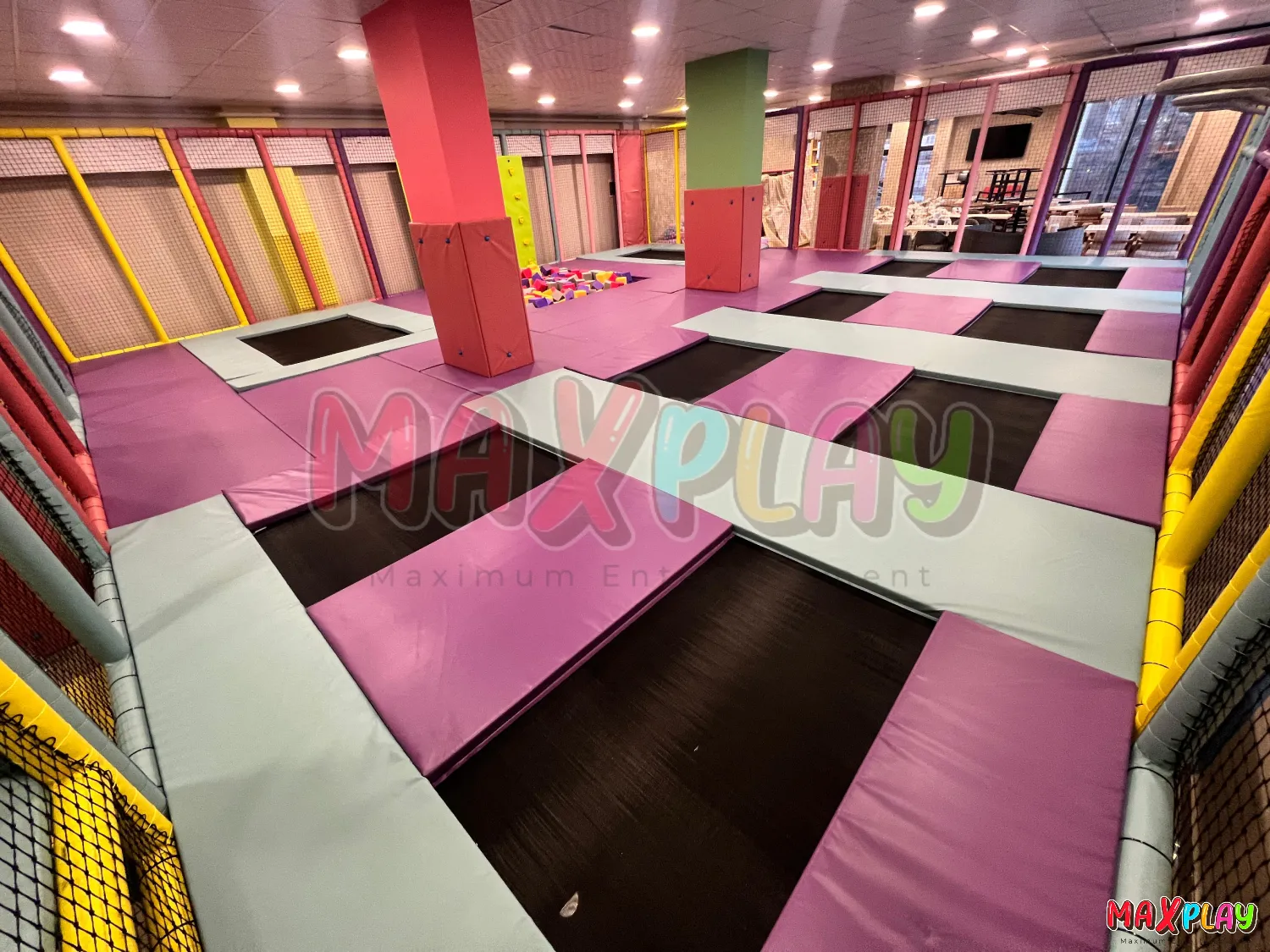
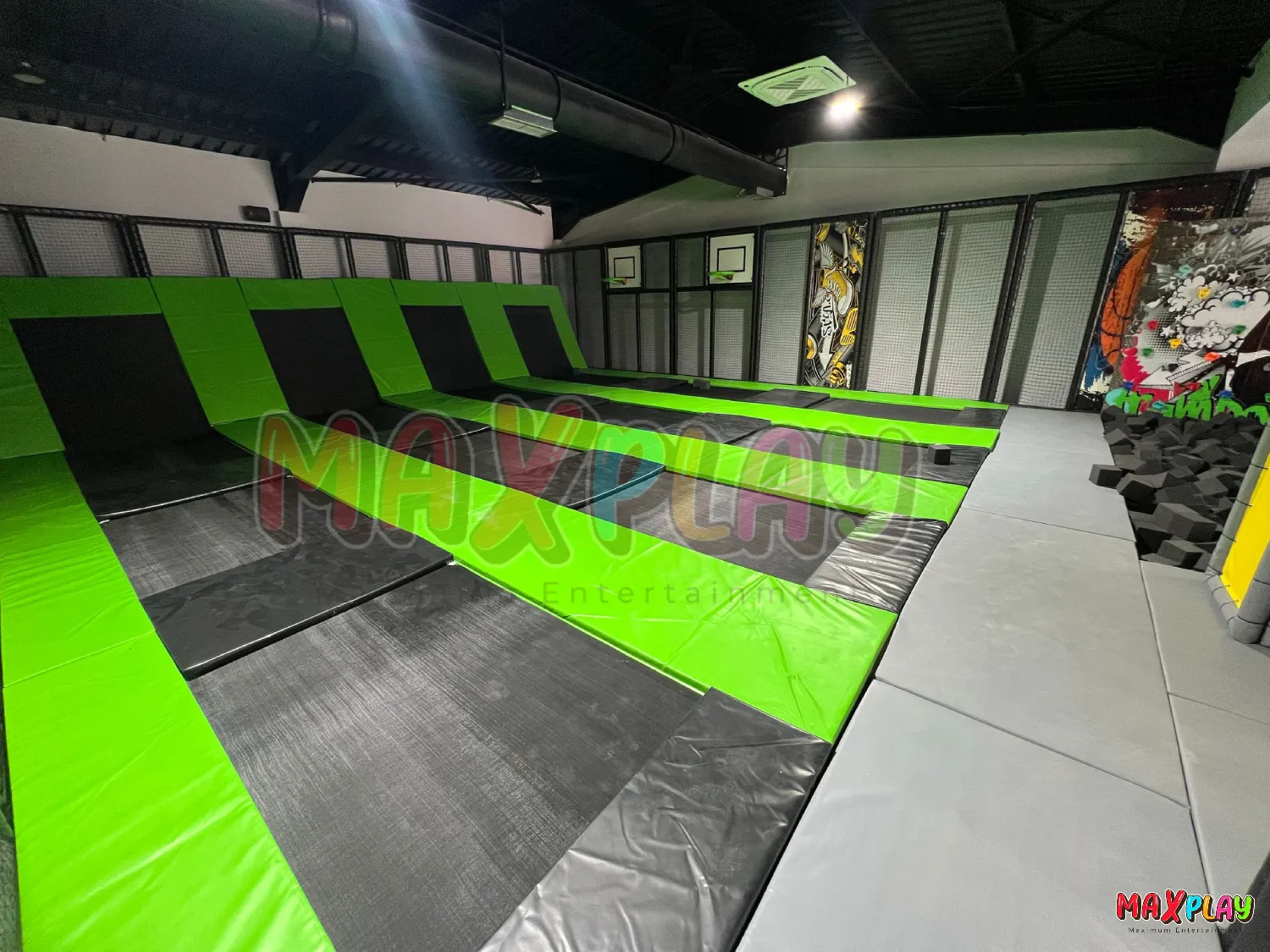
Larger leisure facilities may consider interactive playground equipment, climbing challenges, or dedicated trampoline attractions. These require different operating arrangements from conventional soft play. An experienced trampoline park manufacturer or supplier of trampoline park equipment should provide activity-specific technical information, inspection requirements, and operating guidance. In practice, combining several attraction types without considering staffing, supervision, and maintenance can increase operational complexity. Smaller businesses may achieve better financial results with fewer, carefully selected activities than with an oversized attraction mix.
Evaluating Structural Materials, Protective Padding and Long-Term Equipment Performance
Commercial playground equipment experiences continuous physical stress from climbing, jumping, sliding, and repeated contact with structural elements. Material selection must therefore consider expected usage intensity rather than appearance alone. Structural frameworks commonly incorporate steel tubing and engineered connections, while exposed contact areas require appropriate protective coverings. The suitability of individual materials depends on their mechanical properties, manufacturing quality, and intended application.
High-quality soft playground equipment should incorporate durable padding, secure protective coverings, appropriately selected netting, and surfaces suitable for regular cleaning. Foam density, covering thickness, seam construction, and attachment methods influence long-term performance. First-class material quality should be demonstrated through specifications and relevant testing rather than unsupported marketing descriptions. For example, a protective covering that looks attractive when new may deteriorate prematurely if its abrasion resistance is inadequate for continuous commercial use.
A practical purchasing consideration is the difference between initial material cost and replacement frequency. Lower-cost indoor soft playground equipment may become more expensive over time if padding compresses quickly, stitching fails, or frequently used components require early replacement. Buyers should examine expected wear points, cleaning procedures, spare-part availability, and the ease of replacing individual modules. Hygienic production practices, material traceability, and appropriate chemical safety documentation are especially important because children regularly touch playground surfaces with their hands and faces.
Factory Documentation and European Playground Safety Standards: EN 1176 and EN 1177
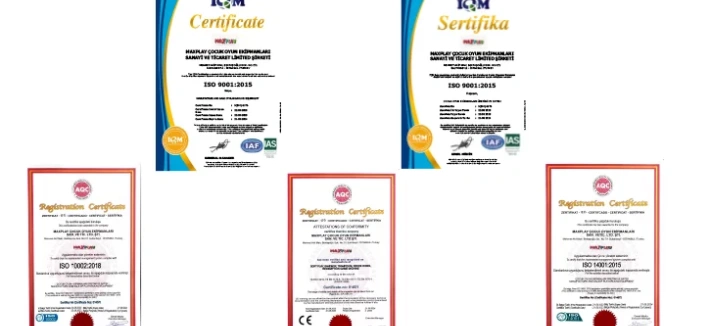
Safety documentation is an essential part of professional playground procurement. EN 1176 addresses safety requirements and test methods for playground equipment and surfacing, while EN 1177 concerns impact attenuation of playground surfacing. Their applicability must be assessed according to the equipment type, installation environment, and relevant regulatory requirements. Buyers should not assume that a general reference to European standards automatically establishes compliance for every component or configuration.
A credible manufacturer should explain which standards apply to the proposed installation and provide supporting evidence appropriate to the equipment. This may include material test reports, relevant inspection certificates, structural information, installation instructions, maintenance recommendations, and documentation of impact-attenuating surfaces. EN 1176 play structure requirements can influence equipment geometry, openings, fall protection, and other safety considerations. Appropriate playground material durability testing also helps establish whether components are suitable for their intended commercial use.
In real procurement situations, one recurring mistake is treating a generic certificate as proof that an entire customized installation has been independently approved. Certification scope, testing dates, product identification, and issuing organizations should be checked. CE marking should likewise not be assumed to apply universally to every playground structure; its relevance depends on the applicable product legislation. For North Macedonian projects, investors should verify local building, fire safety, accessibility, and operating requirements with qualified local professionals. Factory documentation supports this process but does not replace site-specific approvals or final inspection.
Why Turkish Playground Factories Are a Practical Supply Option for North Macedonian Investors?
Turkey offers geographic and manufacturing advantages for buyers seeking a balance between cost, customization, and delivery efficiency. Compared with sourcing from distant Asian markets, transport from Turkey to North Macedonia can involve shorter road freight routes, fewer logistical stages, and more accessible communication with production teams. These advantages are particularly relevant when a project requires replacement components, revised specifications, or coordination close to an opening deadline.
The competitive position of Turkish manufacturers should be evaluated through total delivered cost rather than equipment price alone. Some Chinese suppliers may offer lower initial manufacturing quotations, particularly for standardized, high-volume products. However, overseas freight, customs handling, longer replenishment periods, and coordination costs can change the overall comparison. Turkish suppliers may provide stronger value when they combine competitive factory pricing, verified material quality, customized engineering, and shorter delivery routes. This does not mean every Turkish product is automatically superior; the individual manufacturer’s production controls and specifications remain decisive.
For European and Balkan investors, communication and project flexibility can be equally important. Working with experienced soft play manufacturers in Turkey may make technical revisions, production inspections, and international shipment coordination more manageable. Turkish playground export services are particularly useful when a manufacturer can prepare equipment for cross-border transportation and cooperate with customs agents and installation teams. The strongest advantage is not simply geographic proximity, but the ability to connect engineering, production, and delivery within a coordinated commercial process.
Custom Production Services: Modular Layouts, Themed Play Zones and Project-Specific Dimensions
Standard equipment configurations are not always suitable for existing commercial buildings. A rectangular 100 m² facility may accommodate a conventional multi-level structure, while a similarly sized venue with several columns and restricted ceiling heights requires a different arrangement. Professional modular soft play manufacturing allows designers to adapt platforms, tunnels, slides, and activity stations to available dimensions without sacrificing essential circulation and safety requirements.
Customization also extends to visual identity and visitor experience. A themed children’s entertainment centre might incorporate jungle environments, ocean-inspired play areas, miniature role-play villages, or interactive activity walls. These concepts require coordination between decorative elements and the underlying structure. For custom children’s play systems, themed features should remain accessible for inspection, cleaning, and replacement. A decorative enclosure that prevents technicians from examining connections can become a maintenance problem regardless of its visual appeal.
When evaluating bespoke playground factory orders, buyers should distinguish between genuine engineering customization and superficial changes to standard products. Adjusting colours or graphics is relatively straightforward; modifying structural spans, platform elevations, or access routes requires technical assessment. Experienced factories also consider future expansion. A modular layout may allow operators to introduce additional attractions later, provided structural capacity, clearances, and connection compatibility have been considered during the original design.
Managing Manufacturing Schedules, Pre-Shipment Inspections and Order Tracking
Manufacturing lead times depend on project complexity, component availability, approved drawings, and factory workload. Standard modular equipment may require less preparation than a large customized installation with special slides, interactive systems, and decorative structures. Buyers should distinguish the time required for design approval from actual manufacturing time, packaging, international transportation, and on-site assembly.
For a commercial opening, the critical scheduling mistake is treating the estimated production completion date as the date when the playground will be operational. A realistic project programme should allow time for design revisions, factory checks, freight arrangements, customs procedures, installation, and final safety inspection. International playground order tracking should therefore cover defined milestones rather than relying on occasional informal progress updates. A useful reporting process identifies completed components, outstanding production activities, inspection status, and any issues affecting the agreed schedule.
Before dispatch, the buyer or an appointed representative should verify equipment quantities, dimensions, visible workmanship, protective packaging, and consistency with the approved specification. Photographic evidence can support inspection, although it cannot replace technical testing or physical examination where these are necessary. Effective pre-shipment control is particularly valuable for international orders because correcting a missing or incorrectly manufactured component after delivery can interrupt installation and delay the opening of the facility.
Delivery from Turkey to North Macedonia: Transport Planning, Customs and Site Access
Road transportation is an important advantage when sourcing commercial playground systems from Turkey. North Macedonia’s geographic position makes truck-based delivery a practical option for many projects, with routes commonly connecting Turkish manufacturing centres to the Balkans. Depending on shipment dimensions, cargo volume, and delivery urgency, logistics providers may arrange dedicated vehicles or consolidated freight. Indoor playground shipping North Macedonia projects should be planned around actual cargo measurements, not simply the finished playground’s floor area.
Playground components can include long structural sections, bulky slides, padded panels, netting, and numerous smaller assembly parts. These require different packaging methods. Protective wrapping helps reduce surface damage, while clearly labelled packages improve unloading and installation efficiency. For urgent replacement components, smaller parcel or air cargo services may offer alternatives to conventional road freight. Fast transportation is particularly valuable when a damaged component needs replacing before opening, although actual delivery times remain dependent on customs clearance, carrier availability, and shipment conditions.
Import procedures require equally careful preparation. Typical playground customs documentation may include commercial invoices, packing lists, transport documents, origin evidence where applicable, and supporting product information. Preferential tariff treatment depends on the correct classification, origin rules, and applicable trade arrangements; it should never be assumed automatically. Buyers should coordinate with customs specialists to confirm the relevant requirements before dispatch.
Site access is another frequently underestimated factor. A truck may reach the destination without difficulty, but equipment unloading can become complicated if the building has narrow service doors, restricted loading hours, limited lift capacity, or unfinished access routes. Large components should be checked against the smallest opening along the delivery path. Early coordination between the manufacturer, freight provider, building management, and installation team helps prevent avoidable handling costs and damage.
Technical Support After Delivery: Assembly Guidance, Spare Parts and Maintenance Coordination
The manufacturer’s responsibility should not end when the shipment reaches North Macedonia. Installation quality directly affects the performance and safety of the completed structure. Incorrectly positioned connections, insufficiently secured protective panels, or poorly tensioned netting can undermine otherwise well-manufactured equipment. Clear assembly drawings, component identification, installation sequences, and technical communication are therefore essential elements of professional soft play equipment installation guidance.
Buyers should establish whether assembly will be performed by the manufacturer’s technicians, a qualified local installation contractor, or a coordinated combination of both. These arrangements involve different costs and responsibilities. In practical terms, experienced installation teams can reduce assembly errors because they understand component sequencing and structural connections. Regardless of who performs the work, the completed installation should undergo appropriate inspection before children are permitted to use it.
Long-term commercial playground after-sales support should address preventive maintenance, replacement materials, technical troubleshooting, and equipment modifications. A commercial operator should establish daily visual checks, scheduled detailed inspections, cleaning routines, and procedures for removing damaged equipment from service. Areas subject to frequent contact, such as slide entrances, net connections, and padded platform edges, deserve particular attention.
Reliable playground replacement component supply can substantially reduce downtime. Before purchasing, operators should determine whether the manufacturer can identify and reproduce individual components using original project records. This is especially important for customized equipment where standard replacement parts may not fit. A well-documented installation, supported by component references and maintenance instructions, is easier to operate responsibly over its expected service life.
How MaxPlay Combines Factory-Direct Playground Manufacturing, International Delivery and Technical Support for North Macedonia?
MaxPlay develops customized indoor entertainment environments through an integrated approach to planning, engineering, manufacturing, and international project delivery. Its product portfolio includes multi-level play structures, toddler activity areas, ball pools, climbing attractions, interactive concepts, and trampoline park systems. This range enables investors to select equipment according to their venue dimensions, customer profile, operating model, and available budget rather than relying on a fixed catalogue configuration. The company’s published project process covers consultation, free site layout and 3D design, manufacturing, shipping, installation, and after-sales assistance.
For North Macedonian investors, MaxPlay’s factory-direct model offers the opportunity to coordinate design decisions with production requirements while benefiting from Turkey’s regional transport connections. The company emphasizes premium materials, internationally recognized safety standards, customizable production, and competitive pricing. Its published manufacturing and service approach is intended to help customers balance initial investment with equipment durability, efficient use of space, and ongoing operational needs. Compared with sourcing from China or more distant markets, Turkish production can offer advantages in road freight accessibility and delivery coordination, while project-specific quotations remain necessary for an accurate comparison of quality, price, and total landed cost.
MaxPlay also recognizes that a successful children’s entertainment investment begins before manufacturing and continues well beyond installation. Its free preliminary project design service allows prospective customers to explore a tailored layout and evaluate the proposed equipment arrangement before committing to production. For shopping centres, family cafés, hotels, and dedicated entertainment facilities throughout North Macedonia, the company offers an integrated route from initial concept to operational playground. Request your free playground project today and discover a customized solution built around your available space, commercial objectives, and investment requirements. Contact MaxPlay to discuss your project, receive a competitive factory-direct quotation, and plan international delivery and technical support.