





Indoor Playground Accessories in Slovenia: Smart Add-Ons for Better Experience
The commercial value of Indoor Playground Accessories in Slovenia extends beyond adding more activities to an existing play structure. Carefully selected components can improve how children move through a facility, create more opportunities for independent exploration, support different developmental stages, and help operators make better use of their available floor space. For Slovenian businesses operating family entertainment centres, shopping mall play zones, hospitality facilities, and dedicated soft play venues, accessory selection is an important part of long-term playground development.
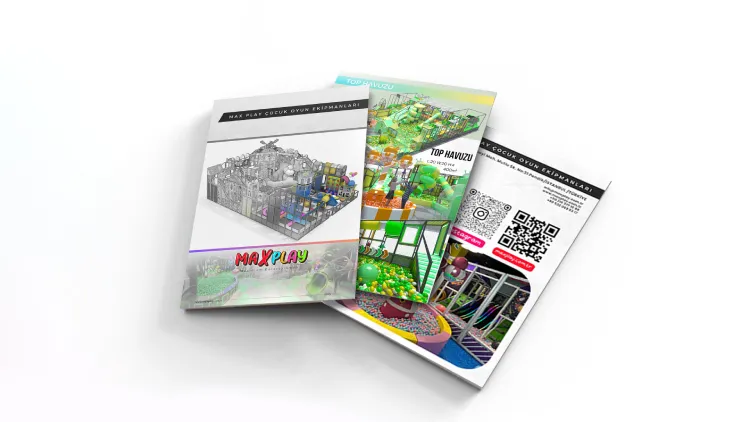
As MaxPlay Playground Equipment, we provide professional solutions for indoor playgrounds and soft play areas. We design, manufacture, install, and assemble indoor playground equipment and soft play systems for commercial spaces. Contact us for turnkey indoor playground projects.
| Landline: | 0216 377 10 88 |
| Mobile / WhatsApp: | 0532 069 53 17 |
| E-Mail: | info@maxplay.com.tr |
| Address: | Google Maps |
You can contact us for all your projects across Türkiye and international markets.
Our Services:
- Trampoline Manufacturing – Trampoline Park Installation
- Ball Pit Manufacturing – Ball Pit Playground Installations (with slides, etc.)
- Interactive Play Systems (Moving Soft Play Toys & Equipment)
- Sand Pit – Sand Play Areas
- Playgrounds and Role-Play Houses for Kindergartens & Nurseries
- Indoor playgrounds for businesses such as shopping malls, cafés, restaurants, etc.
- And all customized playground projects tailored to your specific needs.
A successful upgrade does not necessarily require replacing the original installation. Interactive elements, modular obstacles, sensory activities, connecting structures, and protective components can be integrated into suitable existing systems when their structural condition, dimensions, and safety requirements allow it. The objective is to increase meaningful play opportunities while maintaining comfortable supervision, efficient circulation, and manageable maintenance costs.
Working with an experienced manufacturer also makes a difference. Custom-engineered components, documented material specifications, coordinated production, and international logistics can simplify the modernization process. Turkish manufacturers such as MaxPlay offer Slovenian operators access to project-specific solutions, competitive manufacturing costs, and practical delivery options from Turkey to Central Europe.
Enhancing Indoor Playground Experiences in Slovenia Through Thoughtfully Selected Accessories
The effectiveness of a commercial playground is determined by how children interact with its different activities, not simply by the number of attractions installed. A large structure containing several slides may initially appear impressive, but its practical value decreases when children repeatedly use only one section. Thoughtfully selected accessories introduce alternative activities, improve movement between play zones, and encourage visitors to explore areas that previously received limited attention.
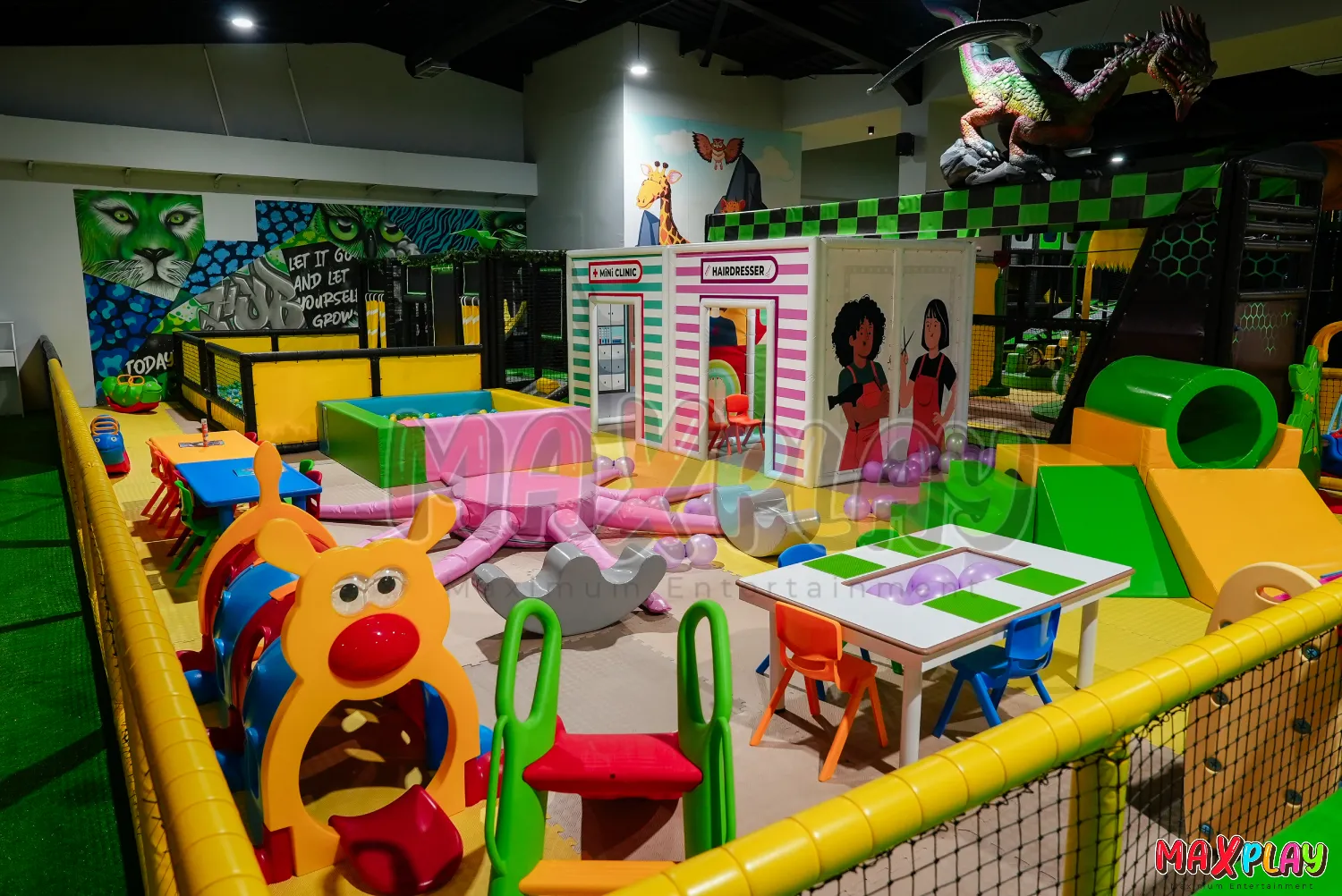
For example, an existing climbing structure can become more engaging through the integration of interactive targets, observation windows, crawl-through connections, or age-appropriate balancing elements. These additions create new play sequences without necessarily increasing the overall footprint. Well-designed smart soft play enhancements can also support different types of play, including physical activity, problem-solving, imaginative interaction, and sensory exploration.
In practical playground planning, the most valuable improvements often address a specific operational weakness. A quiet corner may need a low-intensity activity rather than another physical obstacle. A crowded entrance may benefit from redesigned circulation instead of additional equipment. For Slovenian operators, effective indoor play experience design begins with understanding how visitors actually use the venue and selecting components that resolve identifiable limitations.
MaxPlay Playground Equipment Overview
| Equipment Name | Description | Key Benefits |
| Ball Pool | Colorful pit filled with balls for safe sensory play. | Safe fun for toddlers, easy to clean, encourages motor skills. |
| Trampoline | High-quality indoor trampolines. | Builds balance and strength, child-safe design, durable materials. |
| Interactive Game Sets | Digital and physical interactive play stations. | Boosts learning, cognitive skills, and engagement. |
| Profession Houses | Role-play houses designed for kids. | Encourages creativity, social interaction, and imagination. |
| Trampoline Park | Large-scale trampoline structures. | Suitable for older kids, high durability, safe design. |
| Roller Slide | Conveyor-style (roller) slides for continuous fun. | Efficient design, fun motion play, safe structure. |
| Tower Slide | Tower slides designed for adventure play. | Exciting design, strong safety standards, eye-catching feature. |
| Climbing Wall | Indoor climbing walls. | Builds strength and coordination, safe grips, customizable difficulty levels. |
| Volcano Slide | Volcano-shaped slides with climbing and sliding features. | Combines climbing and sliding, unique design, fun for multiple age groups. |
Identifying Play Area Improvements Based on Children’s Behaviour and Visitor Needs
Before purchasing new accessories, operators should evaluate existing visitor behaviour. Observation during busy and quiet periods can reveal where children spend the most time, which attractions they avoid, and where congestion develops. These patterns provide more useful information than choosing equipment solely from a catalogue.
A practical assessment should consider the average time children spend in each zone, the age groups using particular attractions, the frequency of queues, and the level of parental assistance required. For instance, if younger visitors regularly attempt to enter an advanced climbing area, the facility may need more attractive activities for its youngest users. A dedicated toddler play set indoor configuration, incorporating low platforms, tactile elements, and accessible interactive features, may provide a more appropriate alternative.
Visitor feedback should also be interpreted carefully. Parents may request additional slides because they are familiar attractions, while actual observation may indicate that children need more varied activities between slides. The most effective children’s entertainment venue improvements combine operational data, age-related play requirements, and maintenance observations. This approach reduces the risk of investing in equipment that looks attractive but contributes little to the visitor experience.
Interactive Activity Panels, Puzzle Stations and Sensory Features for More Engaging Play
Interactive panels are particularly useful where operators want to increase activity variety without occupying substantial floor space. Wall-mounted puzzles, rotating mechanisms, shape-matching activities, tactile surfaces, and mechanical games can transform otherwise unused vertical areas into purposeful play environments.
Unlike high-energy attractions, interactive playground activity panels allow children to engage at their own pace. They are useful in waiting areas, toddler zones, family cafés, and quieter sections of larger playgrounds. Mechanical activity boards can also operate without electrical connections, reducing installation complexity and certain maintenance requirements. Electronic or projection-based systems offer different possibilities but require additional consideration of power supply, software support, accessibility, and component replacement.
The selection of indoor playground sensory equipment should be guided by the intended age group and the specific sensory experience being offered. Textured surfaces, contrasting shapes, simple sound-producing mechanisms, and visually understandable controls can support varied exploration. In actual operation, the most common mistake is installing too many stimulating elements within a small area. A balanced arrangement provides opportunities for engagement without creating excessive noise, visual clutter, or competition between activities.
Space-Saving Add-Ons for Compact Soft Play Centres and Family Hospitality Venues
Smaller commercial premises require a different equipment strategy from large family entertainment centres. In compact venues, every additional attraction affects circulation, seating capacity, emergency access, and staff supervision. A successful layout must therefore increase play value without reducing the functionality of the surrounding business.
Wall-mounted activities, modular corner installations, integrated seating-side play features, and low-profile obstacle arrangements are practical examples of compact play centre accessories. These components can work particularly well in Slovenian restaurants, hotels, shopping facilities, and family-oriented cafés where children’s entertainment complements another primary service. A carefully configured indoor play set may combine a short slide, small climbing platform, and tactile activity wall within one coordinated footprint.
However, space-efficient play equipment should not be selected solely according to external dimensions. Operators must also consider access clearances, impact areas, maintenance access, and the movement of supervising adults. In practical installations, an accessory that technically fits into a corner may still create an unsuitable bottleneck. Compact design is therefore an exercise in functional planning rather than simply choosing the smallest available products.
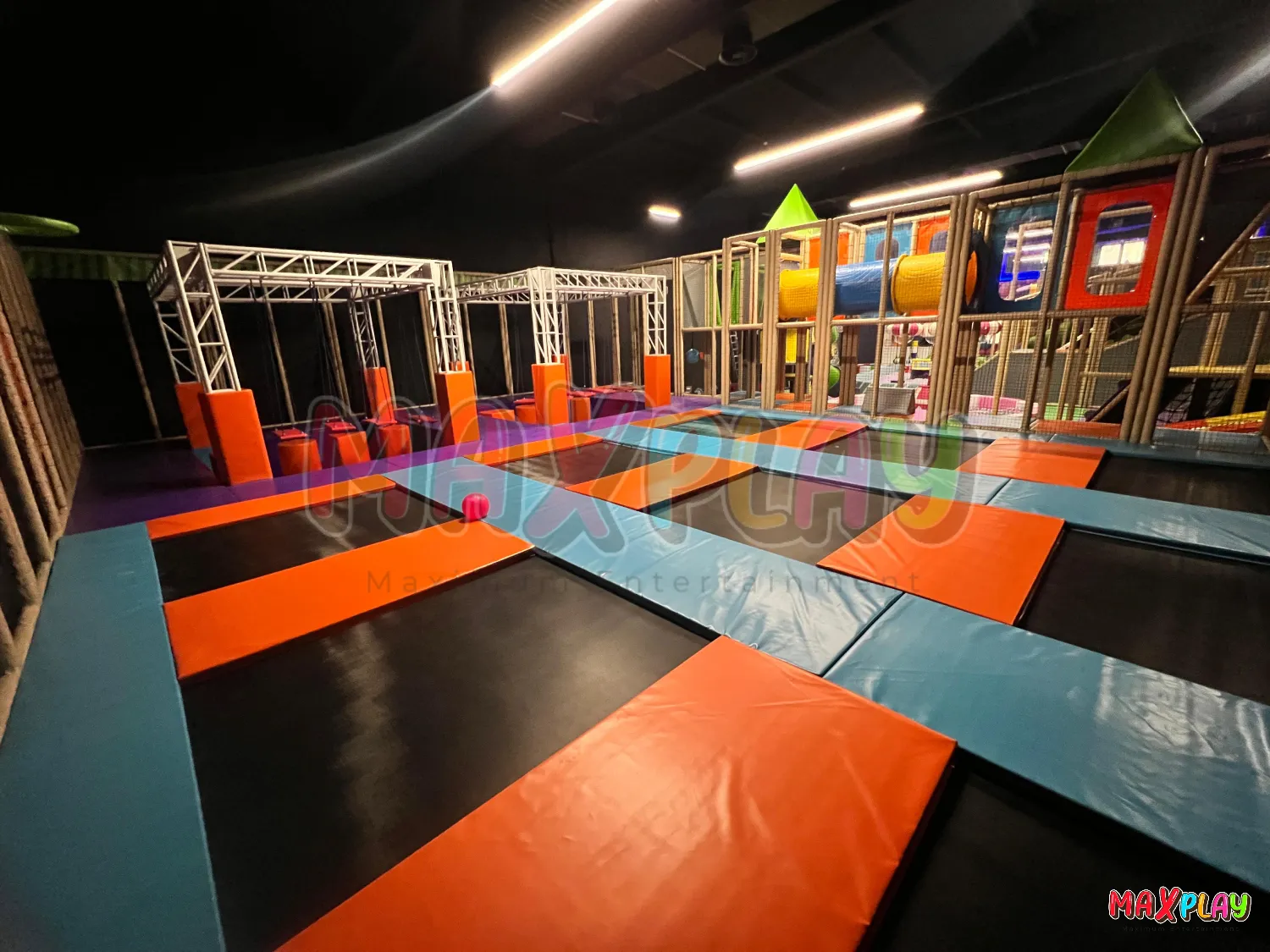
Multi-Level Play Enhancements: Climbing Nets, Connecting Tunnels and Adventure Obstacles
Multi-level structures provide opportunities to introduce additional challenges without expanding the entire playground. Connecting tunnels, net passages, suspended obstacles, and alternative climbing routes can increase the number of activities available within an established structural layout.
The design of modular climbing net installations requires particular attention to anchoring, load transfer, mesh dimensions, and the relationship between the accessory and the supporting framework. Net structures must be selected according to the intended user group and verified against applicable safety requirements. Adding a climbing component to an existing platform is not automatically safe simply because both elements were originally manufactured for playground use.
A typical commercial upgrade may involve connecting two underused platforms with a protected tunnel or introducing a short adventure sequence between established attractions. These improvements can reduce repetitive movement patterns and distribute visitors more evenly throughout the structure. For facilities already offering soft playground equipment, modular obstacles are often more practical than replacing an entire play system, provided the original framework has adequate structural capacity and the manufacturer approves the integration.
Creating Inclusive Play Opportunities with Age-Appropriate and Accessible Activity Features
An effective commercial play environment should offer meaningful activities for children with different ages, abilities, confidence levels, and sensory preferences. Inclusive design does not mean that every attraction must provide the same physical challenge. It means offering varied ways to participate while reducing unnecessary barriers.
Low-height activity panels, reachable controls, clearly differentiated play zones, supportive seating arrangements, and ground-level sensory stations can contribute to inclusive children’s play features. For example, a child who cannot comfortably access an elevated climbing structure may still participate in cooperative games through accessible interactive elements positioned at floor level. Equipment selection should consider reach ranges, approach space, physical support, and the usability of individual activities.
In real-world planning, a frequent oversight is focusing exclusively on the physical accessibility of the entrance while neglecting participation within the playground itself. A wide entrance alone does not create an inclusive experience. Operators should assess the entire visitor journey, including circulation, activity choice, communication, rest areas, and supervision. The most effective approach combines accessible design principles with age-appropriate challenges and practical operational planning.
Themed Decorative Components and Creative Play Elements That Strengthen Venue Identity
Playground accessories can contribute to brand recognition as well as functionality. Themed entrances, decorative panels, imaginative play stations, and coordinated visual features help transform standard equipment into a distinctive environment. This is particularly valuable for businesses competing on visitor experience rather than facility size alone.
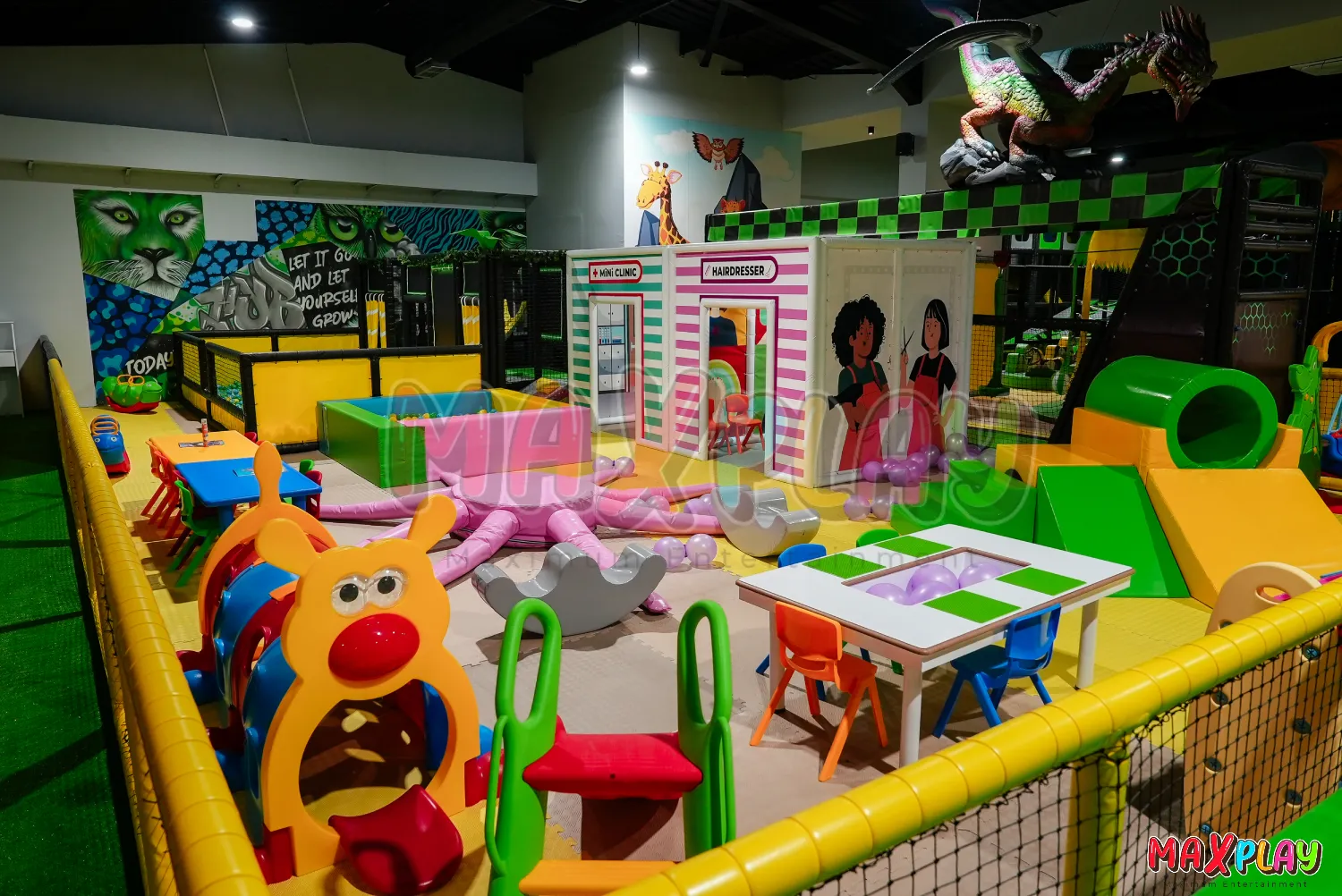
A woodland-themed playground, for instance, may combine tree-inspired structural coverings, animal activity panels, green-toned soft obstacles, and exploration tunnels. A city-themed venue may integrate miniature storefronts, transport illustrations, and role-play stations. Professionally designed themed playground decoration systems create visual consistency while supporting activities that correspond with the selected concept.
The practical challenge is ensuring that decoration does not interfere with safety or maintenance. Decorative elements must not introduce sharp projections, accessible small detachable parts, unintended climbing points, or hidden supervision areas. Surface finishes also need to tolerate repeated cleaning and physical contact. Successful themed design treats visual identity and equipment engineering as connected responsibilities rather than separate stages of production.
Material Durability, Safe Integration and Maintenance Requirements for Playground Upgrades
The long-term performance of commercial accessories depends heavily on material selection and installation quality. Equipment used in public play environments experiences repeated impacts, abrasion, cleaning, and mechanical stress. Components that perform adequately in domestic settings may not be suitable for intensive commercial use.
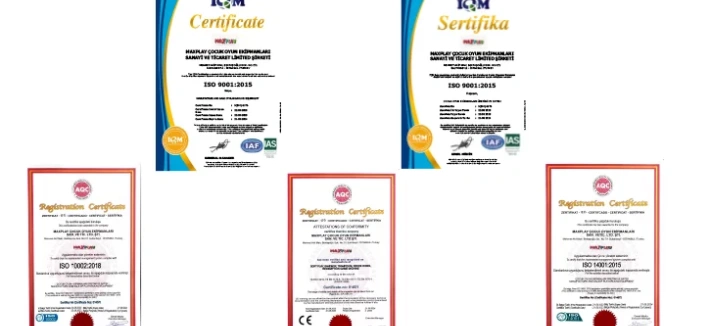
High-quality commercial soft play equipment typically combines engineered structural elements with protective padding, appropriate coverings, secure connections, and materials selected for their intended application. Depending on the component, relevant considerations include foam density, covering durability, corrosion resistance, seam strength, cleanability, and resistance to repeated mechanical loading. First-class manufacturing quality should be demonstrated through material specifications, production controls, and relevant test documentation rather than unsupported marketing descriptions.
Safety evaluation is equally important. A playground accessory safety assessment should examine the complete installation, including its interaction with existing equipment. European standards such as EN 1176 and EN 1177 may be relevant depending on equipment type, installation context, and applicable requirements. EN 1177 addresses impact-attenuating playground surfacing, while the EN 1176 series covers different aspects of playground equipment safety. Other requirements may apply to particular indoor play products.
In daily operation, maintenance accessibility is frequently underestimated. Components should permit routine inspection of fasteners, net connections, padding, and high-wear surfaces. Materials intended for children’s environments should also be evaluated for relevant chemical safety, hygiene, and cleaning requirements. Appropriate certificates and test reports should be checked for the specific product and configuration; a generic certification claim does not establish compliance for every accessory or complete installation.
Why Turkish Manufacturers Offer Flexible Customization for Slovenian Indoor Playground Projects?
Turkey has an established manufacturing base serving international commercial playground projects. For Slovenian businesses, sourcing from Turkish producers can offer a practical combination of custom production, geographic accessibility, and competitive pricing.
Experienced Turkish playground accessory suppliers can manufacture components according to project drawings, existing equipment dimensions, and individual venue requirements. This flexibility is especially valuable when a facility needs non-standard connections, customized protective padding, specific decorative colours, or modular components designed to match an established playground. Compared with relying exclusively on standard catalogue products, project-based manufacturing allows operators to address the actual limitations of their facilities.
Cost is another important consideration. Turkish manufacturing can compete with suppliers from China and other international markets on equipment pricing while offering potential advantages in transport distance and delivery coordination for Slovenian projects. However, overall value should be assessed through total landed cost, material specifications, production schedules, freight charges, customs procedures, installation requirements, and after-sales support. A lower factory price does not necessarily produce a lower completed-project cost.
Transport from Turkey to Slovenia can be organized through international road freight, consolidated cargo, and other logistics arrangements appropriate to shipment size and urgency. Road transport may provide shorter transit routes than intercontinental sea freight from China, although actual delivery times depend on production readiness, carrier schedules, border procedures, and shipment conditions. Professional manufacturers should coordinate protective packaging, shipment documentation, and delivery planning to reduce unnecessary delays.
Planning Cost-Effective Equipment Upgrades Without Replacing Entire Play Structures
Modernization should begin with an assessment of the existing playground’s condition and remaining service life. If the primary structure is mechanically sound, appropriately documented, and suitable for modification, targeted improvements may provide better financial value than complete replacement.
A structured indoor playground retrofit planning process separates necessary repairs from optional enhancements. Worn protective coverings, damaged netting, and compromised connections must be addressed before introducing additional attractions. Once the existing installation is confirmed to be suitable, operators can prioritize improvements according to visitor demand, operational impact, and budget.
For example, a medium-sized Slovenian play centre may have a functional multi-level structure but limited activities for younger children. Rather than investing in an entirely new system, the operator could introduce a compact sensory area, accessible wall activities, and selected custom soft play add-ons. This approach preserves usable equipment while directing investment toward an underserved visitor group.
Different upgrades also produce different financial and operational outcomes. A new climbing obstacle may increase active play variety but require structural verification and more intensive inspection. A mechanical activity panel may provide lower-maintenance engagement but contribute less to physical movement. A decorative renovation can refresh the venue’s appearance without substantially changing play capacity. These distinctions matter when comparing cost-effective play area modernization options.
Operators should request detailed proposals covering equipment dimensions, materials, integration methods, transport, installation, and maintenance obligations. Comparing quotations on purchase price alone can obscure important differences in durability and service requirements. The most appropriate investment is the one that solves a clearly identified problem while remaining compatible with the facility’s operating model.
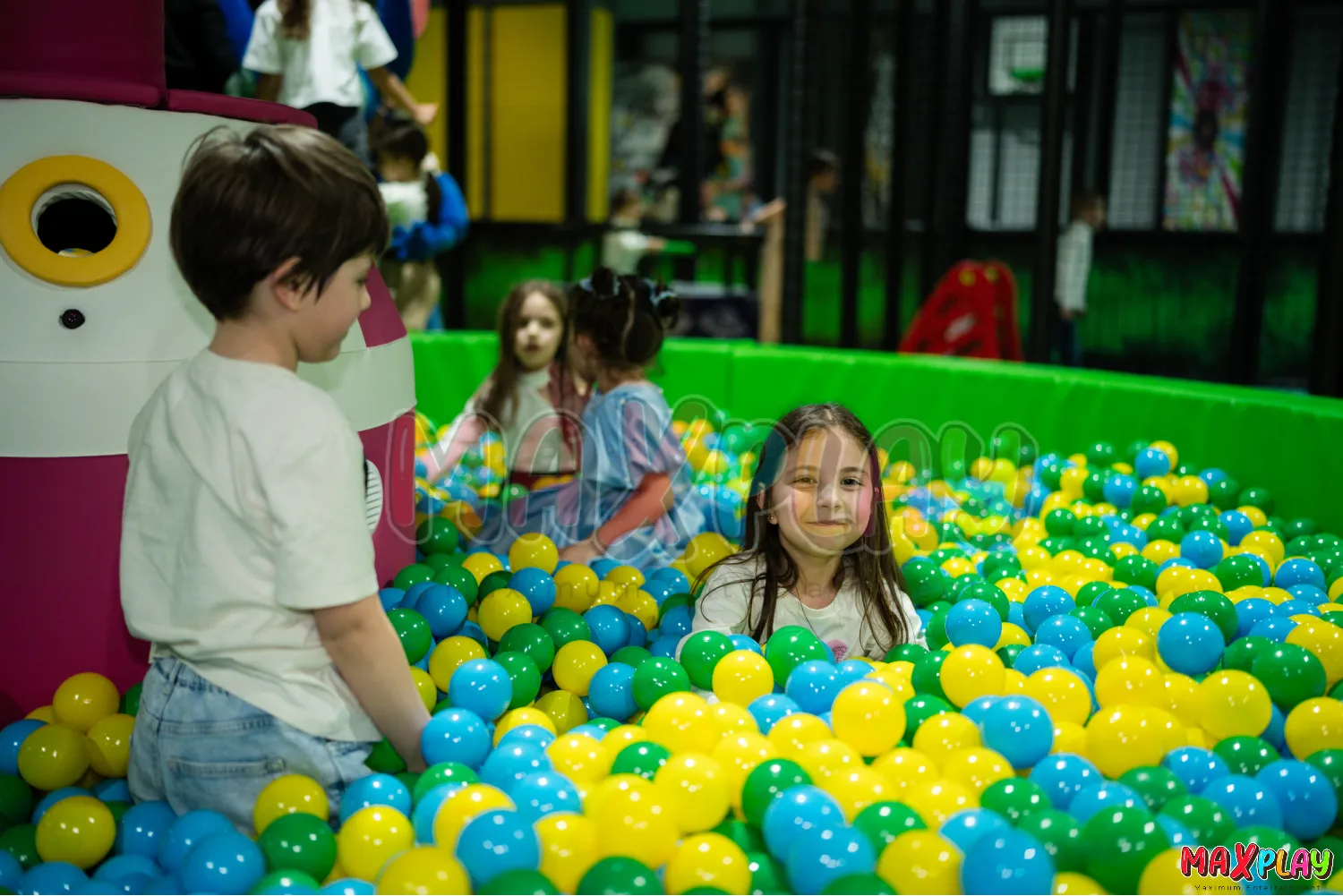
How MaxPlay Develops Custom Playground Accessories and Modular Play Enhancements for Slovenian Venues?
MaxPlay is a Turkish manufacturer specializing in commercial indoor playground systems, customized soft play structures, and integrated children’s entertainment environments. Its project-based approach combines design, engineering, manufacturing, international delivery, and installation coordination. This allows Slovenian businesses to develop individual accessories as part of a wider operational and structural plan rather than treating every addition as an isolated purchase.
As one of the indoor playground equipment manufacturers serving international projects, MaxPlay can develop bespoke modular playground components for different facility types. These may include protective soft play elements, connecting tunnels, climbing activities, interactive stations, decorative structures, and appropriately configured ball pool features. For operators researching indoor soft playground equipment or interactive playground equipment, the important advantage of customized production is the ability to coordinate new components with available dimensions, age groups, and existing attractions.
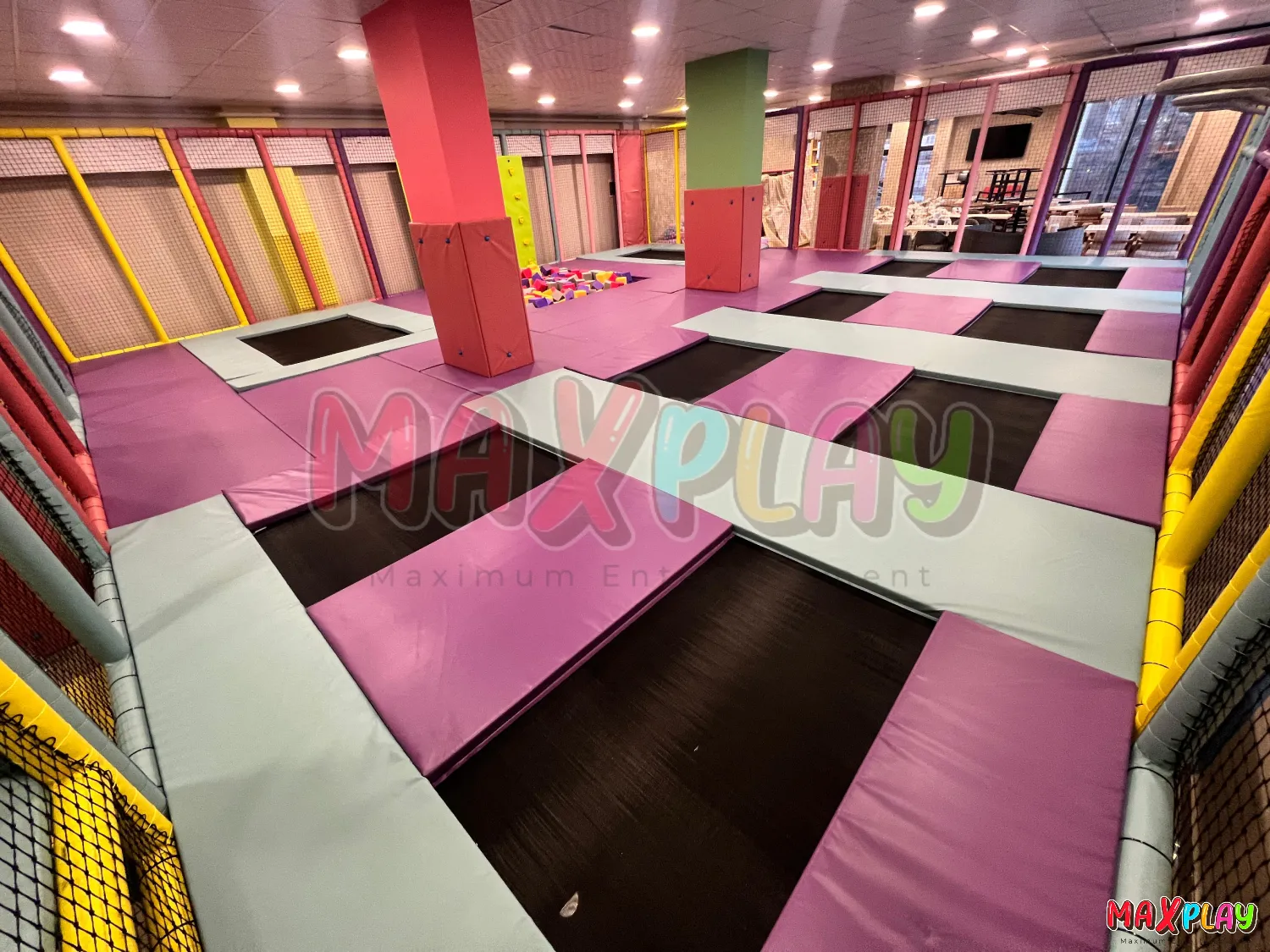
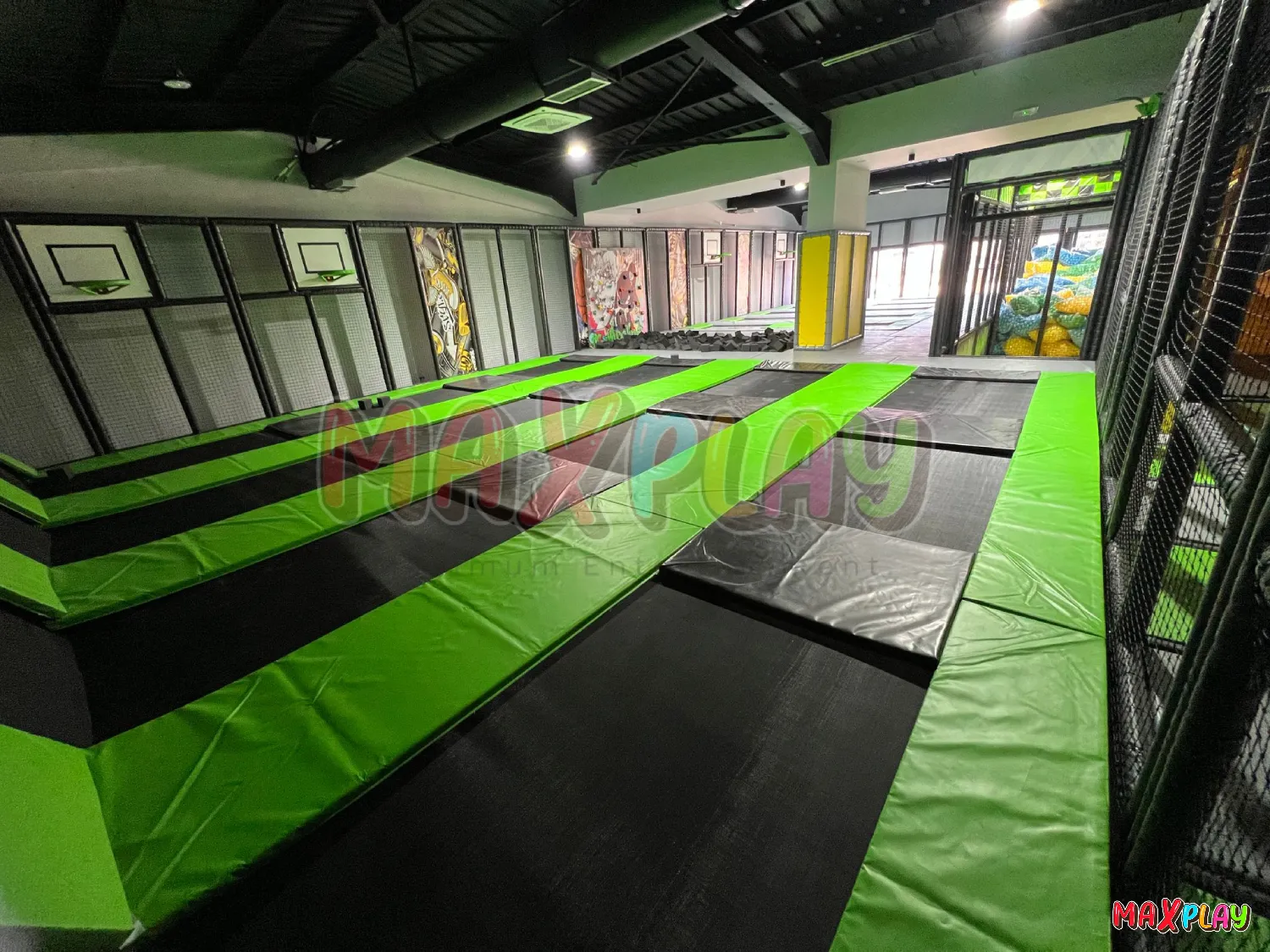
MaxPlay’s manufacturing capabilities also extend to larger entertainment concepts, including trampoline park equipment and integrated adventure attractions. As a trampoline park manufacturer, the company can address projects that combine multiple activity categories, although trampoline installations require their own engineering, operational, and safety assessments. This distinction matters when comparing a specialized accessory upgrade with the development of a complete family entertainment facility.
For businesses evaluating soft play manufacturers, technical capability should be assessed alongside commercial terms. MaxPlay’s factory-direct model can provide competitive pricing against Chinese and European alternatives while benefiting from Turkey’s proximity to Slovenia. This geographic position supports efficient road freight arrangements, flexible cargo coordination, and potentially shorter delivery schedules than distant overseas sourcing. Actual pricing and delivery commitments remain dependent on project scope, specifications, and logistics conditions.