




Commercial Indoor Playground Equipment in Norway: Investment Trends, Safety Standards, and High-Performance Entertainment Concepts
The Norwegian family entertainment sector has entered a new growth phase driven by year-round indoor recreation demand, changing shopping centre strategies, and the increasing need for experience-focused commercial spaces. Businesses investing in Commercial Indoor Playground Equipment in Norway are no longer looking for basic children’s play corners. Today’s projects are designed as revenue-generating entertainment ecosystems that increase visitor dwell time, strengthen customer loyalty, and create recurring family traffic throughout all seasons.
As MaxPlay Playground Equipment, we provide professional solutions for indoor playgrounds and soft play areas. We design, manufacture, install, and assemble indoor playground equipment and soft play systems for commercial spaces. Contact us for turnkey indoor playground projects.
| Landline: | 0216 377 10 88 |
| Mobile / WhatsApp: | 0532 069 53 17 |
| E-Mail: | info@maxplay.com.tr |
| Address: | Google Maps |
You can contact us for all your projects across Türkiye and international markets.
Our Services:
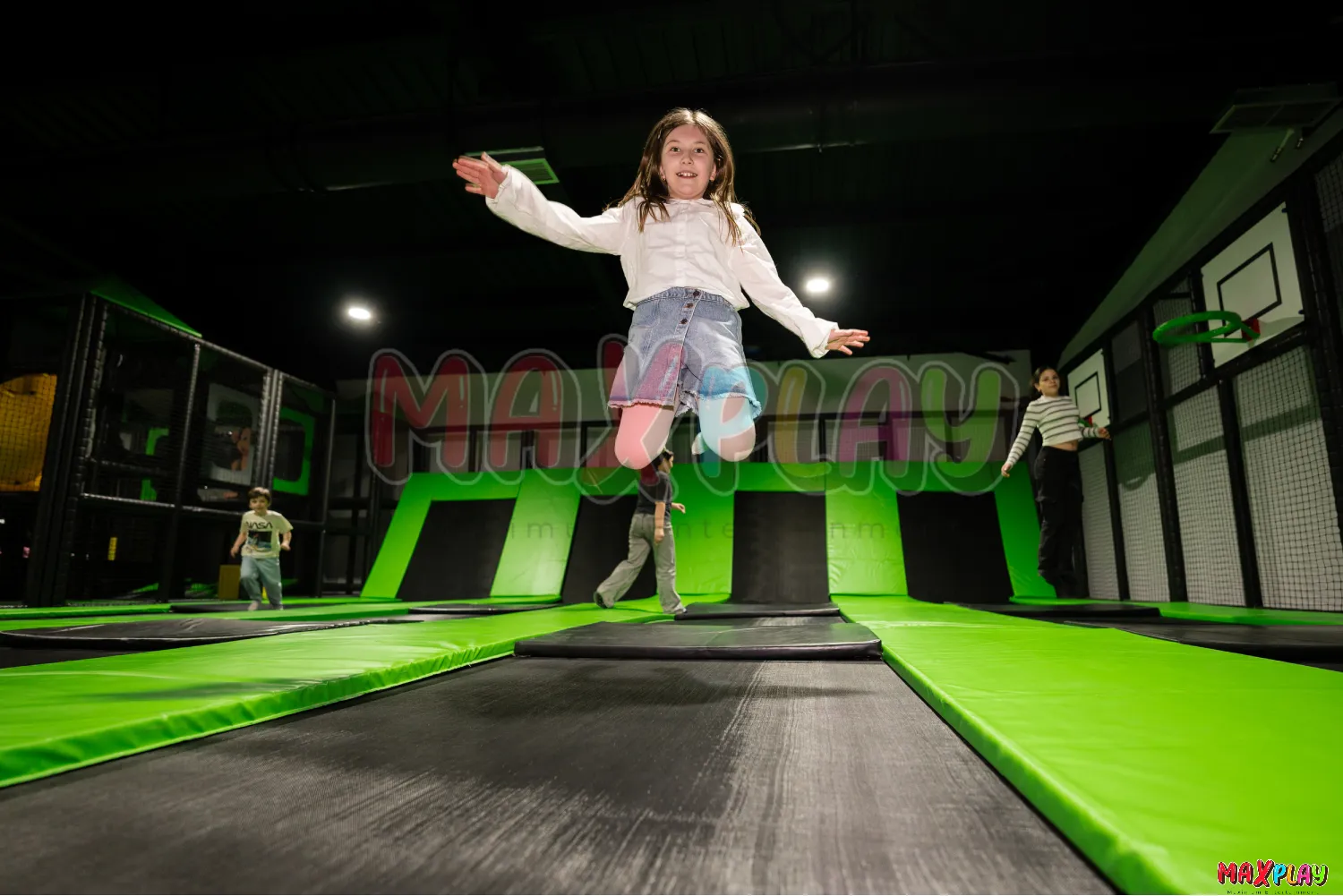
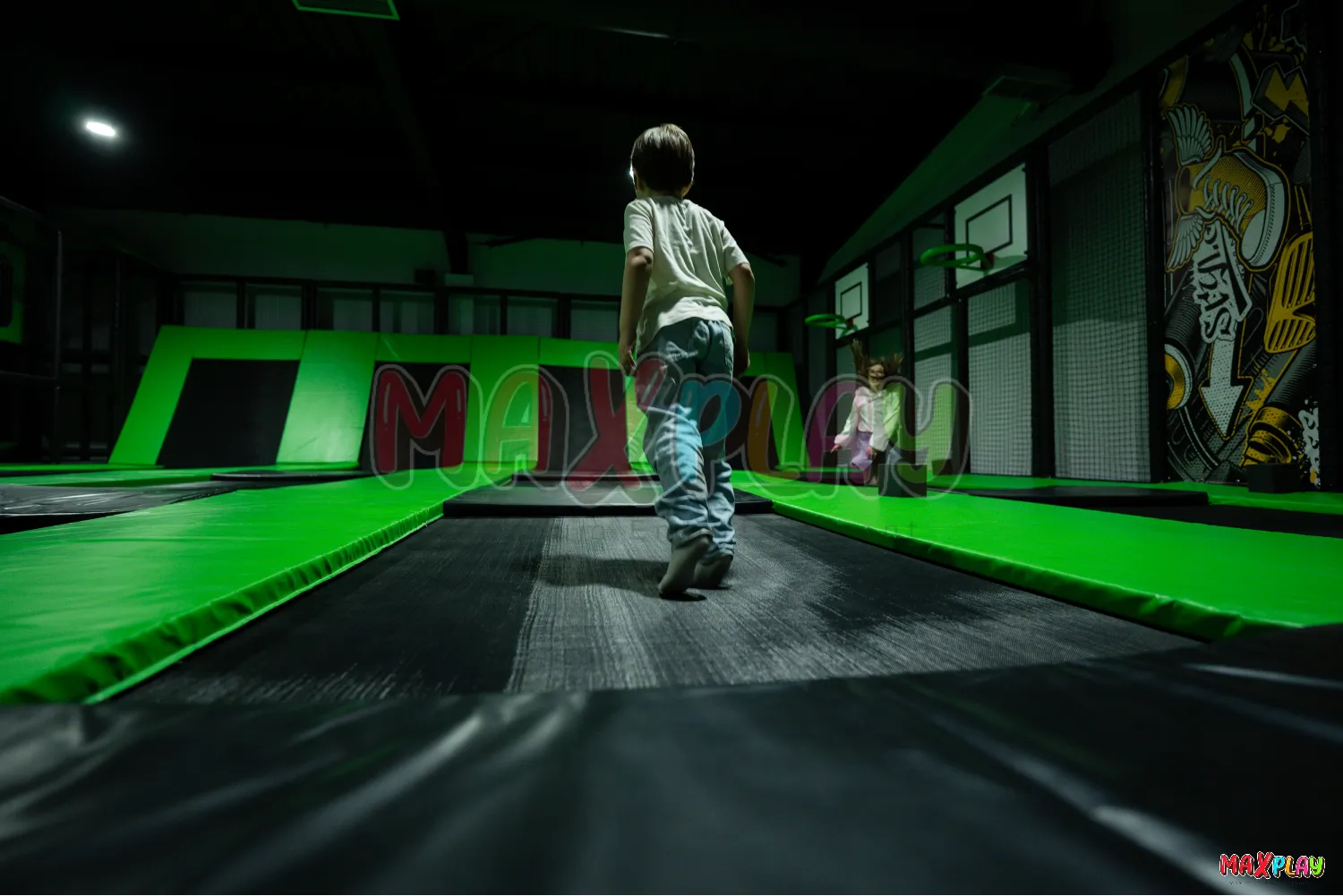
- Trampoline Manufacturing – Trampoline Park Installation
- Ball Pit Manufacturing – Ball Pit Playground Installations (with slides, etc.)
- Interactive Play Systems (Moving Soft Play Toys & Equipment)
- Sand Pit – Sand Play Areas
- Playgrounds and Role-Play Houses for Kindergartens & Nurseries
- Indoor playgrounds for businesses such as shopping malls, cafés, restaurants, etc.
- And all customized playground projects tailored to your specific needs.
In practice, the most successful Scandinavian projects are the ones that combine operational efficiency with immersive visitor experience. Operators in Oslo, Bergen, and Trondheim increasingly prefer modular play systems that can adapt to different age groups without requiring complete redesigns after a few years. This is one of the main reasons why Turkish production companies have become highly visible in the Nordic market. Their ability to provide custom-engineered solutions with faster delivery times and competitive pricing creates a major advantage for commercial investors.
Another major shift in the Norwegian market is the demand for integrated entertainment concepts instead of isolated attractions. Shopping centres, hotels, restaurants, and family entertainment centres are investing in layered activity zones that include climbing systems, role-play areas, interactive digital activities, trampoline sections, and sensory play spaces within a unified visitor flow. Real-world project experience shows that operators who plan circulation correctly achieve significantly longer average stay durations and higher secondary spending in food and retail areas.
Why Family Entertainment Concepts Are Growing Faster in Norway?
Norway’s indoor leisure market has expanded rapidly because weather conditions directly influence family activity habits. Long winters, rainy seasons, and cold climate conditions make outdoor playground operations less predictable for commercial businesses. As a result, year-round indoor recreation has become a stable commercial model rather than a seasonal opportunity.
One of the most frequently overlooked factors in Scandinavian entertainment planning is how family behaviour changes during colder months. In real operational environments, parents prefer venues where multiple age groups can spend several hours together comfortably. This is why successful projects usually combine toddler zones, active play structures, climbing activities, and food-service integration within the same concept instead of relying on a single attraction type.
The rise of Nordic family venues is also connected to the transformation of retail spaces. Modern shopping centres are no longer evaluated only by tenant mix. Visitor engagement duration has become one of the strongest indicators of commercial performance. For this reason, many mall operators now integrate interactive playground equipment directly into circulation strategies to increase customer retention and repeat visitation rates.
Choosing the Right Play Equipment for Cold Climate Countries
Climate conditions significantly affect indoor playground engineering decisions. In Nordic countries, operators must prioritize systems that maintain comfort, hygiene, and durability under intensive year-round use. Materials exposed to constant heating systems and heavy visitor traffic need stronger structural planning than standard recreational equipment.
One of the most common mistakes during project development is selecting visually attractive systems without considering operational stress. Real usage conditions in Norway often involve high daily traffic concentration during weekends and winter months. Because of this, climate-friendly indoor playground systems should include reinforced metal structures, high-density padding materials, and professionally engineered circulation layouts that prevent congestion.
Another important issue is acoustic planning. Scandinavian indoor recreation design increasingly focuses on sound management because enclosed entertainment areas can quickly become uncomfortable when poorly designed. Multi-layer soft barriers, insulated activity zones, and modular play towers help reduce noise distribution while improving visitor comfort. This becomes especially important in mixed-use commercial environments such as restaurants, shopping centres, and hotel entertainment floors.
What Are the Latest Indoor Playground Design Trends from Turkish Manufacturers?
Turkish playground manufacturers have become increasingly competitive in Europe because they combine engineering flexibility with faster production capabilities. Unlike many mass-production suppliers, Turkish companies often develop project-specific layouts instead of forcing standard catalog systems into unsuitable commercial spaces.
The latest generation of immersive indoor playground layouts focuses heavily on movement diversity. Operators no longer want single-function play systems. Instead, they prefer layered attractions where climbing elements, sensory activities, slides, obstacle courses, and role-play zones interact within a connected visitor journey. This improves visitor retention and creates stronger replay value for returning families.
Another major trend involves adaptive visual theming. In practice, operators frequently need entertainment concepts that match shopping centre branding, hospitality architecture, or local cultural preferences. Custom playground fabrication has therefore become a decisive factor during supplier selection. This is one area where experienced Turkish engineering teams have gained a strong advantage over standard overseas production chains.
MaxPlay Playground Equipment Overview
| Equipment Name | Description | Key Benefits |
| Ball Pool | Colorful pit filled with balls for safe sensory play. | Safe fun for toddlers, easy to clean, encourages motor skills. |
| Trampoline | High-quality indoor trampolines. | Builds balance and strength, child-safe design, durable materials. |
| Interactive Game Sets | Digital and physical interactive play stations. | Boosts learning, cognitive skills, and engagement. |
| Profession Houses | Role-play houses designed for kids. | Encourages creativity, social interaction, and imagination. |
| Trampoline Park | Large-scale trampoline structures. | Suitable for older kids, high durability, safe design. |
| Roller Slide | Conveyor-style (roller) slides for continuous fun. | Efficient design, fun motion play, safe structure. |
| Tower Slide | Tower slides designed for adventure play. | Exciting design, strong safety standards, eye-catching feature. |
| Climbing Wall | Indoor climbing walls. | Builds strength and coordination, safe grips, customizable difficulty levels. |
| Volcano Slide | Volcano-shaped slides with climbing and sliding features. | Combines climbing and sliding, unique design, fun for multiple age groups. |
Soft Play Structures That Generate Longer Visitor Retention
Visitor retention is one of the most important profitability indicators in indoor entertainment projects. Multi-level activity systems consistently outperform basic play layouts because they encourage exploration, repeated movement cycles, and age-based interaction separation.
Real operational data from entertainment venues shows that children remain engaged longer when the environment includes progressive challenge levels. Multi-level soft play equipment with tunnels, climbing systems, slides, sensory sections, and obstacle transitions naturally extends circulation duration. This directly affects spending behaviour in adjacent retail and food-service areas.
For operators targeting family entertainment centres, combining toddler-safe play systems with advanced activity elements is especially important. One of the most effective strategies involves separating movement intensity by age group while maintaining visual connectivity for parents. This improves supervision comfort without reducing entertainment complexity.
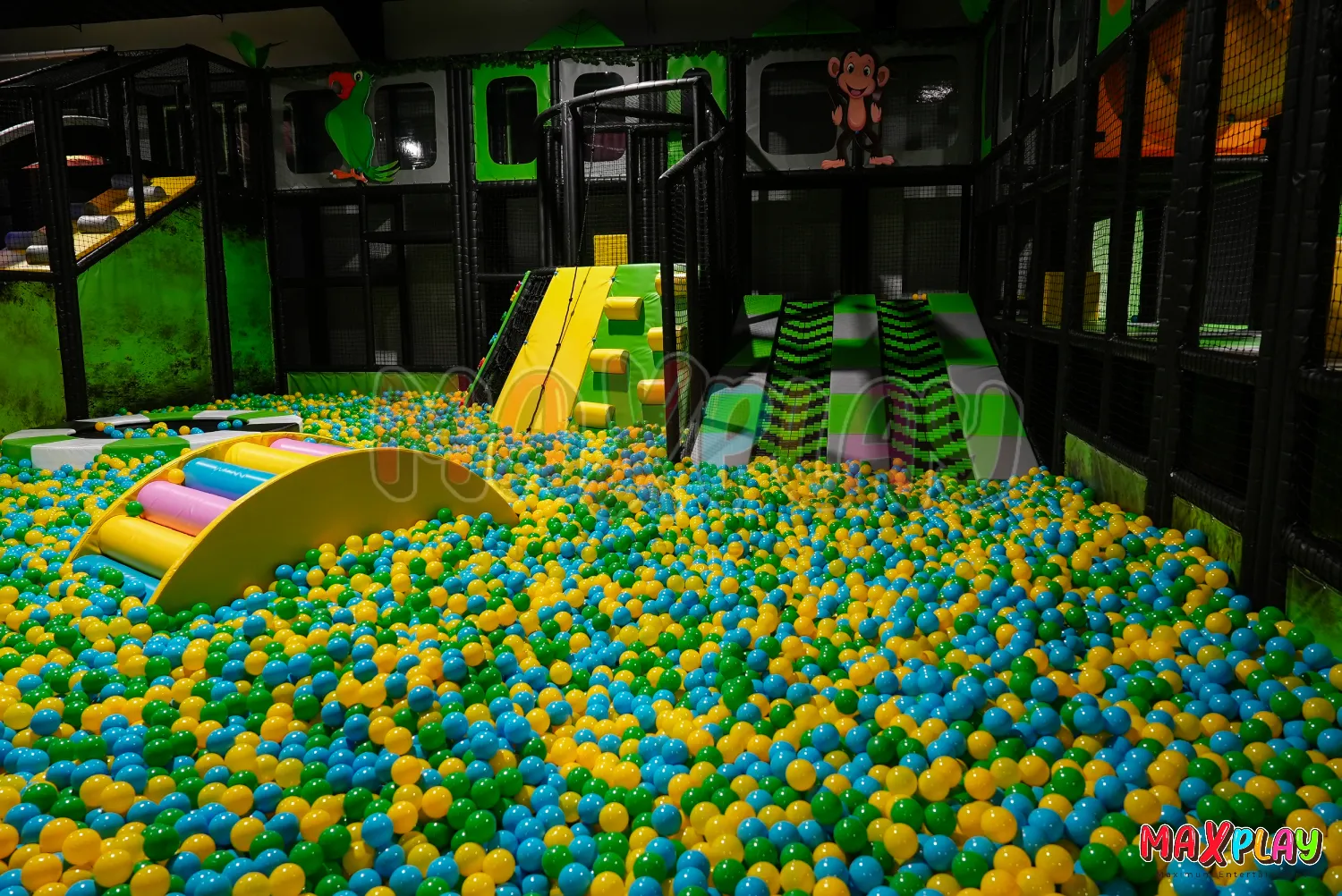
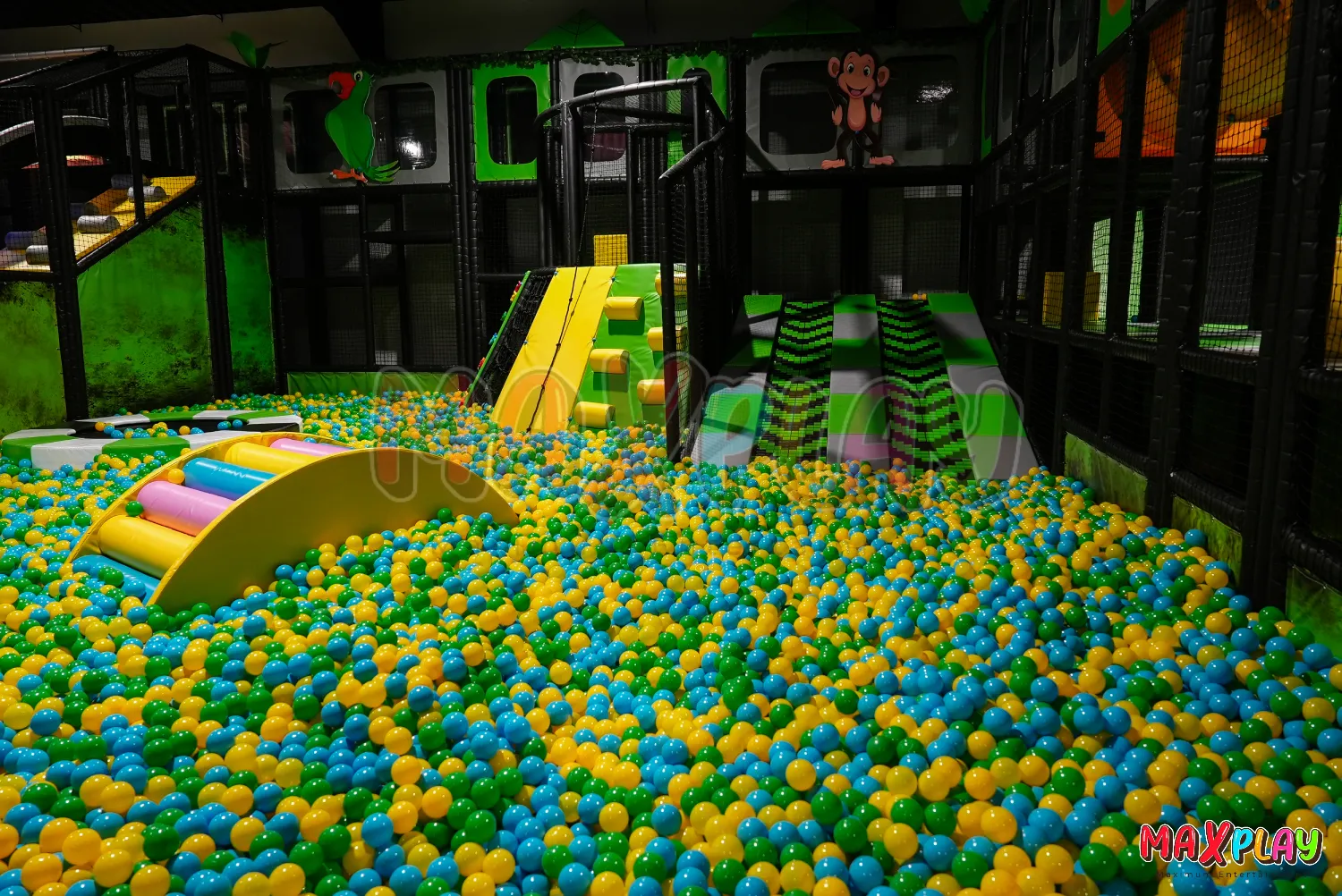
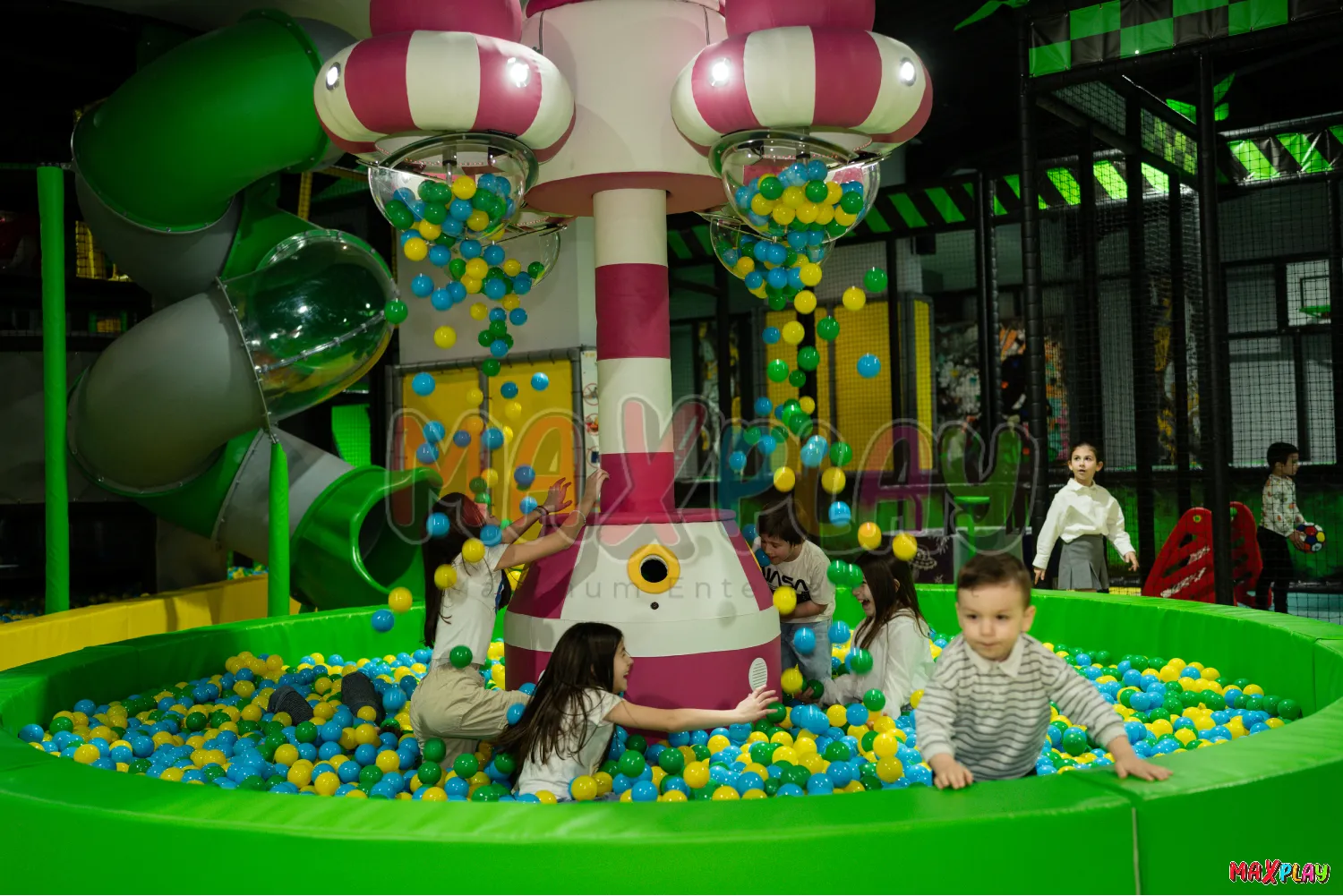
Projects that integrate ball pool systems together with climbing activities and interactive zones also perform better in younger demographic categories. However, real-world application experience shows that ball pool depth, hygiene planning, and entry-exit flow design must be carefully engineered to maintain operational efficiency during peak traffic periods.
How Can Businesses Choose the Right Indoor Playground Size?
The ideal playground size depends less on total square meters and more on visitor flow strategy. One of the biggest investment mistakes is building oversized entertainment zones without calculating realistic traffic density and operational turnover.
In practice, smaller but intelligently planned commercial play zones often outperform larger low-efficiency layouts. Businesses should first evaluate:
- target age groups,
- average expected visitor duration,
- mall or venue traffic patterns,
- supervision visibility,
- future expansion potential.
For example, restaurant-based family concepts usually require compact circulation-focused activity areas, while FEC projects demand larger layered attraction systems with multiple activity intensities. Scandinavian indoor park ideas increasingly prioritize operational flexibility because seasonal traffic fluctuations require adaptable visitor management.
Another important consideration is maintenance accessibility. In real commercial environments, oversized systems with poor service access points create higher operational downtime. Professionally engineered modular structures allow maintenance teams to intervene faster while minimizing disruption to visitors.
What Are the Advantages of Buying Indoor Playground Equipment from Turkey?
Turkey has become one of the strongest manufacturing hubs for commercial indoor playground systems because of its balance between engineering quality, logistics accessibility, and production flexibility. For Norwegian buyers, shorter transit times compared to Asian suppliers create a major operational advantage.
One of the most frequently discussed concerns among European investors is delayed project completion caused by overseas supply chains. Turkish manufacturers generally offer significantly faster production and shipping timelines while maintaining European-standard soft play equipment compliance. This becomes especially valuable for shopping centre openings and seasonal commercial launches where timing directly impacts revenue.
Another important factor is material quality. Certified production processes, health-safe materials, reinforced steel construction, and EN1176-oriented engineering standards are now expected by Scandinavian buyers. Experienced Turkish manufacturers increasingly compete not only on price but also on long-term operational durability.
In comparison with many Asian suppliers, Turkish companies also provide more accessible communication during project development. Buyers can revise layouts, request engineering changes, and customize design details more efficiently throughout production stages. This flexibility is particularly important for businesses seeking indoor soft playground equipment tailored to unique commercial concepts.
Revenue-Driven Layout Planning for Shopping Centres and Retail Spaces
Retail entertainment planning has evolved far beyond simple play corner installation. Modern shopping centres use entertainment zones strategically to increase visitor circulation and improve commercial interaction between retail categories.
One of the most effective customer dwell time strategies involves positioning play areas near food courts, family seating zones, or transitional retail corridors. In real shopping centre projects, entertainment placement directly affects how families move throughout the building. Poorly positioned attractions may create isolated visitor clusters instead of supporting broader commercial engagement.
Another critical factor is visibility design. Parents prefer spaces where they can monitor children without feeling disconnected from the surrounding commercial environment. Open sightline planning, layered seating integration, and controlled circulation paths therefore play a major role in successful mall playground installation projects in Norway.
Operators also increasingly request modular attractions that can evolve over time. Seasonal visual updates, interchangeable activity modules, and scalable play systems help venues maintain long-term visitor interest without requiring complete structural renovation.
Safety Standards Norwegian Buyers Expect Before Purchasing Play Equipment
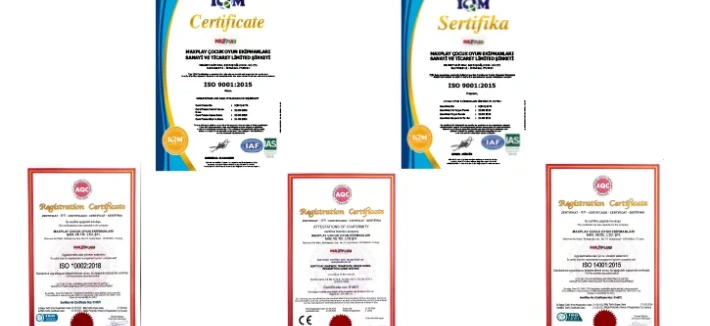
Safety compliance is one of the most decisive purchasing criteria in Scandinavia. Norwegian buyers typically expect EN1176 certified playgrounds together with documented production quality, structural durability testing, and child-safe material standards.
In real usage environments, the most common operational issues arise from poorly engineered connection points, weak padding density, and inadequate traffic separation between age groups. High-quality suppliers therefore focus heavily on:
- reinforced structural engineering,
- impact-absorbing flooring systems,
- soft padding protection,
- enclosed climbing safety,
- anti-slip circulation areas.
Another important issue involves hygiene management. Nordic operators increasingly prioritize easy-clean surfaces, antibacterial materials, and ventilation-conscious layouts because indoor environments experience high annual utilization rates.
Experienced project developers also understand that safety is not limited to certification documents. Proper installation quality, structural anchoring, maintenance accessibility, and long-term durability are equally important in preventing operational risks. This is why many Scandinavian investors prefer working directly with experienced indoor playground equipment manufacturers rather than generic trading companies.
Which Indoor Playground Concepts Perform Best in Norwegian Cities?
Different Norwegian cities require different entertainment approaches depending on demographic density, retail structure, and tourism activity. Oslo-based projects often focus on high-capacity urban entertainment models, while smaller regional markets may prioritize community-oriented family activity centres.
In practice, indoor playground business concepts perform best when they combine broad demographic appeal with operational simplicity. Multi-age indoor playground concepts consistently outperform single-age systems because families prefer venues where siblings can participate simultaneously.
Urban projects increasingly integrate:
- climbing systems,
- sensory activity zones,
- digital interaction modules,
- trampoline sections,
- soft adventure layouts.
Projects using trampoline park equipment together with modular soft play systems often achieve stronger retention among older children and pre-teen demographics. However, operational planning must carefully separate high-energy activities from toddler circulation areas to maintain safety and visitor comfort.
Another major success factor is visual identity. Scandinavian consumers generally respond positively to minimalist but immersive design language. Overly crowded visual concepts may reduce perceived quality even when the equipment itself is technically advanced.
Turnkey Playground Installation vs Buying Individual Equipment
Many first-time investors underestimate how complex commercial entertainment projects can become when equipment sourcing, engineering, logistics, and installation are managed separately. While purchasing standalone products may initially appear cheaper, fragmented procurement frequently creates compatibility and operational problems later.
Turnkey indoor playground solutions provide a more stable project structure because design, manufacturing, logistics, and installation are coordinated within the same operational workflow. In practice, this significantly reduces engineering inconsistencies and installation delays.
One of the most common issues with individual equipment purchasing is circulation incompatibility. Different suppliers often use varying structural dimensions, safety standards, and connection systems. This creates hidden costs during installation and future maintenance.
Experienced operators increasingly prefer suppliers capable of delivering:
- full-project engineering,
- 3D layout planning,
- production coordination,
- international shipping,
- installation supervision,
- post-installation technical support.
For this reason, companies searching for an experienced indoor playground supplier increasingly prioritize long-term project management capability rather than focusing exclusively on initial equipment pricing.
What Safety Standards Should Turkish Playground Equipment Meet for Norway Projects?
For projects targeting Norway and the wider European market, Turkish manufacturers must align production processes with strict safety and material standards. EN1176 and EN1177 compliance are now considered baseline expectations rather than premium features.
In real-world commercial operations, certified engineering becomes especially important for insurance processes and long-term liability management. Operators frequently request detailed technical documentation, material certificates, and structural load calculations before finalizing procurement decisions.
Another critical issue is material health compatibility. Scandinavian buyers increasingly expect non-toxic coatings, child-safe soft surfaces, fire-resistant materials, and high-quality padding systems suitable for intensive indoor use. Production quality is evaluated not only visually but also through long-term maintenance performance.
This is one reason why experienced Turkish producers are becoming more competitive against lower-cost alternatives. While some suppliers focus primarily on initial pricing, professionally engineered manufacturers emphasize operational durability, visitor safety, and long-term investment value.
How Turkish Manufacturing Helps Reduce Commercial Playground Investment Costs?
Cost optimization in commercial entertainment projects is not only about purchasing cheaper equipment. Long-term operational performance, maintenance frequency, shipping efficiency, and installation reliability all affect total investment return.
Turkey’s strategic location creates a major logistics advantage for European buyers. Faster shipping routes to Norway reduce project delays and lower transportation risks compared to many overseas suppliers. In practice, shorter transit periods also reduce warehousing complications and installation scheduling conflicts.
Another important factor is engineering flexibility. Turkish factories can often adapt production according to venue dimensions without requiring fully custom industrial tooling processes. This helps investors optimize budgets while still receiving project-specific solutions.
Experienced buyers also recognize that lower initial prices can sometimes create higher long-term maintenance expenses. High-density padding systems, reinforced structural engineering, and professional finishing quality improve lifecycle durability significantly. This is why many operators seeking soft play equipment wholesale solutions increasingly compare total ownership value rather than focusing only on upfront pricing.
Creating a Profitable Kids Entertainment Area with Multi-Age Attractions
The most profitable entertainment projects are rarely built around a single attraction type. Multi-age concepts generate stronger repeat visitation because they accommodate broader family structures and create longer average visit durations.
Real commercial experience shows that combining toddler-safe play systems with active movement attractions increases overall engagement significantly. Younger children require secure sensory-oriented environments, while older children seek challenge-based activities involving speed, climbing, and competition.
One effective strategy is layering activity intensity gradually throughout the venue. Operators often position calmer toddler zones near seating areas while placing high-energy attractions deeper inside the entertainment flow. This creates more balanced visitor distribution and improves supervision management.
Businesses investing in indoor play set concepts should also consider future adaptability. Entertainment trends evolve rapidly, and modular systems capable of accepting future expansions provide stronger long-term commercial value. This is especially important for growing FEC projects planning phased investment strategies.
How MaxPlay Supports Indoor Playground Projects Across Europe
MaxPlay develops commercial indoor entertainment projects with a strong focus on engineering quality, operational durability, and fully customized production workflows. The company supports European projects through integrated design, manufacturing, logistics, and installation management instead of limiting services to standalone equipment supply.
In practical application, one of the most important advantages for European buyers is the ability to work directly with a production-focused engineering team. MaxPlay develops project-specific layouts for shopping centres, FEC concepts, hotels, restaurants, and commercial family entertainment environments while optimizing visitor circulation, safety, and long-term operational efficiency.
The company’s production structure includes modular steel systems, certified soft padding applications, safety-focused engineering, interactive entertainment integration, and scalable attraction planning. Projects may include trampoline park manufacturer solutions, climbing structures, toddler activity zones, role-play houses, sensory play systems, and immersive themed entertainment concepts within a unified operational layout.
For Norwegian investors seeking reliable European project execution, fast shipping from Turkey creates a major advantage compared to long-distance overseas procurement models. MaxPlay combines competitive pricing with certified production quality, faster lead times, and project-specific customization capabilities that help businesses launch entertainment operations more efficiently.
Businesses looking for Commercial Indoor Playground Equipment in Norway increasingly prioritize suppliers capable of combining engineering expertise with practical operational understanding. MaxPlay supports this process through free project planning, professional concept development, scalable manufacturing solutions, and international installation coordination. If you are planning a new entertainment investment, requesting a custom project consultation early in the planning phase can significantly improve operational efficiency and long-term profitability.