





Indoor Playground Factories in Serbia: What Businesses Should Expect
Selecting the right manufacturing partner is one of the most important decisions when developing a commercial children’s entertainment facility. Businesses researching Indoor Playground Factories in Serbia need to evaluate considerably more than equipment prices. Manufacturing expertise, structural engineering, material safety, customization capabilities, delivery schedules, and technical support all influence whether a playground becomes a reliable long-term investment.
As MaxPlay Playground Equipment, we provide professional solutions for indoor playgrounds and soft play areas. We design, manufacture, install, and assemble indoor playground equipment and soft play systems for commercial spaces. Contact us for turnkey indoor playground projects.
| Landline: | 0216 377 10 88 |
| Mobile / WhatsApp: | 0532 069 53 17 |
| E-Mail: | info@maxplay.com.tr |
| Address: | Google Maps |
You can contact us for all your projects across Türkiye and international markets.
Our Services:
- Trampoline Manufacturing – Trampoline Park Installation
- Ball Pit Manufacturing – Ball Pit Playground Installations (with slides, etc.)
- Interactive Play Systems (Moving Soft Play Toys & Equipment)
- Sand Pit – Sand Play Areas
- Playgrounds and Role-Play Houses for Kindergartens & Nurseries
- Indoor playgrounds for businesses such as shopping malls, cafés, restaurants, etc.
- And all customized playground projects tailored to your specific needs.
For Serbian investors, the supplier selection process increasingly extends beyond domestic manufacturers to established international production centers. Turkish factories are particularly relevant because of their geographic proximity, competitive manufacturing costs, flexible engineering capabilities, and established road freight connections with the Balkans. A properly managed procurement process can combine first-class materials, certified safety practices, customized attractions, and efficient delivery without the logistical complexity often associated with distant overseas suppliers.
The following guide examines the practical considerations involved in choosing a manufacturer, from initial facility planning and technical specifications to factory inspections, contractual requirements, installation, and ongoing maintenance. It also explains how businesses can distinguish between suppliers that simply sell equipment and manufacturers capable of delivering complete commercial playground projects.
Understanding the Role of Indoor Playground Factories in Serbia’s Commercial Entertainment Sector
Serbia’s commercial entertainment sector includes shopping center attractions, family entertainment centers, independent children’s play venues, hospitality facilities, and activity areas within larger leisure developments. Each setting creates different operational demands. A shopping mall playground may require high visitor throughput and durable equipment, while a neighborhood play café typically prioritizes visibility, efficient supervision, and age-appropriate activities within a smaller footprint.
Professional commercial playground equipment manufacturers help translate these business requirements into functional physical environments. Their responsibilities extend beyond producing individual components. They must understand how children move between attractions, where congestion occurs, how parents supervise activities, and which areas require additional protection or maintenance access.
In practice, one of the most common planning mistakes is choosing equipment before establishing the venue’s operating model. A facility designed primarily for birthday celebrations needs a different layout from an admission-based entertainment center serving hundreds of visitors throughout the week. The Serbian indoor entertainment market therefore benefits from manufacturers that assess target age groups, projected attendance, available ceiling height, and the relationship between play capacity and commercial floor space before recommending equipment.
What Services Should a Full-Service Playground Manufacturer Provide Beyond Equipment Production?
A professional indoor playground supplier should manage the technical relationship between the building, the equipment, and the intended business operation. This typically begins with reviewing architectural drawings, identifying structural restrictions, and developing a preliminary layout. The supplier should then coordinate equipment selection, technical documentation, production planning, packaging, transport, installation, and post-installation assistance.
The distinction between a manufacturer and a trading intermediary is especially important. An intermediary may offer an attractive catalog but have limited control over component dimensions, production schedules, or replacement parts. A factory with in-house engineering and fabrication capabilities can generally respond more effectively when a project requires unusual dimensions, customized themes, or modifications during technical approval.
For example, a Serbian operator converting an existing retail unit into a children’s activity center may discover that ventilation ducts, structural columns, and emergency routes restrict the original layout. A capable manufacturer can revise the play structure around those limitations while maintaining appropriate circulation and supervision. Businesses should establish which services are performed directly by the factory and which are subcontracted, particularly for installation, electrical integration, and after-sales maintenance.
MaxPlay Playground Equipment Overview
| Equipment Name | Description | Key Benefits |
| Ball Pool | Colorful pit filled with balls for safe sensory play. | Safe fun for toddlers, easy to clean, encourages motor skills. |
| Trampoline | High-quality indoor trampolines. | Builds balance and strength, child-safe design, durable materials. |
| Interactive Game Sets | Digital and physical interactive play stations. | Boosts learning, cognitive skills, and engagement. |
| Profession Houses | Role-play houses designed for kids. | Encourages creativity, social interaction, and imagination. |
| Trampoline Park | Large-scale trampoline structures. | Suitable for older kids, high durability, safe design. |
| Roller Slide | Conveyor-style (roller) slides for continuous fun. | Efficient design, fun motion play, safe structure. |
| Tower Slide | Tower slides designed for adventure play. | Exciting design, strong safety standards, eye-catching feature. |
| Climbing Wall | Indoor climbing walls. | Builds strength and coordination, safe grips, customizable difficulty levels. |
| Volcano Slide | Volcano-shaped slides with climbing and sliding features. | Combines climbing and sliding, unique design, fun for multiple age groups. |
Evaluating Manufacturing Infrastructure, Technical Expertise and Project Customization Capabilities
A manufacturer’s production infrastructure reveals how effectively it can control quality, accommodate modifications, and maintain delivery commitments. Buyers evaluating playground manufacturing infrastructure should look beyond factory size and consider metal fabrication processes, protective padding preparation, panel cutting, sewing quality, component identification, and assembly verification.
Reliable production depends on coordination between design engineers, purchasing teams, fabrication personnel, and quality inspectors. For custom commercial play structures, technical teams must verify connection points, load-bearing arrangements, access openings, fall protection, and compatibility between different attractions. Computer-aided design helps identify dimensional conflicts before manufacturing begins, but the design must also be checked against actual building measurements.
A useful supplier assessment involves requesting examples of technical drawings, material specifications, previous installations, and factory quality-control procedures. For projects involving unusual structural geometry, buyers should also establish how engineering calculations and design changes are reviewed. The most expensive manufacturing errors are often discovered during installation, when a component cannot fit through a doorway or conflicts with an existing building element. Early technical coordination reduces these risks substantially.
Available Product Categories: Soft Play Systems, Adventure Structures, Slides and Interactive Attractions
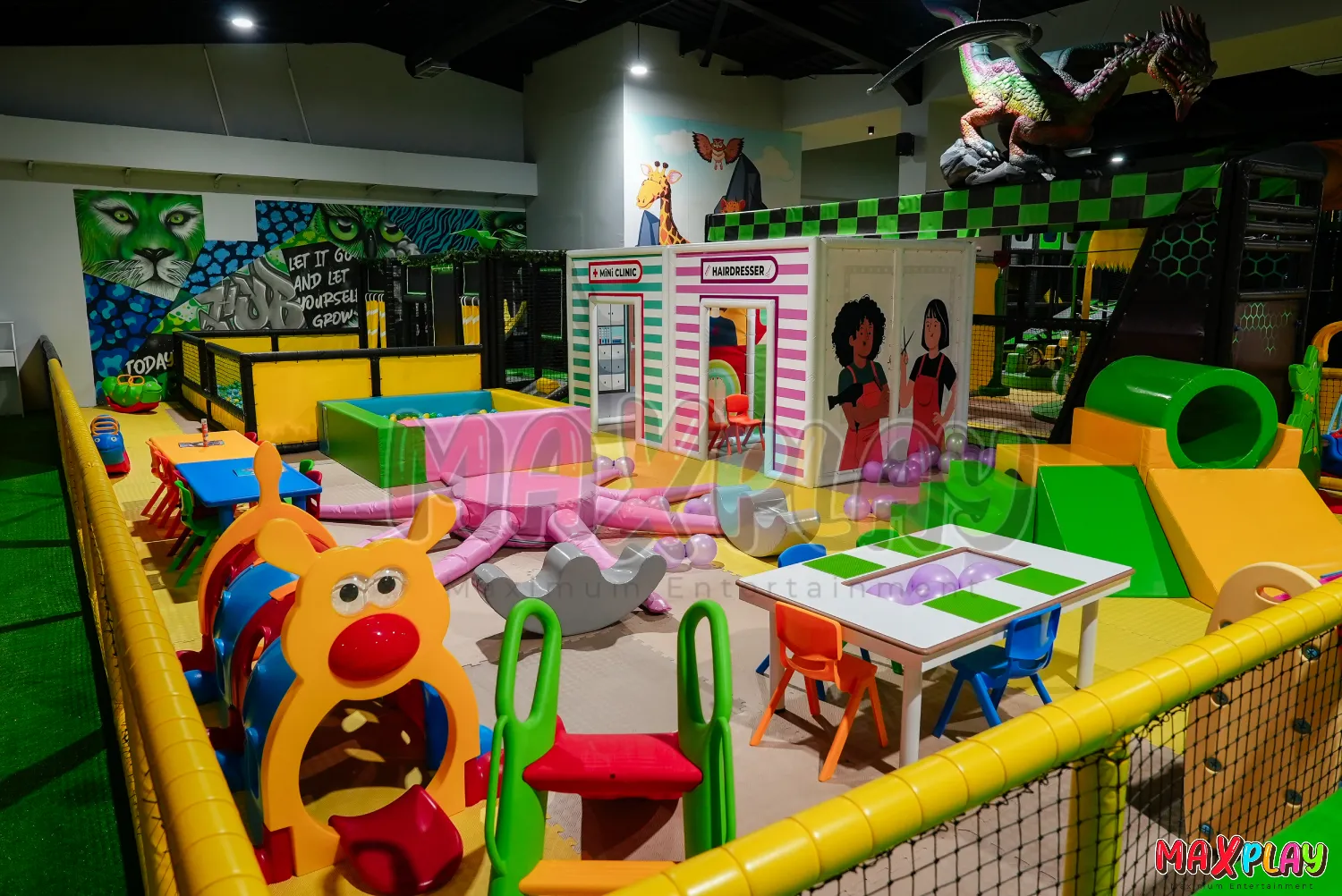
The equipment mix determines how visitors experience a playground and how effectively the facility serves different age groups. A professionally designed indoor play set can incorporate climbing activities, tunnels, slides, obstacle routes, and enclosed exploration zones within a connected structure. For younger visitors, a dedicated toddler play set indoor configuration should emphasize low platforms, gentle movement, accessible activities, and clear supervision.
Larger venues often combine commercial soft play equipment with more demanding attractions. These may include multi-level adventure structures, climbing walls, spiral slides, rope challenges, and a ball pool with appropriately designed entry and exit points. Interactive playground equipment, such as projection games, sensory panels, and responsive activity stations, can provide alternative experiences for children who prefer problem-solving or cooperative activities over continuous physical movement.
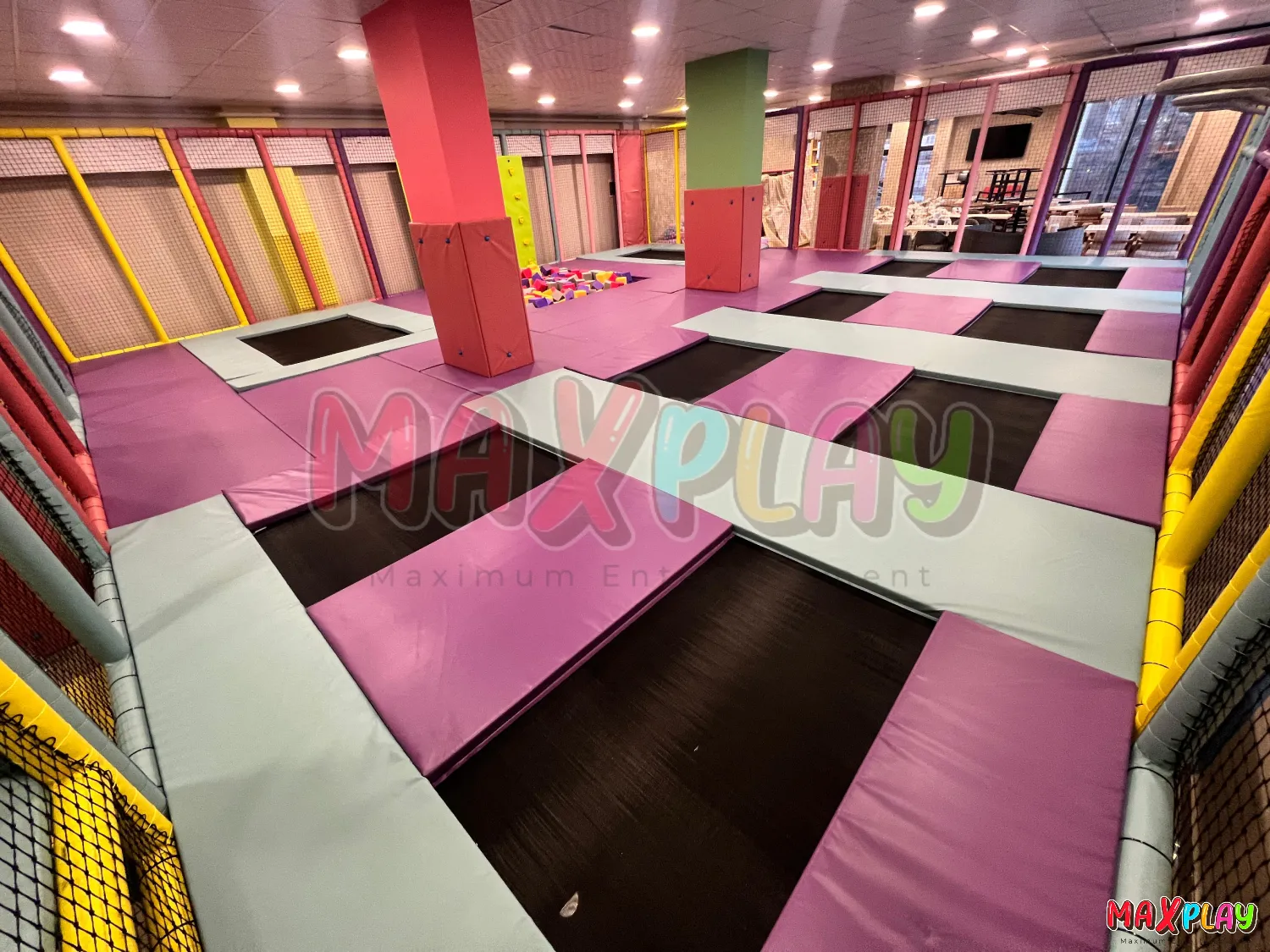
Equipment selection should follow the intended visitor profile rather than simply maximizing the number of attractions. For example, trampoline park equipment requires a different approach to space planning, supervision, safety management, and operating procedures than enclosed soft playground equipment. A specialist trampoline park manufacturer should demonstrate competence in the relevant activity-specific requirements. Combining different attraction categories can be commercially valuable, but only when their safety zones, age policies, and operational needs are considered separately.
Material Specifications, Structural Durability and Production Quality Assurance
Material quality affects safety, cleaning efficiency, appearance, and the frequency of component replacement. Commercial equipment commonly incorporates engineered steel frameworks, protective foam padding, coated surfaces, durable textile coverings, safety netting, and impact-attenuating flooring. Each material must be selected for its intended function rather than appearance alone.
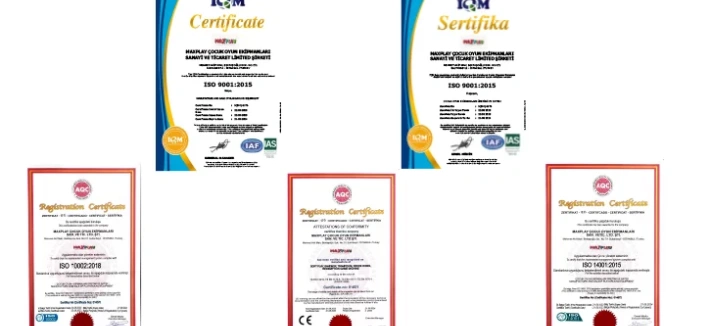
For soft play production quality assurance, buyers should request documented specifications for structural components, foam density, covering materials, netting, connection hardware, and floor protection. Relevant European standards, including EN 1176 and EN 1177 where applicable, provide important references for playground equipment and impact attenuation. However, conformity must be assessed against the specific equipment and its intended use. A generic CE logo or supplier statement is not a substitute for applicable testing, technical documentation, or a valid conformity assessment.
Health-conscious production also requires attention to chemical safety, cleanability, material traceability, and the suitability of surfaces used by children. First-class materials should offer consistent performance under repeated contact, cleaning, and intensive commercial use. In real operating conditions, protective coverings around high-contact areas often deteriorate faster than components in less frequently used sections. Quality assurance should therefore include inspection of stitching, fastening systems, exposed edges, protective padding, and the accessibility of replaceable parts.
How Serbian Buyers Can Compare Domestic, European and Turkish Playground Manufacturing Options
Supplier comparisons should begin with equivalent technical specifications. Domestic suppliers may offer convenient communication, easier site visits, and simplified local coordination. Established European manufacturers may provide specialized engineering solutions, extensive documentation, and established service networks. Turkish manufacturers offer another option, combining regional accessibility with a broad range of customizable commercial playground systems.
The difficulty is that quotations often cover different scopes. One proposal may include design, equipment production, freight, and installation, while another covers only equipment supplied at the factory. Comparing these figures without normalizing the scope can produce a misleading purchasing decision. Businesses evaluating indoor playground factories Serbia should request consistent information about materials, structural specifications, documentation, transport responsibilities, installation, and warranty conditions.
The most useful comparison is based on total installed cost and expected operating performance. A lower purchase price may be offset by expensive replacement components, installation delays, or inadequate technical support. Conversely, a competitively priced factory-direct solution may offer substantial value when engineering, manufacturing, and logistics are coordinated effectively. Serbian buyers should also account for customs procedures, applicable taxes, service availability, and the cost of any modifications required after installation.
Why Turkey Offers Competitive Advantages for Custom Playground Equipment Procurement in Serbia?
Turkey has developed substantial manufacturing capabilities in metalworking, plastics processing, upholstery, industrial fabrication, and customized commercial equipment. These complementary industries support Turkish soft play factories that manufacture integrated playground systems using locally sourced and internationally supplied components.
For Serbian businesses, the principal advantages include competitive labor and production costs, flexible customization, and relatively short transport routes. Turkish playground export advantages become especially relevant when comparing factory-direct procurement with suppliers in China or higher-cost European markets. Turkish manufacturers can compete on price while offering strong material specifications and closer logistical access to Serbia. However, actual quality, cost, and lead-time advantages must be verified through comparable quotations and project-specific documentation rather than assumed from the country of origin.
Road freight from Turkey provides an important operational benefit. Commercial playground components can be transported by truck through established Balkan logistics corridors, with shipment timing depending on production readiness, vehicle availability, customs clearance, and delivery conditions. Compared with intercontinental sea freight, this can reduce transit complexity and make communication about urgent replacement components more manageable. For customized projects with tight opening schedules, the ability to coordinate manufacturing and regional transportation is often as valuable as the equipment price itself.
Design-to-Production Workflows: Technical Drawings, Prototype Approvals and Factory Fabrication
A successful playground project follows a controlled sequence from initial measurements to final manufacturing approval. The first stage establishes the usable floor area, ceiling clearance, structural columns, entrance locations, emergency exits, and building services. These measurements become the foundation of bespoke playground technical design, allowing the engineering team to develop a layout that fits the building rather than forcing the building to accommodate unsuitable equipment.
The next stage involves concept visualization and technical coordination. Three-dimensional drawings help investors understand the appearance and visitor experience, while fabrication drawings define structural connections, component dimensions, and assembly requirements. In modular adventure play manufacturing, these details are particularly important because separate platforms, tunnels, slides, and climbing elements must connect accurately. A visually impressive rendering does not establish structural suitability; detailed engineering review remains essential.
Before fabrication, the buyer and manufacturer should agree on a documented design revision and approval process. For a large themed playground, this may include material samples, color references, decorative component mock-ups, and critical connection details rather than a complete physical prototype. The approved design should become the manufacturing reference, with later changes recorded and assessed for cost and schedule impact. One common mistake is approving the appearance of a project without confirming access for cleaning, supervision, component replacement, and future maintenance.
Understanding Quotations, Manufacturing Lead Times and Supplier Contract Conditions
A professional quotation should describe the equipment scope clearly enough for the buyer to understand what is included and what remains their responsibility. The proposal should identify major attraction categories, approximate dimensions, material specifications, protective flooring, electrical components where applicable, transport arrangements, installation services, and warranty provisions. Transparent playground manufacturer contract evaluation reduces disputes caused by unclear responsibilities.
Manufacturing schedules depend on project complexity, engineering approvals, raw material availability, and factory capacity. For planning purposes, MaxPlay’s published guidance indicates an average production period of approximately four to eight weeks, although actual commitments must be confirmed for each project.
Buyers assessing indoor playground production lead times should distinguish between design approval, production, factory inspection, dispatch, customs clearance, and installation. These are separate milestones, and delays in one stage can affect the entire opening schedule.
Payment conditions also deserve careful attention. An agreement should identify deposit requirements, production milestones, final payment triggers, inspection rights, delivery terms, and the procedure for handling damaged or missing components. Businesses considering soft play equipment wholesale or multiple-site purchases should establish whether pricing depends on order volume, standardized dimensions, or consolidated shipping. A contract that offers a low equipment price but leaves freight, installation, and technical modifications undefined may create greater financial exposure than a more comprehensive quotation.
Cross-Border Equipment Delivery, Professional Installation and Long-Term Technical Assistance
International delivery requires coordination between factory production, packaging, freight providers, customs representatives, and the receiving site. For commercial equipment shipping Serbia, road transportation from Turkey is often practical because equipment can travel through established regional freight networks. Depending on shipment volume, suppliers may use consolidated cargo services or dedicated trucks for large structural components. Oversized pieces, fragile decorative elements, and electrical equipment require appropriate packaging and loading arrangements.
Documentation should be prepared before dispatch. Depending on the shipment and applicable trade rules, relevant paperwork may include commercial invoices, packing lists, transport documents, customs classifications, origin documentation, and technical conformity records. Serbian importers should confirm the applicable customs and tax treatment with their customs representative. A practical logistics precaution is to label packages according to installation zones and component identification numbers, allowing assembly teams to locate materials without unpacking the entire shipment.
Installation quality is equally important. Even well-manufactured indoor soft playground equipment can develop problems when structural connections, protective padding, safety netting, or anchoring arrangements are incorrectly assembled. Professional installers should follow approved drawings, inspect completed connections, verify required clearances, and document outstanding issues before handover. Long-term technical assistance should address replacement parts, inspection routines, cleaning procedures, and repair instructions. Buyers should establish who is responsible for periodic inspections and which maintenance activities can be performed locally without compromising equipment safety.
How MaxPlay Supports Serbian Businesses with Custom Playground Manufacturing and Complete Project Solutions?
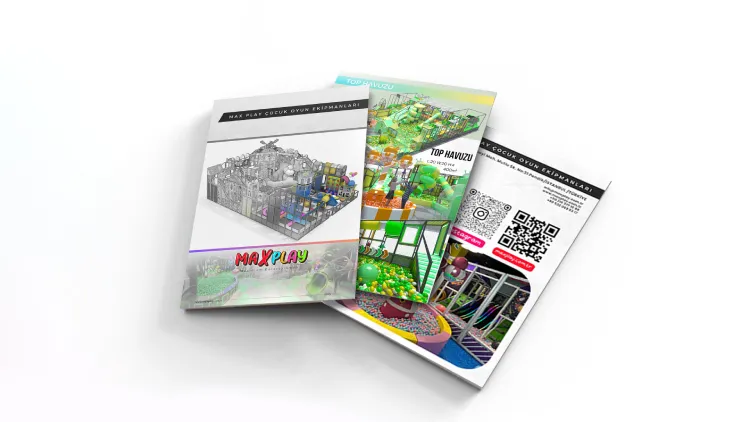
MaxPlay provides an integrated manufacturing approach for commercial children’s entertainment facilities, combining project planning, customized equipment design, production, international shipping, installation, and after-sales assistance. Based in Istanbul, the company offers a broad portfolio that includes soft play structures, toddler activity zones, interactive attractions, climbing walls, ball pools, and trampoline park systems. Its published project process also includes complimentary site layout and 3D design services, providing a structured starting point for businesses developing new entertainment venues.
As one of the indoor playground equipment manufacturers serving international markets, MaxPlay focuses on tailored configurations rather than limiting projects to fixed catalog layouts. Its product portfolio covers compact indoor activity areas as well as larger multi-attraction facilities. The company describes its manufacturing approach as using high-quality materials and internationally recognized safety standards, including EN 1176 and EN 1177. Project-specific certificates and technical records should be reviewed to establish their applicability. For Serbian buyers comparing soft play manufacturers, this combination of customization, factory-direct procurement, regional freight access, and ongoing technical assistance provides a practical basis for evaluating investment value.
MaxPlay’s complete project solutions are designed for investors who require coordinated engineering, competitive factory pricing, reliable manufacturing, and efficient delivery from Turkey to Serbia. Its proximity to the Balkan market can offer transportation advantages over distant Asian suppliers, while flexible production and first-class material options provide alternatives to higher-priced European equipment. Free preliminary playground design and project planning are available. Request your customized playground project today and receive a solution developed around your facility dimensions, preferred attractions, and investment budget.